How Native Tongues Turned Hip-Hop Into a Family Reunion
Before crews were rivals, they were cousins. Here’s how De La Soul, A Tribe Called Quest, the Jungle Brothers, and Queen Latifah built the most laid-back empire in Golden Age hip-hop.
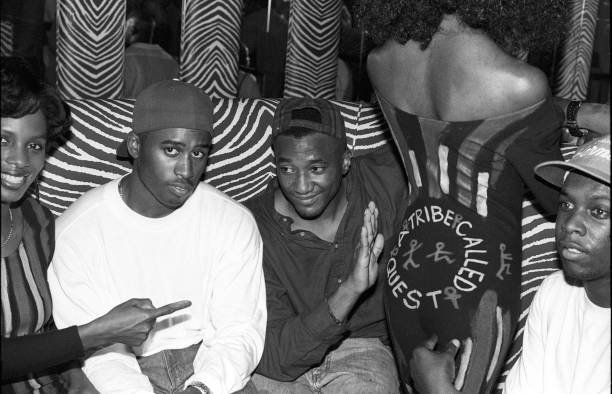
Before crews were rivals, they were cousins. Here’s how De La Soul, A Tribe Called Quest, the Jungle Brothers, and Queen Latifah built the most laid-back empire in Golden Age hip-hop.

In 1992, a shoestring-budget crew from Staten Island signed a record deal nobody else dared to write. Here’s how that one contract clause let nine MCs flood the Golden Age with solo classics.
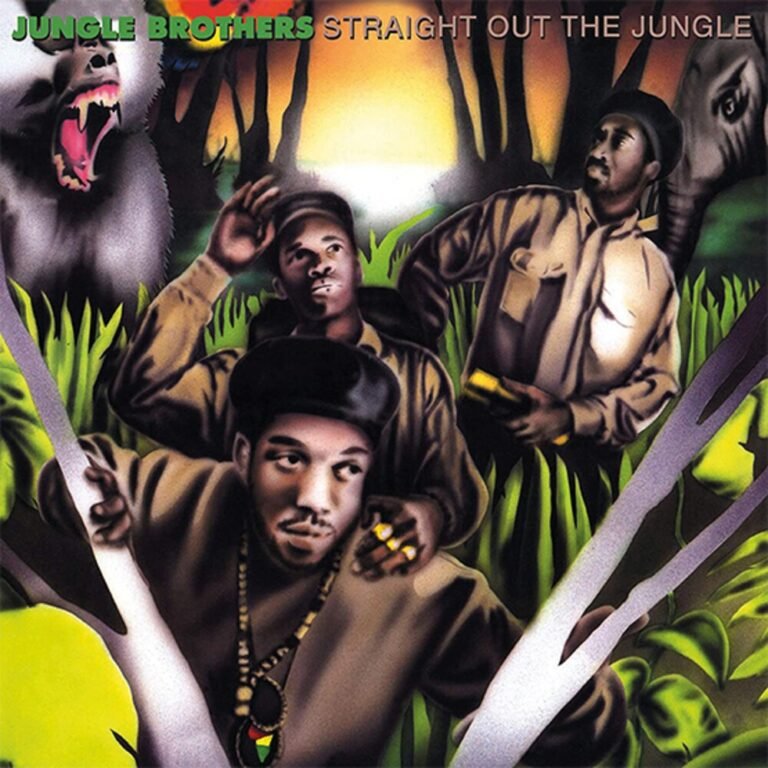
Long before hip-hop split into charts and camps, a loose family of Queens and Brooklyn rappers proved the genre could be strange, tender, and jazzy all at once. This is the story of the Native Tongues.
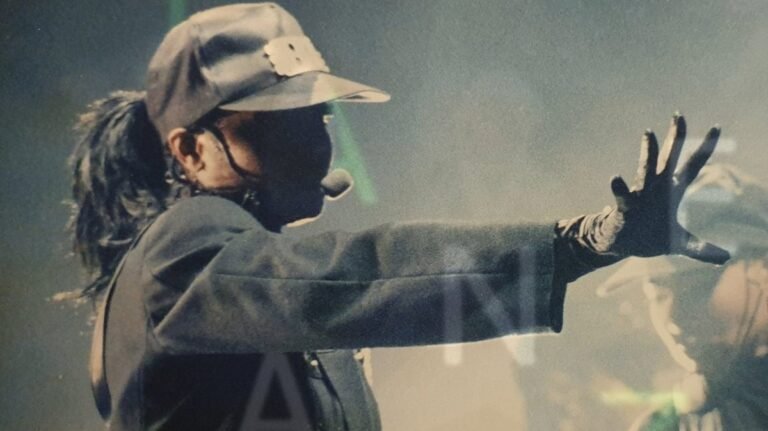
On September 19, 1989, A&M Records released Janet Jackson’s Rhythm Nation 1814 in North America, a concept album about racism, poverty, and illiteracy that her label had wanted to be a straight sequel to Control. It went on to produce seven top-five Billboard Hot 100 singles, a Guinness World Record no album has matched since,…
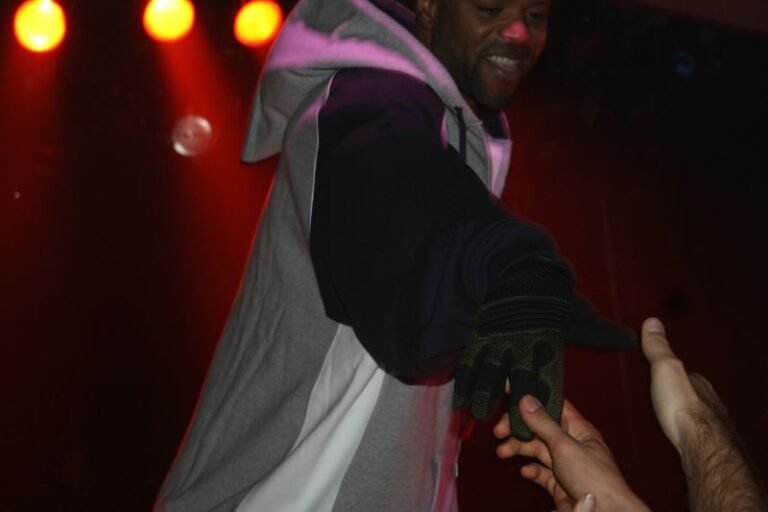
In 1993, nine rappers from Staten Island released an album that changed everything — and built the most ambitious collective in Golden Age hip-hop history.

The Golden Age of hip-hop produced the greatest rap music ever made — and the most dangerous rivalry the music world had ever seen. Inside the East Coast-West Coast war that defined a generation.

They never took a bow, but they built everything. The story of the beat-makers who turned Golden Age hip-hop into America’s greatest musical revolution.

From ‘Ladies First’ to five Grammy wins in a single night, the women of Golden Age hip-hop weren’t in the background of the 90s rap scene. They were running it.

Before podcasts, before social media, before citizen journalism had a name, MCs were filing dispatches from America’s forgotten cities. Here’s how golden age hip-hop became the decade’s most honest news source.

On August 15, 1991, Paul Simon performed a free concert on Central Park’s Great Lawn before an estimated 750,000 people — one of the largest outdoor concerts in New York City history. The event was broadcast live on HBO and later released as the double live album Concert in the Park, featuring 23 songs spanning…

From Public Enemy to A Tribe Called Quest, the conscious rappers of the Golden Age used the microphone to say what the nightly news wouldn’t — and built a movement that still echoes.

In 1994, golden age hip-hop reached its creative peak in a twelve-month window that gave the world Illmatic, Ready to Die, and an era that Gen X still carries.