
The Mic Belongs to Her: Queen Latifah, Lauryn Hill, and the Women Who Made the 90s
The story of golden age hip-hop is incomplete without Queen Latifah, MC Lyte, Lauryn Hill, Lil’ Kim, and Missy Elliott. Here’s how women rewrote the decade.

The story of golden age hip-hop is incomplete without Queen Latifah, MC Lyte, Lauryn Hill, Lil’ Kim, and Missy Elliott. Here’s how women rewrote the decade.
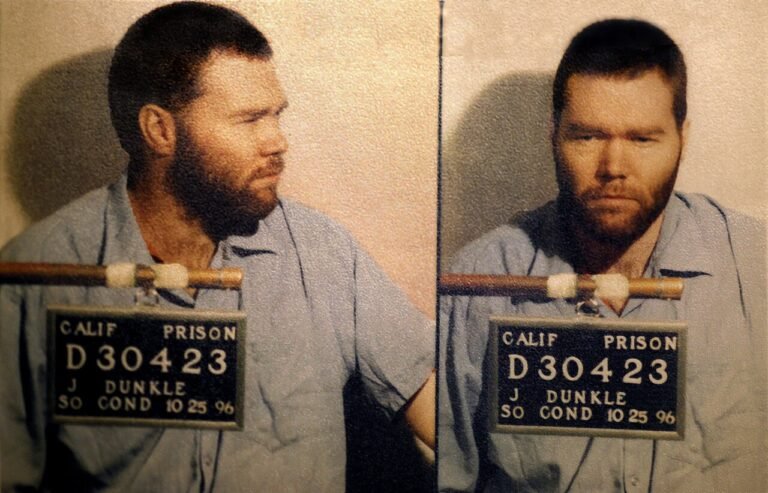
Two labels. Two coasts. One rivalry that produced the greatest run of albums in hip-hop history — and ended with two unsolved murders that closed the Golden Age forever.
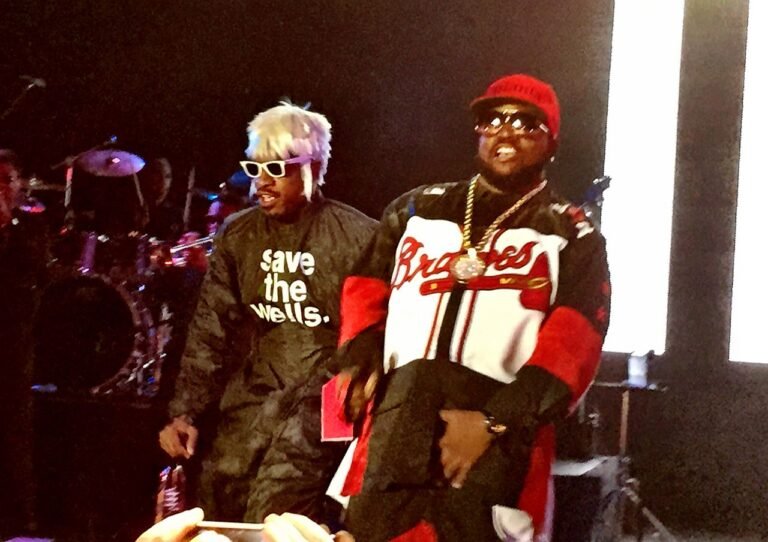
In the span of twelve months, a 20-year-old from Queensbridge and a 22-year-old from Brooklyn redefined what rap music could say. Here’s why 1994 remains the Golden Age of hip-hop’s most extraordinary year.
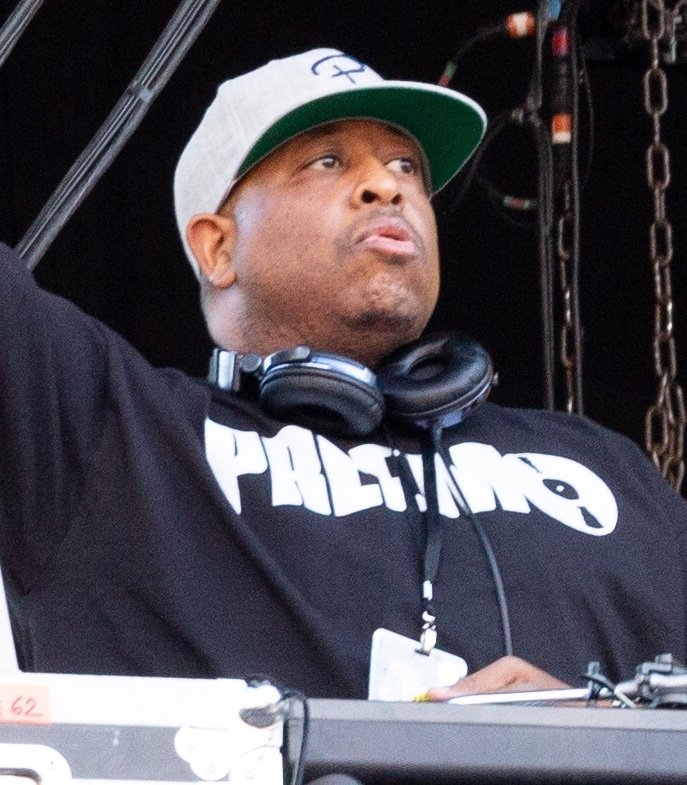
DJ Premier, Pete Rock, RZA, and a handful of other producer-geniuses quietly assembled the sonic blueprint for the greatest decade in rap history. Here’s how they did it.

Queen Latifah, Lauryn Hill, Salt-N-Pepa, Missy Elliott — the women who shaped golden age hip-hop (1990–1999) and left a permanent mark on music history.
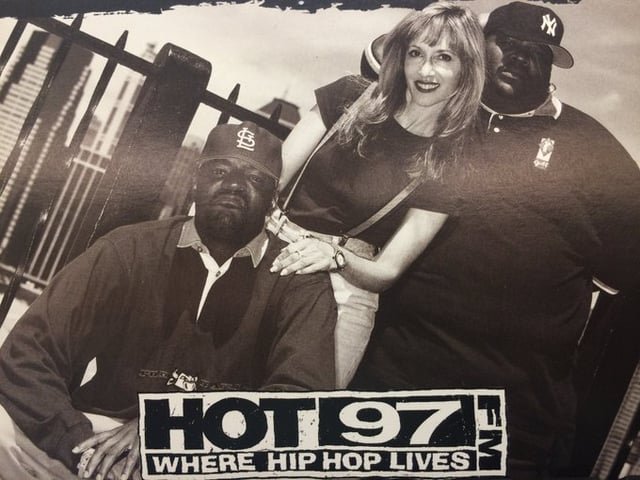
Before YouTube, before streaming, before algorithms decided what you heard — there was Yo! MTV Raps, the show that brought golden age hip-hop into every suburban living room in America.

In the Golden Age of hip-hop (1990–1999), the rap album stopped being a bag of singles and became a start-to-finish work of art — from Illmatic to 36 Chambers.

Illmatic, Ready to Die, and a run of debut albums that no year has topped since. Here’s why 1994 stands as the peak of Golden Age hip-hop.
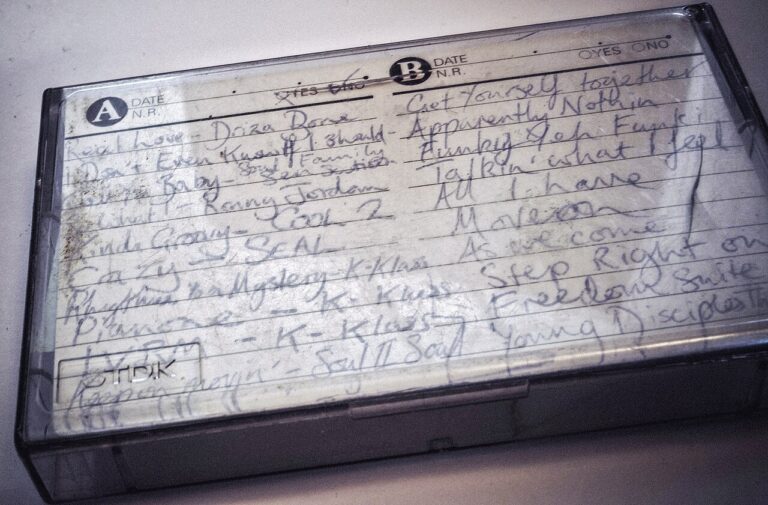
Before streaming, a $10 cassette from a folding table on Canal Street could break a rapper’s career. Inside the mixtape underground that powered Golden Age hip-hop.

Before streaming, before the internet, one afternoon show taught suburban Gen X kids the language of Golden Age hip-hop (1990-1999). Here is how Yo! MTV Raps did it.

The Golden Age of hip-hop wasn’t just a boys’ club. From Queen Latifah’s crown to Lauryn Hill’s Grammy sweep, the women of 90s rap rewrote the rules of who got to hold the mic.
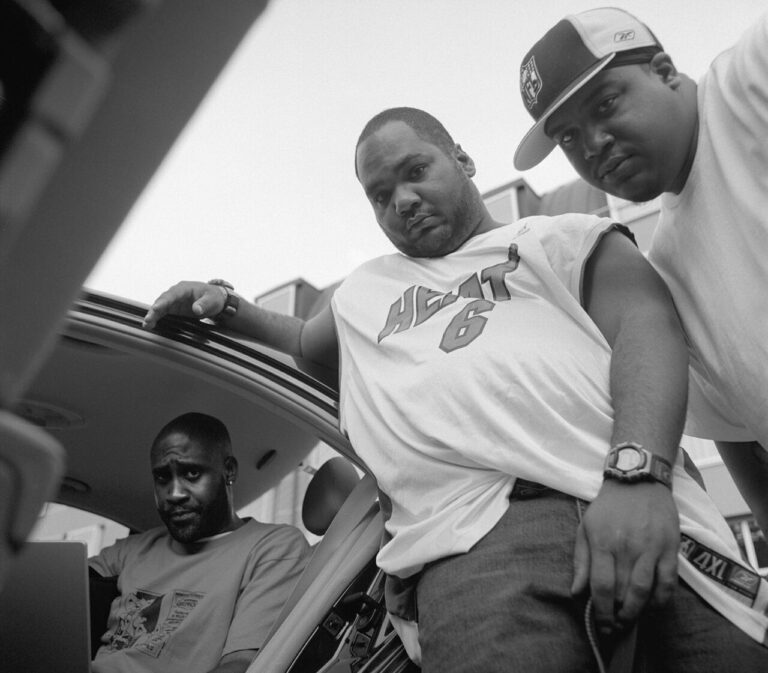
The Golden Age of hip-hop (1990–1999) wasn’t built by lone geniuses — it ran on crews. Inside the collectives, camps, and clans that turned the decade into rap’s greatest era.