
How the ’90s Turned the Rap Album Into a Masterpiece
In the Golden Age of hip-hop (1990–1999), the rap album stopped being a bag of singles and became a start-to-finish work of art — from Illmatic to 36 Chambers.

In the Golden Age of hip-hop (1990–1999), the rap album stopped being a bag of singles and became a start-to-finish work of art — from Illmatic to 36 Chambers.

Illmatic, Ready to Die, and a run of debut albums that no year has topped since. Here’s why 1994 stands as the peak of Golden Age hip-hop.
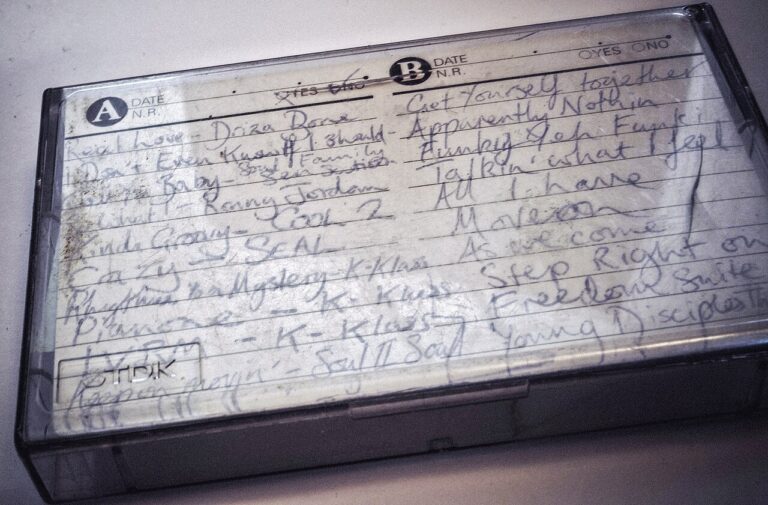
Before streaming, a $10 cassette from a folding table on Canal Street could break a rapper’s career. Inside the mixtape underground that powered Golden Age hip-hop.

Before streaming, before the internet, one afternoon show taught suburban Gen X kids the language of Golden Age hip-hop (1990-1999). Here is how Yo! MTV Raps did it.

The Golden Age of hip-hop wasn’t just a boys’ club. From Queen Latifah’s crown to Lauryn Hill’s Grammy sweep, the women of 90s rap rewrote the rules of who got to hold the mic.
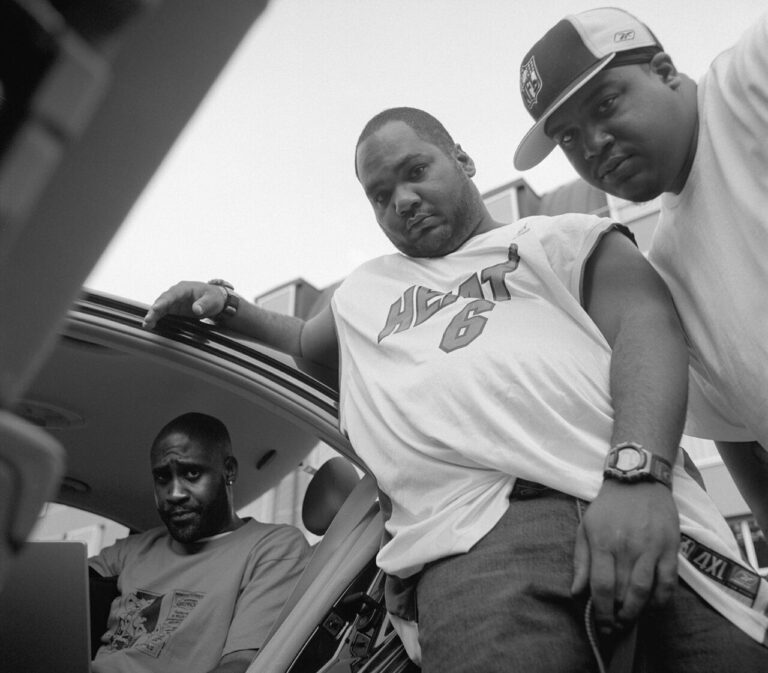
The Golden Age of hip-hop (1990–1999) wasn’t built by lone geniuses — it ran on crews. Inside the collectives, camps, and clans that turned the decade into rap’s greatest era.
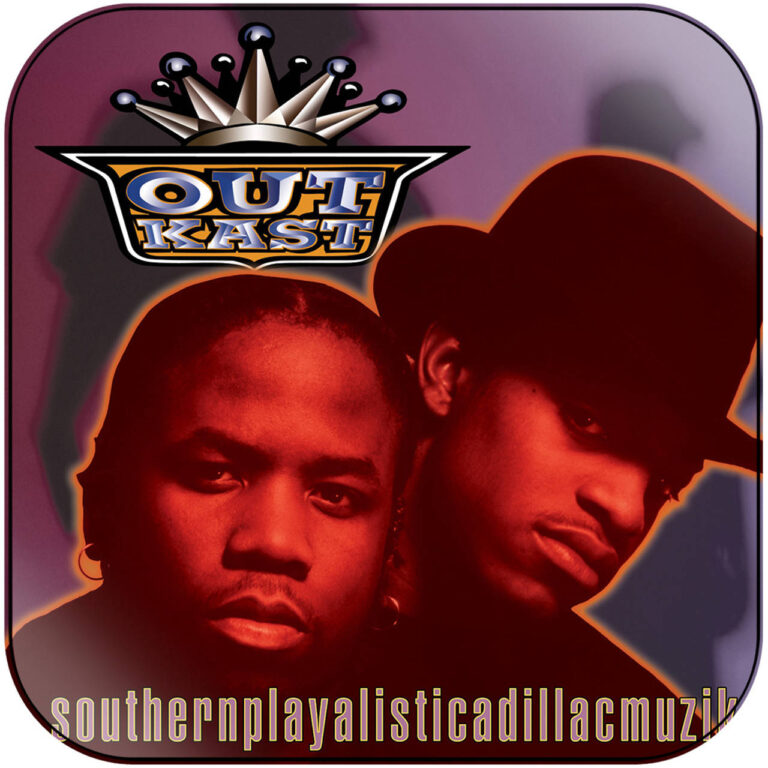
In a single year, Nas, Biggie, and OutKast turned the Golden Age of hip-hop into something permanent. Here’s why 1994 still stands as rap’s greatest twelve months.
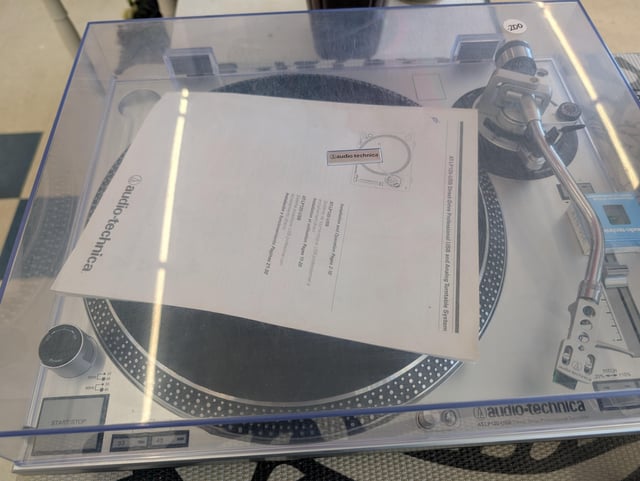
Old school hip-hop went from Bronx block parties to the Billboard charts in ten short years. Here’s how two turntables and a microphone changed everything.
On a humid August night in 1973, a teenage DJ named Clive Campbell looped a drum break in a Bronx rec room — and accidentally invented a sound that would swallow the planet.