How the Cassette Mixtape Fueled Golden Age Hip-Hop
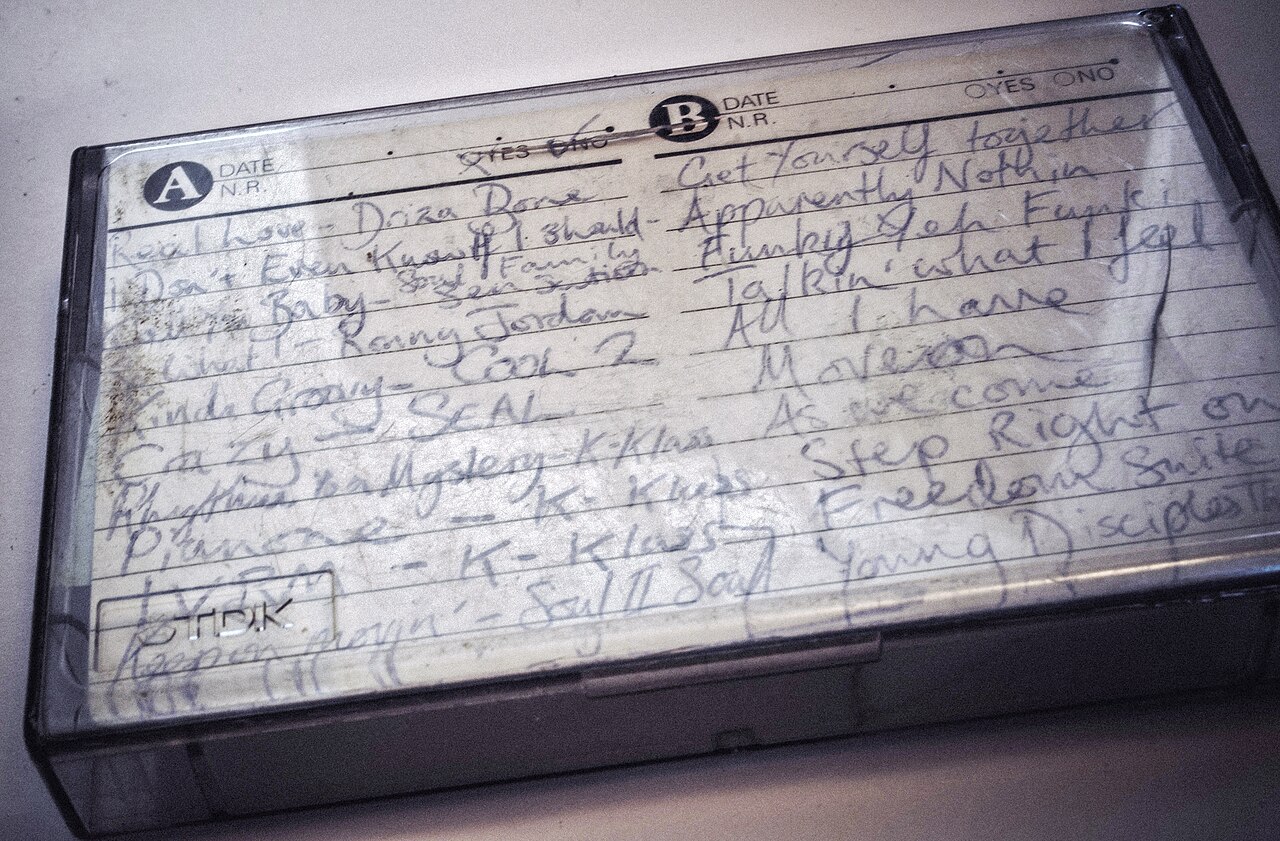
There was a specific ritual to owning a cassette mixtape in the early 1990s. You’d hand a folded ten-dollar bill to a guy behind a card table on Canal Street, get a hand-labeled TDK cassette with a photocopied insert in return, and then race home to feed it into a boombox before the ink smudged. What came out of the speakers wasn’t an album. It was a DJ’s whole personality — blends nobody else had, freestyles that never made it to record, and songs that wouldn’t hit stores for another six months. In an era before Spotify playlists and leaked singles, that cassette was the fastest information network hip-hop had. The mixtape was the pulse of the Golden Age, and it ran on magnetic tape.
What a Mixtape Actually Was
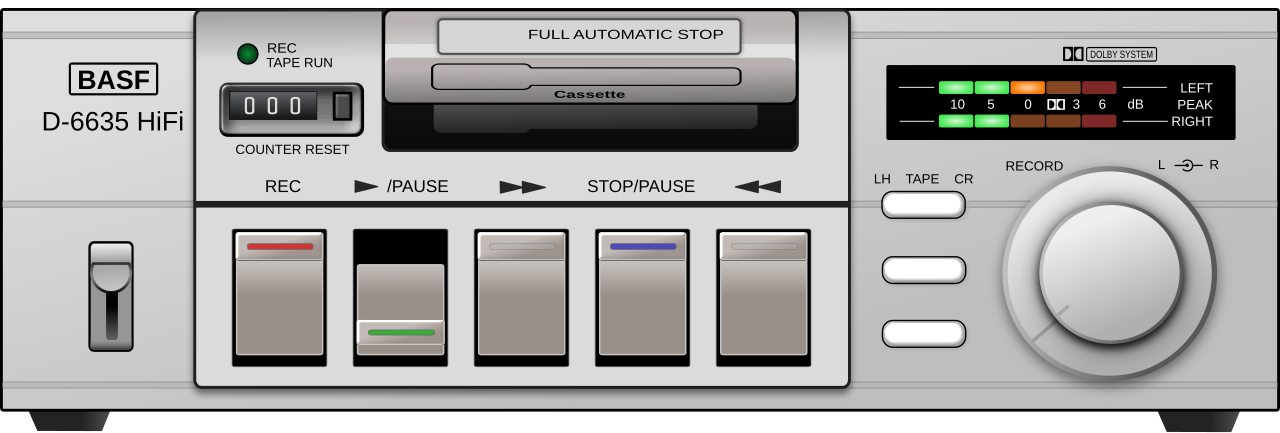
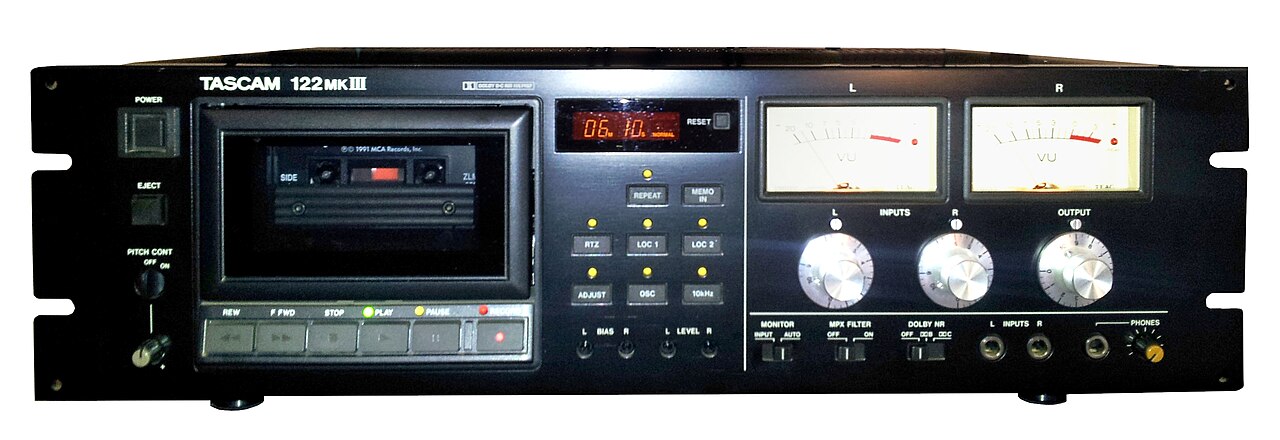
The word “mixtape” gets thrown around loosely today, but in the Golden Age it meant something precise. A store-bought album was a finished product — mastered, sequenced, and sealed in shrink-wrap. A mixtape was the opposite: raw, live, and personal. A DJ would sit at two turntables and a cassette deck and record himself blending records in real time, cutting between songs, doubling up breaks, dropping in shout-outs and drops, and layering an a cappella from one track over the beat of another. Mistakes stayed in. The energy of a party or a radio booth got baked right into the tape.
That live feel was the whole point. When you bought a mixtape, you weren’t buying songs — you were buying a night, a mood, a DJ’s ear. Two tapes could feature many of the same records and sound nothing alike. And because tapes were cheap to dub and sell out of a backpack, they moved faster than any label could press vinyl. A hot verse recorded on Tuesday could be circulating across five boroughs by the weekend.
The Retro Almanac
A monthly roundup of "on this day" highlights from that month, decades back — plus first dibs on new retro merch drops. No spam, just the good stuff.
The Radio Show That Broke Everybody
If you want to understand how deep the tape culture ran, start with a college radio show that aired after midnight. From 1990 onward, Stretch Armstrong and Bobbito García hosted a graveyard-slot program on Columbia University’s WKCR that became the single most important launchpad in New York rap. It had no budget and a signal that barely reached New Jersey, but everyone who mattered was listening — usually with a blank cassette in the deck, finger hovering over the record button.
The list of artists who did their first-ever radio freestyles on that show reads like a Golden Age Hall of Fame. A teenage Nas. Biggie before Ready to Die. The Wu-Tang Clan when they were still unsigned unknowns from Staten Island. Big L and a young Jay-Z trading bars in a legendary 1995 segment that still circulates today. Big Pun, Fat Joe, the whole Def Jam roster — they all came through that booth. Fans taped the show off the air, dubbed copies for friends, and traded them like currency. Those airchecks were mixtapes, and they carried unsigned rappers into the industry before a single contract was drawn up.
The Kings of the Blend Tape
While the radio DJs built reputations on exclusives, another lane belonged to the party DJs who turned mixing itself into an art form. Kid Capri was the standard-bearer. His tapes were relentless — high-energy, shout-heavy, packed with the kind of crowd-rocking blends that made you feel like you’d snuck into a club you were too young to enter. Capri’s name on a spine meant the tape would knock, and his signature drops became so iconic that Def Jam eventually recruited him to bring that same voice to the label’s biggest releases.
Then there were the blend specialists like Ron G, who pioneered the trick of laying R&B vocals over hard rap beats — a technique that basically predicted the sound of an entire late-90s radio format. Doo Wop, S&S, Tony Touch with his marathon “Power Cypher” tapes stuffed with exclusive freestyles — each DJ had a signature that fans could recognize within a few bars. Buying a mixtape wasn’t just about the rappers on it. It was about trusting a particular DJ to curate your week.
The Exclusive Wars
As the decade rolled on, the mixtape game shifted from blends to bombs — exclusive, never-before-heard songs that only lived on tape. The undisputed general of this era was DJ Clue, whose Desert Storm tapes ran on one currency: records nobody else had. Clue built relationships with every major artist and their engineers, getting unreleased tracks handed to him straight off the studio console, sometimes still unmixed. His trademark was screaming his own name over the intros — partly branding, partly a booby trap to keep bootleggers from stripping his tags and reselling.
DJ Kay Slay took the confrontational side even further, turning his tapes into a battleground where he’d broadcast diss records and pour gasoline on rap beefs the second they sparked. Meanwhile, on the FM dial, Funkmaster Flex was doing the same thing live on Hot 97 — dropping bombs, hitting the sound-effect button, and premiering exclusives to millions. His on-air “Mixtape” albums packaged that radio chaos for the shelf. The line between the radio booth and the street tape had all but dissolved, and being first with a record became the whole game.
A Whole Economy on Magnetic Tape
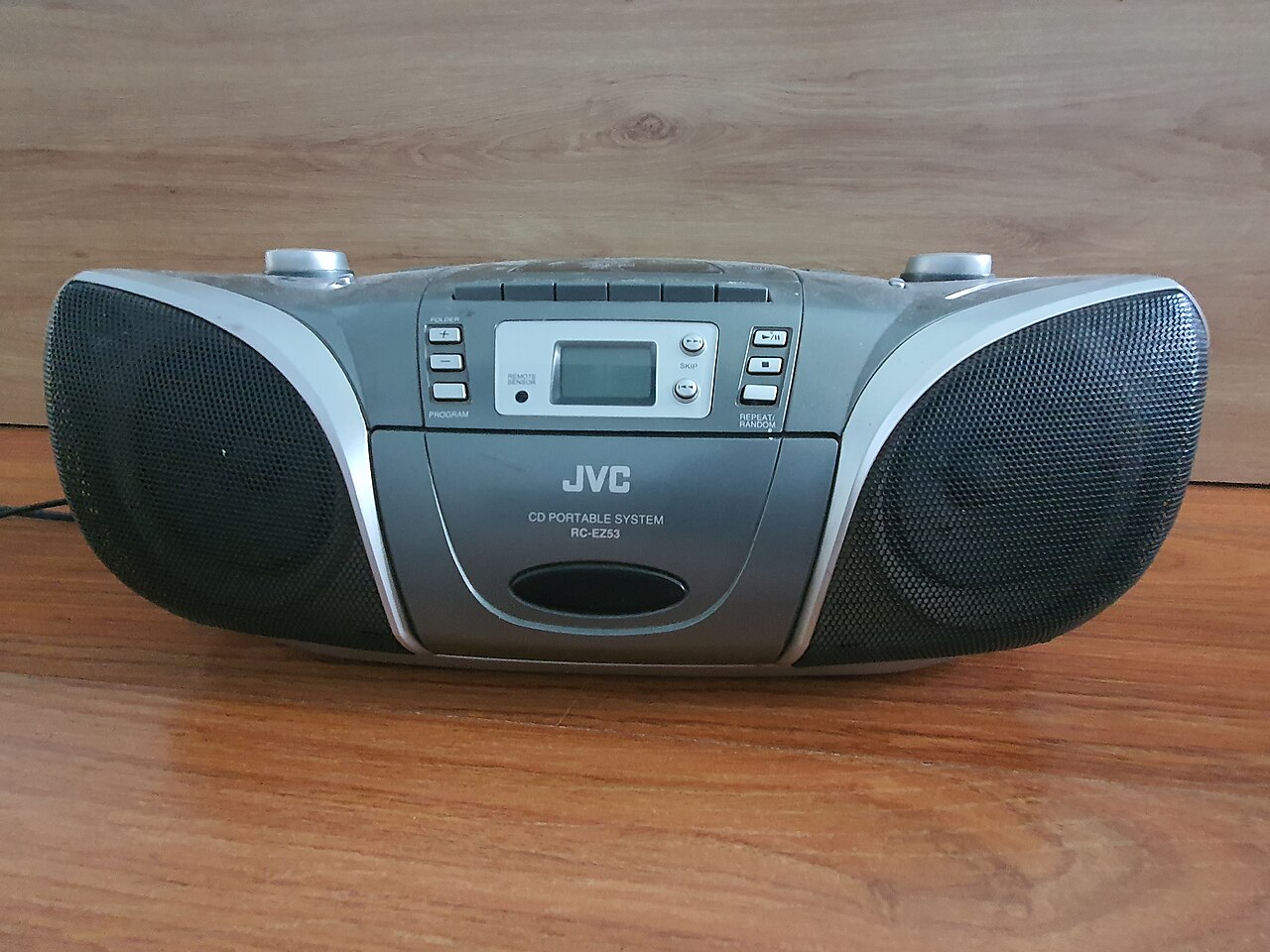
None of this would have worked without the cassette itself — a format cheap enough to dub a hundred copies in an afternoon and durable enough to survive a Walkman clipped to your belt on the subway. The mixtape economy ran on blank TDK and Maxell tapes, dual-deck boomboxes for high-speed dubbing, and a distribution network of mom-and-pop record shops, barbershops, and folding tables in lower Manhattan. A single hot tape could sell thousands of copies without ever touching a store’s inventory system.
For a working DJ, this was real money and real power. Labels noticed. By the mid-90s, A&Rs were monitoring which mixtapes were moving to figure out which unsigned rappers to chase. Getting a verse placed on the right DJ’s tape could do more for a career than a radio single, because the mixtape audience was the tastemaking core — the kids who bought two albums a week and argued about them on the stoop. The tape was market research, promotion, and A&R rolled into one plastic shell.
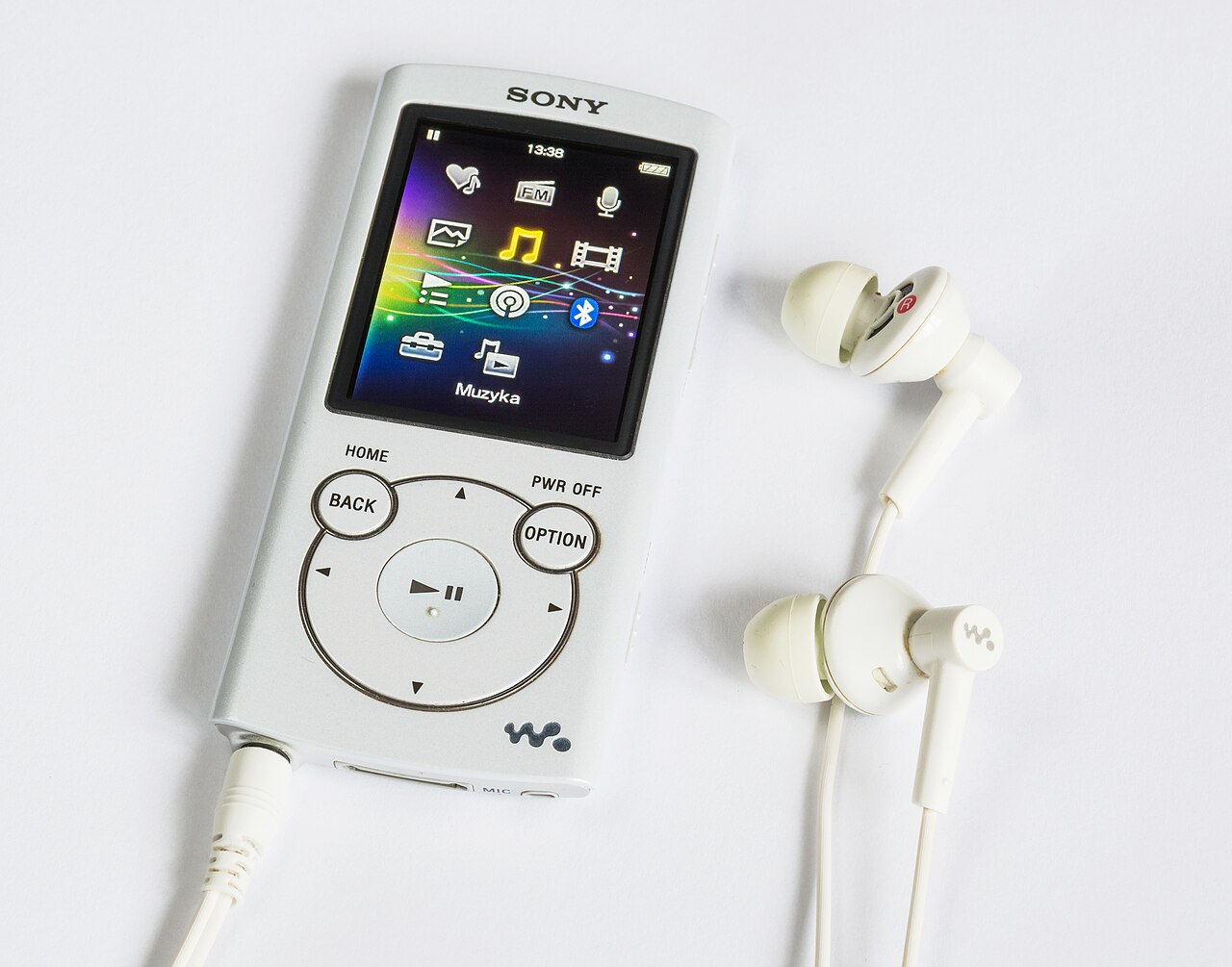
Part of the magic was how physical it all felt. You carried your tapes in a case, flipped them at the halfway point, rewound to catch a verse again, and eventually wore the ribbon so thin the high end started to warble. That tactile relationship — the same one that made the Sony Walkman and the boombox such enduring symbols of the era — turned a mixtape into a possession, not just a file.
The Slow Fade of the Tape
Nothing this analog survives a format change unscathed. As the 90s closed out, the compact disc took over, and the mixtape jumped to CD-R — cheaper to burn, cleaner-sounding, and easier to pack with even more exclusives. The energy of the culture didn’t die; it just migrated. By the early 2000s, a rapper named 50 Cent would take the CD mixtape model and turn it into a full-blown career launch, proving the underground blueprint still worked at scale. Not long after that, the whole thing went digital, and “mixtape” came to mean a free download rather than a physical object you could hold.
What got left behind was the ritual — the smudged ink, the rewind, the specific hiss of a third-generation dub. The cassette mixtape was never a perfect format. It was noisy, fragile, and technically illegal half the time. But it was fast and it was human, and for one incredible decade it moved the culture faster than any record label ever could.
Why the Cassette Mixtape Still Matters
Every algorithm-driven playlist and “discovered on” credit today is chasing something the mixtape already had: a trusted human curator with a great ear and no gatekeepers. The Golden Age didn’t need servers or streaming deals to break an artist. It needed two turntables, a dual-cassette deck, a stack of blanks, and a DJ willing to stay up until 3 a.m. capturing lightning. The albums that defined the decade get the retrospectives, but the tapes are what put them in your hands first. If you want to hear how the era actually sounded to the people living it, revisit the debut albums that defined the Golden Age — then imagine hearing those verses months early, off a hissy cassette, before anyone told you they mattered.
Feeling the itch to hear that analog warmth again? Vintage cassette decks and portable players still turn up in great shape, and blank tapes never fully went away. You can dig into portable cassette players and Walkman-style decks if you want to rebuild the ritual — and yes, there are still folks selling 90s hip-hop cassettes for the true believers.
The Golden Age of hip-hop lives in a lot of places now — in the samples that built its beats, in the videos that beamed it into living rooms, and in the fashion that redressed a generation. But it started, for millions of fans, with a plastic shell, a photocopied cover, and the reckless thrill of hearing something before anyone else. Long live the tape.
Sources
- Wikipedia — Mixtape
- Wikipedia — The Stretch Armstrong and Bobbito Show
- NPR — Music & Culture
- Rolling Stone
The Retro Almanac
A monthly roundup of "on this day" highlights from that month, decades back — plus first dibs on new retro merch drops. No spam, just the good stuff.