1994: The Twelve Months That Rewrote Rap Forever
Every music fan has an argument they’ll never lose, and for anyone who came up in the Golden Age of hip-hop (1990–1999), it’s this one: nothing beats 1994. Not close. In a span of about twelve months, a New York teenager, a Brooklyn ex-hustler, and two kids from Atlanta each dropped a debut album that would still be taught, sampled, and argued about three decades later. If you were dubbing cassettes off the radio or waiting on a Columbia House shipment that year, you didn’t know you were living through a peak. You just knew every other week something landed that felt bigger than the last.
Plenty of years in the 90s were great. Only one was impossible. Here’s why 1994 still stands, undefeated, as the single greatest run in rap history.
The Album That Started the Whole Argument
On April 19, 1994, a 20-year-old from the Queensbridge projects named Nasir Jones released Illmatic. Ten tracks. Thirty-nine minutes. No filler, no skits padding out a track list, no radio bait. Just a kid describing his block with the precision of a novelist and the ear of a jazz musician.
The Retro Almanac
A monthly roundup of "on this day" highlights from that month, decades back — plus first dibs on new retro merch drops. No spam, just the good stuff.
What made Illmatic detonate wasn’t just Nas. It was the production line-up, which read like a fantasy draft: DJ Premier, Pete Rock, Q-Tip, Large Professor, and L.E.S. Nobody had assembled a bench like that for a debut before. “N.Y. State of Mind” and “The World Is Yours” didn’t sound like songs so much as street-level documentary. Critics handed it the rare five-mic rating in The Source, and for a generation of writers and rappers, it quietly became the measuring stick every future debut would be held against.
Here’s the wild part: it wasn’t even the year’s biggest seller. That’s how deep 1994 went.
Brooklyn’s Answer Arrives in September
Five months after Illmatic, on September 13, 1994, Christopher Wallace — the Notorious B.I.G. — dropped Ready to Die on Sean “Puffy” Combs’ brand-new Bad Boy label. If Illmatic was a poet’s diary, Ready to Die was a blockbuster: cinematic, funny, terrifying, and impossibly catchy all at once.
Biggie could do the menacing crime narrative of “Gimme the Loot” and then turn around and make “Juicy,” a rags-to-riches anthem so warm it still gets played at weddings. That range is what pulled hip-hop back toward New York after years of West Coast dominance, and it made Bad Boy the label everyone chased. The record didn’t just sell — it rewired what a rap star could be: dangerous and radio-friendly in the same breath.
“It was all a dream / I used to read Word Up! magazine.” Two lines into “Juicy,” and every kid who’d ever taped a poster to a bedroom wall was hooked.
Then the South Kicked the Door In
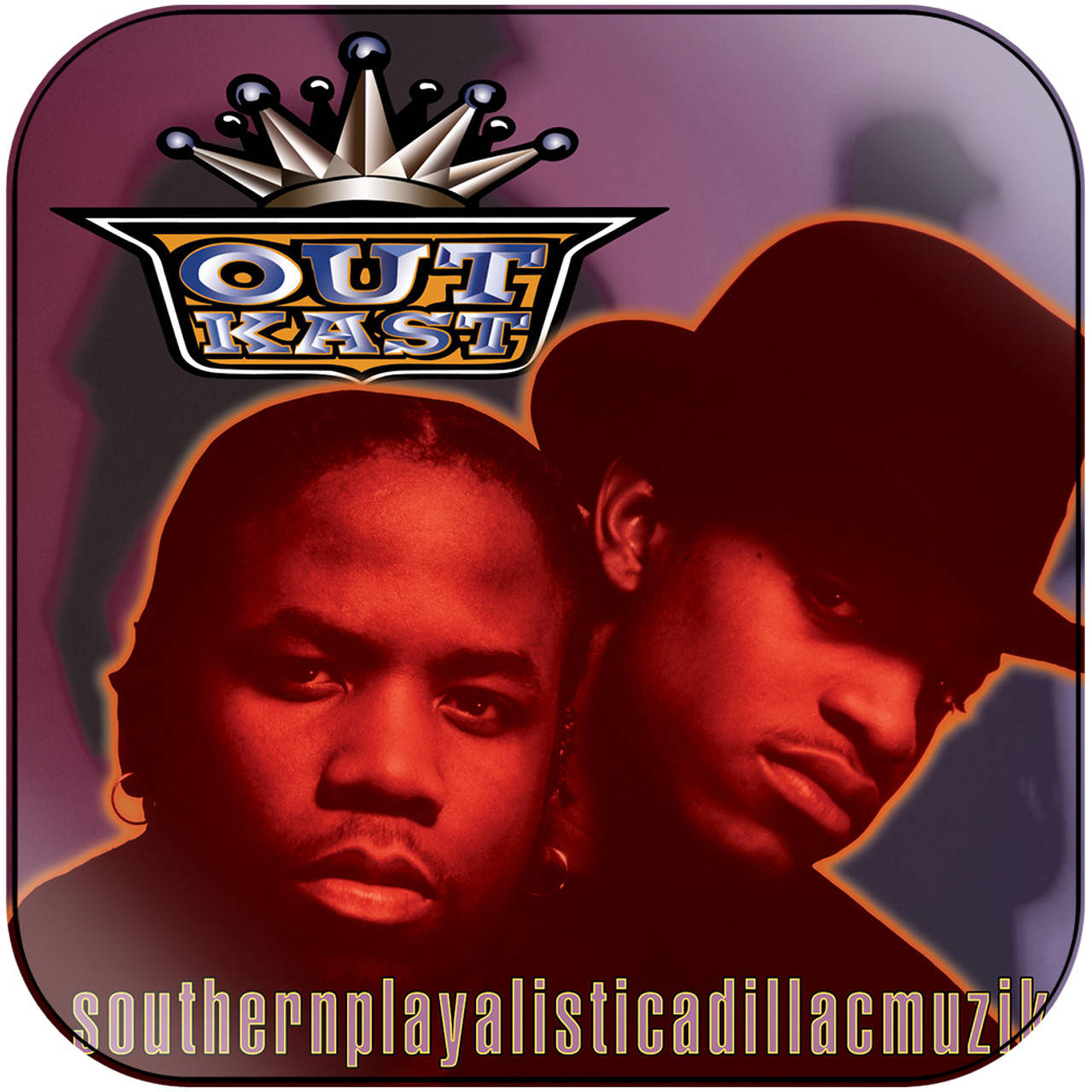
While New York was busy reclaiming its crown, two 19-year-olds from Atlanta quietly changed the map forever. On April 26, 1994 — one week after Illmatic — André Benjamin and Antwan Patton, better known as OutKast, released Southernplayalisticadillacmuzik.
At the time, the coasts treated the South as a punchline. OutKast’s debut, built on the slow funk of Organized Noize, was the first serious argument that Atlanta belonged in the conversation. The single “Player’s Ball” proved it, and when André later grabbed a mic at the 1995 Source Awards and declared “the South got something to say,” he was really just cashing the check Southernplayalisticadillacmuzik had written in 1994. Everything Atlanta became over the next 25 years traces back to this record.
The Wu-Tang Aftershock
Wu-Tang Clan had detonated in late 1993 with Enter the Wu-Tang (36 Chambers), but their master plan — a swarm of solo albums under one banner — hit its first payoff in 1994. Method Man’s Tical arrived that November, the first solo record from the nine-man army, and it turned the group’s most charismatic member into a bona fide star. RZA’s murky, kung-fu-sampled production sounded like nothing else on the radio.
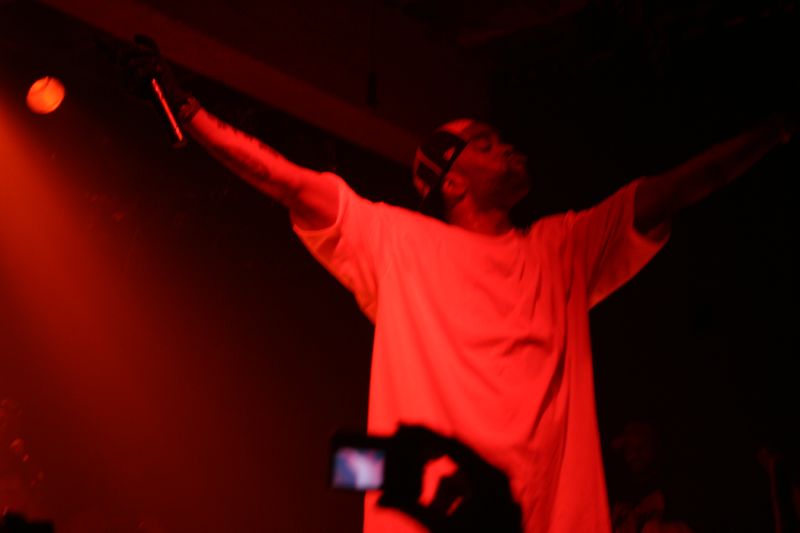
That same fall, Method Man’s duet with Mary J. Blige on “I’ll Be There for You/You’re All I Need to Get By” would go on to win a Grammy — proof that the grimiest crew in rap could also make a love song your mom liked. The Wu blueprint of 1994 became the template every rap collective copied for the next decade.
The Deep Cuts That Would Headline Any Other Year
Here’s the real test of a legendary year: the records that weren’t the headliners. In 1994, the second tier was stacked enough to define entire careers elsewhere.
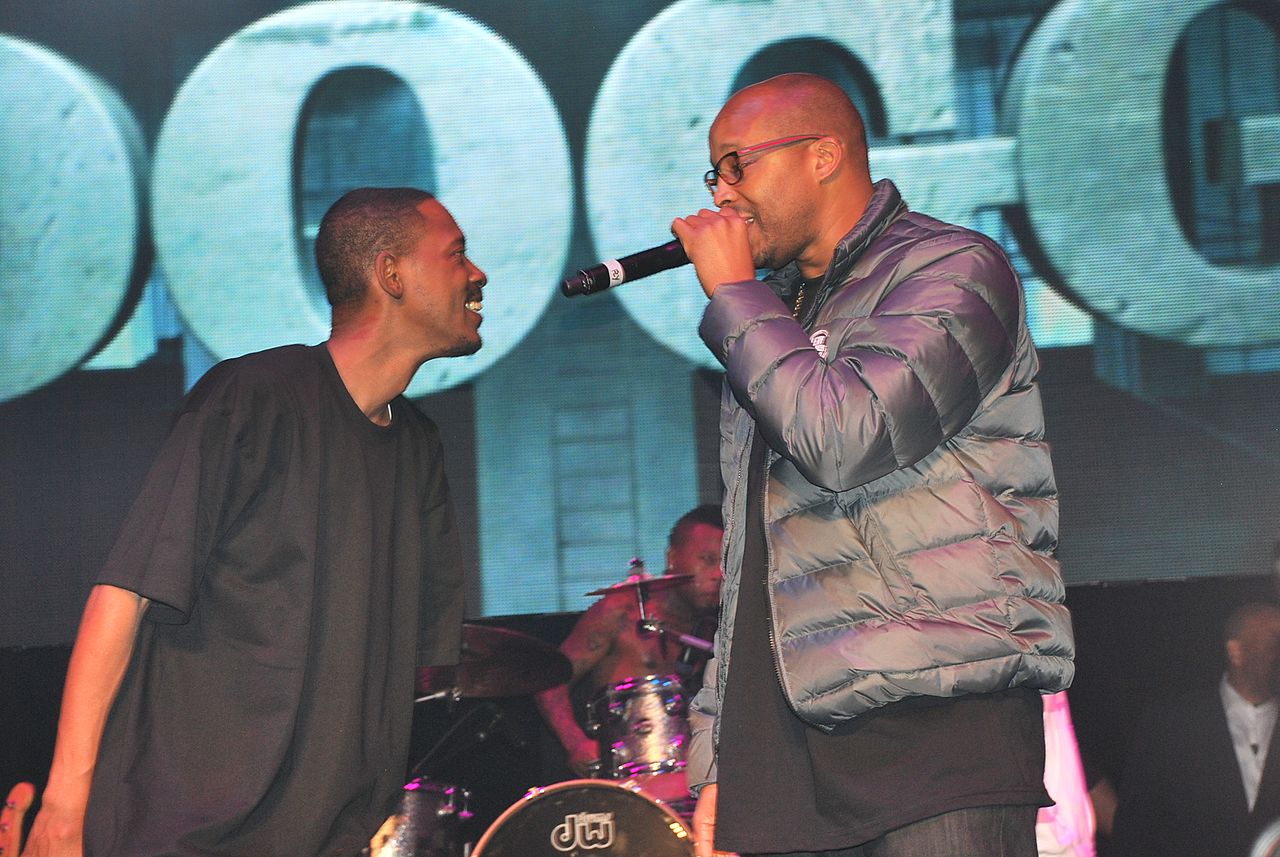
- Warren G & Nate Dogg — “Regulate”: The G-funk anthem of the summer, gliding on a Michael McDonald sample. It kept the West Coast firmly in the fight.
- Common — Resurrection: A Chicago classic anchored by “I Used to Love H.E.R.,” a song that turned hip-hop itself into a heartbroken love story.
- Gang Starr — Hard to Earn: Guru and DJ Premier at their gritty, jazz-loop peak.
- The Roots — Do You Want More?!!!??!: A live band making rap, recorded in 1994 — heresy that became a movement.
- Scarface — The Diary: Houston’s finest delivering some of the most vivid storytelling of the decade.
Any one of these would be the crown jewel of a lesser year. In 1994 they were the undercard.
Why It All Landed at Once
Great years don’t happen by accident. By 1994, a handful of forces had lined up perfectly. The sampler had matured, so producers like Premier and RZA could build dense, layered beds of sound cheaply and fast. Yo! MTV Raps and college radio had spent five years training a national audience to care about lyrics and regional styles. And the major labels, finally convinced rap wasn’t a fad, were writing real budgets — which is how a debut like Illmatic could afford five superstar producers.

There was also a generational handoff happening. The pioneers of old-school and the boom-bap wave of the late 80s had built the vocabulary. The class of 1994 — most of them teenagers or barely out of them — grew up fluent in it and pushed it somewhere new. They weren’t inventing hip-hop. They were the first generation to inherit it as a birthright and treat the album as high art.
The Long Shadow of One Year
The tragedy folded into the triumph is impossible to ignore. Within three years, both Biggie and, on the other coast, Tupac Shakur — whose own peak was just ahead — would be gone, casualties of a rivalry that the very success of 1994 helped inflame. The year that made hip-hop immortal also set the stage for its darkest chapter.

But the music never dimmed. Illmatic gets performed with full orchestras now. Ready to Die sits in the Library of Congress conversation. OutKast went on to sell diamond and headline festivals. Ask any producer, rapper, or critic to name the greatest year in hip-hop, and the honest ones don’t hesitate. For anyone who lived it — cassette deck running, finger on the record button — 1994 wasn’t just a great year for rap. It was the year rap grew up, and it never looked back.
Sources
- Wikipedia — Illmatic (Nas)
- Wikipedia — Ready to Die (The Notorious B.I.G.)
- Wikipedia — Southernplayalisticadillacmuzik (OutKast)
- Wikipedia — Tical (Method Man)
- Rolling Stone
Browse retro and vintage-inspired apparel at the RetroRadical shop →
The Retro Almanac
A monthly roundup of "on this day" highlights from that month, decades back — plus first dibs on new retro merch drops. No spam, just the good stuff.