80s Arcade Games: Retro Video Game Culture That Defined Us
The 1980s didn’t just give us big hair and neon fashion – it created the video game culture that still influences entertainment today. From the iconic bleeps and bloops of arcade classics to the revolutionary home consoles that changed everything, the decade shaped how we think about gaming, competition, and digital entertainment.

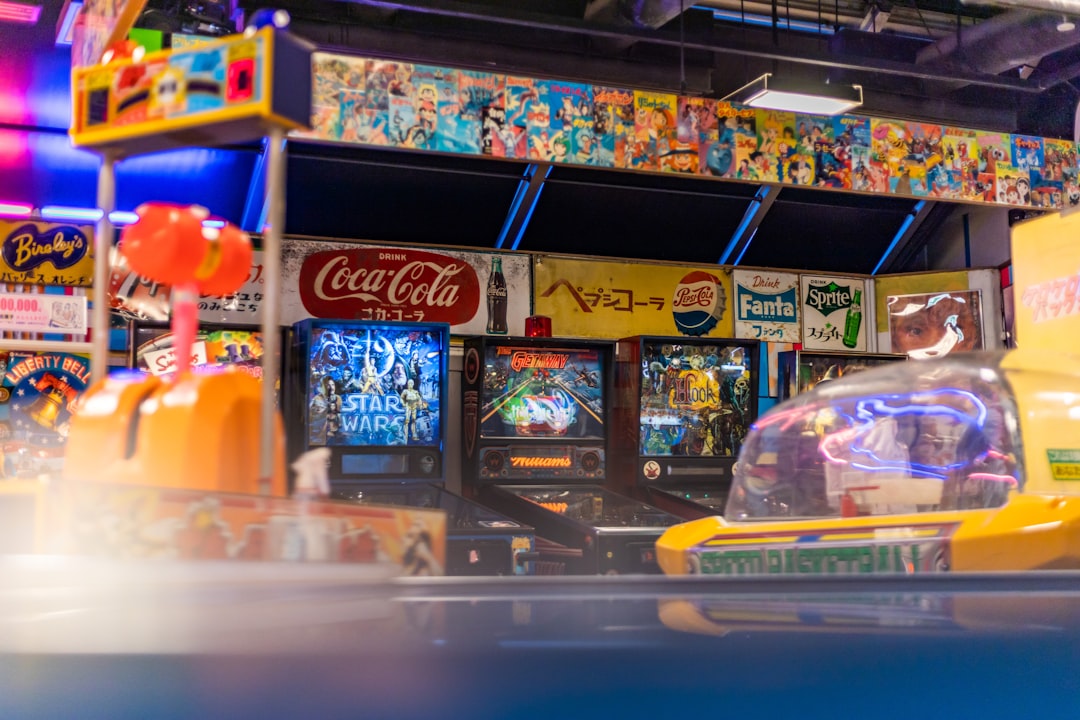
The vibrant colors and atmosphere of 80s arcade culture that captivated a generation
The 80s video game revolution started in the arcades, but it was the home console wars that really changed everything. When Nintendo launched the NES in 1985, they weren’t just selling a gaming system – they were creating a cultural phenomenon that would define childhood for millions. This transformation parallels the broader 80s fashion trends making a comeback that we see influencing modern culture today.
## The Arcade Scene: Where Legends Were Born
Before gaming moved into living rooms, it thrived in the neon-lit world of arcades. These weren’t just places to play games; they were social hubs where friendships formed over shared quarters and high scores became badges of honor. The atmosphere of these venues was perfectly captured in the retro aesthetic that defined classic 80s movies that still hold up today.

Classic arcade setups that transported players to digital worlds
Pac-Man fever hit hard in 1980, creating the first truly mainstream video game character. Lines formed around arcade cabinets as players chased ghosts through mazes, and the distinctive “waka-waka” sound became as recognizable as any pop song. The game generated over $1 billion in quarters during its first year alone, making it more profitable than many Hollywood blockbusters.
Donkey Kong introduced us to a certain plumber named Mario in 1981, while Galaga perfected the space shooter formula that kept players pumping in quarters. These games weren’t just entertainment – they were tests of skill, endurance, and strategy that created a new form of competition. The social dynamics around these machines created the foundation for modern esports culture.
## The Console Revolution Changes Everything
The real game-changer came when Nintendo brought arcade-quality gaming into American homes. The Nintendo Entertainment System didn’t just revive the crashed video game market – it established gaming as a legitimate form of home entertainment. According to Nintendo’s gaming history, the NES saved the American video game industry after the devastating 1983 crash that nearly killed console gaming entirely.

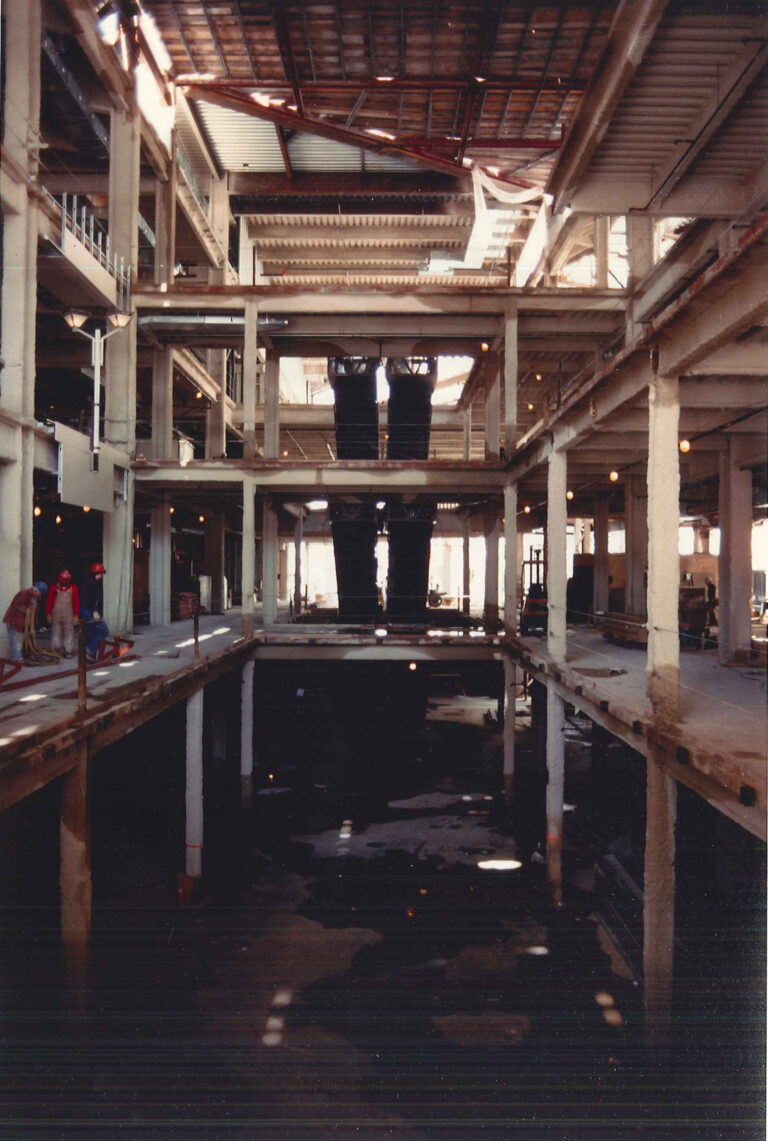
When gaming culture became so embedded that it appeared in everyday architecture
Super Mario Bros. became the killer app that proved home gaming could deliver experiences rival to arcades. The game’s precise controls, memorable music, and imaginative level design set the template for platform games that developers still follow today. Princess Peach became gaming’s first damsel in distress, while Mario became more recognizable to children than Mickey Mouse.
The Legend of Zelda introduced adventure gaming to consoles, complete with a battery save system that let players continue their quests across multiple sessions. For the first time, home games could offer experiences longer and more complex than what quarters could buy in arcades. This innovation fundamentally changed how people thought about video games as a medium.
## More Than Games: A Cultural Shift
By the mid-80s, video games had evolved beyond simple entertainment into a genuine cultural force. Saturday morning cartoons featured shows based on Pac-Man and Super Mario. Kids traded Nintendo Power magazines like baseball cards, memorizing cheat codes and strategies. The cultural influence of Nintendo Power magazine cannot be overstated – it created a national conversation around gaming strategies and built communities around shared experiences.

When video game characters became part of street art and pop culture
The competitive aspect of gaming reached new heights with games like Track & Field and Street Fighter. High score competitions became serious business, with players practicing for hours to achieve arcade immortality. The concept of “gaming” as a hobby – not just occasional fun – was born. Local arcade champions became neighborhood celebrities, and their techniques were studied and emulated.
Home console gaming also changed family dynamics dramatically. Parents found themselves learning controller layouts to play with their kids, while siblings battled over screen time and save files. Gaming became a shared experience that brought families together around the TV, creating new forms of bonding and interaction that hadn’t existed in previous generations.
## The Technology That Made It Possible
80s gaming pushed technological boundaries in ways that seem quaint today but were revolutionary then. The 8-bit processor in the NES could display 52 colors simultaneously and handle sprites that arcade games couldn’t match just years earlier. This represented a massive leap forward in home entertainment technology that made sophisticated gaming experiences accessible to average families.

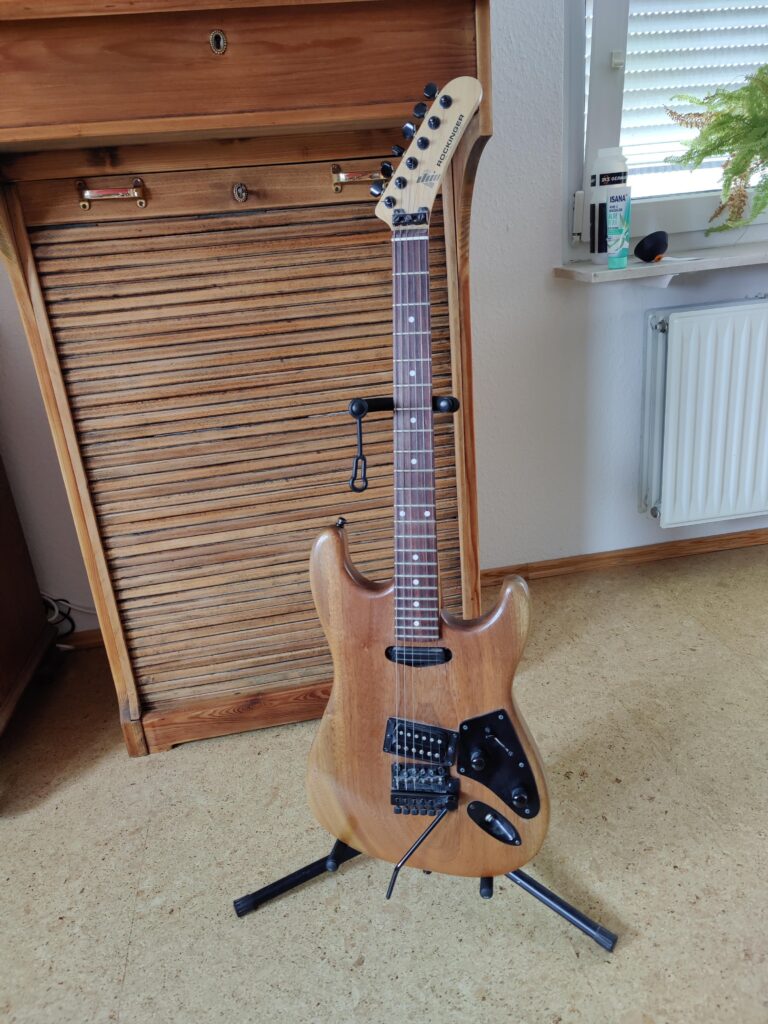
The tactile interface design that made 80s gaming so satisfying
Cartridge-based games eliminated loading times and created the “plug and play” experience that made home gaming accessible to everyone. No technical knowledge required – just blow on the cartridge if it doesn’t work, a ritual that became as much a part of gaming as the games themselves. This simplicity was crucial in making gaming mainstream and removing technical barriers to entry.
Sound design reached new heights with composers like Koji Kondo creating memorable melodies that players would hum long after powering down. The limited audio channels of 8-bit systems forced composers to be incredibly creative, resulting in some of the most recognizable music in entertainment history. These constraints led to innovations that influenced music production far beyond gaming.
## Building Gaming Communities
The 80s established gaming as a social activity in ways that persist today. Arcade high score lists created the first leaderboards, while Nintendo Power magazine created a national conversation around tips, tricks, and strategies. Local gaming communities formed around shared interests and competitive spirit that transcended age, social class, and geographic boundaries.

Gaming imagery became part of visual culture and public art
Local tournaments emerged at arcades, shopping malls, and even schools. Kids would bring their own controllers to friends’ houses, and sleepovers centered around marathon gaming sessions. The concept of “gaming buddies” – friendships built primarily around shared digital experiences – became a legitimate social category that predated modern online gaming communities.
Game stores became gathering places where players traded cartridges, shared strategies, and discovered new titles. The ritual of browsing game aisles, reading box art, and debating purchases with friends created a physical culture around digital entertainment that built lasting social connections and shaped retail experiences for decades.
## The Music and Sound Revolution
Video game music in the 80s transcended mere background noise to become an art form. Composers working within severe technical limitations created themes that remain instantly recognizable decades later. The constraints of early sound chips paradoxically led to some of the most creative and memorable compositions in entertainment history.

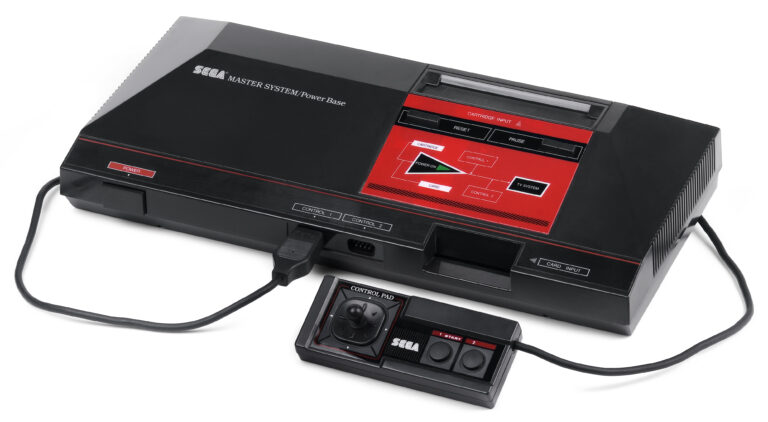
Home gaming systems brought the arcade experience to family living rooms
The Super Mario Bros. theme became as culturally significant as any pop song, while games like Mega Man and Castlevania proved that 8-bit soundchips could deliver genuinely emotional musical experiences. These compositions influenced electronic music and continue inspiring modern artists across multiple genres, from chiptune to contemporary orchestral arrangements.
Sound effects became equally iconic – from Mario’s jump sound to Pac-Man’s power pellet chomp. These audio cues created immediate emotional responses that game designers still study and replicate today. The psychological impact of these sounds helped create the addictive quality that made games so compelling and memorable.
## Legacy That Shaped Modern Gaming
The cultural foundations laid in the 80s still influence how we approach gaming today. The concept of “Nintendo Hard” – games that challenged players with genuine difficulty – established expectations for skill-based entertainment that continue in modern indie gaming. This philosophy created a generation of gamers who valued challenge and mastery over instant gratification.
Character-driven franchises, world-building through gameplay rather than cutscenes, and the idea that games could tell meaningful stories all emerged from 80s innovation. Modern gaming’s emphasis on community, competition, and shared experiences traces directly back to the arcade culture and home console revolution of the Reagan era.
The 80s proved that video games weren’t just toys or fads – they were a new medium capable of creating art, building communities, and defining generational experiences. That legacy continues every time someone picks up a controller today, whether they’re playing the latest AAA release or revisiting classic titles that defined the medium.
[youtube]https://www.youtube.com/watch?v=NmCCQxVBfyM[/youtube]
The retro gaming culture of the 1980s created more than entertainment – it established gaming as a legitimate cultural force that continues shaping how we play, compete, and connect with each other through digital experiences. From the social dynamics of arcade culture to the technological innovations that made home gaming possible, the decade created templates that the gaming industry still follows today. Understanding this foundation helps us appreciate not just where gaming came from, but where it’s heading as it continues to evolve and influence popular culture worldwide. The influence of 80s gaming culture remains visible in modern game design, community building, and the very concept of interactive entertainment as a mainstream cultural phenomenon.