Best 80s Movies That Still Hold Up Today
The 80s had Hollywood firing on every cylinder — a stretch when blockbusters cost a fraction of what they cost today and writers were trusted to swing for the fences. The decade booked around $14 billion at the domestic box office across nearly 4,000 releases, and a stubborn handful of those films have refused to age out of the conversation. They still get rewatched, ranked, quoted, and ripped off by anyone with a streaming subscription. The best 80s movies that still hold up are not propped up by nostalgia alone — they earned their second life by doing something the modern blockbuster machine almost never replicates: telling a tight story with characters you actually want to spend two hours with.
Eight titles below. No filler. No “well, it’s a classic so it counts.” Each one passes the test that matters most — pop it on for a 16-year-old in 2026 and watch them actually pay attention.
The Retro Almanac
A monthly roundup of "on this day" highlights from that month, decades back — plus first dibs on new retro merch drops. No spam, just the good stuff.
Back to the Future (1985) — The Perfect 80s Blockbuster
Robert Zemeckis built Back to the Future like a clockmaker. Every gag in the first thirty minutes — the broken plug, the matching photographs, the “Calvin Klein” underwear bit, the "Why don’t you make like a tree" line — pays off later in the runtime. That obsession with structure is why the screenplay still gets taught at UCLA and AFI as the cleanest example of setup-and-payoff in modern film.
The numbers are absurd. The movie opened on July 3, 1985, made $381 million worldwide on a $19 million budget, and parked itself at #1 for eleven straight weeks. Michael J. Fox shot it at night while filming Family Ties during the day for three solid months — a brutal schedule that nobody on the crew thought he would survive.
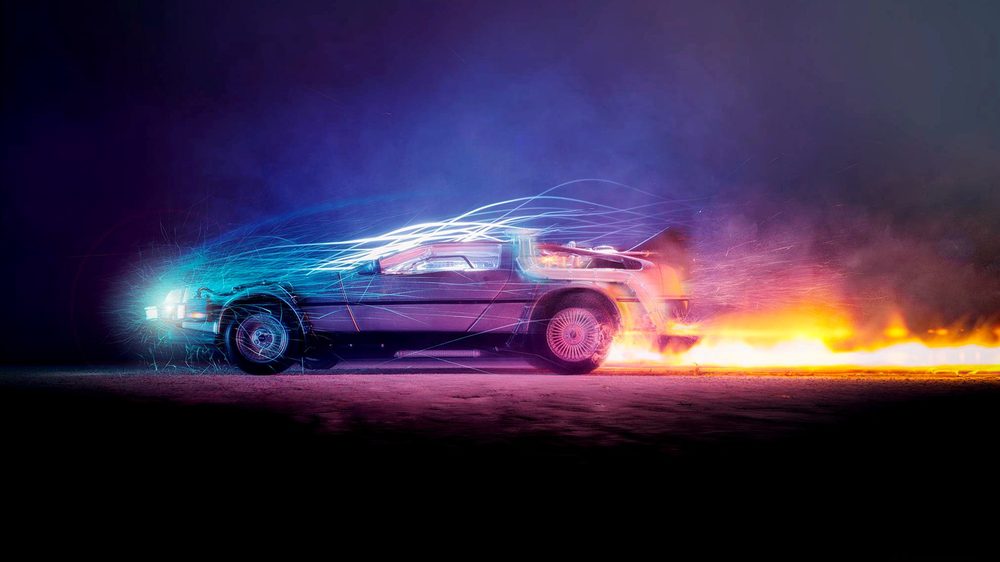
Why it ages well comes down to one decision. Zemeckis and Bob Gale set the past in 1955, not in some recent yesterday, so the jokes are always about how strange another era looked from the outside. That setup hits the same in 2026 as it did in 1985 — the runner about a Black mayor in Hill Valley, the Pepsi Free order, the "Reagan? The actor?" line. The DeLorean still rules, Huey Lewis still slaps, and Doc Brown remains the best mad scientist in film. If you want more on the era’s blockbuster engine, the Spielberg machine behind E.T. ran the same way.
Die Hard (1988) — The Action Movie Reset Button
Before John McTiernan dropped Die Hard into theaters on July 15, 1988, action movies meant Stallone or Schwarzenegger flexing through a third-world warzone with a belt of ammo and zero dialogue. Then Bruce Willis showed up in a dirty white tank top, bleeding through his feet, cracking wise into a CB radio — and the entire genre flipped overnight.
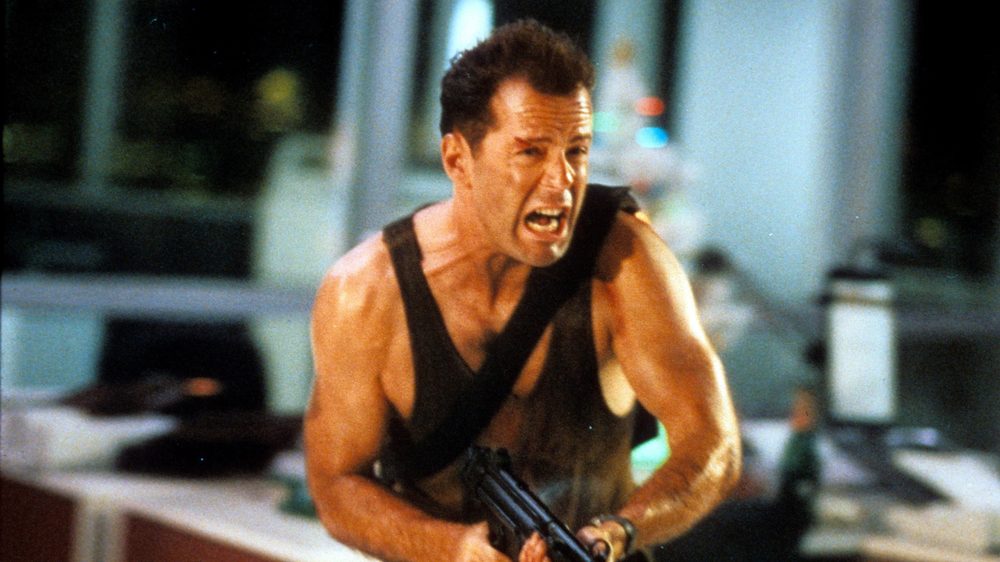
The Nakatomi Plaza script started life as a vehicle for Frank Sinatra, who held the rights to the source novel and turned the role down at 73. It eventually landed with Willis, who at the time was best known as a TV detective on Moonlighting. Alan Rickman, in his first film role, played Hans Gruber so well that every action villain since has tried to copy that exact velvet menace. The Christmas-movie debate is settled — yes, it’s a Christmas movie — but the deeper reason Die Hard endures is structural. Every sequel and rip-off pitched as "Die Hard on a [insert vehicle]" proved the formula is the most reliable engine in action cinema. Speed is just Die Hard with a transit pass.
Ghostbusters (1984) — Comedy That Aged Like Wine
Dan Aykroyd’s original Ghostbusters script was a cosmic war movie with three teams of paranormal investigators traveling through time and other dimensions. The budget came in at around $300 million — in 1984 dollars, when a typical studio film cost $14 million. Ivan Reitman called the whole thing back down to earth, Harold Ramis rewrote it into a working-class New York comedy, and the rest became the second-highest grossing film of 1984.
The movie’s secret weapon is restraint. The supernatural stuff gets treated like a plumbing job. Pete Venkman is just a guy at the office, even when the office is an abandoned firehouse and the boss is a Sumerian god named Gozer. Bill Murray ad-libbed most of his best lines, including the entire "Back off, man, I’m a scientist" delivery, because Ramis trusted him completely.
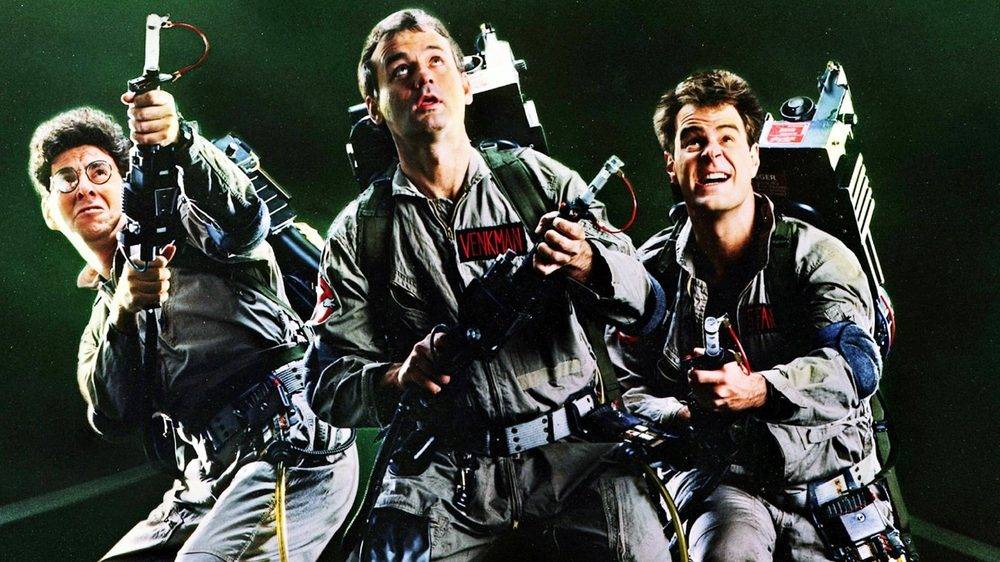
That dialogue still kills four decades later. The ECTO-1, Slimer, the Stay Puft Marshmallow Man, the proton pack design — all of it is so visually specific that the 2024 sequel Frozen Empire still had to bend itself around the original’s design language. There’s a reason kids who weren’t alive for the 80s still know what crossing the streams means. For more on how that decade’s pop-culture grammar got built, check the arcade scene that shaped 80s kids.

Blade Runner (1982) — Sci-Fi the Genre Hasn’t Caught Up To Yet
Ridley Scott’s Blade Runner bombed in theaters. Released on June 25, 1982, it grossed roughly $33 million worldwide against a $28 million budget and got buried by E.T., which had opened two weeks earlier and ate every dollar in the market. Roger Ebert gave it three stars at the time, then revisited the film years later to upgrade it and call it one of his all-time favorites.
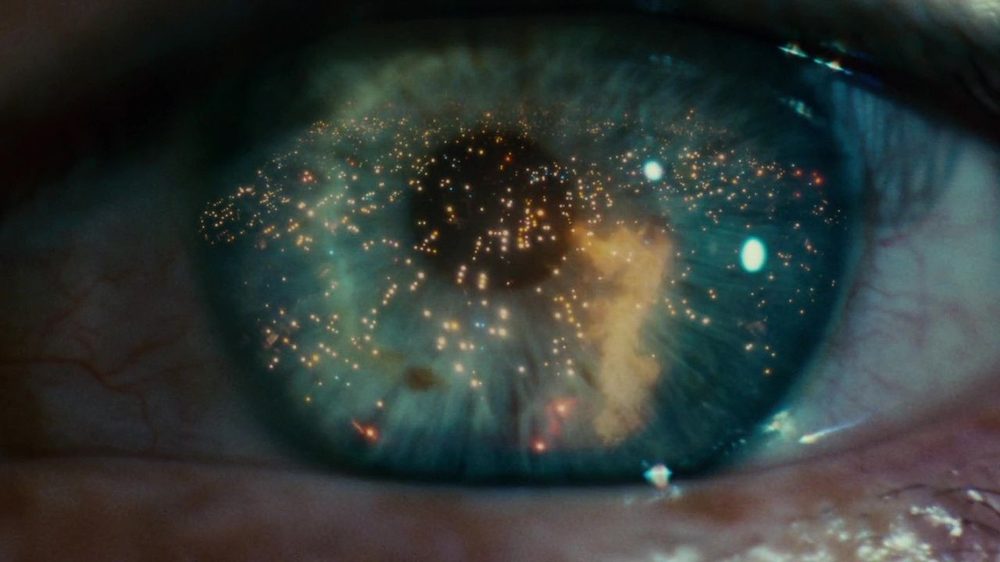
That slow-burn rehabilitation is the most important story in 80s cinema. A movie can flop at the box office and still reshape the next four decades of visual culture. Every cyberpunk anime, every dystopian video game (yes, Cyberpunk 2077, we see you), every prestige sci-fi series on Apple TV+ owes Blade Runner a royalty check. Syd Mead’s production design — rain, neon, advertising blimps, retrofitted Los Angeles streets — quietly became the default look of "the future" in everything from Akira to The Matrix. Speaking of which, the bloodline runs straight through — see how The Matrix reshaped cinema in 1999.
One viewing note: the original 1982 theatrical cut had a Harrison Ford voiceover the studio forced in because executives panicked about test audiences. The Final Cut, which Scott finally got to make in 2007, is the definitive version. Watch that one. The narration cut is a museum piece.
The Princess Bride (1987) — Quotable Forever
Rob Reiner and screenwriter William Goldman had a problem in 1987. The Princess Bride is a fairy tale that openly makes fun of fairy tales, and audiences that summer didn’t know what to do with a movie that earnest about romance and that smartass about every cliché in the genre. It made $30 million on a $16 million budget. Modest. Forgettable. The studio shrugged and moved on.
Then VHS happened. Then cable happened. Then quoting Inigo Montoya became a millennial bonding ritual. Goldman, who wrote both the novel and the screenplay, called it the favorite of all the films he was involved with — and he wrote Butch Cassidy and Marathon Man.
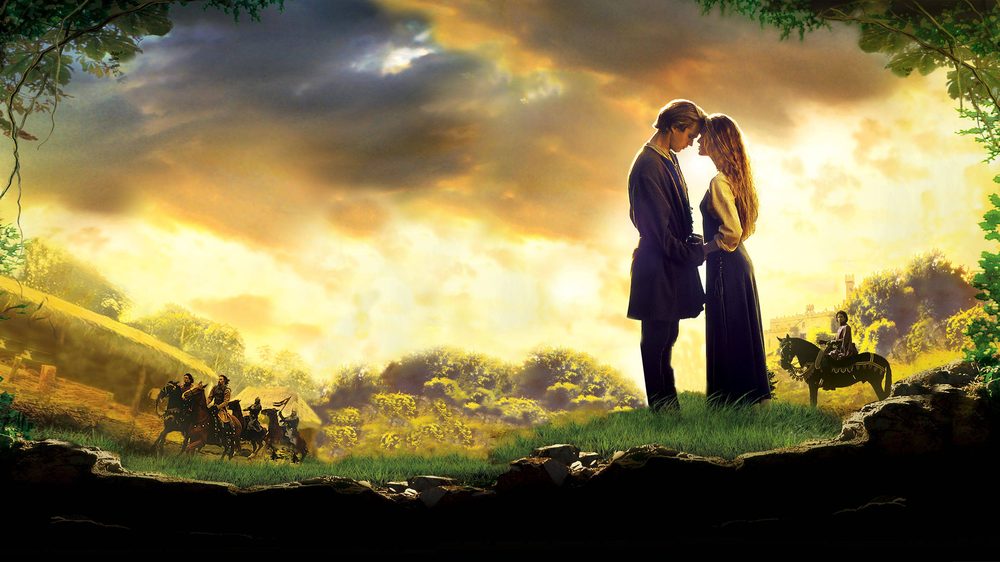
Cary Elwes did all his own swordfighting. André the Giant, terrified of water, learned to swim for the Cliffs of Insanity sequence. Mandy Patinkin spent a year practicing his left-handed fencing. The movie hits exactly two emotional registers — sincere and snarky — and never drops either one. That tightrope walk is the trick most romantic comedies have failed to replicate ever since. Inconceivable.
Aliens (1986) — How to Make a Sequel That Beats the Original
James Cameron took over from Ridley Scott on the second Alien film and made a single inspired decision: change the genre entirely. The original Alien (1979) was a haunted-house movie set in deep space. Aliens (1986) is Vietnam. Hardened space Marines, a hostile colony planet, a corporate empire that thinks it can swagger through a recon mission with bad intel and a few clips of ammo.
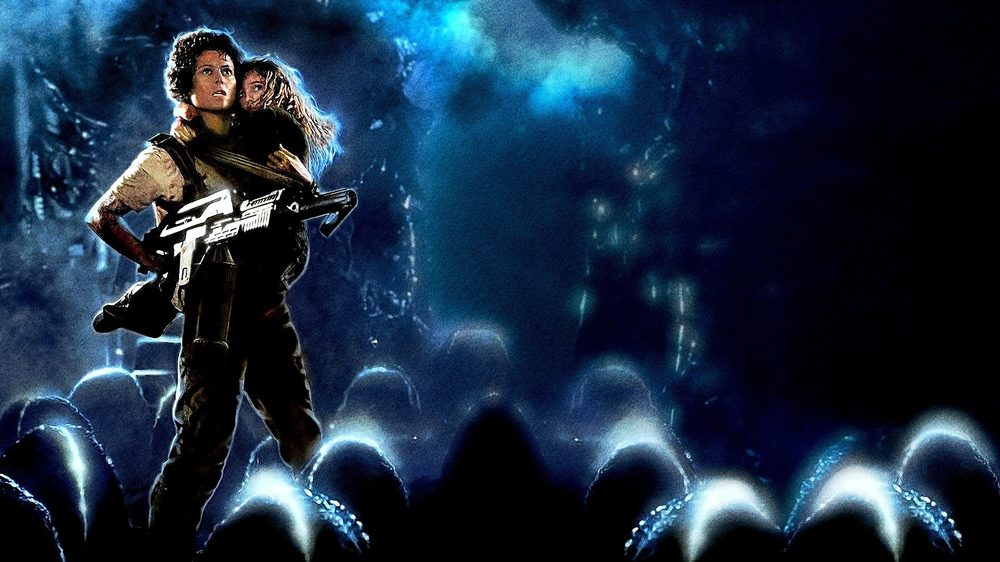
The result grossed $185 million worldwide and earned Sigourney Weaver an Oscar nomination for Best Actress — almost unheard of for a sci-fi action film at the time. Ripley with the M41A pulse rifle is one of the all-time movie images. The third-act power loader fight with the Queen is still the gold standard for practical-effects choreography 40 years later. Cameron’s extended director’s cut adds 17 minutes — including the subplot about Ripley’s dead daughter — that makes the final showdown hit twice as hard.
Modern sequels keep trying to copy the Aliens playbook by going bigger. The point was never bigger. The point was changing the genre while keeping the characters intact.
The Breakfast Club (1985) — Why John Hughes Still Owns the Teen Movie
John Hughes shot The Breakfast Club for $1 million in a closed-down high school in Northbrook, Illinois — his own hometown. He wrote the script in two days. The five-kid bottle premise — jock, brain, princess, basket case, criminal — is so airtight that every teen movie since has been compared to it whether the filmmakers wanted that or not.
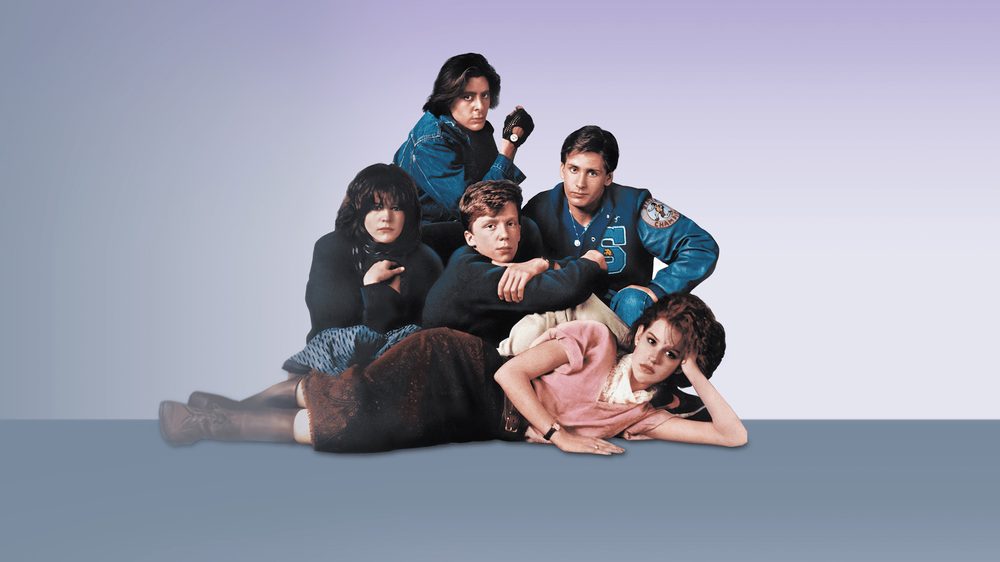
The movie opened on February 15, 1985, made $51 million domestically, and became cultural shorthand for a generation that didn’t have one before Hughes gave them one. He minted the Brat Pack in a single film. Bender’s freeze-frame fist pump at the end is one of the most-imitated closing shots in cinema. The film still cracks Letterboxd’s top-50 favorites among Gen Z viewers who have zero personal stake in 1985 Saturday detention. There’s a reason Disney+ keeps Hughes movies on permanent rotation — they’re the cleanest character studies the teen genre has ever produced.
Ferris Bueller’s Day Off (1986) — The 80s’ Best Hangout Movie
Hughes followed The Breakfast Club with the polar opposite: a single-character wish fulfillment fantasy where the hero never breaks a sweat. Ferris (Matthew Broderick) skips school, drives a Ferrari, eats at the Stock Exchange Club, sings Twist and Shout on a parade float, and gets away with all of it. The film grossed $70 million on a $5 million budget.
The Ferrari was actually three fiberglass replicas — the real 1961 250 GT California would have cost more than the entire production. Hughes used Chicago the way Woody Allen used Manhattan: every location is a love letter to a specific block. The fourth-wall breaks predicted every Marvel-era Deadpool gag by 30 years.
Here’s the take that gets people heated: Cameron is the most underrated character in 80s cinema, and the entire film is really about him, not Ferris. Ferris is the catalyst. Cameron is the arc. Watch it once for the jokes. Watch it twice for Cameron. That’s craftsmanship the modern teen comedy has lost completely.
Watch the Trailer That Started a Franchise
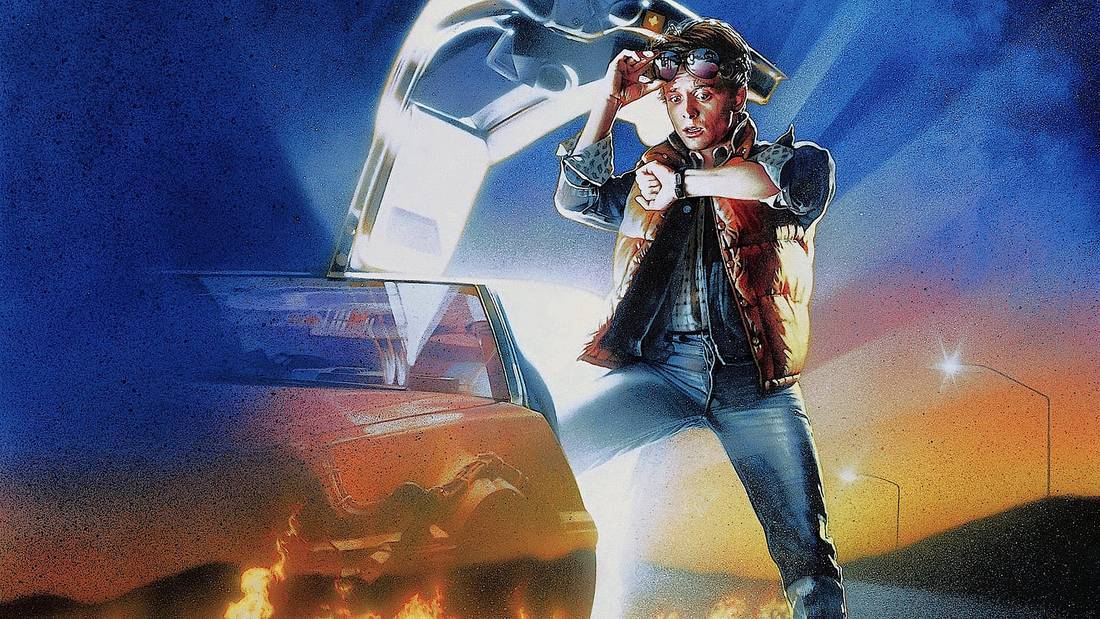
The Drew Struzan poster still hangs on dorm room walls in 2026. Here’s the original 1985 theatrical trailer, restored in HD by Rotten Tomatoes Classic Trailers:
What These 80s Movies Got Right About Endurance
There’s a pattern across every film on this list. None of them rely on CGI fireworks to carry the runtime. None of them spend a five-minute prologue explaining the world. They all start with a character with a problem, end with that problem solved, and trust the audience to keep up in between.
Modern blockbusters spend their first 20 minutes worldbuilding for the inevitable sequel. The 80s spent them making you care about the lead. Compare the box office trajectories too — a 1985 movie playing in theaters for 30+ weeks gave word-of-mouth time to do its job. Today’s average theatrical window is closer to 17 days. Endurance starts with patience, and the studio system that built these films still had it. The era that produced Back to the Future also gave us the golden age of horror for the same reason — directors got time and budget to make weird ideas work.

Where to Stream the Best 80s Movies in 2026
Streaming rights for 80s catalog films rotate constantly — what’s free on Max in January often jumps to AMC+ by June, then off-platform by September. As of mid-2026, the lineup looks roughly like this: Back to the Future is on Peacock, Die Hard is on Hulu (where it migrates every December), Ghostbusters is on Netflix, Blade Runner: The Final Cut is on Max, The Princess Bride is on Disney+, Aliens is on Hulu, The Breakfast Club sits on Peacock, and Ferris Bueller’s Day Off rotates between Paramount+ and Pluto TV.
JustWatch.com tracks the changes in real time and is the only honest answer to "where can I watch this tonight." If you want permanent ownership, the 4K Blu-ray editions of Blade Runner, Aliens, and the BTTF trilogy are the smartest home-video purchases in the catalog. Physical media is the only format that won’t disappear when a licensing contract expires — and 80s catalog licenses expire constantly. For more retro deep dives, the 1987 Frankie and Annette beach comeback is its own strange chapter of the decade.
The Final Verdict
If you only have one weekend, watch Back to the Future, Die Hard, and The Breakfast Club. That triple feature covers blockbuster craftsmanship, genre-resetting action, and the most influential teen film ever made — three flavors of why 80s Hollywood still matters. Then keep going. The 80s catalog is the rare backlog that actually pays off the more time you spend in it.
Sources
- Back to the Future Box Office — Box Office Mojo — opening weekend, theatrical run, and lifetime gross figures
- Roger Ebert: There’s Something About Blade Runner — Ebert’s revised assessment of the 1982 Ridley Scott film
- Rolling Stone: Bruce Willis Returns to Nakatomi Plaza — Die Hard anniversary coverage and casting backstory
- The Numbers: Box Office Market Data — historical comparison data for theatrical windows
- JustWatch — Streaming Availability Tracker — real-time streaming platform data for catalog films
- Blade Runner (1982) — IMDb — full cast, crew, and production budget reference
- Ghostbusters (1984) — IMDb — production history and writing credits
Browse retro and vintage-inspired apparel at the RetroRadical shop →
Shop on eBay
80s Collectibles on eBay →
We may earn a commission when you shop through our eBay links.
The Retro Almanac
A monthly roundup of "on this day" highlights from that month, decades back — plus first dibs on new retro merch drops. No spam, just the good stuff.