80s Mall Culture: When the Shopping Mall Was the Center of the Universe
Before there was social media, before texting, before any of us had a reason to stare at a screen all day, there was the mall. If you grew up in the 1980s, the local shopping mall wasn’t just a place to buy stuff. It was your social hub, your entertainment complex, your runway, your hangout, and on Friday nights, practically your entire world. For an entire generation of Gen X kids, the mall was where life happened.
The numbers back it up. By the mid-1980s, there were roughly 25,000 shopping malls across America, and they were pulling in more foot traffic than Disneyland. An estimated 94% of American adults visited a shopping mall at least once a month. The mall wasn’t some niche suburban curiosity — it was the dominant gathering place in American culture, and for teenagers especially, it was everything.
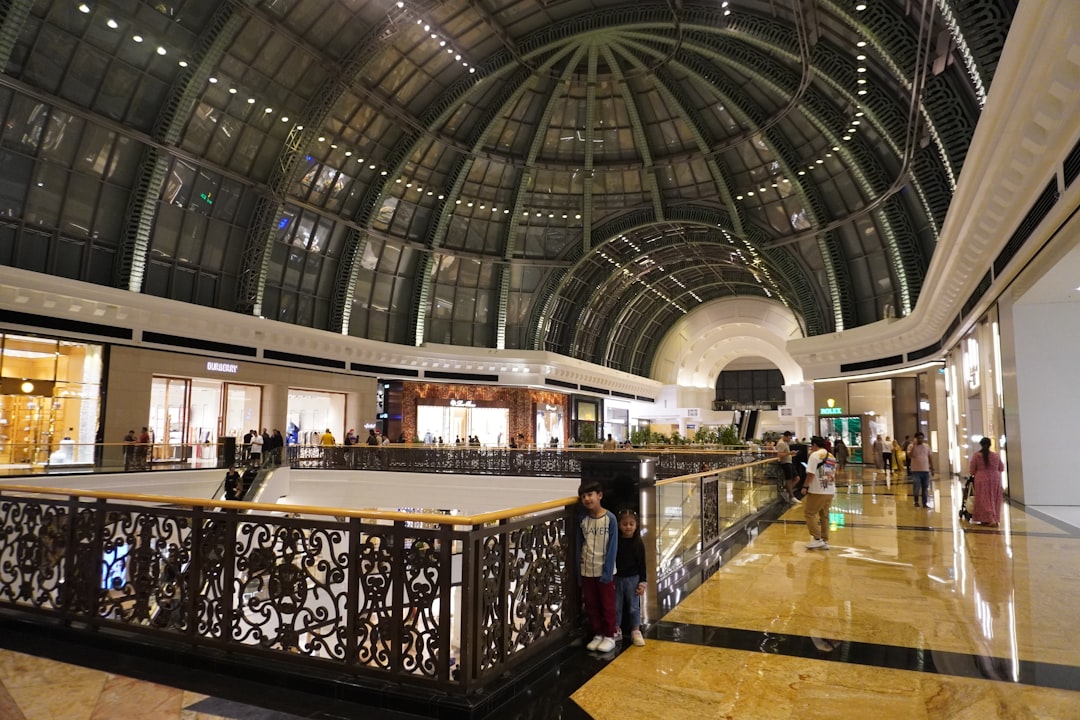
The grand atriums of 80s malls were architectural showpieces — glass ceilings, indoor fountains, and endless levels of retail paradise.
The Mall as a Teenage Social Network
Think about it. You didn’t DM your friends to make plans. You just showed up at the mall after school or on Saturday, and so did everybody else. The mall was the original algorithm — you’d bump into people from your school, kids from the next town over, maybe even that cute person from summer camp. No planning required. Just be there.
Every mall had its unofficial meeting spots. Maybe it was the fountain near the center court. Maybe it was the bench outside the Gap or the little tables near the Orange Julius. You’d claim a spot, and your crew would materialize like magic. Somebody always had a few bucks for food. Somebody else had a car. And just like that, you had your Saturday sorted.
Parents loved it too, at least in theory. “Going to the mall” was the universal answer to “Where are you going?” and it was vague enough to cover everything from genuinely shopping for school supplies to wandering around aimlessly for five hours with your friends. The beauty of the mall was that it felt safe enough for parents to drop you off, and big enough that you felt genuinely unsupervised once they drove away.
The Stores That Defined a Generation
Not all mall stores were created equal. There was a clear hierarchy, and every 80s kid knew it instinctively.
Spencer Gifts: The Forbidden Treasure Trove
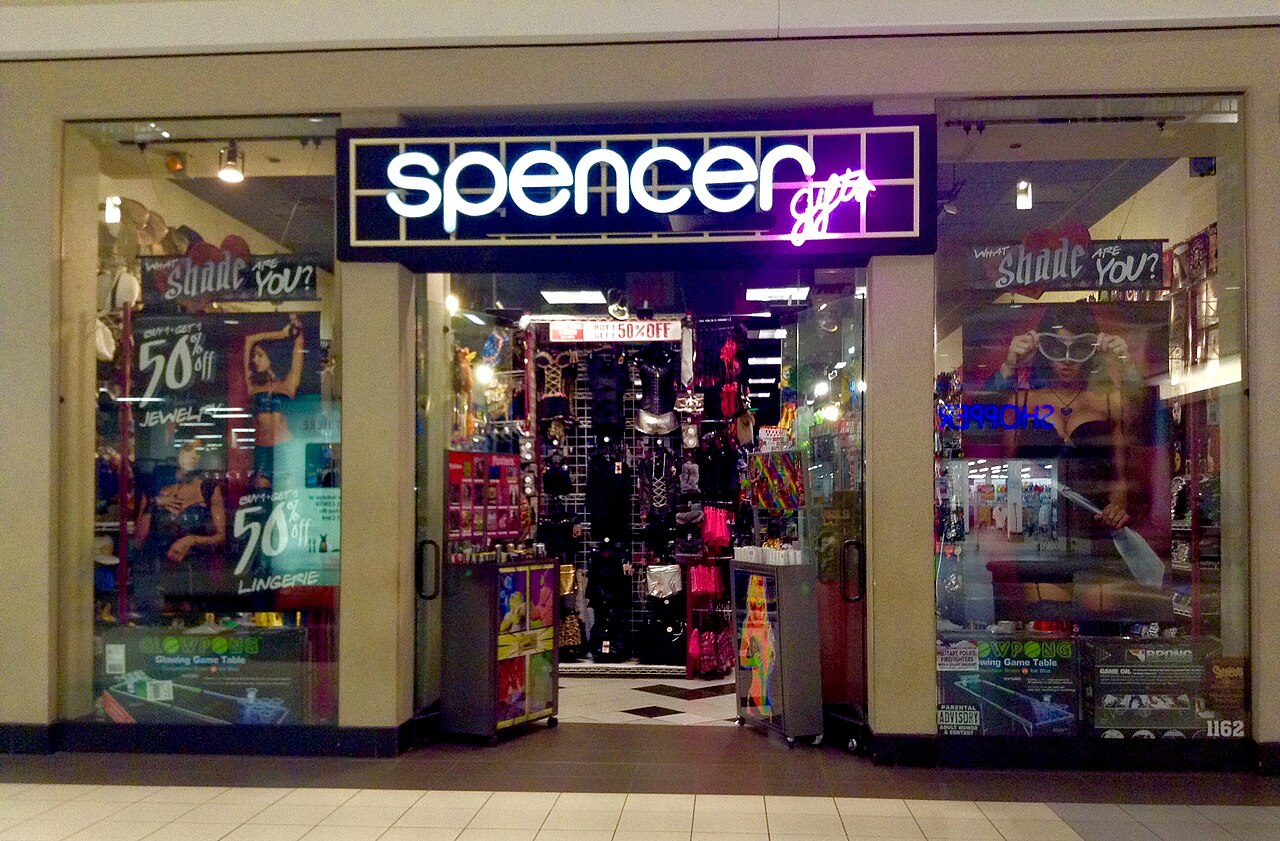
Spencer Gifts — every mall had one, and every teenager gravitated toward its black-lit wonderland. (Photo: Wikimedia Commons)
If you never wandered into a Spencer Gifts, did you even have an 80s childhood? This was the store your parents vaguely disapproved of, which made it irresistible. Lava lamps, black light posters, gag gifts that pushed every boundary, and a back section with stuff you weren’t technically old enough to be looking at. Spencer’s was like a carnival sideshow tucked between JCPenney and the pretzel stand. You went in to look at the joke mugs and left feeling like you’d gotten away with something.
Sam Goody and Musicland: Your Personal Record Store

Before streaming killed the record store, places like Sam Goody were where we discovered new music — one album at a time.
In an era before Spotify, the mall record store was sacred ground. Sam Goody, Musicland, Camelot Music, Tower Records — whatever your local mall had, that store was where you’d spend an hour flipping through cassette tapes and vinyl, reading the liner notes of albums you couldn’t afford, and agonizing over whether to spend your $8 on the new Bon Jovi album or that Beastie Boys tape everyone was talking about.
The staff at these stores were cultural gatekeepers. They’d judge your picks (silently, or sometimes not so silently) and occasionally point you toward something you’d never heard of that would blow your mind. You didn’t have an algorithm recommending music to you. You had a dude with a mullet behind the counter at Sam Goody, and honestly? His recommendations were usually better.
The Anchor Stores: Sears, JCPenney, and the Department Store Wars
Every mall was anchored by its big department stores, usually positioned at opposite ends to force you to walk past every smaller store in between. This was retail psychology before anyone called it that. Sears, JCPenney, Macy’s, Nordstrom — these were the gravitational centers that held the whole ecosystem together.
For kids, the department stores themselves weren’t that exciting (unless you were hitting the toy department), but they were landmarks. “Meet me at the Sears entrance” was as precise a geographic direction as any GPS coordinate. And during back-to-school season, these stores became ground zero for the annual clothing arms race, where your mom tried to stretch the budget while you lobbied desperately for brand names.
The Food Court: Where Friendships Were Forged Over Orange Julius
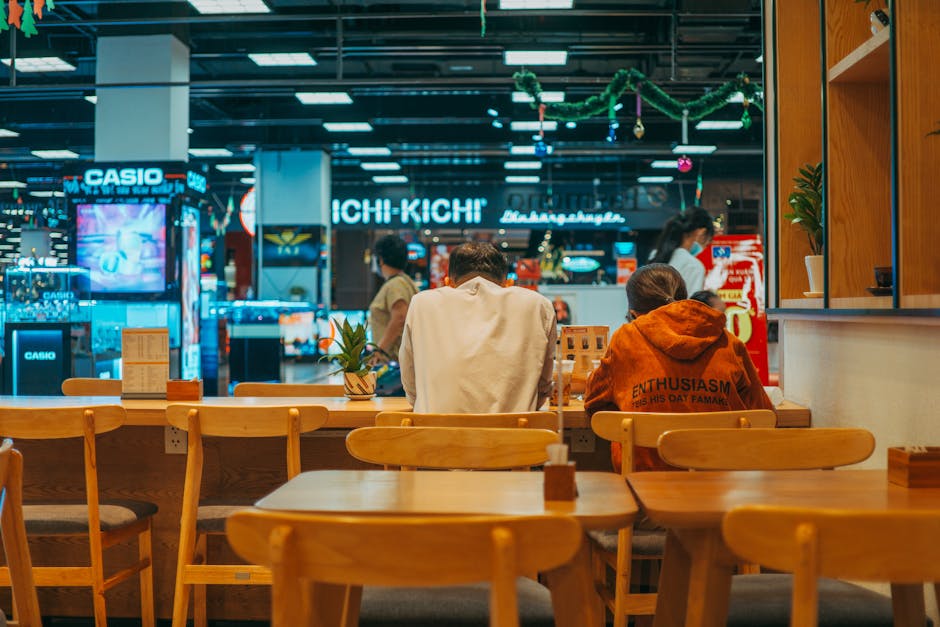
The food court wasn’t just about eating — it was the mall’s living room, where every social circle in town collided.
The food court was the beating heart of mall culture. This was where you could sit for hours nursing a single drink, watching people, gossiping, flirting, and generally conducting the serious business of being a teenager. The food itself was almost secondary, though it was reliably fantastic in that way only mall food could be.
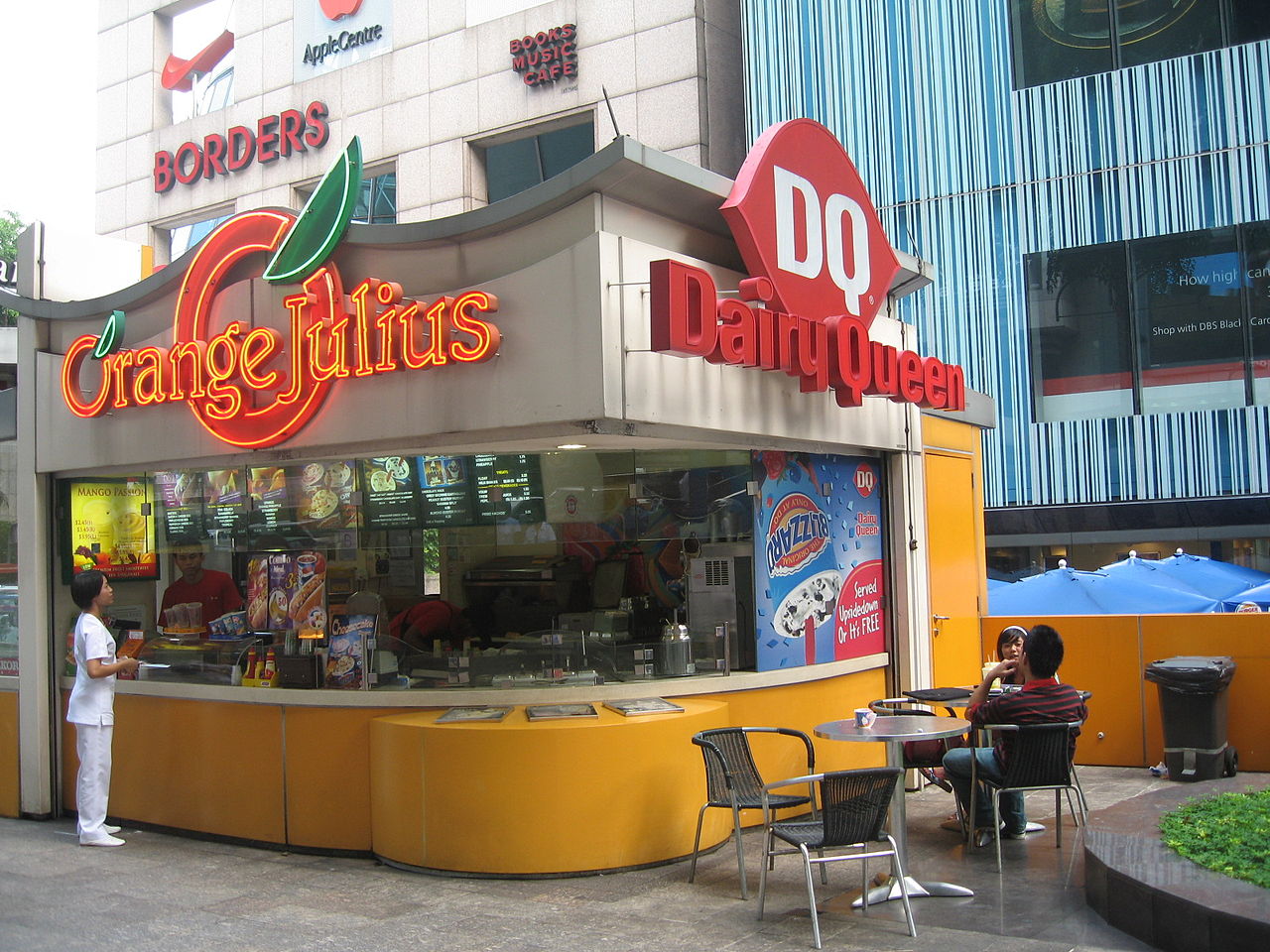
No mall trip was complete without the frothy, creamsicle-flavored perfection of an Orange Julius. (Photo: Wikimedia Commons)
Orange Julius was the undisputed king of mall beverages. That frothy, creamsicle-flavored drink was basically mandatory — you weren’t really at the mall until you had one in your hand. Sbarro served pizza slices the size of your head. Chick-fil-A was still a food court novelty to most of the country. Hot Dog on a Stick had employees in those rainbow-striped uniforms and tall hats, looking simultaneously ridiculous and committed. And Auntie Anne’s pretzels — the smell alone could pull you across the entire building like a cartoon character floating on a scent trail.
The food court seating was its own social map. The cool kids had their section. The skaters had theirs. The drama club kids clustered together. Adults with shopping bags dotted the periphery. It was like a high school cafeteria, but bigger, louder, and with way better food options.
The Arcade: A Quarter-Fueled Paradise
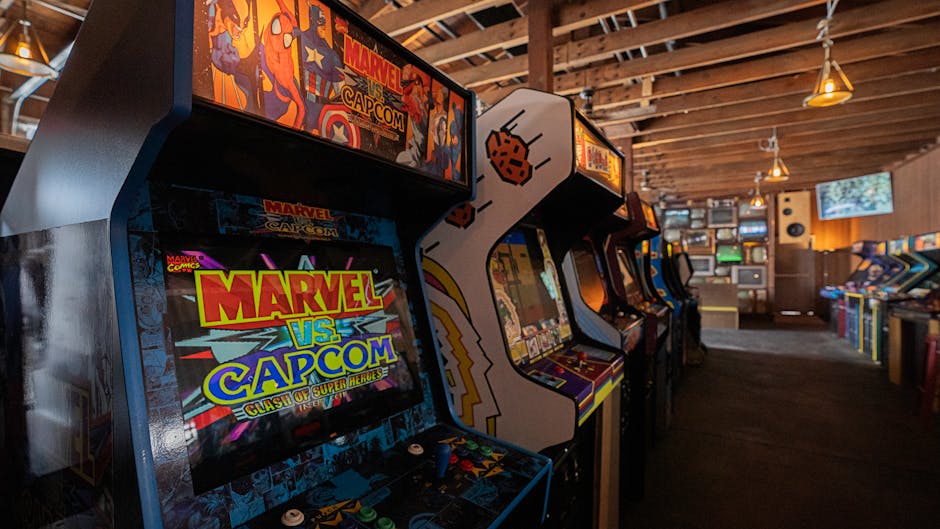
The mall arcade was a neon-lit temple of quarters, high scores, and bragging rights.
Walk past the arcade and you’d hear it before you saw it — that unmistakable symphony of bleeps, bloops, explosions, and the occasional groan of defeat. The mall arcade was where quarter-pumping warriors went to prove themselves. Pac-Man, Space Invaders, Dragon’s Lair, Galaga, Street Fighter — the cabinets were lined up like slot machines, each one calling out for your money.
There was a whole economy built around quarters. You’d raid couch cushions, break dollar bills, do extra chores — all to fund your arcade habit. The really good players could make a single quarter last half an hour on Pac-Man, drawing a crowd of admirers. Getting the high score and punching in your three-letter initials was the 80s equivalent of going viral.
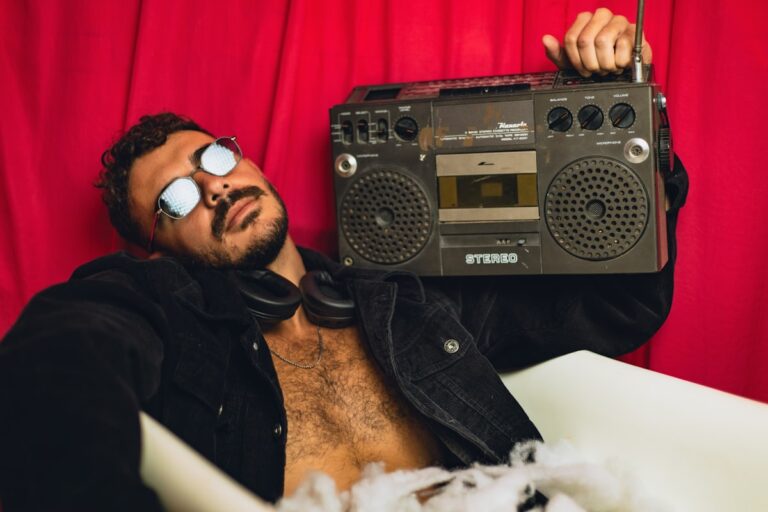
And it wasn’t just video games. Most arcades had skee-ball, air hockey, maybe a claw machine that ate your quarters and never quite grabbed the stuffed animal you wanted. The tickets you won could be redeemed for prizes that ranged from erasers and sticky hands to, if you were absurdly dedicated, a boombox or a huge stuffed bear.
Mall Fashion: The Runway of Suburbia
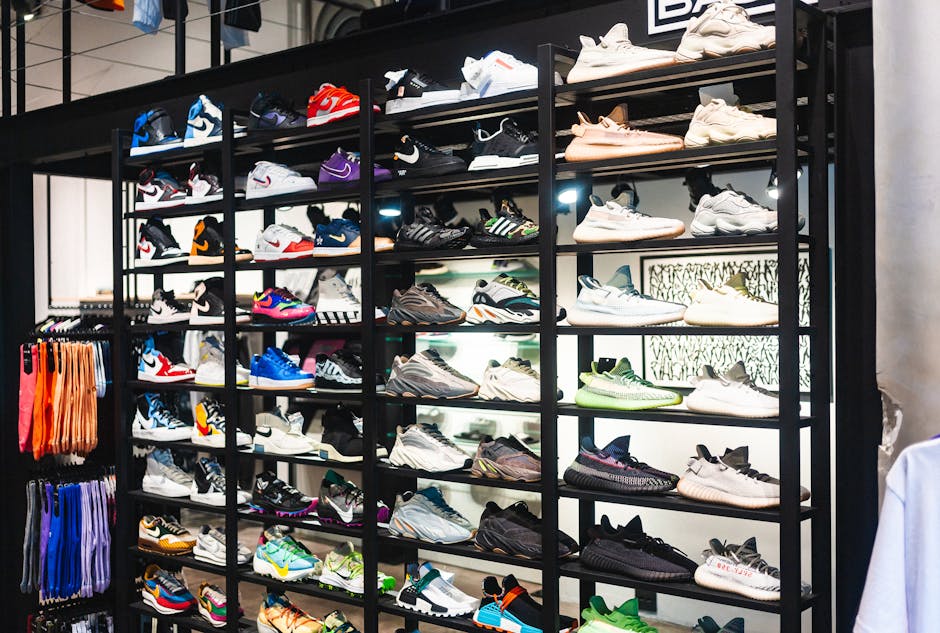
From Air Jordans to Reebok Pumps, the mall shoe store was a sneakerhead’s paradise before sneakerhead was even a word.
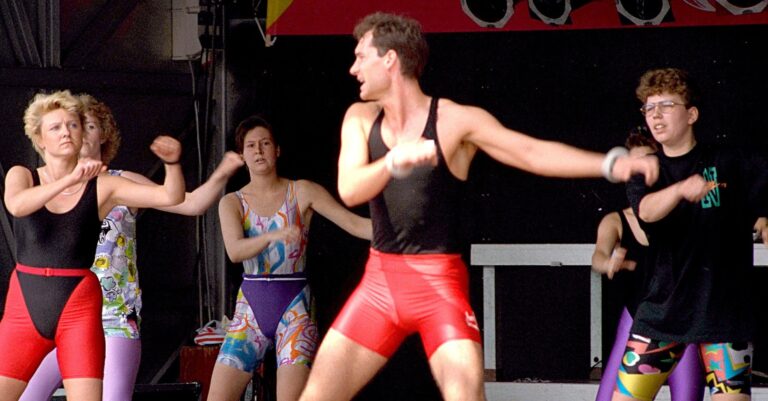
The mall was where you saw fashion happening in real time. Forget magazines and runways — for most American teenagers, the mall was where trends were discovered, adopted, and eventually beaten to death. The Limited, Express, Wet Seal, Contempo Casuals, Chess King — these stores were the front lines of 80s fashion, and they changed their window displays faster than MTV changed its video rotation.
For guys, Chess King and Merry-Go-Round were the go-to spots. Parachute pants, Members Only jackets, acid-washed everything — if it looked like it belonged in a music video, Chess King had it. For girls, it was The Limited (and its younger sibling, Limited Too), where you could find the exact outfit you’d seen on someone in Sixteen Candles. Wet Seal and Contempo Casuals catered to the trendy crowd with affordable knockoffs of whatever was hot that week.
And then there were the shoe stores. Foot Locker, Kinney Shoes, Payless — the 80s was the golden age of sneaker culture, and the mall was its cathedral. Nike Air Jordans debuted in 1985, and suddenly the shoe store wasn’t just functional; it was aspirational. Kids would press their faces against the glass at Foot Locker the way previous generations stared at muscle cars in dealership windows.
The Movie Theater: Blockbusters on the Big Screen
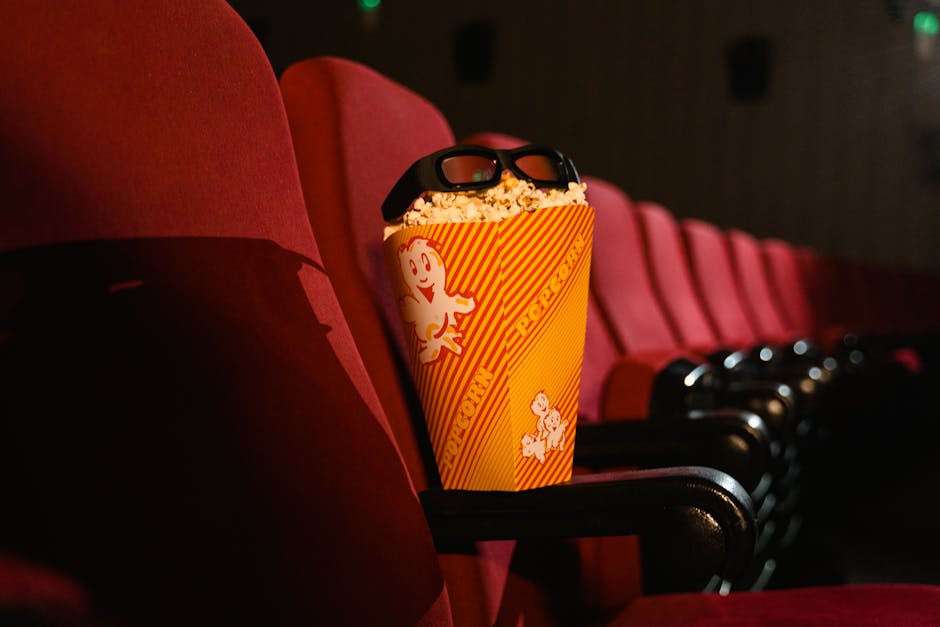
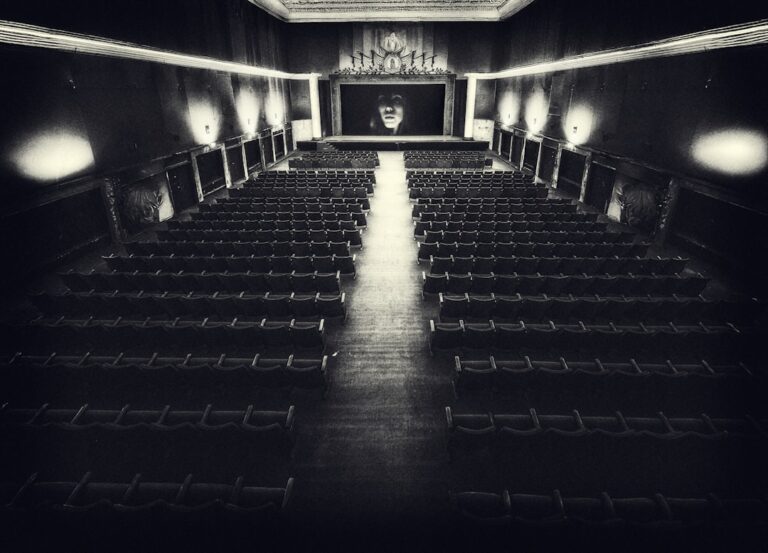
The mall multiplex was where every generation-defining blockbuster first came to life.
Most 80s malls either had a movie theater built in or one next door, and this added another dimension to the mall experience entirely. Fridays and Saturdays, you’d eat at the food court, wander the stores, then cap off the night with whatever blockbuster was playing. E.T., The Breakfast Club, Back to the Future, Top Gun, Batman — the 80s was the decade that invented the modern blockbuster, and you experienced every one of them at the mall.
The mall multiplex was also a strategic dating destination. Dinner and a movie? More like Orange Julius and a movie, but it worked. The darkened theater provided just the right amount of plausible deniability for holding hands, and afterward you could extend the evening by walking around the mall, analyzing the movie and pretending you weren’t nervous.
The Weird and Wonderful: Fountains, Kiosks, and Those Guys Who Wanted to Pierce Your Ears
Every 80s mall had its quirks — the things that weren’t officially stores but were just as memorable. The indoor fountain where kids threw pennies and made wishes. The guy with the kiosk selling personalized keychains, and that guy at the sunglasses cart who let you try on every single pair. The lady with the hand cream samples who could spot you from fifty feet away and somehow always got one of your hands moisturized before you could escape.
The ear piercing kiosk at Claire’s (or its competitor, Piercing Pagoda) was a rite of passage for millions of 80s kids. Nothing screamed growing up like sitting in that chair in the middle of a crowded mall while someone jabbed a piercing gun through your earlobe with approximately zero medical training. Your friends watched, you tried not to flinch, and then you spent six weeks twisting your starter studs and dabbing on rubbing alcohol.
And let’s not forget the photo booth. Tucked into some random corner near the restrooms, the photo booth was where you and your best friends crammed in, made ridiculous faces, and waited for the strip of photos to develop. Those little photo strips were the Instagram posts of the 1980s — prized, shared, and taped inside lockers and diaries.
The Decline (and Why We Still Miss It)
The golden age of the American mall peaked somewhere around 1987-1990, and by the time the internet started eating into retail in the late 90s, the cracks were already showing. Big-box stores like Walmart and Target pulled shoppers away. Online shopping made the whole “driving to a building full of stores” concept feel quaint. The dead mall phenomenon became its own subculture, with photographers and filmmakers documenting the eerie beauty of abandoned food courts and empty corridors.
But here’s the thing — no algorithm, no app, no same-day delivery will ever replicate what the mall gave us. It wasn’t about the shopping. It was about the showing up. It was about being in a physical space with other humans, having unplanned encounters, discovering things you didn’t know you wanted, and creating memories that stuck around long after the stores closed.
Today, when you hear someone our age wax nostalgic about “hanging out at the mall,” they’re not mourning a retail format. They’re mourning a way of being together that we lost somewhere between dial-up and DoorDash. The 80s mall was loud, bright, overwhelming, and kind of tacky. It was also one of the most purely social experiences American culture ever produced, and we were lucky enough to live it.
So here’s to the food courts, the arcades, the record stores, and the perpetually sticky floors near the Cinnabon. Here’s to Spencer Gifts and Sam Goody and the fountain where we wasted a thousand pennies on wishes that mostly came true. The mall may be dead, but the memories? Those are forever.