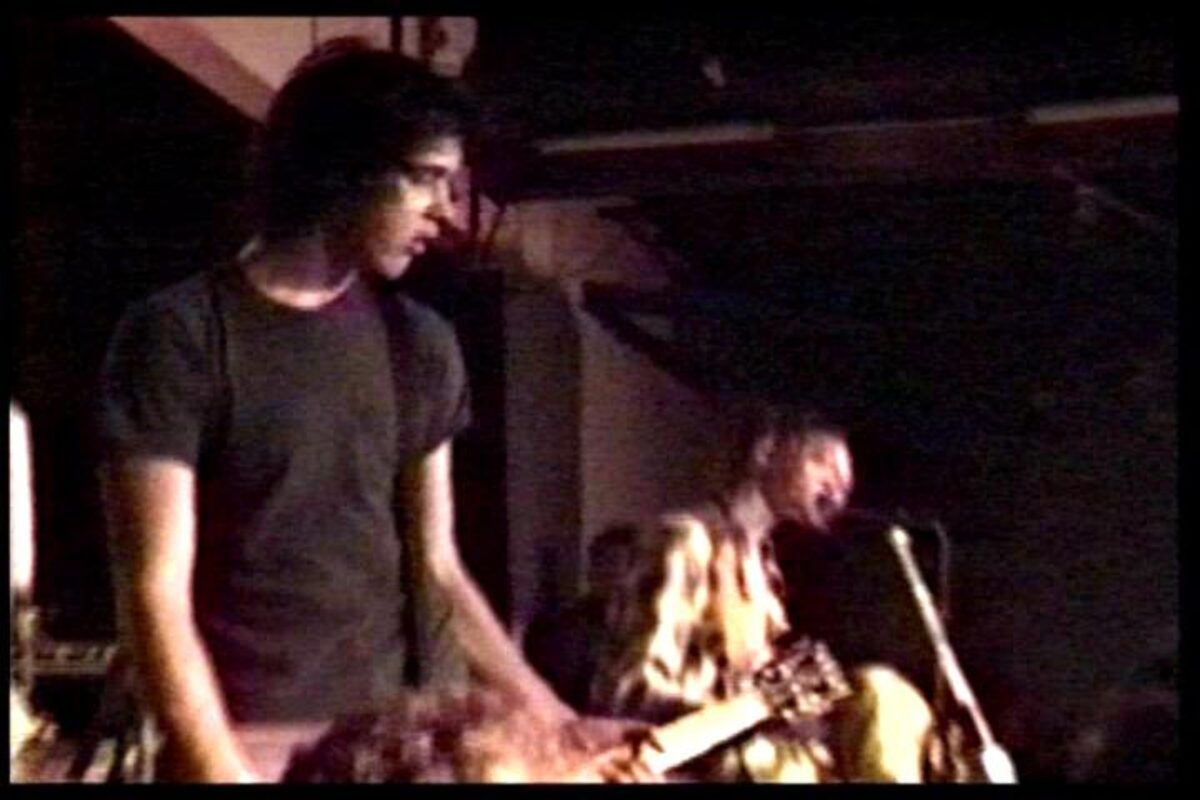
The OK Hotel Show: The Night Nirvana Played Smells Like Teen Spirit Live
On April 17, 1991, Nirvana walked into Seattle’s OK Hotel and did something nobody in that sweaty room could fully measure yet. They played “Smells Like Teen Spirit” live for the first time, months before Nevermind turned the band into a cultural detonation. If you want the exact second when underground Pacific Northwest electricity started crackling toward the global mainstream, OK Hotel Nirvana is one of the clearest places to look.
For Gen X kids, this story hits with a weird double charge. It is part local-club legend, part before-the-world-changed snapshot. This was not a polished arena launch or an MTV coronation. It was a cramped all-ages room, a half-feral crowd, a band still joking that they were “major-label corporate-rock sell-outs,” and a new song that sounded dangerous before it sounded historic. That is what makes April 17, 1991 so powerful. The myth had not hardened yet. The future was still loud, messy, and close enough to smell like spilled beer and cables.
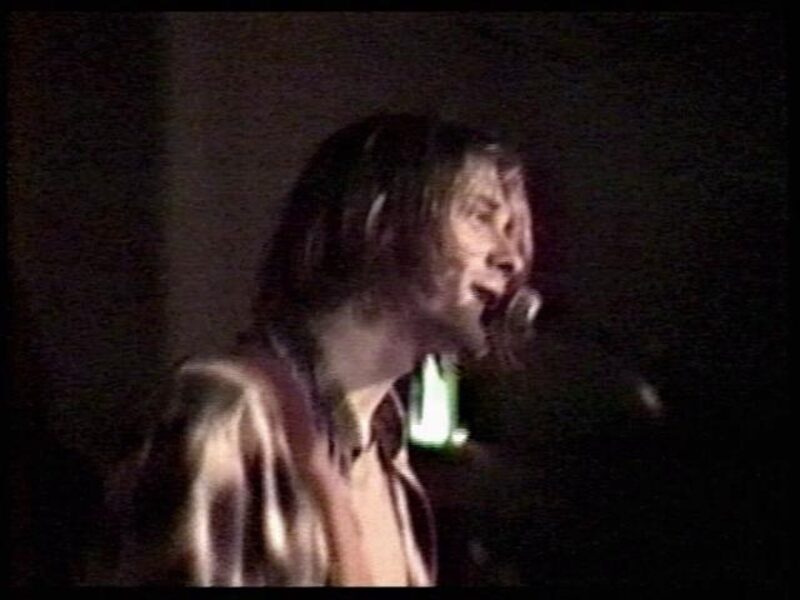
Nirvana at Seattle’s OK Hotel on the night “Smells Like Teen Spirit” hit a stage for the first time.
Table of Contents
- Before Nirvana ruled the planet
- Why OK Hotel mattered
- How the Teen Spirit debut actually went down
- Why the song hit Gen X so hard
- From tiny room to global takeover
- Why April 17, 1991 still matters
Before Nirvana ruled the planet
It is easy to flatten Nirvana into a giant historical noun. We talk about the band now like it arrived fully formed, kicked in the door, and instantly erased the last scraps of hairspray from the 1980s. Real life was rougher and more interesting than that. In April 1991, Nirvana was already respected, already dangerous, already gaining serious industry attention, but it was not yet the unavoidable force it would become by fall. Kurt Cobain, Krist Novoselic, and Dave Grohl were still operating in that fascinating zone where a band can feel huge inside one scene and almost invisible outside it.
That timing matters. According to HistoryLink, Nirvana signed with DGC on April 30, 1991, less than two weeks after the OK Hotel show. The band was on the edge of a major-label jump, but the transformation had not happened yet. That meant the April 17 set captured something precious, the last clear view of Nirvana before Nevermind remade the map. They were not playing a nostalgia set. They were road-testing the future in front of kids who probably showed up because Nirvana, Bikini Kill, and Fits of Depression on one bill sounded like a killer Seattle-area night out.
That is the Retro Radical part of this story. Gen X lived through so many moments that felt small in the room and enormous in hindsight. Your favorite local shop closed. A weird new game appeared in the arcade. A song on late-night radio sounded like it came from a different universe. You did not always know you were standing inside a pivot point. April 17, 1991 was one of those pivots.

Close enough to the mic to feel the room shaking, Cobain was still playing clubs when the new anthem appeared.
Why OK Hotel mattered
The OK Hotel was not glamorous. That is part of the point. It sat in Seattle’s Pioneer Square and carried the kind of rough-edged credibility that polished venues never earn. The building had a much older working-class history, and by the late 1980s it had become one of the loud rooms helping define the Seattle scene. The OK Hotel entry notes that bands such as Soundgarden, Mudhoney, Mother Love Bone, Bikini Kill, and Nirvana all passed through there. This was a real node in the circuit, not a fake birthplace invented later by PR people.
That matters because grunge did not explode out of nowhere. It came out of rooms like this, rooms with all-ages energy, handmade flyers, cheap gear, overdriven amps, and audiences who valued force over polish. The OK Hotel was one of those places where scenes still felt local, even as they were building global consequences. If you grew up in the late 80s and early 90s, you probably knew some version of that room. Maybe not in Seattle. Maybe in your own city, near the bus depot or behind a strip of bad storefronts, the venue adults thought looked sketchy and kids thought looked alive.
Nirvana’s April 17 show was also not just any random booking. HistoryLink reports that the gig was part benefit, pulled together fast, and documented by a film crew whose footage would later surface in Hype! and the With the Lights Out DVD. That is almost too perfect. A quick midweek club show, booked for practical reasons, ends up preserving the first live blast of the song that would crack open the decade.

The band was still in club mode, not yet frozen into monument status.
How the Teen Spirit debut actually went down
The set itself had the right mix of chaos and history. LiveNirvana’s concert chronology for April 17, 1991 confirms this was the first live performance of both “Smells Like Teen Spirit” and “Pennyroyal Tea.” The night opened with Cobain solo on “Pennyroyal Tea,” then rolled through a set packed with originals and covers before landing on the brand-new anthem late in the show. According to HistoryLink, Nirvana also joked to the crowd, “We’re major-label corporate-rock sell-outs,” which is exactly the kind of dark laugh that makes this whole night feel pre-fame and self-aware at the same time.
One of the best things about hearing or reading about this debut is that the song was not yet fixed in amber. It did not arrive as the museum version everybody knows now. LiveNirvana’s song guide preserves alternate early lyrics from the performance, and they are rougher, stranger, and less locked than the final release. That is catnip for anyone who loves creative process. Before the anthem became a global object, it was still a living thing onstage. The words shifted. The energy led the structure. You can feel the band testing how the song breathed in a room.
That roughness is important because it destroys the lazy myth that history only happens when everything is fully polished. A lot of the most important cultural moments arrive half-built. The power is already there, but the edges have not been sanded down. That is exactly what makes the first OK Hotel version so exciting. The core riff is already massive. The push-pull dynamics are already there. Dave Grohl’s drumming already feels like it wants to kick the walls out. But the performance still has that unstable quality of a song discovering itself in public.

Before the single, before the video, before the overexposure, it was just a new song detonating in a club.
And then there is the set-list logic itself. Teen Spirit was not used as an opening statement or a grand finale with pre-written mythic importance. It appeared deep in the set, surrounded by songs that came from the same bruised, funny, abrasive Nirvana universe. That tells you something. On April 17, 1991, nobody in the room had any reason to stand there thinking, “I am watching the future number-one single that will help shove alternative rock into the center of American culture.” They were just getting hit with another song by a band already known for hitting hard.
That is why the story feels so good now. You are looking at a moment before consensus. No algorithm. No brand partnership. No “instant classic” language deployed five minutes after release. Just a band and a room and a song that would not stay contained.
Why the song hit Gen X so hard
By the time the studio version of “Smells Like Teen Spirit” hit the world in September 1991, the culture was ready for a rupture even if it did not know how to describe it. Hair metal still dominated a lot of rock radio. Gloss, pose, and theatrical confidence were still everywhere. But there was also fatigue in the air. A lot of Gen X kids had grown up surrounded by marketing noise, institutional slogans, and the sense that everything real had been replaced by something packaged. Teen Spirit landed like a sarcastic answer to all that.
Wikipedia’s summary of the song is blunt about its impact, describing it as the breakthrough that pushed grunge into the mainstream and turned Nirvana into an emblem of Generation X. That phrase gets overused, but here it fits. Cobain did not sound like a motivational speaker or a stadium preacher. He sounded bored, furious, funny, confused, and fully aware that the machine was ridiculous. For people raised on latchkey afternoons, MTV glow, school pep talks, mall culture, and the first fully industrialized version of youth marketing, that tone felt right.
It is also worth remembering that Gen X did not reject pop hooks. That is one reason Nirvana mattered so much. Cobain could bury a huge melody inside distortion and abrasion. Teen Spirit was not a lecture about authenticity. It was a killer pop construction wearing torn clothes and glaring at the audience. The chorus was undeniable. The dynamics were undeniable. But the attitude made it feel like an ambush rather than a sales pitch.

Grohl’s attack was a huge part of why the song felt less like a single and more like a structural event.
There is another reason April 17 matters. It reminds us that world-changing songs often start in subcultural rooms, not giant systems. A lot of Gen X nostalgia goes wrong by treating the era as one long chain of already-famous artifacts. But the actual thrill was discovery. It was catching something before the rest of the culture slapped a label on it. The OK Hotel debut restores that feeling. It puts Teen Spirit back where it belonged at first, inside a local scene, before the whole planet started chanting along.
From tiny room to global takeover
After the OK Hotel show, everything sped up. Nirvana signed with DGC on April 30. The band recorded Nevermind in May and June with Butch Vig, and the single was released that September. From there the story became one of the great acceleration tales in pop history. According to the Nevermind overview, the album knocked Michael Jackson’s Dangerous out of the top spot in early 1992, sold tens of millions of copies, and turned Nirvana into a global symbol of alternative rock’s mainstream arrival.
But the thing I love about the OK Hotel moment is that it keeps the later explosion from feeling inevitable. History has a bad habit of acting like the biggest outcomes were always obvious. They were not. Teen Spirit became a monster because the studio version was incredible, the video hit MTV at exactly the right moment, and a broader cultural shift was waiting for a soundtrack. Yet none of that takes away from the eerie thrill of hearing that the song first appeared in a club show for a local crowd. In fact, it makes the story better. The worldwide takeover began as a live experiment.
That is why this date deserves an On This Day slot. Not because it marks a record release or a chart fact alone, but because it catches a cultural fuse burning in public. If you care about the hinge between the 80s and 90s, this is one of the hinge moments. The big glossy machine of the previous decade had not vanished yet, but a different emotional language was already walking onstage.

The contact-sheet feel is perfect for this story. You are watching history before anybody knew which frame would become iconic.
Why April 17, 1991 still matters
Thirty-plus years later, the OK Hotel debut still lands because it preserves that rare combination of intimacy and consequence. The room was small. The future was huge. The song was unfinished enough to feel human, but powerful enough to change the air. For Retro Radical readers, this is not just a Nirvana story. It is a story about the exact kind of cultural moment Gen X specializes in remembering, the second before the underground thing becomes everybody’s thing and therefore changes forever.
It is also a useful correction to the sanitized version of nostalgia. The past was not made of clean museum exhibits. It was made of handmade flyers, clubs with questionable wiring, last-minute benefit gigs, half-legible set lists, bootleg video, and bands still becoming themselves. That is the texture. That is the magic. When we talk about the 90s as though they arrived all at once with flannel uniforms and pre-printed mythology, we miss the part where the decade had to be invented in real time.
April 17, 1991 feels like one of those invention nights. Nirvana did not just debut a song. The band helped announce a mood shift. The old polished rock order did not die in that room, but you can hear it losing ground. A new emotional style was stepping forward, one that mixed vulnerability, contempt, hooks, noise, humor, and damage in a way the mainstream had not fully absorbed yet. Within months, the culture would catch up. But in that room, it still belonged to the people pressed closest to the stage.

The handmade flyer says everything about the pre-breakthrough era. No myth-making yet, just a night, a room, and a bill that turned historic.
So yes, OK Hotel Nirvana deserves to be remembered. Not as a tidy origin myth, but as a gloriously scruffy warning shot. Before the gold records, before endless replay, before the song got so big that even Cobain’s complicated feelings about it became part of the legend, there was a Wednesday night in Seattle when Teen Spirit first hit a live room and started its long strange march into history.
If you were there, you saw the weather change before the storm got named. If you were not, this is still one of the best On This Day reminders that culture often shifts in cramped rooms first, long before the rest of the world starts pretending it knew all along.
Sources
- LiveNirvana concert chronology, April 17, 1991 — detailed notes confirming the first live performance of “Smells Like Teen Spirit” and the OK Hotel set details.
- LiveNirvana song guide for “Smells Like Teen Spirit” — early lyrics, writing notes, and performance references tied to the April 17 debut.
- HistoryLink Essay 11002 — Seattle historical account of Nirvana debuting “Smells Like Teen Spirit” at the OK Hotel.
- OK Hotel — background on the venue and its place in Seattle’s music scene.
- “Smells Like Teen Spirit” — release history, cultural impact, and song background.
- Nevermind — album timeline and impact after the song’s debut period.
- Britannica on Nevermind — concise reference on the album’s breakthrough importance.