
90s Internet Culture: From AOL Dial Up to Napster
The Sound That Connected a Generation
KSHHHHHH-DING-DING-DING-BRRRRRRRR-KSHHHHHH. If you know, you know. The dial-up modem connection sound was the overture to the greatest cultural revolution since television. You’d pick up the phone, realize someone was online, and either wait impatiently or scream “GET OFF THE INTERNET!” — a sentence that made perfect sense in 1997.
The 90s internet was a beautiful, chaotic, revolutionary mess. It was slow, ugly, occasionally dangerous, and absolutely magical. Before algorithms decided what you’d see, before social media harvested your data, the internet was the Wild West — and exploring it felt like genuine adventure.

AOL: Your Gateway to the Digital World
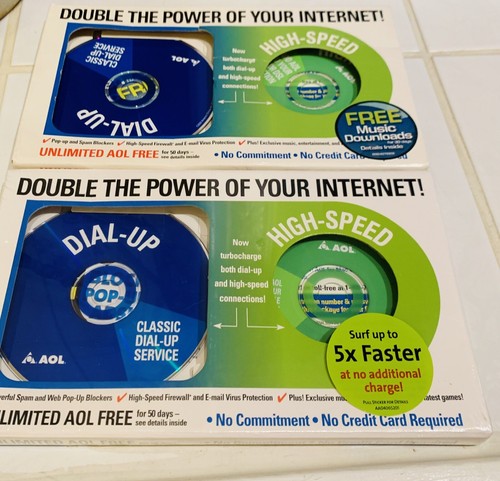
America Online didn’t just provide internet access — it provided the internet experience for millions of Americans. Those free AOL CDs were everywhere: in magazines, in cereal boxes, in your mailbox every single week. By 1997, AOL had over 10 million subscribers, making it the largest internet service provider on Earth.
“You’ve Got Mail” became one of the most iconic phrases of the decade. The AOL interface — with its keyword system, chat rooms, and curated content channels — was the training wheels for an entire generation’s internet experience. It made the terrifying vastness of the internet feel manageable and friendly.
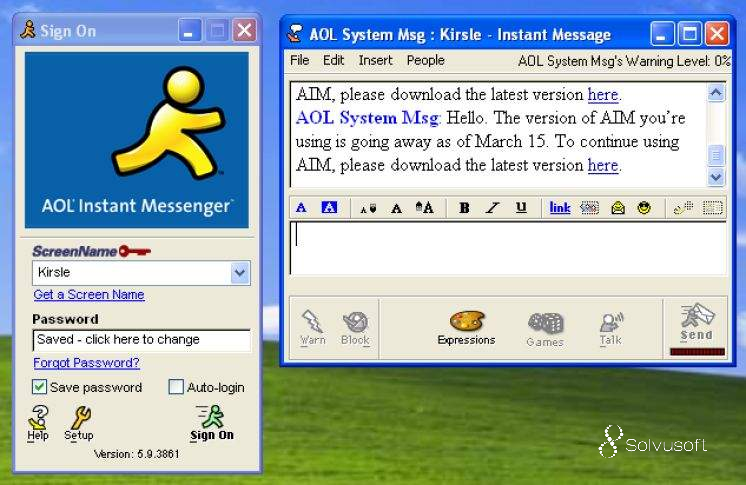
AOL Instant Messenger (AIM) deserves its own monument. Choosing your screen name was an identity crisis rivaling anything in philosophy. Away messages became an art form — passive-aggressive song lyrics aimed at your crush were a universal experience. The buddy list was social media before social media existed.
GeoCities and the DIY Web
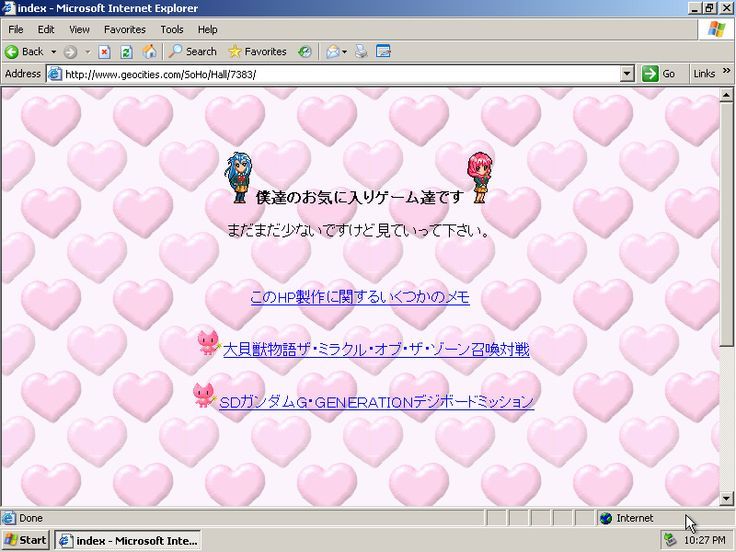
Before WordPress, before Squarespace, before anyone knew what a content management system was, there was GeoCities. Launched in 1994, it gave anyone with an internet connection the power to build their own website. And build they did — in the most gloriously hideous ways possible.
GeoCities pages were visual assaults in the best way. Tiled backgrounds, animated GIFs of flaming skulls, MIDI music that auto-played, hit counters, guestbooks, and the dreaded “Under Construction” GIF with a tiny worker and orange cone. Every page looked like a teenager’s bedroom wall — and that was the point.
The “neighborhoods” concept organized sites into themed communities — Hollywood for entertainment, SiliconValley for tech, Area51 for the weird stuff. At its peak, GeoCities was the third most-visited site on the internet. Yahoo bought it for $3.6 billion, then inexplicably shut it down in 2009, deleting millions of personal websites forever.
Chat Rooms: The Original Social Media
Before Facebook, before Twitter, before Instagram, there were chat rooms. And they were absolutely wild. AOL chat rooms, mIRC channels, Yahoo Chat, and ICQ brought strangers together in real-time text conversations that ranged from profound to profoundly stupid.
The rules were simple and universally understood. ASL? (Age/Sex/Location) was the opening line in every chat room encounter. Typing in ALL CAPS meant you were yelling. 🙂 and 🙁 were the sum total of emotional expression. And “a/s/l” from a stranger was simultaneously exciting and terrifying.
Chat rooms were democratic in a way social media never achieved. There were no follower counts, no verification badges, no algorithms boosting popular voices. Everyone who entered a room had equal standing. Your words were your only currency, and clever people could become chat room legends based on wit alone.
Napster Broke the Music Industry
In June 1999, an 18-year-old college dropout named Shawn Fanning launched Napster, and the music industry was never the same. The peer-to-peer file sharing service let users trade MP3 files directly with each other. Within a year, 80 million people were using it.
Downloading a single song could take anywhere from 10 minutes to several hours on a dial-up connection. People would queue up dozens of downloads before going to bed, hoping the connection wouldn’t drop overnight. It was absurdly inconvenient by modern standards, but the idea of accessing virtually any song ever recorded for free was intoxicating.
The music industry sued Napster into oblivion by 2001, but the genie was out of the bottle. LimeWire, Kazaa, and BitTorrent carried the torch, and the industry spent the next decade fighting a war it couldn’t win. Eventually, the music business adapted — and Napster’s vision of instant access to all music was realized legitimately through Spotify and Apple Music.

The Dot-Com Boom and Beautiful Failures
The late 90s saw the internet transform from curiosity to gold rush. Companies with no revenue, no product, and no business plan received billions in investment because they had “.com” in their name. Pets.com spent $17 million on a Super Bowl ad before going bankrupt. Webvan burned through $830 million trying to deliver groceries. It was glorious insanity.
But the dot-com era also gave us companies that survived and thrived. Amazon, founded in 1994 as an online bookstore, seemed crazy at the time. Google launched in 1998 and quickly became the way humans accessed information. eBay created the first successful online marketplace. PayPal made digital payments possible.
The burst of the dot-com bubble in 2000 cleared out the grifters and dreamers, but the survivors built the internet we know today. Every time you order food delivery, stream a movie, or buy something online, you’re using infrastructure conceived during the 90s internet gold rush.

We’ll Never Get That Internet Back
The 90s internet wasn’t better than today’s internet in most measurable ways. It was slower, smaller, less useful, and occasionally dangerous. But it had something the modern internet lost — a sense of frontier. Every click could lead somewhere unexpected. Discovery was organic, not algorithmic.
Personal websites expressed genuine individuality. Nobody was optimizing for engagement metrics or chasing followers. People made things on the internet because making things was fun. The result was messy, weird, sometimes terrible, and wonderfully human.
Today’s internet is a miracle of technology. But the 90s internet was a miracle of culture. It showed what happened when millions of people got a powerful new tool and just… played with it. No rules, no playbook, no expectations. That creative chaos produced innovations that reshaped civilization. Not bad for something that sounded like a fax machine having a nervous breakdown.