
The Ultimate 90s Nostalgia Guide | Everything We Miss
Close your eyes for a second. Hear that? That’s the screech of a 56k modem connecting to AOL. The clatter of a VHS rewinding at Blockbuster. The tinny speaker of your Tamagotchi begging to be fed at 2 AM on a school night.
If those sounds hit you right in the chest, congratulations — you’re one of us. You survived the 90s, and you’ve got the emotional scars (and the JNCO jeans) to prove it.
This is the ultimate 90s nostalgia guide — a deep dive into everything that made the decade weird, wonderful, and completely unforgettable. Gen X, Xennials, and elder Millennials, this one’s for you.
The Ritual of Renting a Movie at Blockbuster
Streaming killed the video store, and we all just let it happen. But nothing — nothing — has ever replicated the experience of walking into a Blockbuster on a Friday night.
The fluorescent lights. The worn carpet. The wall of new releases that was always picked over by 7 PM. Wandering the aisles, reading the backs of VHS cases, debating with your friends about whether to rent Ace Ventura for the fourth time or finally try that horror movie in the back corner.
And the late fees. Those soul-crushing late fees that could bankrupt a teenager. Blockbuster made more money from late fees than from actual rentals. We all hated it, and we’d all give anything to go back.
Be kind. Rewind. Forever.
Tamagotchi: Your First Taste of Responsibility
Before smartphones, before apps, before virtual reality — there was a tiny egg-shaped keychain that taught an entire generation about the crushing weight of responsibility.
Your Tamagotchi needed to be fed, cleaned, played with, and put to sleep. Neglect it for a few hours, and it would die. ACTUALLY DIE. And then you’d feel genuine guilt over the death of a collection of pixels.
Schools banned them. Parents confiscated them. And yet somehow, millions of kids kept their digital pets alive through sheer force of will and strategically timed bathroom breaks.
Looking back, Tamagotchi was basically training wheels for adulthood. If you could keep one alive through a full school week, you were ready for anything.
AOL and the Dial-Up Experience
“You’ve got mail!” Three words that could make your entire day. AOL wasn’t just an internet provider — it was the internet for most of America in the late 90s.
Setting up took patience. You’d pick up the phone, make sure nobody was on it (because the internet and the phone couldn’t work at the same time — imagine explaining that to a teenager today), then listen to that beautiful, horrible symphony of beeps, squeals, and static as your modem negotiated with the digital world.
And then? Chat rooms. AIM buddy lists. Away messages that you crafted more carefully than any college essay. Spending 45 minutes downloading a single MP3 on Napster. Getting disconnected because your mom picked up the phone to call Aunt Linda.
The 90s internet was slow, clunky, and absolutely magical. We didn’t know what we had.
JNCO Jeans and the Grunge Uniform
90s fashion was a direct rebellion against the excess of the 80s. Where the 80s were neon and tight, the 90s were dark, flannel, and absurdly baggy.
JNCO jeans were the crown jewel of this movement. With leg openings wide enough to smuggle a family of raccoons, these denim behemoths were the uniform of skaters, ravers, and anyone who wanted to look like their pants could double as a tent.
Pair them with a flannel shirt (tied around your waist, obviously), a pair of Doc Martens, and the general aura of not caring about anything, and you had the quintessential 90s look. Kurt Cobain didn’t invent grunge, but he made it the default wardrobe for an entire generation.
Saturday Morning Cartoons: The Best Programming Block Ever
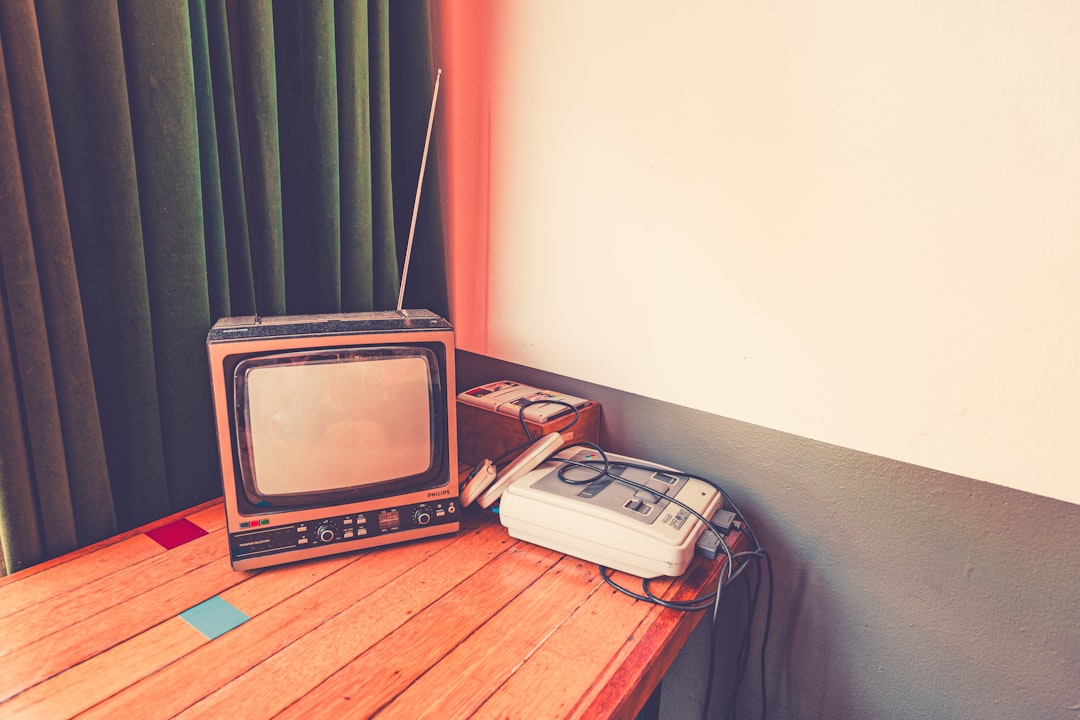
Kids today will never understand the sacred ritual of waking up at 6 AM on a Saturday — voluntarily — to watch cartoons. Not streaming on demand. Not YouTube. Actual scheduled programming that you had to be present for or you missed it forever.
The lineup was legendary. X-Men: The Animated Series. Batman: The Animated Series. Animaniacs. Gargoyles. Mighty Morphin Power Rangers. Doug. Rugrats. Hey Arnold!. Pour a bowl of sugary cereal, plant yourself on the carpet three feet from the TV, and don’t move until noon.
The commercials were part of the experience too. Every ad was for a toy you desperately needed, a cereal with a prize inside, or a movie coming to theaters that summer. Saturday morning wasn’t just TV — it was an event.
When networks killed the Saturday morning cartoon block, they didn’t just cancel shows. They ended a way of life.
The Nintendo 64 Changed Everything
The console wars of the 90s were real, and they were personal. Sega vs. Nintendo was the schoolyard argument that never ended. But when the N64 dropped in 1996, it was a knockout blow.
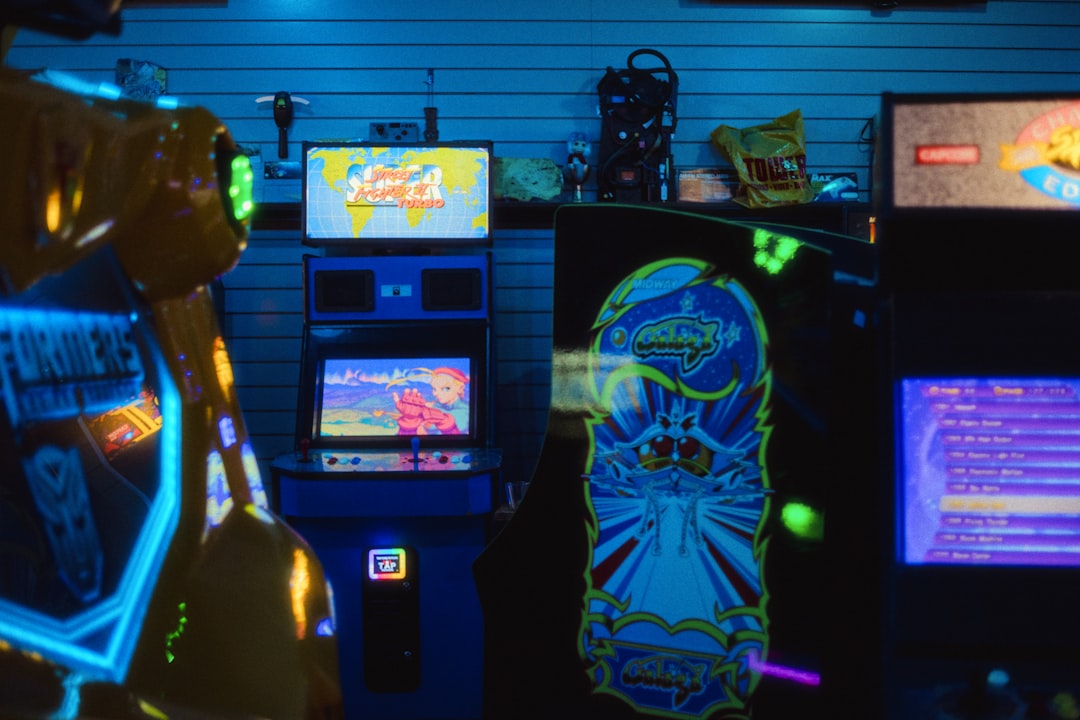
Super Mario 64 blew minds. GoldenEye 007 ruined friendships (screen-looking was a federal offense). Mario Kart 64 turned living rooms into war zones. The Legend of Zelda: Ocarina of Time made grown adults cry.
And the controller? Three handles, one analog stick, and a design that seemed like it was built for aliens. It didn’t matter. You adapted. You mastered it. And you’d defend it against PlayStation fans until your dying breath.
Split-screen multiplayer in the same room, with your actual friends, eating actual pizza, on an actual Friday night. That was 90s gaming. That was living.
And let’s not forget the games that didn’t make the “classic” lists but absolutely dominated sleepovers. WWF No Mercy turned every living room into a wrestling ring. Star Fox 64 had you doing a barrel roll before it was a meme. Banjo-Kazooie and Diddy Kong Racing proved that the N64 was a collectathon paradise. The console’s library was so deep that arguments about the best game could — and did — last for years.
The N64 Rumble Pak deserves its own monument. Feeling your controller shake when you got hit in GoldenEye was a revelation. Physical feedback from a video game? In the 90s, that was basically virtual reality. We were living in the future, and we knew it.
The Music That Defined a Generation
The 90s might have produced the most diverse decade of popular music in history. Grunge, hip-hop, pop, R&B, ska, punk, electronic — all coexisting on the same radio stations and MTV playlists.
Nirvana’s Nevermind changed rock music overnight. Tupac and Biggie became legends and then tragedies. The Spice Girls made “Girl Power” a global movement. TLC told us not to chase waterfalls. Radiohead made us question everything.
And MTV actually played music videos. All day. Every day. TRL was appointment television. Carson Daly counted down the top ten while teenagers screamed in Times Square. You’d call in to request your favorite video and feel like a celebrity when they played it.
We bought CDs at Sam Goody. We made mix tapes for crushes. We argued about whether Oasis or Blur was better. Music wasn’t just something you listened to — it was who you were.
90s Snacks: The Flavors We’ll Never Forget
You can’t talk about 90s nostalgia without talking about the snacks. The 90s were the golden age of aggressively marketed, nutritionally questionable, absolutely delicious food aimed squarely at kids — and honestly, adults miss them just as much.
Dunkaroos were the crown jewel. A small tray of kangaroo-shaped cookies and a generous pool of frosting for dipping. That was it. That was the whole product. And it was perfection. When Betty Crocker brought them back in 2020, adults bought them in bulk and posted tearful TikToks. The rainbow sprinkle vanilla frosting flavor remains undefeated.
Gushers turned every lunch table into a science experiment. Bite into the fruit-shaped shell, and a flood of mystery-flavored liquid erupted in your mouth. Kids traded them like currency. Having Gushers in your lunchbox was social capital — you were automatically cooler than the kid with an apple.
Lunchables were the ultimate symbol of 90s kid independence. You didn’t need a parent to make your lunch — you had a perfectly portioned tray of crackers, processed cheese, and questionable deli meat. The pizza version, where you assembled your own tiny pie with cold sauce and room-temperature cheese, was somehow the most satisfying meal a third-grader could imagine. The fact that Lunchables are still around today proves their formula was unbreakable.
Honorable mentions go to Fruit by the Foot (which you definitely used as a measuring tape at least once), Pop Rocks (the candy that made your mouth feel like a fireworks show), and Squeeze-Its — those plastic bottles of juice with the twist-off caps that you’d inevitably spray all over your shirt. The 90s didn’t just feed us. They gave us edible entertainment.
The 90s Things We Took for Granted
Some 90s experiences were so ordinary that we didn’t realize they were special until they were gone:
- Printed TV guides — You’d actually plan your week around what was on
- Answering machines — Coming home to a blinking red light felt like Christmas
- Mall culture — The mall was the social hub, not just a shopping center
- Disposable cameras — 24 shots, no previews, developed a week later
- Phone books — Finding someone’s number required actual detective work
- No GPS — You printed MapQuest directions or just got lost
- Recording songs off the radio — Hitting record at the perfect moment was an art form
- Encyclopedia sets — When your homework required actual physical research
Why 90s Nostalgia Hits Different
Every generation romanticizes its youth. But 90s nostalgia carries a unique weight because the 90s were the last decade before the internet changed everything permanently.
We were the last kids to play outside until the streetlights came on. The last to experience boredom without a screen to rescue us. The last to live in a world where you could actually be unreachable.
That doesn’t make the 90s objectively better. But it makes them fundamentally different from everything that came after. We straddled two worlds — analog childhood and digital adulthood — and that dual identity is why 90s nostalgia resonates so deeply.
We didn’t just grow up in the 90s. The 90s grew up with us. And honestly? We turned out pretty okay.
Now if you’ll excuse me, I need to go see if anyone’s selling a working N64 on eBay. For research purposes only, obviously.