
90s Sitcoms: Why They Were the Golden Age of TV
Must-See TV Was Actually Must-See
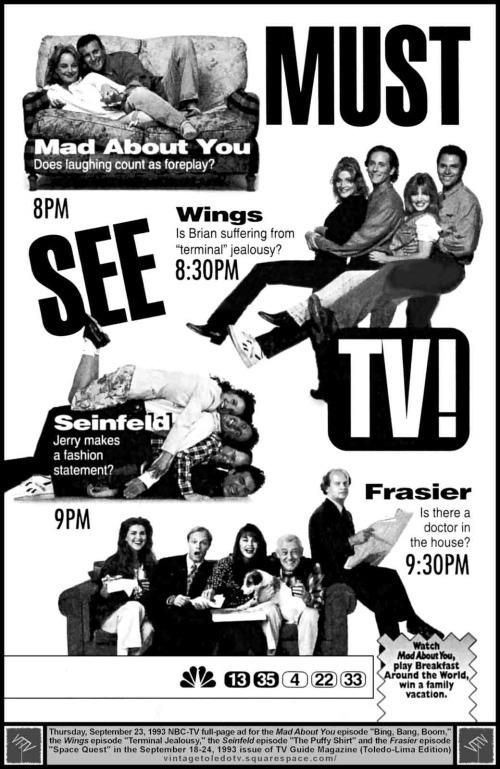
Thursday night at 8 PM. The television was non-negotiable. In the 90s, NBC’s “Must-See TV” lineup wasn’t just a marketing slogan — it was a cultural event. Tens of millions of Americans sat down simultaneously to watch the same shows, laugh at the same jokes, and discuss them at work the next morning. Nothing in modern entertainment comes close.
The 90s produced sitcoms that weren’t just popular — they were embedded in the cultural fabric. These shows shaped how a generation talked, dressed, decorated their apartments, and understood relationships. The coffee shop became the new bar. “Yada yada yada” entered the dictionary. And everyone, everywhere, was on a break.
Seinfeld: The Show About Nothing That Changed Everything
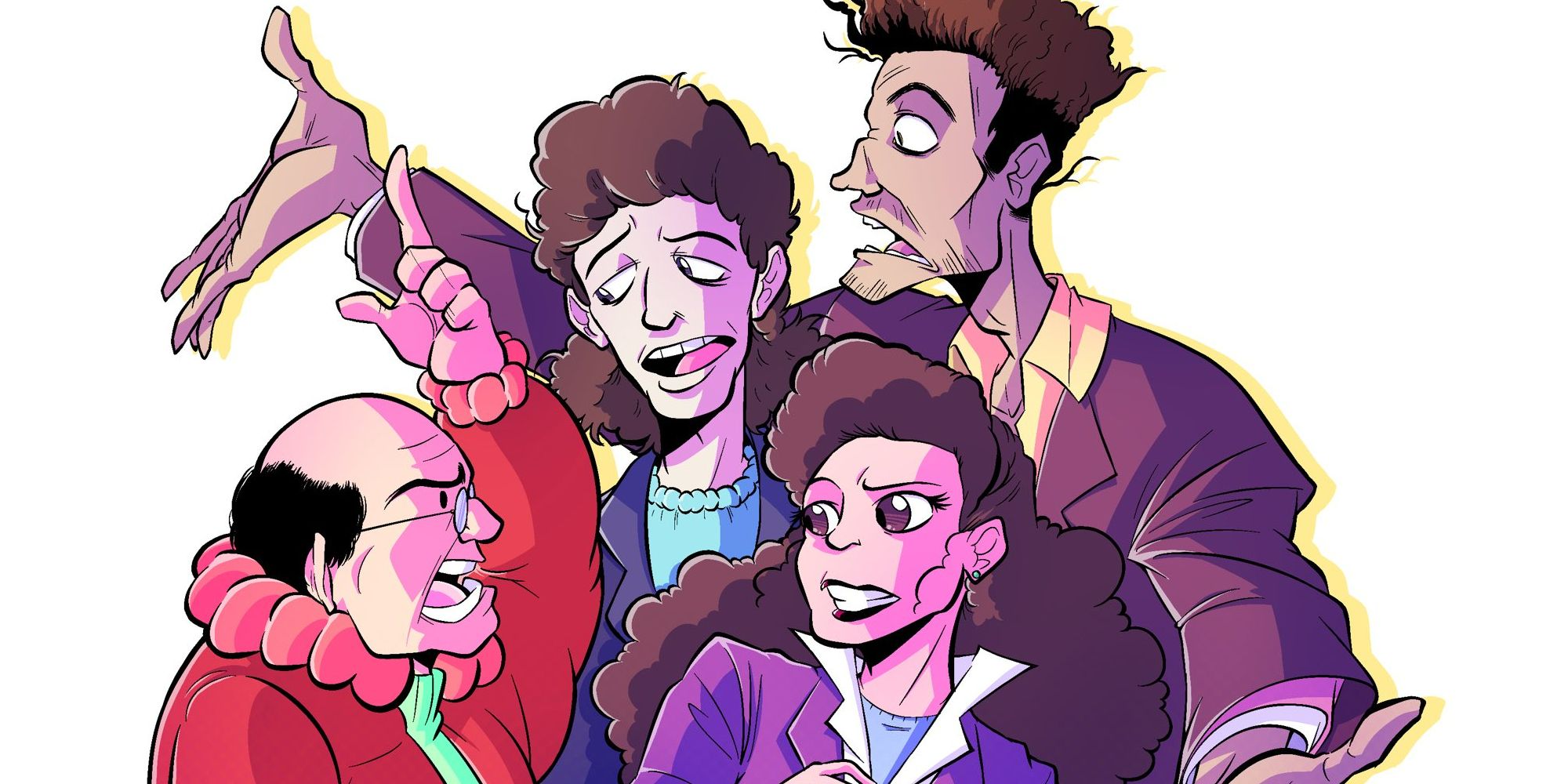
Larry David and Jerry Seinfeld created something revolutionary by insisting their show be about absolutely nothing. No hugging, no learning was the unofficial motto. Seinfeld ran from 1989 to 1998, and its influence on comedy is immeasurable.
The genius of Seinfeld was finding the comedy in everyday mundanity. Waiting for a table at a restaurant. Losing a car in a parking garage. The etiquette of double-dipping chips. These weren’t sitcom plots — they were universal human experiences elevated to art through masterful writing and a perfect cast.
The series finale drew 76 million viewers, making it one of the most-watched broadcasts in television history. Seinfeld’s legacy extends beyond comedy — it proved that audiences were smart enough to appreciate observational humor, meta-storytelling, and characters who were genuinely terrible people.
Friends: Six People Who Defined a Decade
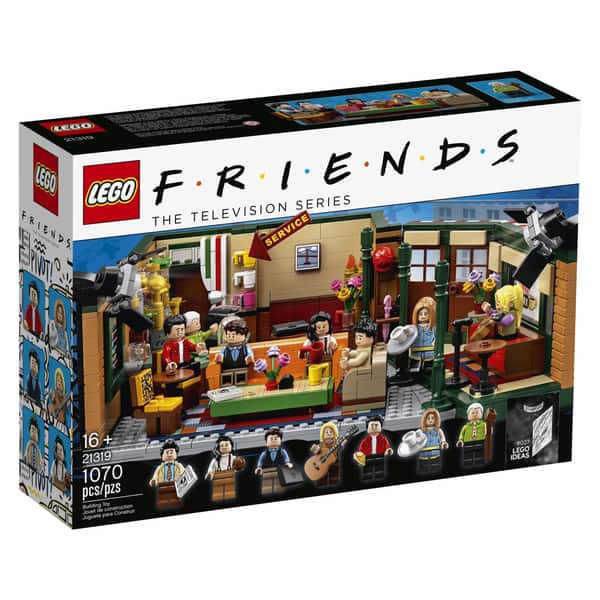
Friends didn’t just debut on September 22, 1994 — it detonated. Six attractive, funny twenty-somethings navigating life in a suspiciously affordable Manhattan apartment became the most popular show on the planet. At its peak, 52.5 million Americans watched the Ross and Rachel saga unfold.
The show’s impact on popular culture was staggering. Jennifer Aniston’s haircut — “The Rachel” — became the most requested style at salons worldwide. Central Perk made every coffee shop a potential hangout. The show’s fashion, language, and relationship dynamics influenced an entire generation’s expectations of adult life.
Friends succeeded because its core appeal was universal: the idea that your friends could be your family. In a decade where young adults were marrying later and moving to cities far from home, the fantasy of six best friends living in each other’s pockets struck a nerve that resonated globally.
The Fresh Prince Brought Hip-Hop to Primetime
When Will Smith burst through the door of the Banks mansion in 1990, he didn’t just enter a TV show — he kicked open a door for hip-hop culture on mainstream television. The Fresh Prince of Bel-Air blended comedy with genuine social commentary, wrapped in one of the catchiest theme songs ever written.
The show deftly explored race, class, identity, and family dynamics while never forgetting to be hilarious. Carlton’s dance became iconic. Geoffrey’s dry wit was legendary. And the episode where Will’s father abandons him again remains one of the most emotionally devastating moments in sitcom history.
Fresh Prince proved that a show centered on Black culture could achieve massive crossover success without diluting its identity. It opened doors for shows like Martin, Living Single, and Moesha, expanding the range of Black stories told on television.

The Sitcoms That Shaped Generations
Beyond the big three, the 90s overflowed with brilliant comedies. Frasier took the Cheers formula and elevated it with sophistication and wordplay. Home Improvement turned Tim Allen into a mega-star. The Simpsons, technically starting in 1989, reached its creative peak in the mid-90s with episodes that were smarter than most prestige dramas.
Roseanne broke ground by depicting an authentic working-class family. Will & Grace brought gay characters to mainstream television in 1998. Everybody Loves Raymond found comedy gold in family dysfunction. Each of these shows found its audience and held it with remarkable consistency.
Martin, Living Single, and In Living Color created comedy that was culturally specific yet universally funny. These shows built a loyal audience and influenced comedy for decades. Living Single actually predated Friends in depicting young adults navigating life and love in New York, a fact that many fans still point out with justified frustration.

Why It Worked: The Perfect Storm
Several factors made the 90s the golden age of sitcoms. First, the economics: a hit network sitcom could reach 30-40 million viewers in a single airing. Syndication deals made creators and actors fabulously wealthy. The cast of Friends famously negotiated together, eventually earning $1 million per episode each.
Second, there was genuine creative freedom. Networks took risks on unconventional premises because the potential payoff was enormous. A show about nothing? Sure. A comedy set in a psychiatrist’s apartment with opera references? Why not. The business model supported artistic experimentation.
Third — and this is crucial — there was no alternative. No streaming, no YouTube, no social media competing for attention. When a sitcom aired, tens of millions watched together. The shared viewing experience created shared cultural references. Everyone knew Newman, everyone knew the Soup Nazi, everyone could sing the Fresh Prince theme.

The Screen Went Dark But the Laughs Echo
Today’s comedy landscape is fractured across streaming platforms, YouTube channels, podcasts, and TikTok. Excellent comedies exist, but they rarely achieve the cultural saturation of 90s sitcoms. A show that gets 5 million viewers is now considered a hit. Seinfeld got 76 million for its finale.
Streaming has given 90s sitcoms a second life, though. Friends became Netflix’s most-watched title before moving to HBO Max. Seinfeld’s arrival on Netflix in 2021 was treated as a major event. New generations are discovering these shows and falling in love with them — a testament to writing that transcends its era.
The 90s sitcom wasn’t just entertainment. It was the last great campfire — millions of people sharing the same stories, laughing at the same moments, debating the same plot twists around the same water cooler every Friday morning. Television has gotten better in many ways since then. But it’s never been that communal again. And it probably never will be.