Candy Cigarettes — The Fake Smokes We All “Lit Up” in the 80s and 90s
Picture this: You’re ten years old, standing at the convenience store counter in 1987, fishing quarters from your pocket. “Can I get some candy cigarettes?” you ask, and for a brief moment, you feel like the coolest kid on the block. That little cardboard box with its pristine white sticks wasn’t just candy — it was your ticket to feeling grown-up, rebellious, and slightly dangerous, all while your biggest worry was whether you had enough change for a Slurpee.
Candy cigarettes were the ultimate paradox of childhood: forbidden fruit that wasn’t actually forbidden. We’d stand in groups on the playground, pretending to “light up” our chalky white sticks, exhaling imaginary smoke rings while feeling like we were getting away with something. Looking back, it’s wild to think that an entire generation of kids grew up role-playing with fake cigarettes, and our parents just… let us.
But here’s the thing about candy cigarettes — they weren’t just some random sweet treat. They were a cultural phenomenon that sparked controversy, launched health studies, and eventually forced an entire industry to rebrand. The story of candy cigarettes is really the story of how our attitudes toward childhood, marketing, and “harmless” fun completely shifted over a couple of decades.
The Retro Almanac
A monthly roundup of "on this day" highlights from that month, decades back — plus first dibs on new retro merch drops. No spam, just the good stuff.
What Were Candy Cigarettes?
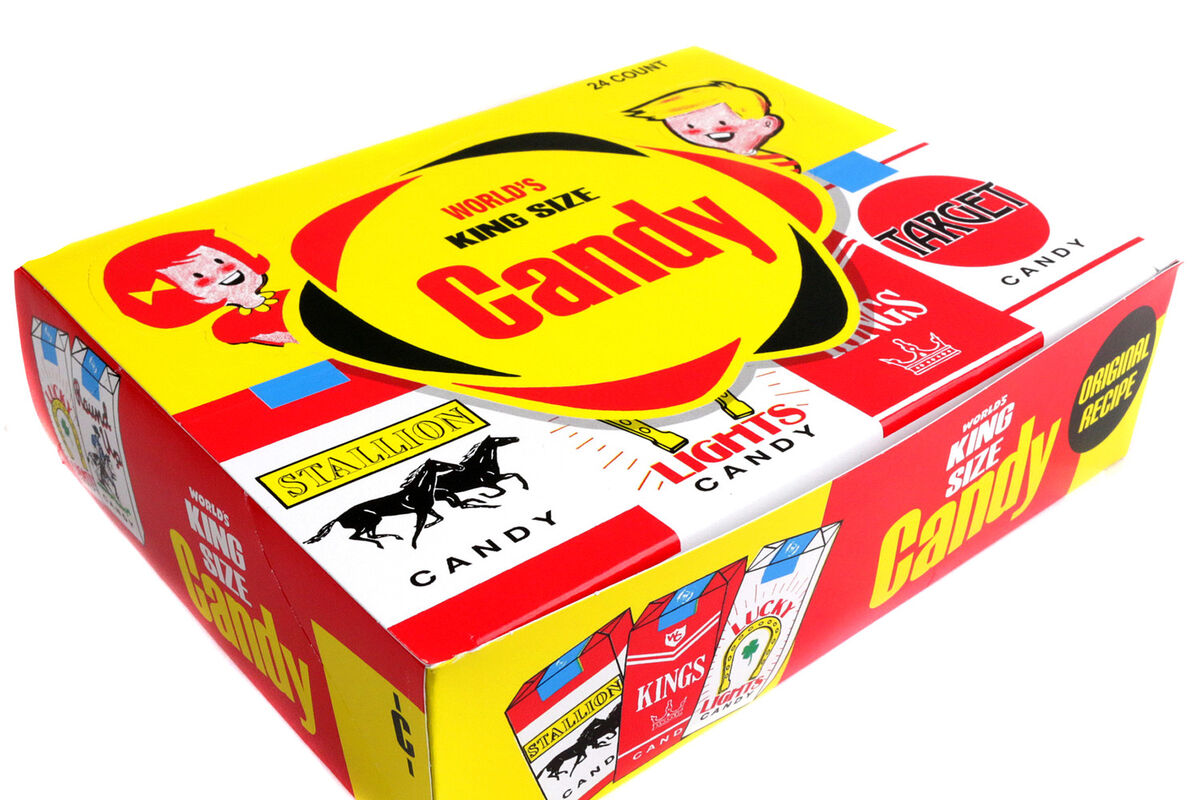
For those who somehow missed this rite of passage, candy cigarettes were exactly what they sounded like: candy designed to look, feel, and even “smoke” like real cigarettes. These weren’t subtle imitations — they were shameless replicas, complete with packaging that mimicked popular tobacco brands, right down to the fonts and color schemes.
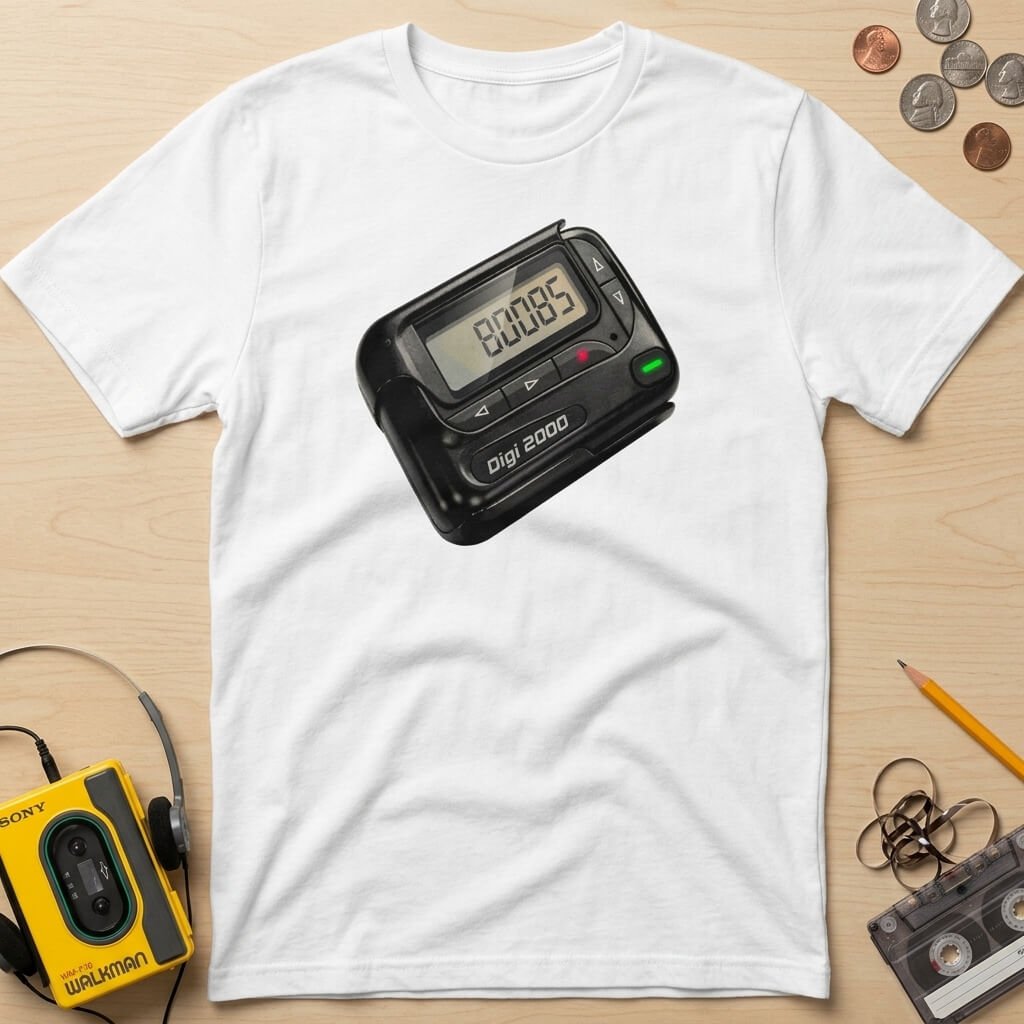
Browse retro and vintage-inspired apparel at the RetroRadical shop →
The Retro Almanac
A monthly roundup of "on this day" highlights from that month, decades back — plus first dibs on new retro merch drops. No spam, just the good stuff.