Game Boy: 9 Wild Facts About Nintendo’s 1989 Icon
In 1989, Nintendo shipped a grey plastic brick with a screen the color of pea soup — and it buried three rivals that had color graphics and faster chips. The Game Boy looked outdated the day it launched. That was the whole point. While Sega and Atari chased flashy specs, Nintendo bet that battery life, a low price, and one addictive puzzle game would matter more than pixels. They were right by about 100 million units. Here are nine wild facts about the little handheld that taught a generation to play Tetris under the bedsheets.
1. It launched in 1989 with a screen straight out of the past
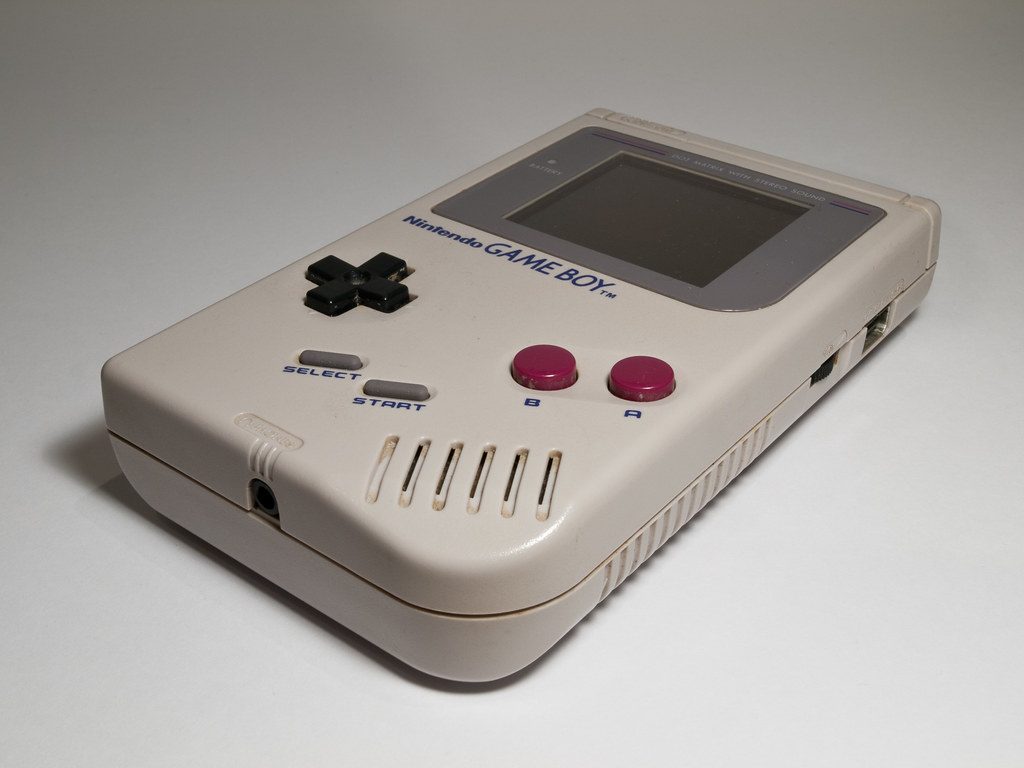
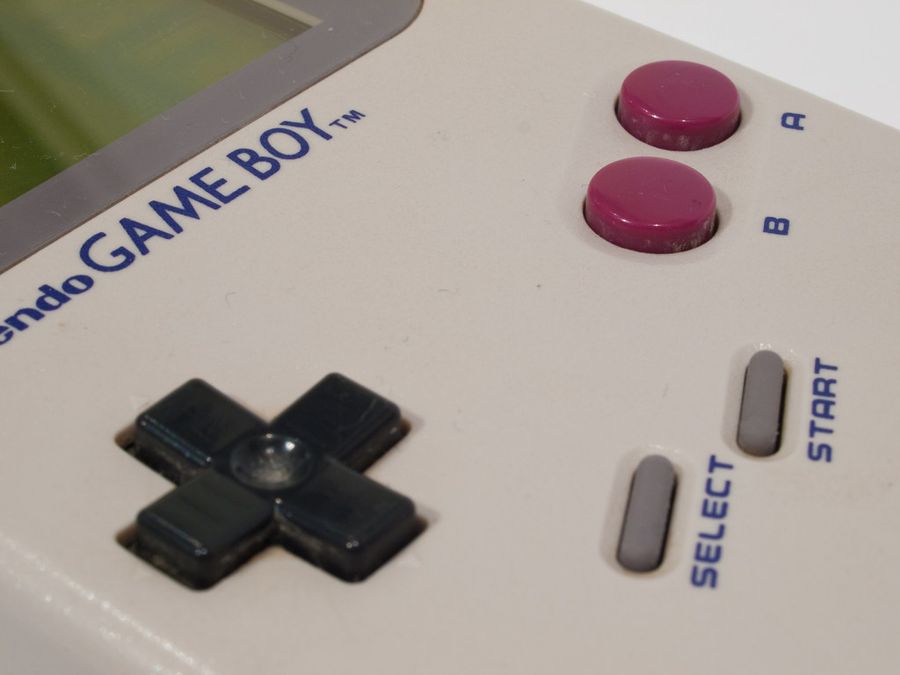
The Game Boy hit Japanese shelves on April 21, 1989, and reached North America that summer for $89.99. Its display was a 2.6-inch dot-matrix LCD that showed four shades of “green” — really more of a swampy grey-green — at a chunky 160×144 resolution. There was no backlight, so you angled it toward a lamp and prayed. Compared to the color screens its competitors were about to launch, it looked like a step backward. Kids didn’t care. The thing turned on instantly, fit in a coat pocket, and could be dropped down a flight of stairs without dying.
The Retro Almanac
A monthly roundup of "on this day" highlights from that month, decades back — plus first dibs on new retro merch drops. No spam, just the good stuff.
2. Gunpei Yokoi built it to be cheap, tough, and nearly unkillable
The Game Boy was the work of Gunpei Yokoi and Nintendo’s R&D1 team, and it ran on a design philosophy Yokoi called “lateral thinking with withered technology.” Translation: take old, cheap, well-understood parts and use them in a clever new way. A monochrome screen and an 8-bit processor were ancient by 1989 standards, which is exactly why they were affordable and reliable. Yokoi had already proven the idea with the Game & Watch handhelds. The Game Boy was that philosophy at full volume — a device engineered to be inexpensive to make, forgiving to own, and impossible to kill.
3. Tetris, not Mario, made it a phenomenon
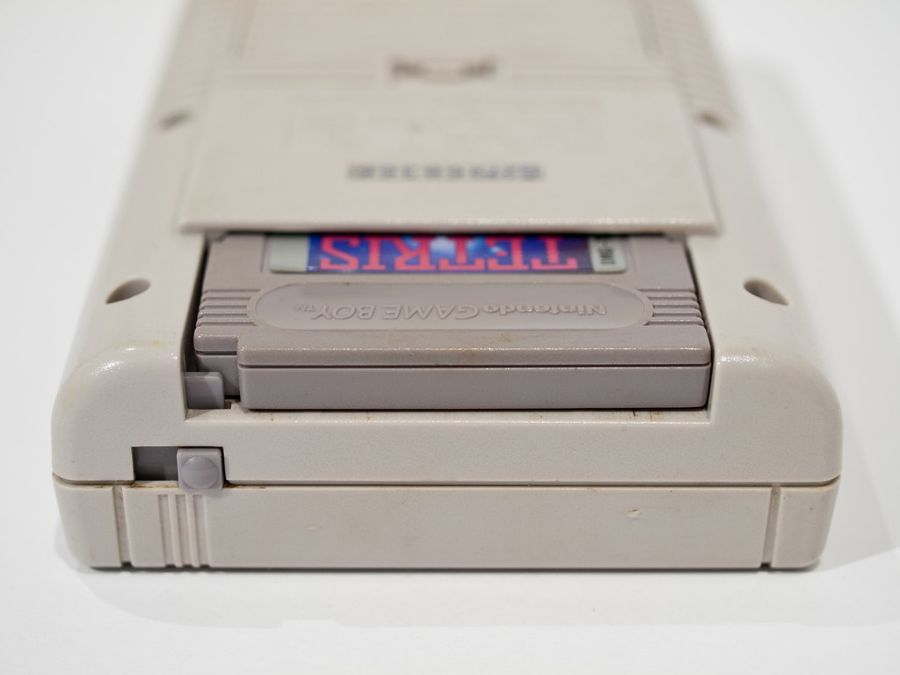
Nintendo almost bundled Super Mario Land with the Game Boy in the West. Henk Rogers, who had wrestled the handheld rights to Tetris out of a Cold War licensing nightmare, talked Nintendo of America president Minoru Arakawa out of it. His pitch was simple: Mario sells to boys, but Tetris sells to everyone — moms, office workers, grandparents, college kids. Bundling the falling-blocks puzzle turned the Game Boy from a toy into a mainstream obsession. Tetris went on to sell around 35 million copies on the system, and for millions of players it was the Game Boy. If you want the full saga of how those blocks nearly triggered an international legal war, our piece on how Tetris was born in 1984 is the rabbit hole.
Nothing captures the 1989 hype like the original television spot that introduced the handheld to America:
4. It crushed rivals that had far better hardware
This is the part that still stuns people. Within about a year of the Game Boy’s launch, Sega dropped the Game Gear, Atari released the Lynx, and NEC pushed the TurboExpress — all with backlit color screens that made Nintendo’s grey slab look prehistoric. Every one of them lost. The Game Gear drained six AA batteries in three to five hours. The Lynx was a battery-hungry tank. The Game Boy just kept going, cost less, and had the games people actually wanted to play. The lesson every hardware maker eventually learns: specs don’t sell consoles, and the best-looking machine rarely wins.
5. A Game Boy survived a Gulf War bombing and still turned on
During Operation Desert Storm in 1991, U.S. Army medic Stephan Scoggins kept a Game Boy in his barracks to kill time. Then Iraqi forces bombed the base. When Scoggins dug through the wreckage, he found his Game Boy with a scorched, warped case, melted buttons, and its motherboard exposed. He mailed the charred remains to Nintendo hoping for a repair. Nintendo’s technicians slid a Tetris cartridge in — and it booted. The company sent Scoggins a brand-new unit and kept the burned original, which spent years running Tetris on a loop behind glass at the Nintendo store in Rockefeller Center. No marketing team could have invented a better durability ad.
6. It ran for 30 hours on four AA batteries
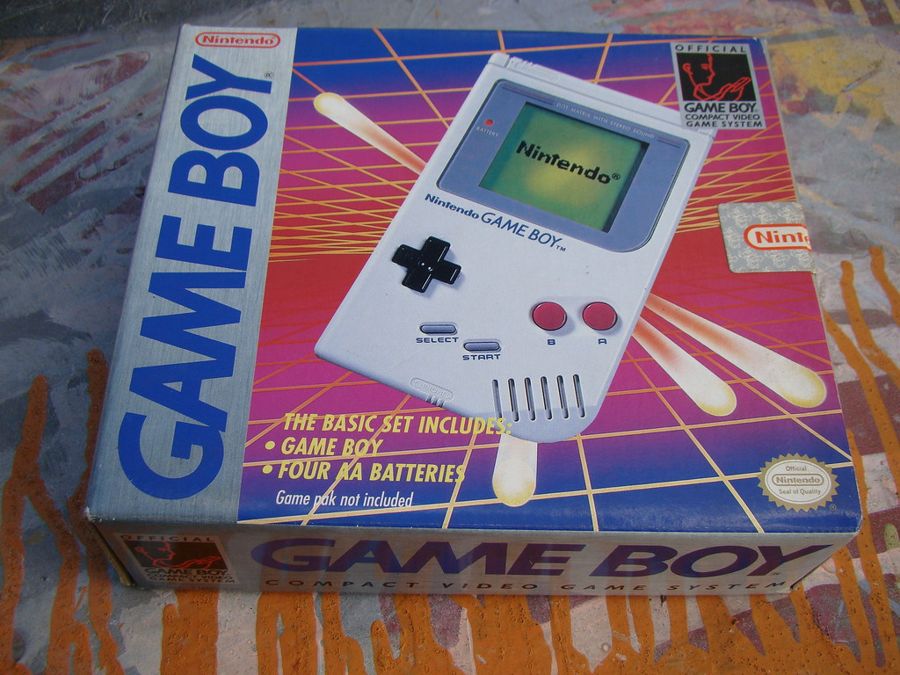
That monochrome screen everybody mocked was the secret weapon. With no backlight and a low-power chip, the Game Boy could squeeze roughly 15 to 30 hours out of four AA batteries. The color competition managed a fraction of that before dying mid-level. For a device meant to travel — on road trips, in classrooms, in the back seat during the family drive to grandma’s — battery life wasn’t a spec-sheet footnote. It was the entire product. A handheld you have to keep plugged in isn’t really handheld, and Nintendo understood that before anyone else did.
7. Pokemon gave the aging brick a second life
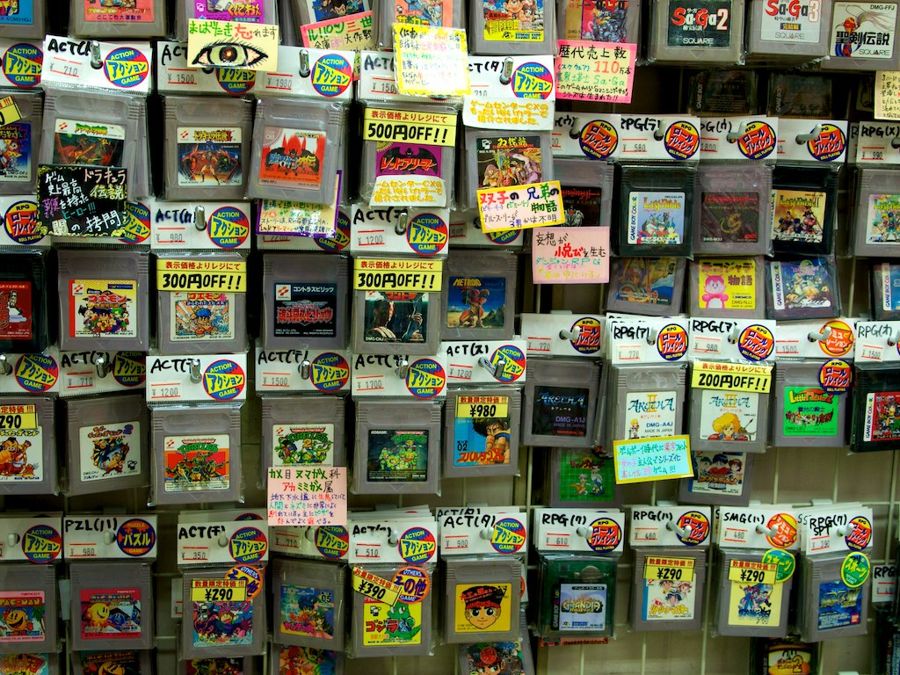
By 1998 the Game Boy was nearly a decade old and looking every day of it. Then Pokemon Red and Blue arrived and detonated. The genius was the Link Cable — that little wire that plugged two Game Boys together. Certain Pokemon could only evolve through trading, which meant you physically needed a friend and a second console. Playgrounds turned into trading floors overnight. Pokemon sold north of 31 million copies on the platform and single-handedly dragged the Game Boy into a second golden age. It’s the same schoolyard-craze energy that powered Pogs and Tamagotchi, except this one had staying power measured in decades.
8. It sold around 118 million units and buried the competition
Counting the Game Boy and Game Boy Color together, Nintendo moved roughly 118 million units — a number that made it the best-selling video game hardware of its era and one of the most successful electronics products of the entire 20th century. To put it in perspective, its color-screen rivals combined didn’t come close. The grey brick that reviewers called underpowered outsold everything, proving that the console war isn’t won in a spec comparison. It’s won in the hands of a kid who just wants the batteries to last the whole car ride.
9. The Pocket, Light, and Color kept the legend alive for a decade
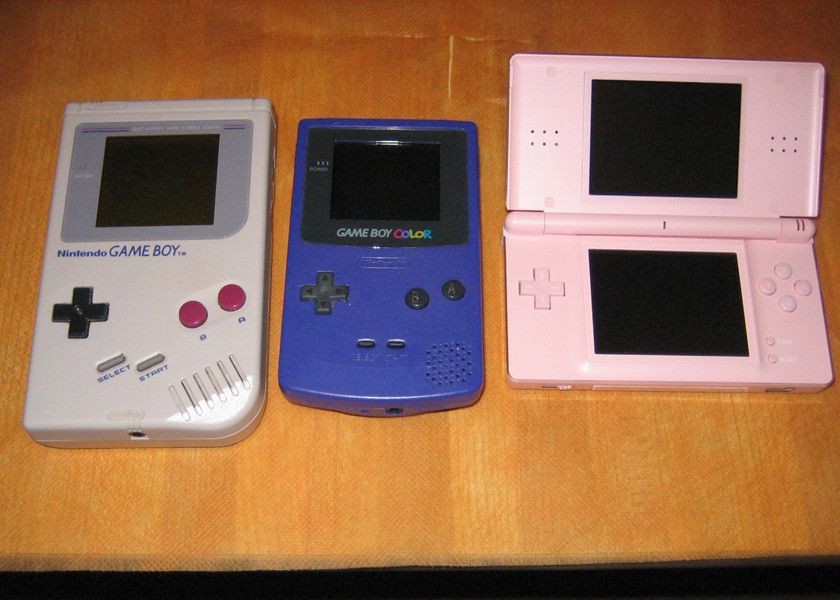
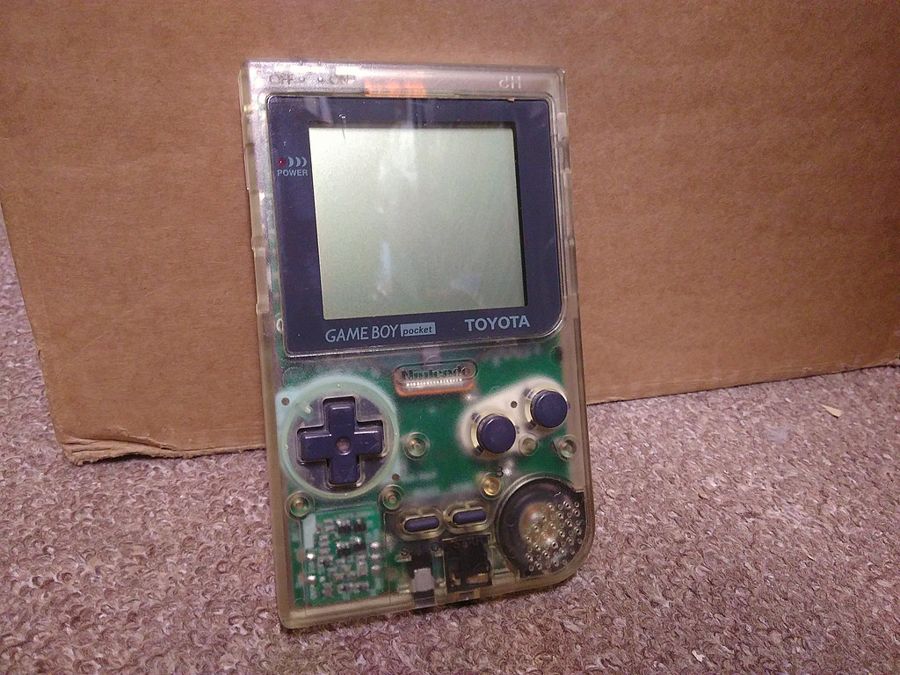
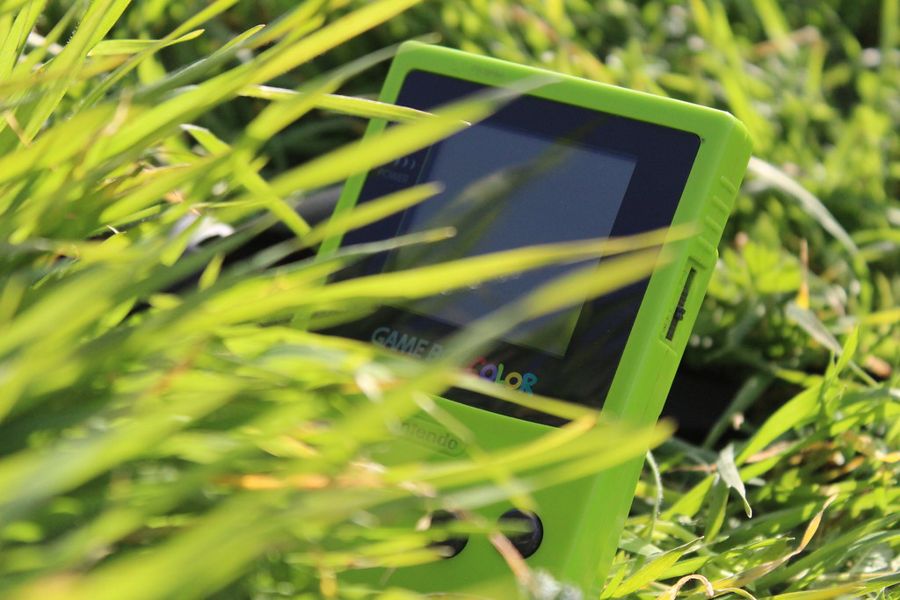
Nintendo didn’t reinvent the Game Boy so much as refine it. The 1996 Game Boy Pocket shrank the brick, swapped in a truer black-and-white screen, and ran on two AAA batteries. Japan got the Game Boy Light with a genuine backlight — the feature everyone had begged for since 1989. Then the 1998 Game Boy Color finally delivered real color while staying backward-compatible with the entire original library. That backward compatibility mattered: your old cartridges still worked, so nobody’s collection became junk. The line ran essentially unbroken from 1989 until the Game Boy Advance took over, a staggering shelf life for consumer electronics.
Why the Game Boy still matters in 2026
Walk into any retro shop today and the grey brick is right there on the shelf, often more expensive than it was new. Collectors chase boxed launch units, modders drop backlit IPS screens into original shells, and a whole cottage industry exists to restore that 1989 hardware to better-than-factory condition. The Game Boy’s real legacy isn’t nostalgia, though — it’s the design lesson. Nintendo would run the exact same playbook with the Wii and the Switch: skip the arms race, build something cheap and durable and fun, and let the games do the talking. That handheld formula started with a pea-green screen and four AA batteries. If you came up in the era, you probably remember the NES that came before it — here’s how the NES saved gaming and set the stage for the handheld that put Nintendo in your pocket.
The Game Boy wasn’t the most powerful machine of its generation. It wasn’t even close. But three decades later, it’s the one we still talk about, still collect, and still fire up to hear that startup ping. Dig yours out of the closet this weekend, grab a fresh set of AAs, and see if Tetris still has its hooks in you. Spoiler: it does.
Game Boy FAQ
When did the Game Boy come out? Nintendo launched the Game Boy in Japan on April 21, 1989, and rolled it out in North America that summer at a price of $89.99. Europe got it in 1990.
How many Game Boy units were sold? Combined with the Game Boy Color, Nintendo sold roughly 118 million units, making it one of the best-selling gaming devices ever made.
Why was the Game Boy so successful with a worse screen? Price, durability, and battery life beat raw power. A monochrome screen let it run 15 to 30 hours on four AA batteries while color rivals like the Sega Game Gear died in a few hours — and Tetris in the box sealed the deal.
Is an original Game Boy worth anything today? A loose working unit is affordable, but boxed launch models and rare special editions command real money, and modded units with backlit screens have a thriving collector market.
Sources
- Game Boy — Wikipedia — Launch dates, hardware specs, sales figures, and design history.
- In 1989, a big gray brick became gaming’s new smash hit — NPR — The Game Boy’s 1989 American launch and cultural impact.
- The Game Boy That Survived a Bombing — Atlas Obscura — The Gulf War Game Boy story and its Nintendo store display.
- When Nintendo’s Game Boy Helped Video Games Grow Up — Mental Floss — Gunpei Yokoi, Tetris bundling, and the handheld’s legacy.
Browse retro and vintage-inspired apparel at the RetroRadical shop →
The Retro Almanac
A monthly roundup of "on this day" highlights from that month, decades back — plus first dibs on new retro merch drops. No spam, just the good stuff.