Soviet Exit from Afghanistan: 7 Shocking Cold War Facts From May 15, 1988
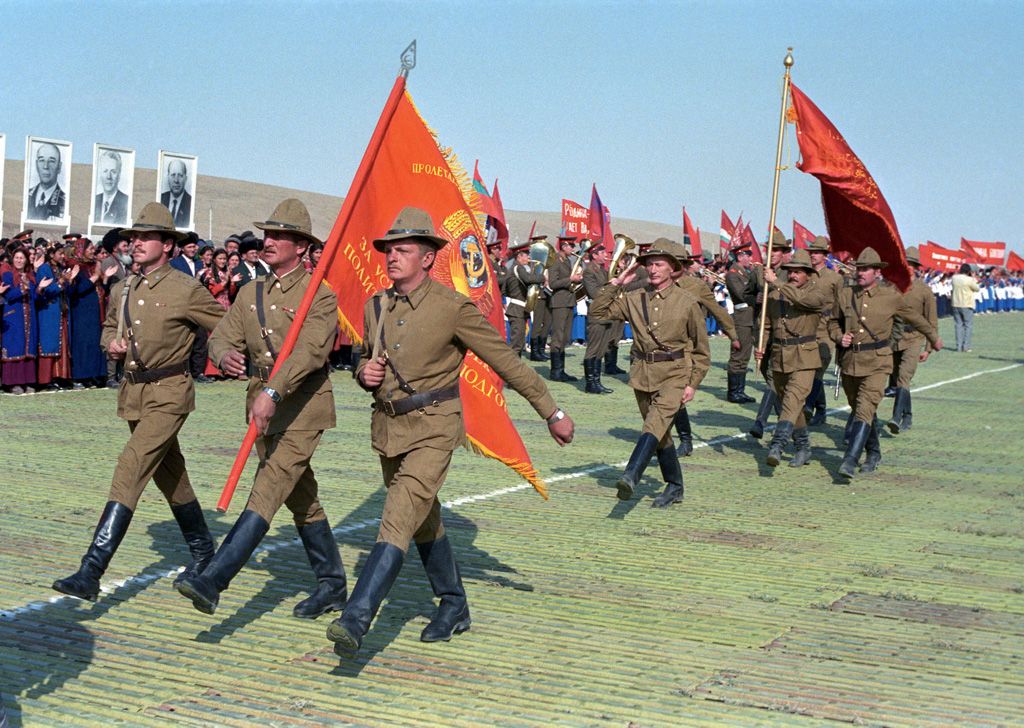
On May 15, 1988, Soviet tanks rolled across the Friendship Bridge at Termez and crossed back into the USSR. After nine years of brutal war in Afghanistan — a conflict the world had nicknamed Russia’s Vietnam — Mikhail Gorbachev finally pulled the plug. The first phase of the Soviet exit from Afghanistan had begun, and the world was watching.
It was a Cold War moment frozen in time, one of those Polaroid-clear flashpoints between the era of Reagan saber-rattling and the era of glasnost. Here are 7 wild facts about the day the Soviets started walking away from the war that helped end their empire — and the messy, fascinating Cold War context that surrounded the long retreat.
1. It Took a Peace Deal Three Countries Couldn’t Enforce
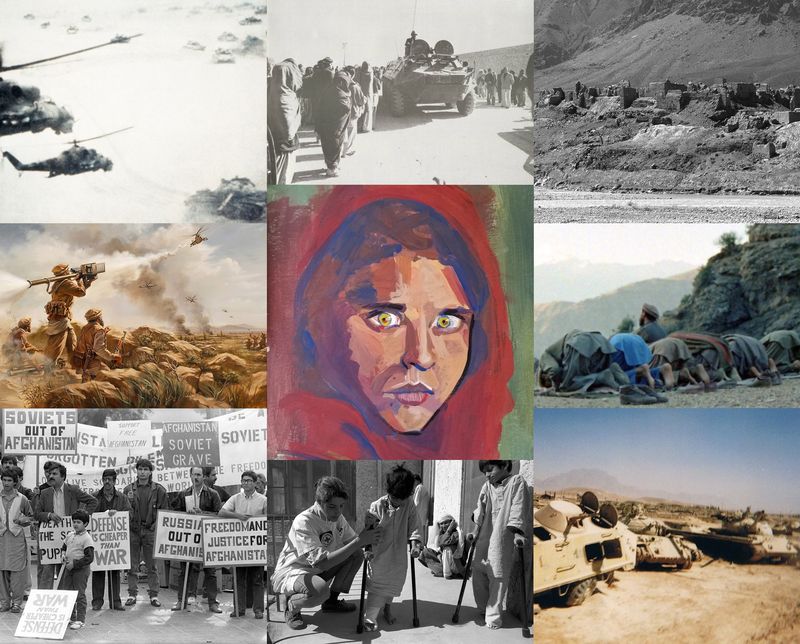
The withdrawal was triggered by the Geneva Accords, signed April 14, 1988 — barely a month before the first columns rolled out. The U.S., USSR, Pakistan, and the Soviet-backed Afghan government all signed. The Mujahideen, the actual fighters across most of the country, were never invited to the table and refused to accept any of the terms. The result was almost predictable: the foreign troops left on schedule, but the war on the ground kept going long after the last Soviet soldier crossed the bridge.
The Retro Almanac
A monthly roundup of "on this day" highlights from that month, decades back — plus first dibs on new retro merch drops. No spam, just the good stuff.
The Accords were a paper face-saving exercise more than a real settlement. They locked in non-interference clauses that the U.S. and Pakistan continued to ignore, kept supplying the Mujahideen, and committed Moscow to a fixed timetable that gave Gorbachev political cover at home. Diplomats called it a triumph of negotiation. Afghans called it the start of another phase of the same war.
Browse retro and vintage-inspired apparel at the RetroRadical shop →
The Retro Almanac
A monthly roundup of "on this day" highlights from that month, decades back — plus first dibs on new retro merch drops. No spam, just the good stuff.