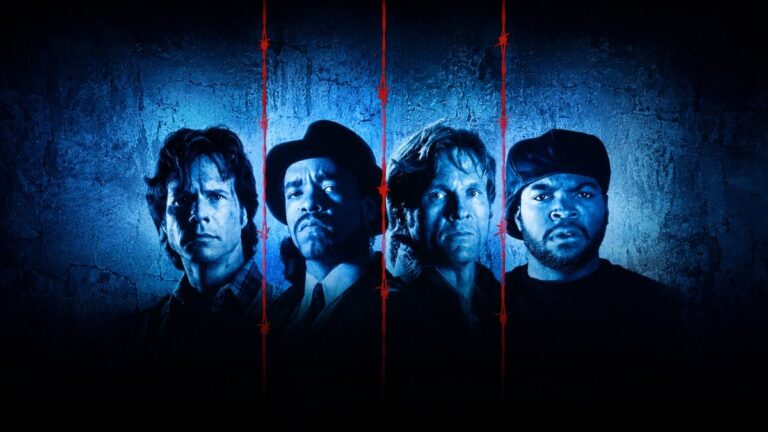
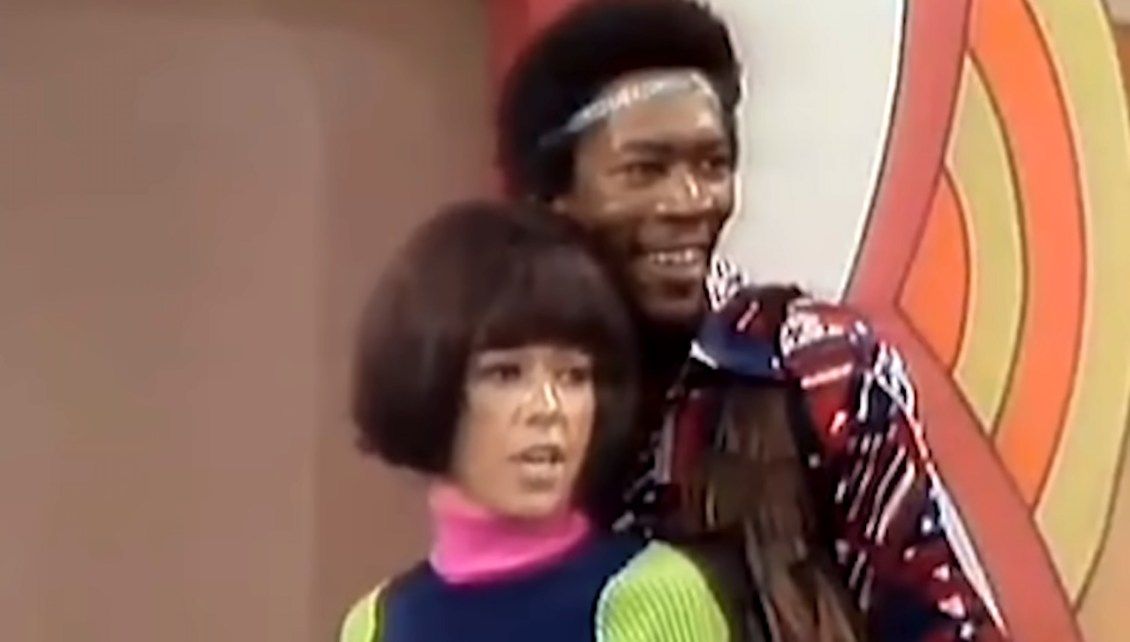
The Electric Company cast — Morgan Freeman as Easy Reader and Rita Moreno on the 1971 PBS show set
|

The Electric Company: Inside the Best 1971 PBS Show

“Hey, you guys!” Rita Moreno shouted that line at the top of every Electric Company episode between 1971 and 1977, and for 780 half-hours she meant it. PBS built the show for seven-to-ten-year-olds who had aged out of Sesame Street but still couldn’t reliably read a cereal box. The Children’s Television Workshop put a Grammy winner, a future Oscar winner, and a sitcom king on the same set, then handed them sketch comedy that hid phonics drills inside disco numbers and a sweet 1969 leather jacket. The result was the most underrated education show ever broadcast in North America.
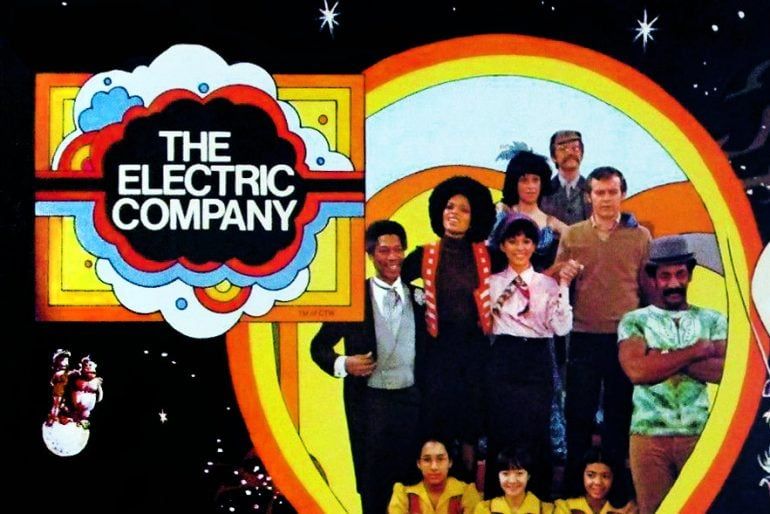
The Electric Company TV show 1970s PBS cast and original rainbow logo

Why PBS Built a Show for Kids Who Could Already Watch Cartoons

The premise sounds dull on paper. A federally funded broadcaster decided that Sesame Street, which had launched two years earlier, was leaving older grade-schoolers behind. Joan Ganz Cooney, Lloyd Morrisett, and Paul Dooley pitched a follow-up aimed squarely at the second-grade reading slump — the moment when a kid who learned letters from Big Bird is supposed to start decoding actual sentences but stalls. About a third of American second-graders were reading below grade level when the show debuted, and PBS thought variety sketches might do what flashcards couldn’t.

The bet paid off. Within two years The Electric Company was being shown inside US classrooms during school hours, the first PBS program ever folded into formal curriculum that way. Teachers got companion magazines. Sponsors got a giant Grammy nomination. The cast got a guarantee that they’d be on TV every weekday for half a decade.

The Electric Company Cast Was Hiding Future Legends in Plain Sight

Look at a 1971 cast photo and you’ll spot Bill Cosby, Rita Moreno, Morgan Freeman, Lee Chamberlin, Judy Graubart, and Skip Hinnant standing in a row. In 1971, only one of them was famous. Cosby had already done I Spy and the standup specials. Moreno had the West Side Story Oscar. The other four were New York stage actors with résumés most people had never heard of.

That changed fast. Moreno used The Electric Company to lock in her EGOT — the show’s 1972 cast album won the Grammy for Best Children’s Recording, giving her the “G” she was missing. Morgan Freeman spent five years on the show learning what worked on camera before stepping into Street Smart and the Oscar nominations that followed. Even the kid singers in The Short Circus produced future names: a young Irene Cara sang in season one before Fame, and Todd Graff and Réjane Magloire kept performing for decades.

Morgan Freeman as Easy Reader and Rita Moreno on The Electric Company 1971 PBS set

Easy Reader Was Morgan Freeman’s Greatest Pre-Hollywood Character

Easy Reader is the reason Gen X knows Morgan Freeman read books before Andy Dufresne handed him a harmonica. The character — a leather-jacketed, headband-wearing hipster who couldn’t stop reading anything in front of him, including ketchup labels and No Parking signs — first appeared in 1971. The name was a pun on the 1969 Peter Fonda film Easy Rider, and Freeman’s costume looked like Wyatt and Billy had pawned the bikes for library cards.

The bit was simple and never got old. Easy Reader would wander into a scene chewing on a paperback, lift the camera onto whatever printed word was nearby, and sound it out with a slow, almost musical cadence. It was Freeman teaching himself the patient cadence he’d use forty years later in March of the Penguins. The character returned across all six seasons.

Easy Reader Morgan Freeman on The Electric Company at the junk shop sketch

Letterman, Fargo North Decoder, and the Sketches That Stuck

Easy Reader gets the headlines, but the show ran a deeper bench of recurring bits. The Adventures of Letterman, an animated Superman parody made by John and Faith Hubley, dropped sixty cartoons between 1972 and 1976 with a football-helmeted hero who saved the day by swapping letters in words. Zero Mostel narrated. Joan Rivers voiced the heroine. Gene Wilder voiced the Spell Binder villain. PBS basically had a Broadway lineup hidden inside a vocabulary lesson.

Fargo North Decoder was Skip Hinnant playing a trench-coated detective whose only case was figuring out what a confused client’s note actually said. Jennifer of the Jungle was Judy Graubart in a leopard print throwing punctuation at illiterate gorillas. Vi the Diner Waitress (Lee Chamberlin) and Pedro (Luis Ávalos) ran bilingual gags before bilingual gags were considered education policy. And the silhouettes — two profiles spelling out a two-syllable word from opposite sides of the screen, slowly clicking into one mouth — became the show’s single most recognizable visual trick.

Morgan Freeman as Easy Reader on The Electric Company with cast member holding bottle

Spider-Man Showed Up in 1974 and Everything Got Weirder

In the show’s fourth season, Marvel handed PBS the rights to Spider-Man for free — Stan Lee figured it was promotion he didn’t have to pay for. The CTW cast Danny Seagren, a Muppet puppeteer who had spent the early ’70s working alongside Jim Henson, as the first live-action Spider-Man ever filmed. He played the role from 1974 to 1977, three years before the prime-time Amazing Spider-Man series put Nicholas Hammond in the suit.

Spidey Super Stories had one rule that made the segment unforgettable: Spider-Man never spoke aloud. Every line of dialogue appeared as a comic-book speech balloon hovering next to his masked head. Kids had to read the balloon to follow the plot. Budget was so tight that whole action sequences were just static comic panels superimposed over the actor, but it worked. Marvel published a companion Spidey Super Stories comic from 1974 to 1982, with 57 issues that pulled in early-reader buyers who’d never have touched Amazing Spider-Man.

Spider-Man on The Electric Company Spidey Super Stories segment with thought balloon

Seagren went on to a quiet life of regional theater and puppet work — he died in late 2025 at 81 — but for three seasons he was the most-watched Spider-Man on the planet, and easily the cheapest.

Spider-Man on The Electric Company 1974 with comic panel speech balloons

The Music Did More Teaching Than the Sketches Did

Joe Raposo composed the show’s bouncing theme song — “We’re gonna turn it on, we’re gonna bring you the power” — and the cast belted it like they actually meant it. He had already written “Bein’ Green” for Kermit and was about to write “Sing” for the Carpenters. Raposo treated every phonics drill like a pop number.

The 1972 cast album, recorded at Reeves Teletape Studios, beat out the Sesame Street record and four other nominees for the Children’s Recording Grammy. Tracks like “The Sound Of S” and “Silent E’s Got A Bullet” still get pulled up on YouTube every time a millennial parent tries to teach their kid that “tap” plus a silent E becomes “tape.” The trick worked because the music never sounded like instruction. It sounded like Earth, Wind & Fire arrived to teach you the rules for short vowels.

Danny Seagren the actor who played Spider-Man on The Electric Company

What The Electric Company Got Right That Sesame Street Couldn’t

The truth is, most retrospectives treat The Electric Company as Sesame Street‘s little brother, and that gets it backwards. Sesame had Muppets and a pre-school audience. Electric had real actors playing real comedy at real grade-school timing — closer to Laugh-In than Mister Rogers. The cast performed in front of live studio audiences, which meant the gags had to actually land, not just look cute on camera. Read any review of the 2009 PBS reboot and you’ll see the comparison: the new version had budget, but no one ever shouted “Hey, you guys!” with the same urgency.

The show also took race seriously without making a show out of it. Three of the six main cast members across the run were Black. Two were Latino. The bilingual sketches were standard, not special-event programming. In a decade when prime-time TV was still arguing about whether Norman Lear’s casting choices were too radical, a PBS kids’ show was quietly mixing a Puerto Rican Oscar winner, a Black sitcom star, and a Black classical actor in every single sketch.

You can trace the same instinct in later ensemble nostalgia hits — the cast chemistry doing more storytelling work than the scripts. And the Letterman parody owes more than a passing nod to the Christopher Reeve era of Superman that was just gearing up across the hall at the Reeves studio.

The Electric Company 1971 PBS show vintage logo from animated segments

Why Bill Cosby Disappeared From Reruns

Cosby was on The Electric Company for the first season only. He left in 1972 to launch Fat Albert and the Cosby Kids on CBS, where he could control the franchise himself. Decades later, after the 2018 sexual assault conviction (later overturned on procedural grounds in 2021), the Shout! Factory DVD compilations of the show quietly minimized his segments. PBS streaming made the same edit. His Hank, Marko the Magician, and Ken Kane sketches still exist in the original master tapes, but they aren’t part of the marketing anymore.

The rest of the cast is still working. Moreno is 94 and acting. Freeman is 88 and still narrating documentaries. The Children’s Television Workshop is now Sesame Workshop, and the rights to The Electric Company sit in their library waiting for the next reboot pitch.

The Numbers, the Awards, and Where to Watch It Now

Across its run, the show won three Daytime Emmy nominations and the 1972 Children’s Recording Grammy. It produced 780 episodes — 130 per season for six seasons — and continued in reruns until October 4, 1985, which is why so many people who think of it as a “70s show” actually first watched it as 80s after-school programming. The 2006 four-DVD Best of The Electric Company set from Shout! Factory remains the highest-quality home release, covering 20 episodes including three with Spidey Super Stories.

In 2026, full episodes float across YouTube uploads from collectors, the PBS Kids streaming app rotates select segments, and Amazon Prime carries a “Classic” volume one. The full archive is not in regular release. If you want to go deeper into the era’s pop culture economy, the unreleased PBS archive is the white whale.

Half a century after the first episode, the show’s catchphrase ended up where it always belonged — on a tribute reel for Rita Moreno’s lifetime achievement award. “Hey, you guys!” still works. The reading scores it produced did too.

Sources

  1. The Electric Company — Wikipedia — Overview, episode count, cast list, and production history.
  2. NPR: The Electric Company debuted 50 years ago — 50th anniversary feature on the show’s reading mission.
  3. Spidey Super Stories — Wikipedia — Background on the Marvel/PBS Spider-Man segments and Danny Seagren.
  4. Snopes: Was Morgan Freeman on The Electric Company? — Verification of Freeman’s Easy Reader role and dates.
  5. The Hollywood Reporter: Danny Seagren obituary — Career details for the first live-action Spider-Man actor.
  6. PBS Great Performances: Rita Moreno’s PBS Journey — Moreno’s role and the “Hey, you guys!” catchphrase.

The Electric Company Opening Clip

Similar Posts

Leave a Reply

Your email address will not be published. Required fields are marked *