Grunge vs Punk: The Family Feud That Reshaped Rock
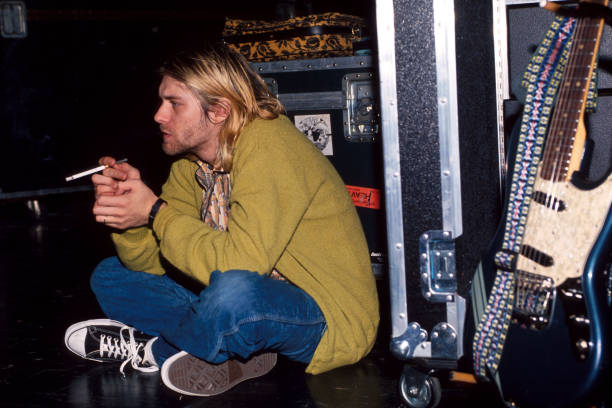
In 1991, a kid from Aberdeen wearing a thrift-store cardigan and torn jeans went on MTV, mumbled into a microphone, and accidentally killed hair metal. Six months later, punk veterans across the country were sitting in their kitchens, staring at the cover of Nevermind, and grinding their teeth. Grunge had arrived — and depending on which couch you were sitting on, it was either punk’s greatest victory or its final, humiliating sellout. The grunge vs punk argument has been simmering for thirty-five years now, and the truth, as usual, is messier than either side wants to admit.
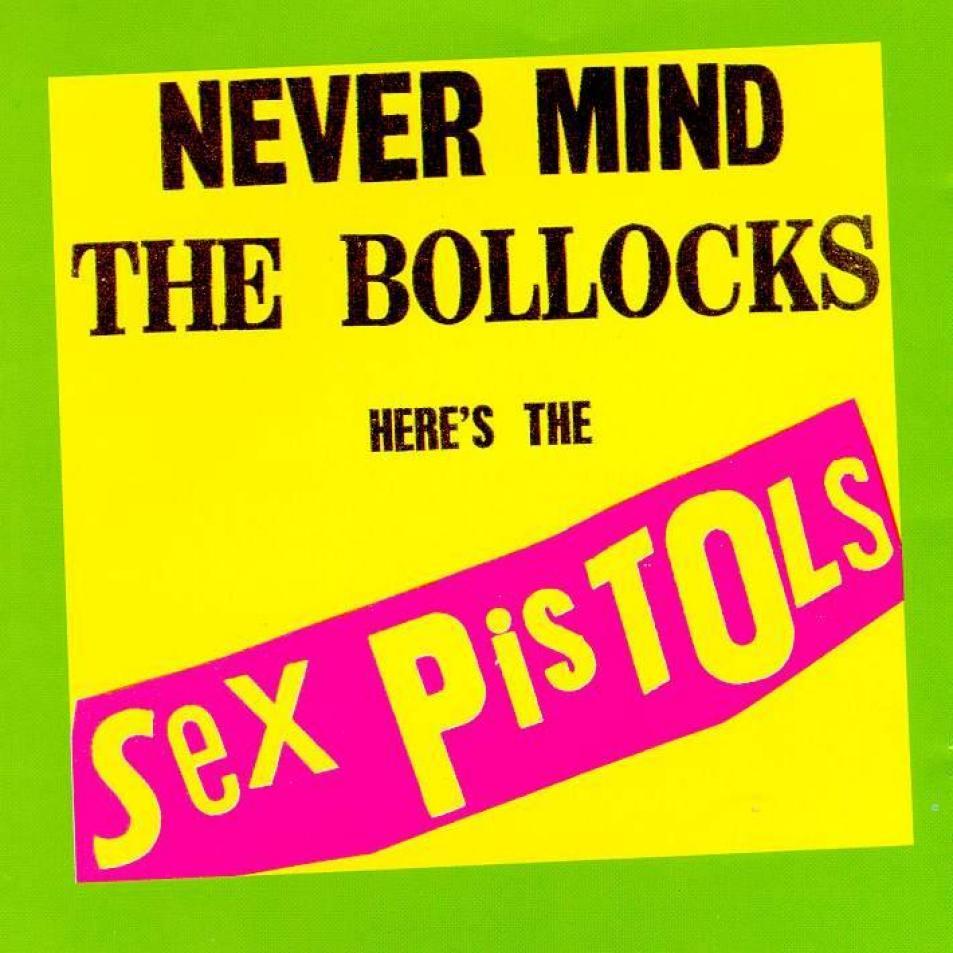
This wasn’t a feud between strangers. It was a family fight — louder, uglier, and more personal because everyone in the room was related by blood. Nirvana didn’t fall out of the sky. Pearl Jam didn’t invent angst. Every flannel-wearing kid who screamed along to “Smells Like Teen Spirit” was standing on a foundation poured by Black Flag, the Sex Pistols, the Ramones, Minor Threat, and a thousand other bands who’d spent fifteen years bleeding in basements for the privilege of being ignored. So when grunge cashed the check punk wrote, the original punks had every right to be a little bit furious.
Punk Built the House, Grunge Just Moved In
Punk started in 1976 with the Ramones counting off “1-2-3-4!” at CBGB and the Sex Pistols spitting on the queen across the Atlantic. By 1980, American hardcore had picked up the baton and turned it into a weapon. Black Flag was touring in a van that smelled like a gym sock. Dead Kennedys were getting sued by the city of San Francisco. Minor Threat was inventing straight edge by accident. These bands had no industry support, no MTV play, no money, and somehow they built a national underground network of clubs, fanzines, and labels on pure stubbornness.
The Retro Almanac
A monthly roundup of "on this day" highlights from that month, decades back — plus first dibs on new retro merch drops. No spam, just the good stuff.
By the time the Melvins, Soundgarden, and a teenage Kurt Cobain started picking up guitars in the Pacific Northwest, punk had done all the heavy lifting. The infrastructure was already there. SST, Sub Pop, Touch and Go — these labels existed because punk demanded they exist. When Bleach came out in 1989 on Sub Pop, it sold maybe forty thousand copies. That was a punk number. That was a punk label. That was a punk band. Nobody on the East Coast had heard of Nirvana yet, and that was fine, because punk had never really been about being heard.
Browse retro and vintage-inspired apparel at the RetroRadical shop →
The Retro Almanac
A monthly roundup of "on this day" highlights from that month, decades back — plus first dibs on new retro merch drops. No spam, just the good stuff.