Grunge Always Comes Back When the Economy Tanks
There’s a pattern in American fashion that almost nobody mentions: every time the economy cracks, grunge crawls back out. Not “vintage.” Not “thrifted.” Grunge specifically — flannel, ripped denim, combat boots, faded band tees, the deliberate refusal to look expensive. It happened in 1991. It tried in 2008. And it’s happening again right now, in 2024 and 2025, while a generation that wasn’t alive for Nirvana wears Sonic Youth shirts that cost more than a week’s groceries.
If you’re Gen X, you’ve been watching this with a complicated kind of smirk. The kids on TikTok think they invented this. They didn’t. You did. Or rather, Seattle did, in a year when nobody had any money.

The 1991 Conditions Are Back
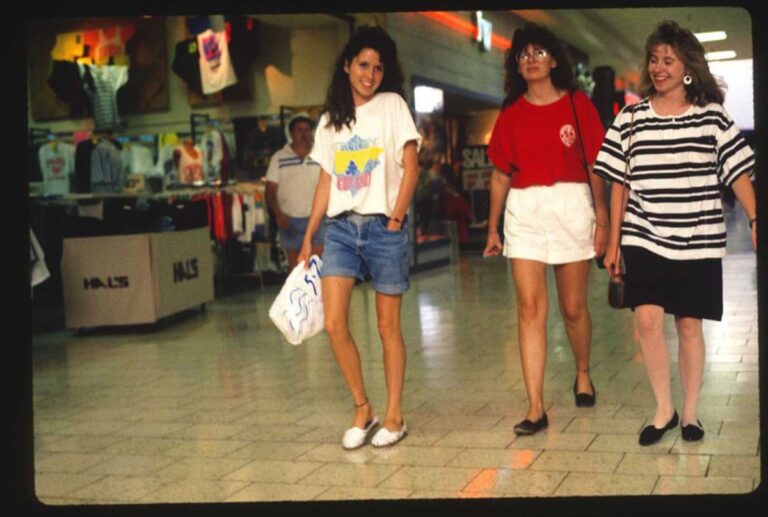
Let’s run the receipts. The original grunge explosion — Nirvana’s Nevermind hitting number one in January 1992, Pearl Jam’s Ten outliving every major rock release of that decade, Sonic Youth opening for them both — happened against a specific economic backdrop. The 1990–1991 recession had crushed wages for anyone under thirty. The housing market was sour. Manufacturing jobs were leaving. College tuition had started its decades-long climb. Mall culture was still dominant but felt increasingly absurd to a generation that couldn’t afford it.
The Retro Almanac
A monthly roundup of "on this day" highlights from that month, decades back — plus first dibs on new retro merch drops. No spam, just the good stuff.
Grunge was the visual answer to “I cannot and will not pretend I have money.” Flannel from Goodwill. Combat boots from the army surplus store. Jeans you actually wore until they fell apart, not jeans pre-distressed in a factory and sold for $300. The aesthetic was honest in a way the late-80s shoulder-pad executive look never was.
Fast forward to 2024. Inflation has hammered grocery bills for three years. Housing is mathematically out of reach for anyone under 35 in most major American cities. The job market is uneven, AI is rattling white-collar workers, and a generation has aged into adulthood without ever experiencing the kind of stability their parents took for granted. The cultural conditions are the same. So is the wardrobe.
What Gen Z Actually Bought
The data here is wild. Vintage band t-shirts — actual 1990s tour merch from Nirvana, Sonic Youth, Pearl Jam, Soundgarden, Alice in Chains — are the fastest-appreciating category on resale platforms like Grailed and eBay. A 1992 Nirvana In Utero tour shirt that sold for forty dollars in 2015 routinely clears two thousand in 2024. A Sonic Youth Goo-era shirt in good condition can hit fifteen hundred. Kurt Cobain’s actual cardigan from the MTV Unplugged session sold for $334,000 in 2019, then was eclipsed by other Cobain-worn pieces selling for more.
But the real economy is below those headline numbers. There’s a whole market of teenagers and twenty-somethings buying reproductions, knockoffs, and “inspired by” pieces from Depop, Urban Outfitters, and Brandy Melville. Urban’s vintage program, which sources authentic 90s tees in bulk and resells them for $60–$120, is one of the company’s most profitable lines. The kids do not care that they weren’t alive for the original tour. They care that the shirt looks like it was worn to one.

Carhartt Goes Cobain
The interesting wrinkle in the 2020s version is the workwear crossover. In 1992, grunge borrowed from punk and from genuine Pacific Northwest logger culture. Plaid wool flannels. Heavy boots. Knit beanies. There was nothing fashionable about the source material — it was literally the clothing of people who worked outside in Washington State.
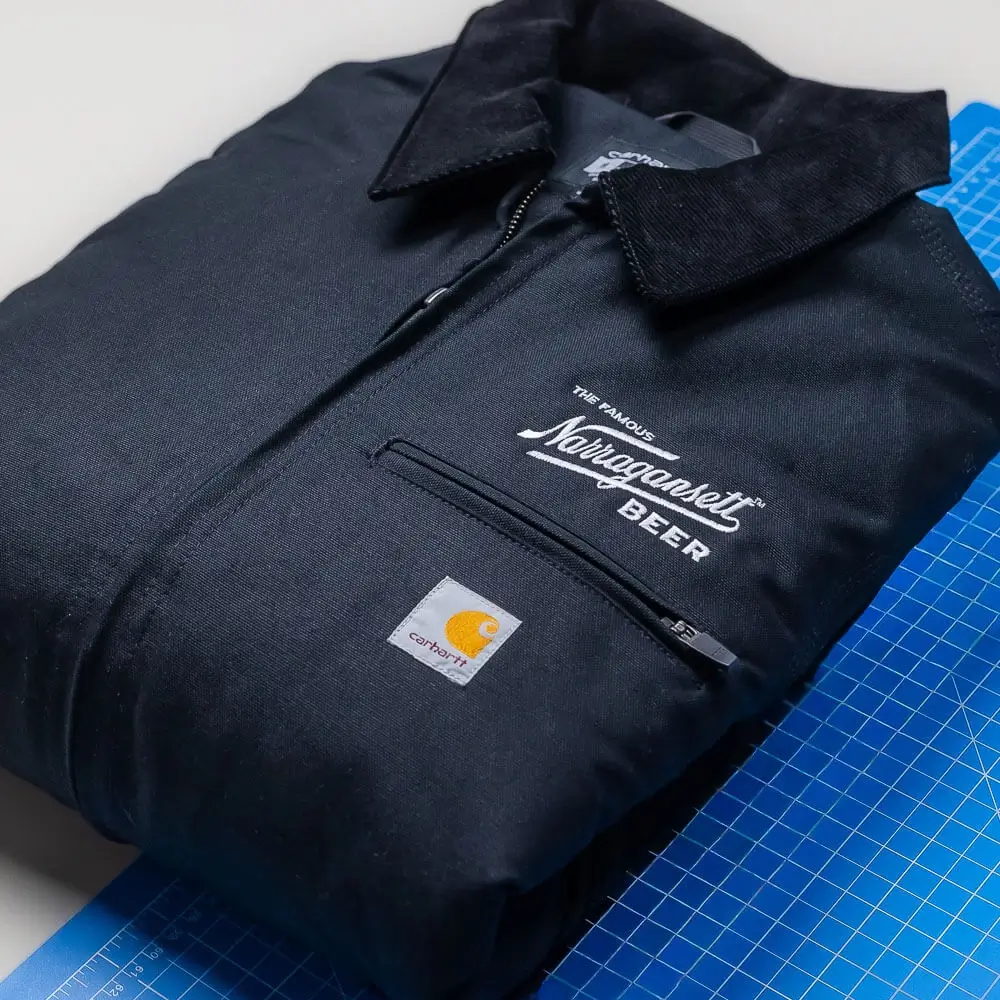
In 2024, Carhartt has become the new entry point. The brand spent most of the 2010s being adopted by skaters and streetwear kids in a way that confused its core customers. By 2023, the duck canvas chore coat — the same one farmers and construction workers buy at Tractor Supply — became the most photographed jacket on Pinterest. The blend was grunge silhouettes (oversized, washed out, paired with thrifted flannels) layered onto Carhartt’s actual workwear. It looks 1993 from twenty feet away and 2024 up close.
A.P.C., a French label that has historically charged $400 for a chambray shirt, now sells Carhartt collaboration pieces at the same price point. The grunge aesthetic has become a luxury good, which is exactly the irony that would have made the original grunge generation either laugh or vomit, depending on the day.
The Doc Martens Numbers Don’t Lie
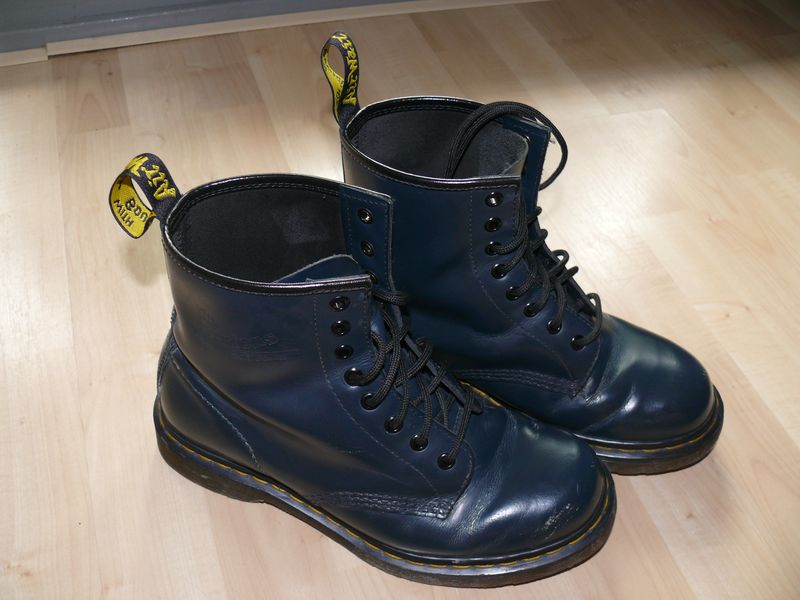
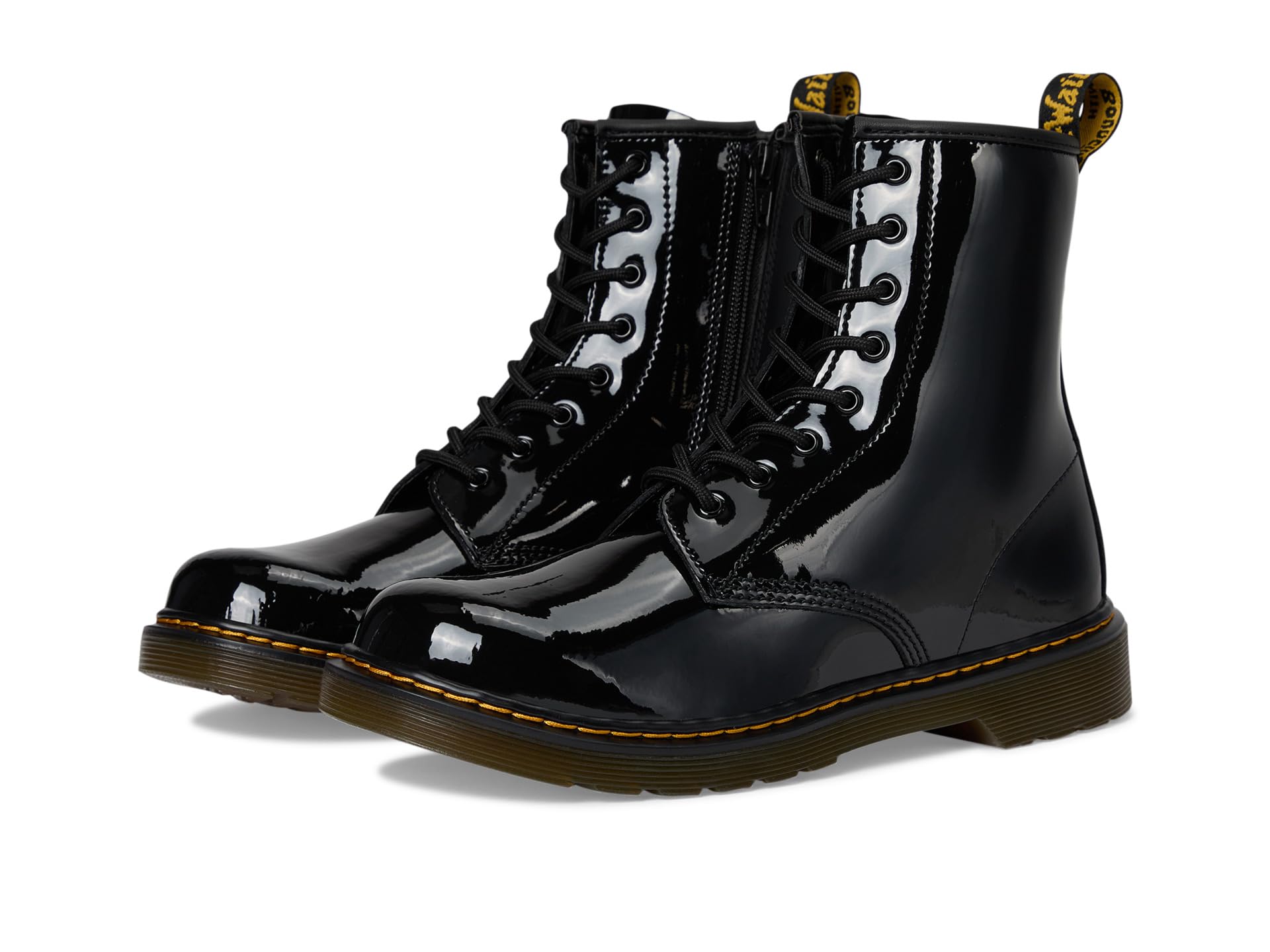
Dr. Martens has had three boom periods in its post-1960 history: punk in the late 70s, grunge in the early 90s, and now. The current boom is the biggest by revenue, with sales tripling from 2018 to 2023. The 1460 boot — the same eight-eyelet model Kurt Cobain wore in countless press photos — is once again outselling everything else in the catalog.
What’s notable is who is buying them. The largest customer demographic for Doc Martens 1460s in 2024 is women aged 16 to 24. They are buying the boots to wear with slip dresses, with mini-skirts and ribbed tank tops, with oversized cardigans pulled over baby tees. The combination is grunge filtered through Kinderwhore filtered through the slip dress trend, all of which we’ve written about, but the boots are the constant.
The Real Common Thread
Here’s where it gets philosophically interesting. Every individual piece of the grunge revival has its own story. The slip dress came back through Bella Hadid via 90s Kate Moss. The cardigan came back through Cobain’s Unplugged sweater. Doc Martens came back through Vivienne Westwood retrospectives and Gen Z TikTok. Flannel came back through everyone.
But the unifying theme isn’t any of those individual pieces. It’s that none of them are about looking rich. The 80s power suit, the 2000s logo-heavy luxury wave, the 2010s normcore — those were all aesthetics that, in different ways, signaled financial stability. Grunge has always been the explicit opposite. It’s the aesthetic of “I am not buying into the system that’s failing me.”
And that, more than any individual garment, is why it keeps coming back when the economy turns. Grunge is a vote against pretending.
The Marc Jacobs Inflection Point
Anyone writing about grunge eventually has to mention Marc Jacobs’s 1993 Perry Ellis collection — the one that got him fired. The collection took $50 flannel shirts and $30 silk slip dresses and presented them as Spring 1993 ready-to-wear at Perry Ellis prices. The luxury industry tried to monetize grunge and got savaged for it. Anna Wintour hated it. Buyers hated it. Jacobs got fired.
The same Marc Jacobs collection is now considered one of the most influential luxury collections of the late 20th century. Every grunge runway show in 2024 — Saint Laurent, Khaite, Coach, Maison Margiela — is descended from those Perry Ellis pieces. The luxury industry has finally learned how to sell anti-luxury, which is its own kind of paradox.
What Gen Z Actually Got Right
The easy Gen X take on the grunge revival is to dismiss it as poseur behavior. The kids weren’t there. They don’t know who Tad was. They’ve never sat through a 22-minute version of “Negative Creep.” They think Pearl Jam is dad rock.
But that take misses what’s actually happening. Gen Z is using grunge for the same reason Gen X did: it’s the available aesthetic for being broke and angry at the system. They’re not pretending to be 1992 Seattle. They’re using 1992 Seattle’s visual language because nothing in their own generation’s official fashion conversation has the same honesty. The TikTok aesthetic that gets labeled “grunge revival” or “indie sleaze” is, when you actually look at it, the kids saying the same thing the original grunge kids said: I can’t afford the official story so I’m wearing my own.
The Songs Still Work
There’s a Spotify metric worth knowing here. “Smells Like Teen Spirit” passes one billion streams per year. The bulk of those streams are not nostalgic Gen X listens. They’re new listeners under 25. Nirvana’s monthly Spotify listeners — currently around 30 million — are larger than the band ever had during its actual existence. Pearl Jam’s “Black” is on more 2024 prom playlists than most 2024 songs.

The music is doing the same job the clothes are. It’s not retro for the kids streaming it. It’s current. It speaks to where they actually are.
Where This Goes
If the historical pattern holds, the grunge revival fades when the economy stabilizes. The 1993 wave got commercialized by 1995, watered down by mall brands by 1997, and was largely buried by Y2K shine and 2000s logo culture. The 2008 mini-revival got eaten by the streetwear wave by 2012.
The 2020s revival is bigger than either because the economic conditions are worse and lasting longer. If 2026 brings real wage growth and housing affordability, expect grunge to recede. If it doesn’t — and most forecasts don’t expect it to — the aesthetic will keep getting deeper. The flannel will keep selling. The vintage band tees will keep appreciating. The 1460 boots will keep stomping into every Pinterest moodboard.
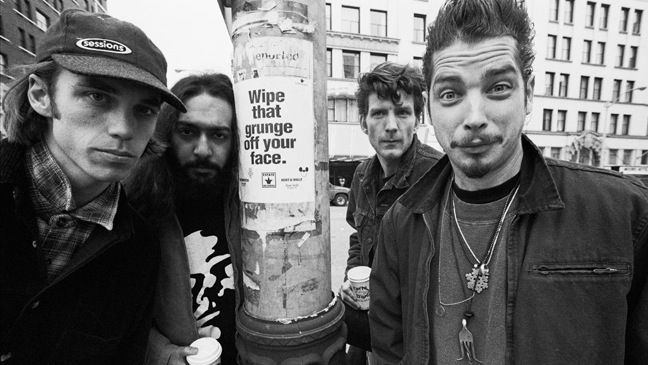
What Gen X gets to do, with whatever combination of pride and amusement, is watch a younger generation arrive at the same conclusion their generation arrived at three decades ago. The system was broken then. It’s still broken now. Flannel still costs less than a designer blazer. The army surplus boots still last longer than the fashion ones. The Nirvana song still hits.
The kids figured it out. They just took the long way.
Sources
- Grunge — Wikipedia
- Nirvana — Wikipedia
- Pearl Jam — Wikipedia
- Dr. Martens — Wikipedia
- Dr. Martens Official Site
- Shop vintage Nirvana tees on Amazon
Browse retro and vintage-inspired apparel at the RetroRadical shop →
The Retro Almanac
A monthly roundup of "on this day" highlights from that month, decades back — plus first dibs on new retro merch drops. No spam, just the good stuff.