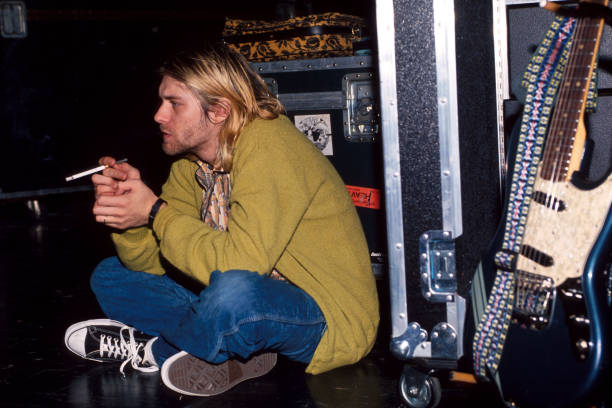
Kurt Cobain of Nirvana
|

Grunge vs Punk: The Family Feud That Reshaped Rock

In 1991, a kid from Aberdeen wearing a thrift-store cardigan and torn jeans went on MTV, mumbled into a microphone, and accidentally killed hair metal. Six months later, punk veterans across the country were sitting in their kitchens, staring at the cover of Nevermind, and grinding their teeth. Grunge had arrived — and depending on which couch you were sitting on, it was either punk’s greatest victory or its final, humiliating sellout. The grunge vs punk argument has been simmering for thirty-five years now, and the truth, as usual, is messier than either side wants to admit.

This wasn’t a feud between strangers. It was a family fight — louder, uglier, and more personal because everyone in the room was related by blood. Nirvana didn’t fall out of the sky. Pearl Jam didn’t invent angst. Every flannel-wearing kid who screamed along to “Smells Like Teen Spirit” was standing on a foundation poured by Black Flag, the Sex Pistols, the Ramones, Minor Threat, and a thousand other bands who’d spent fifteen years bleeding in basements for the privilege of being ignored. So when grunge cashed the check punk wrote, the original punks had every right to be a little bit furious.
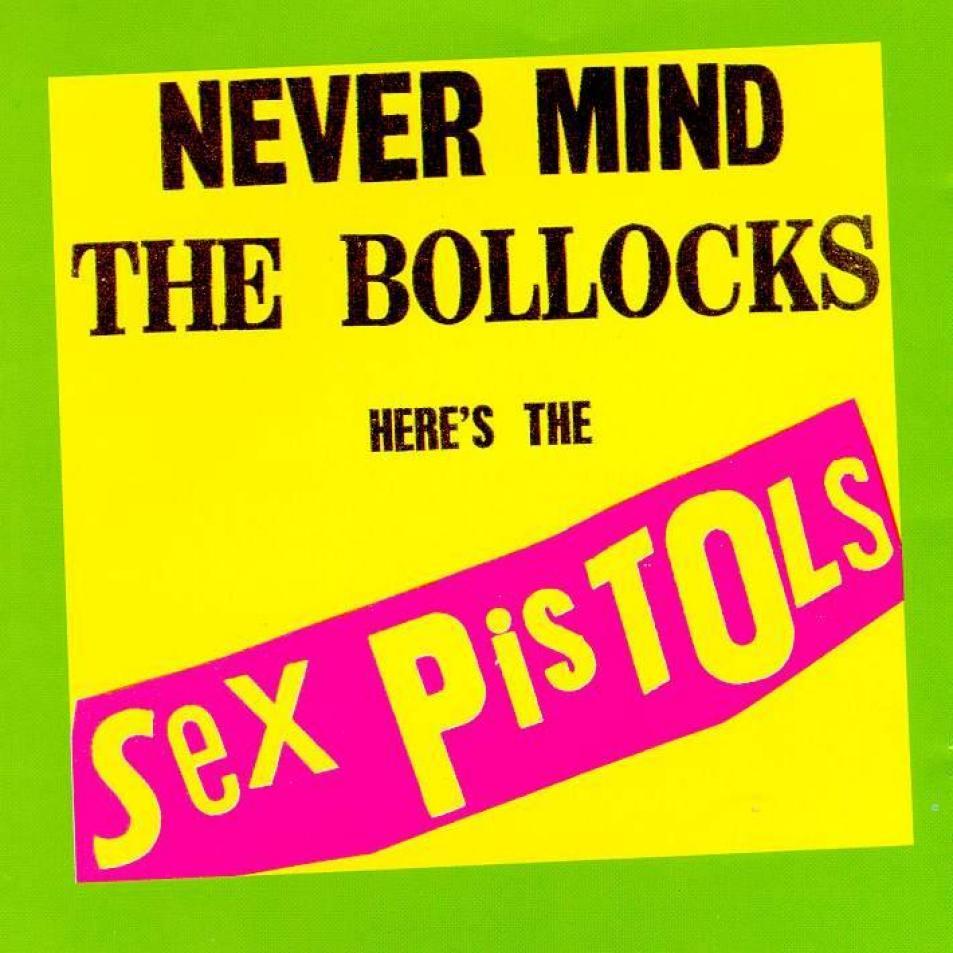
Sex Pistols 1977
Sex Pistols 1977

Punk Built the House, Grunge Just Moved In

https://www.youtube.com/watch?v=iWx4UOGePIE

Punk started in 1976 with the Ramones counting off “1-2-3-4!” at CBGB and the Sex Pistols spitting on the queen across the Atlantic. By 1980, American hardcore had picked up the baton and turned it into a weapon. Black Flag was touring in a van that smelled like a gym sock. Dead Kennedys were getting sued by the city of San Francisco. Minor Threat was inventing straight edge by accident. These bands had no industry support, no MTV play, no money, and somehow they built a national underground network of clubs, fanzines, and labels on pure stubbornness.

By the time the Melvins, Soundgarden, and a teenage Kurt Cobain started picking up guitars in the Pacific Northwest, punk had done all the heavy lifting. The infrastructure was already there. SST, Sub Pop, Touch and Go — these labels existed because punk demanded they exist. When Bleach came out in 1989 on Sub Pop, it sold maybe forty thousand copies. That was a punk number. That was a punk label. That was a punk band. Nobody on the East Coast had heard of Nirvana yet, and that was fine, because punk had never really been about being heard.

Black Flag punk
Black Flag punk

The Direct Line from Black Flag to Bleach

Ask any grunge band who they were ripping off and they’d tell you, with surprising honesty, that they were ripping off punk. Kurt Cobain’s Top 50 Albums list — published posthumously from his journals — reads like a punk syllabus: Raw Power by the Stooges, Damaged by Black Flag, Surfer Rosa by the Pixies, Rocket to Russia by the Ramones, Land Speed Record by Hüsker Dü. He worshipped the Vaselines, Scratch Acid, and the Wipers, a long-suffering Portland punk band whose sound was basically Nirvana’s DNA test result.

Mudhoney took their name and half their riffs from sludge-punk forerunners. Mark Arm literally coined the word “grunge” while writing zine reviews in 1981, and he meant it as a punk insult — slow, dirty, embarrassing. Soundgarden borrowed from Killing Joke and Bauhaus. Pearl Jam’s Eddie Vedder was a Dead Kennedys obsessive who used to write Jello Biafra fan letters. None of these guys were pretending they invented anything. They knew exactly whose shoulders they were standing on. The problem wasn’t paternity. The problem was what happened next.

Pearl Jam 1992
Pearl Jam 1992

The Original Sin: Signing the Big Check

Here’s where the family argument turns into a divorce. Punk had spent fifteen years cultivating a single unbreakable rule: you do not sign to a major label. Major labels were the enemy. Major labels were the corporate machine that punk existed to oppose. Ian MacKaye built Dischord Records on this principle and ran it that way for forty years. Greg Ginn ran SST the same way. Maximum Rocknroll wouldn’t review a record if the label was owned by a corporation. This was not a suggestion. This was the religion.

Then Nirvana signed to DGC. Pearl Jam signed to Epic. Soundgarden signed to A&M. Alice in Chains signed to Columbia. Every band that mattered in Seattle got picked off by majors between 1989 and 1991, and most of them didn’t even feel weird about it. Cobain joked about it in interviews. Eddie Vedder shrugged. To grunge, the major label was a printing press for getting weird music to weird kids in Nebraska who’d never see Black Flag at a VFW hall. To punk, it was the apocalypse. Henry Rollins still won’t really discuss it. Jello Biafra wrote a whole song called “Nazi Punks F— Off” — and then somehow got even angrier when Nirvana went platinum.

Mohawks vs Flannel: A Tale of Two Uniforms

Visually, the two scenes couldn’t have looked more different even though they shopped in the same Goodwills. Punk announced itself. Spiked hair, leather jackets, safety pins, studded belts, ripped T-shirts with band logos drawn in Sharpie. The whole point was to be unmissable — to walk down the street and make a banker’s wife clutch her purse. Punk fashion was a flag you waved in everybody’s face.

Grunge did the opposite. Grunge dressed like it had given up. Flannel because flannel was cheap and warm in Seattle. Ripped jeans because the jeans were just old. Dr. Martens because they lasted forever. Greasy hair because nobody had time to shower between shifts at the record store. The whole aesthetic was an accidental rebellion against rebellion itself — a refusal to be a flag. Punks called it lazy. Grunge called it honest. Both sides were right, which is what made the argument unwinnable.

Mudhoney Seattle
Mudhoney Seattle

Three Chords vs Drop-D Sludge

Sonically, punk was a sprint and grunge was a slow drowning. Classic punk — Ramones, Sex Pistols, Buzzcocks — clocked in around 180 beats per minute, songs under two and a half minutes, three chords, no solos, no mercy. The energy was almost cartoonish. You could not be sad to a Ramones song. You could only pogo, sweat, and possibly throw a beer can across the room.

Grunge slowed everything down to the speed of a depressive episode. Tunings went down to drop-D or lower. Tempos crawled. Songs stretched past five minutes. Solos came back — not the chrome-plated hair metal kind, but ugly, feedback-heavy, Neil Young-meets-noise-rock solos that sounded like a guitar being interrogated. The dynamics borrowed from the Pixies: whisper-quiet verses exploding into wall-of-noise choruses. It was punk’s anger filtered through Black Sabbath’s riffs and Hüsker Dü’s melody, and it was designed for kids who didn’t want to pogo. They wanted to lie on the carpet and feel something.

Nirvana MTV 1993
Nirvana MTV 1993

Anarchy vs Apathy: The Politics Problem

Punk had a thesis. It was sometimes a stupid thesis, sometimes a brilliant one, but it was always there. The Clash sang about Sandinistas. Dead Kennedys mocked Reagan by name. Crass were literal anarchists running a commune in Essex. Bad Religion had a guy with a doctorate in evolutionary biology writing lyrics about the failure of Western civilization. Even the dumbest hardcore band had an opinion about Nixon, the draft, jocks, cops, or the soul-crushing emptiness of the suburbs.

Grunge had vibes. Cobain was vaguely feminist, vaguely anti-corporate, and openly furious about homophobia — but he wasn’t writing position papers. Pearl Jam fought Ticketmaster, which was something, but the average grunge song wasn’t about politics. It was about depression, addiction, alienation, ex-girlfriends, and the specific suburban horror of being seventeen in a town where nothing happens. To punk, this looked like cowardice. To grunge, punk’s sloganeering looked corny and dated, like a parent still wearing bell-bottoms. Both, again, had a point.

The Mosh Pit Cold War

By 1993, the cultural takeover was complete. Marc Jacobs put flannel on the runway at Perry Ellis. MTV played “Heart-Shaped Box” every hour. Hot Topic was about to exist. And the old punks were not having it. Maximum Rocknroll devoted entire issues to attacking grunge as a corporate fraud. Steve Albini — producer of In Utero, of all records — wrote essays calling the music industry a parasite and the bands willing collaborators. Henry Rollins toured smaller and smaller venues, watching kids who’d never heard of Bad Brains wear Nirvana shirts they’d bought at the mall.

r/GenX - The Ramones at CBGB's, 1976; Photo by Stephanie Chernikowski
r/GenX – The Ramones at CBGB’s, 1976; Photo by Stephanie Chernikowski

The grunge kids, for their part, mostly didn’t fight back. They knew. Cobain wore a homemade “Corporate Magazines Still Suck” T-shirt on the cover of Rolling Stone. He name-dropped obscure punk bands in every interview specifically to push readers toward records he thought mattered more than his own. He was apologizing in real time, and the punks were not accepting the apology. It’s hard to blame either side. You build something for fifteen years in the dark, and then somebody famous walks in and turns the lights on, and suddenly the room is full of strangers.

So Who Actually Won?

Thirty-five years later, the answer is obvious and annoying: nobody, and everybody. Grunge died fast — Cobain in ’94, the scene cannibalized by post-grunge radio rock by ’96, the flannel uniform turning into a Halloween costume by the early 2000s. Punk, ironically, outlived it. Fugazi kept playing. Bad Religion kept touring. New punk waves — pop punk, riot grrrl, emo, hardcore revivals — kept rolling through every five years like clockwork. The infrastructure punk built in the eighties is still standing. The infrastructure grunge built mostly evaporated with the major label money.

But grunge did something punk never quite managed: it put angry, weird, ugly, vulnerable music on the radio for normal people. A kid in rural Iowa who would never have found Black Flag could find Nirvana, and through Nirvana, find the Vaselines, find the Wipers, find the entire underground their hero kept pointing toward. That was the trade. Punk gave up some of its purity. Grunge gave up some of its scene credibility. In exchange, a whole generation got a doorway into music they’d otherwise have died never hearing. Family feuds are like that. Everyone loses something, and somehow everybody also wins.

Sources

For deeper reading on the grunge vs punk family tree and the cultural war between them:

Similar Posts

Leave a Reply

Your email address will not be published. Required fields are marked *