Digital Underground: 7 Wild Facts About Humpty Hump
Digital Underground hit the charts in 1990 with a song built around an oversized rubber nose, a zebra-print fur hat, and a man who insisted on doing the Humpty Dance “in his Burger King bathroom.” That man was Shock G, the song was a platinum-selling Top 11 single, and the group spent the next two years turning Oakland’s funkiest hip hop crew into Tupac Shakur’s launchpad. If you came of age between 1989 and 1993, you knew every word — and most of you still do.
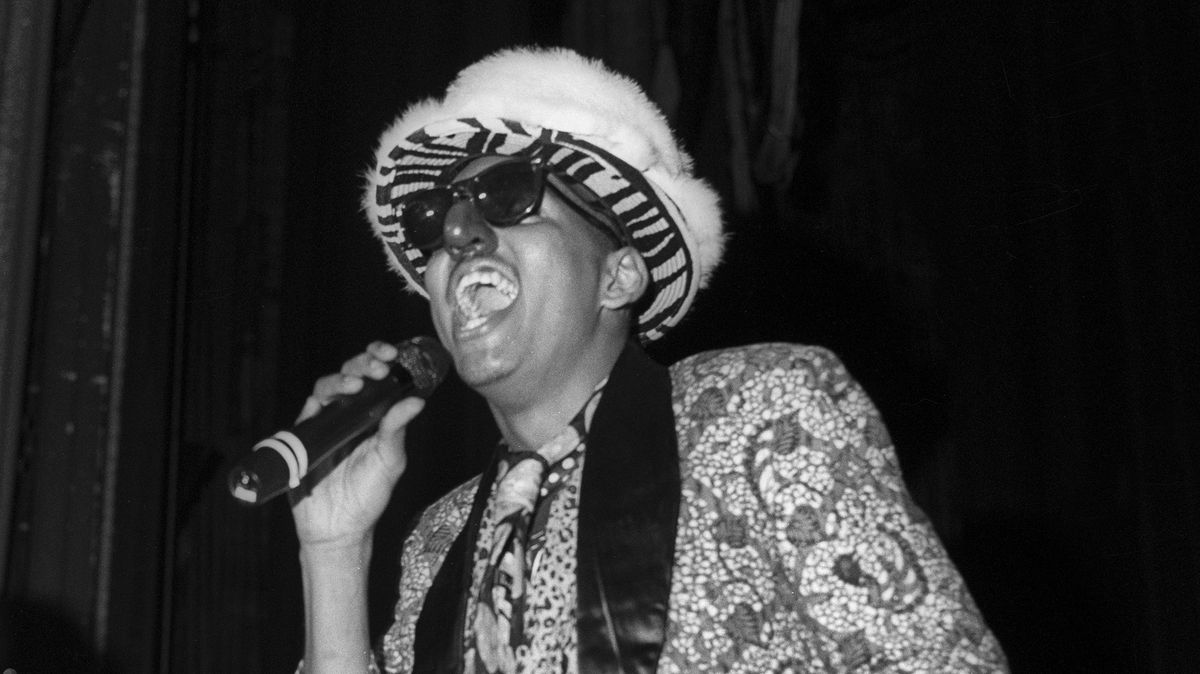
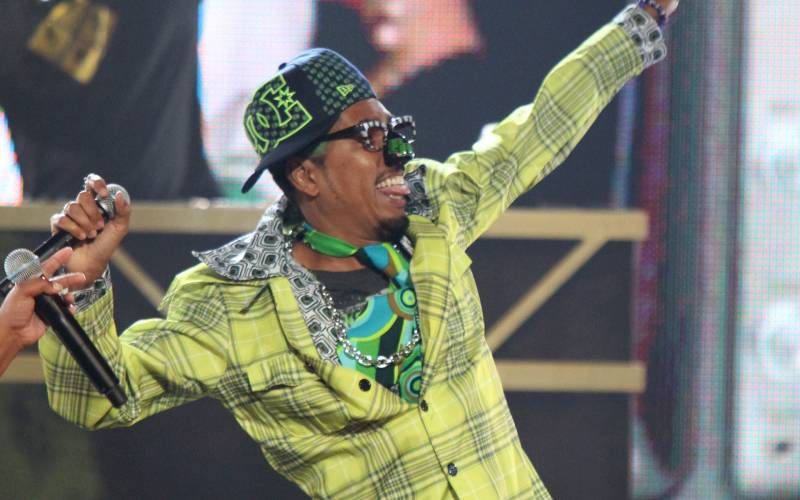
Shock G as Humpty Hump in the fur-trimmed hat and Groucho nose that defined 1990 hip hop weirdness.
The Retro Almanac
A monthly roundup of "on this day" highlights from that month, decades back — plus first dibs on new retro merch drops. No spam, just the good stuff.
How a Bay Area Hip Hop Crew Stole 1990
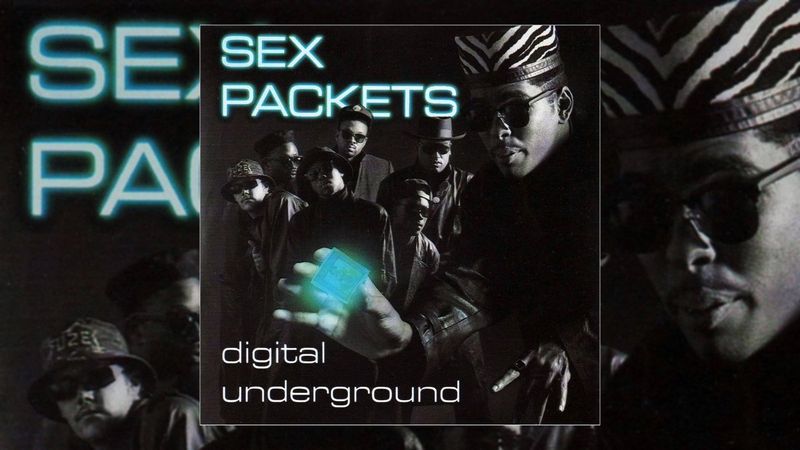
Digital Underground formed in 1987 in Oakland, California, the brainchild of Greg “Shock G” Jacobs, who pulled together producers, DJs, and rappers around a single obsession: making George Clinton’s Parliament-Funkadelic sound work for the hip hop era. The classic lineup was Shock G, Money-B (Ron Brooks), DJ Fuze (David Elliot), Schmoovy-Schmoov (Earl Cook), and a rotating cast of collaborators. By the time their debut Sex Packets dropped on March 20, 1990, they had a hit single climbing the Billboard Hot 100, an MTV-darling music video, and an album concept so strange it doubled as performance art.
What made Digital Underground different wasn’t the beats — though the beats were excellent. It was the willingness to be weird on purpose at a moment when most rap acts were chasing either gangsta credibility or pop crossover. Shock G picked Door Number Three: full-on parody funk, told from the perspective of an imaginary horndog character with a prosthetic nose.
1. Humpty Hump Was a Fictional Character — and Shock G Played Both Roles
The single biggest myth about Digital Underground is that Humpty Hump and Shock G were two different members of the group. They weren’t. Shock G performed both roles — frequently on the same track, often inside the same music video — and the group played along with the bit so completely that publicity materials, liner notes, and interviews all maintained the fiction that Humpty was Shock’s “cousin.” MTV VJs interviewed Humpty in character. Magazines ran separate bios. It was hip hop’s longest-running inside joke, and it lasted years before the group officially confirmed what fans had already started to suspect.
Humpty’s whole look came from the famous nose injury origin story Shock G invented: a deep-fryer accident during a stint working at a Burger King. That’s why he supposedly wore the prosthetic Groucho Marx nose. The hat, the round glasses, the velvet smoking jacket — all of it built a character who could say things on a record that Shock G the producer would never say in his own voice. It was an early version of the alter-ego strategy Eminem would weaponize a decade later with Slim Shady.
2. The Sex Packets Album Was a Concept Record About Imaginary Drugs
This is the part that gets left out of every “best of 1990” listicle. Sex Packets wasn’t just a debut album — it was a science-fiction concept record about fictional government-engineered pills called GSRA (Genetic Suppressor Re-Activators) that produced lifelike sexual encounters when ingested. The album opens with a fake commercial for the product. Multiple skits build out the alternate-universe lore. The title track itself is a love song to the pill.
The concept came from group member Schmoovy-Schmoov, who pitched the idea to Shock G after reading about NASA astronaut research into sleep aids. Shock G ran with it. The result was platinum-certified by the RIAA in October 1990 and stands today as one of the most ambitious debut albums in hip hop history — a record that hides a Pink Floyd-grade narrative structure behind party tracks weirded out enough to fool everyone into dancing to a story about pharmaceutical sex hallucinations.

Sex Packets wore the Parental Advisory sticker that Tipper Gore’s PMRC had forced onto record labels in 1985, and Digital Underground basically dared their parents to listen. We covered the wider battle in our Parental Advisory sticker history — Digital Underground sits squarely in the middle of that fight, alongside NWA and 2 Live Crew but with a much funnier nose.
3. “The Humpty Dance” Sampled Parliament’s Funk Backbone
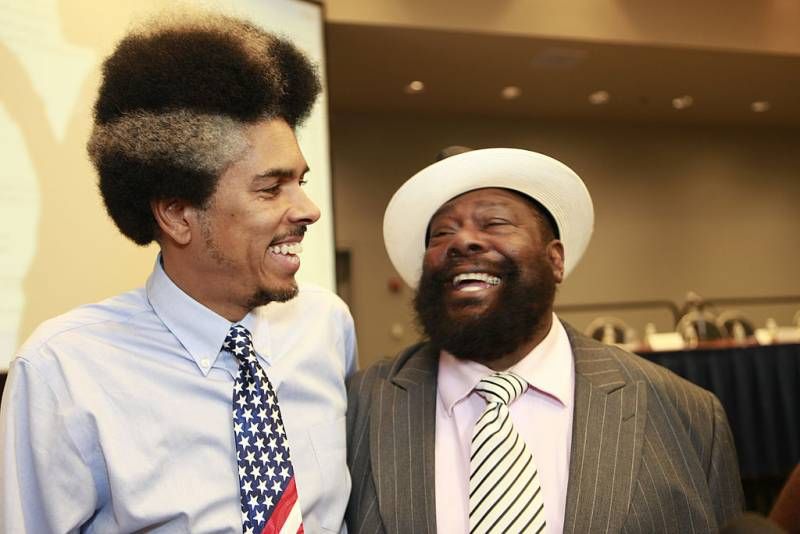
Shock G with George Clinton — the Parliament-Funkadelic mastermind whose catalog was Digital Underground’s musical DNA.
The instantly recognizable bass groove on “The Humpty Dance” comes from Parliament’s 1979 track “Let’s Play House,” off the Gloryhallastoopid album. That single sample tells you everything you need to know about where Digital Underground was coming from. Shock G was a P-Funk obsessive — George Clinton was not just an influence, he was effectively a mentor. The two later collaborated on multiple records, and Clinton appeared on the group’s 1991 follow-up Sons of the P, where the P stands exactly for what you think it stands for.
That sample-and-build approach put Digital Underground at the front of hip hop’s golden-age sampling era. Before sample clearance lawsuits gutted the practice in the mid-1990s, producers like Shock G could chop up an entire era of Black music history and reassemble it into something new. The final cut of “The Humpty Dance” layered the Parliament bass with samples from Sly & the Family Stone’s “Sing a Simple Song” and a vocal snippet from Prince’s “DMSR.” Try clearing that today.
4. Tupac Shakur Joined as a Roadie — Then Became a Member
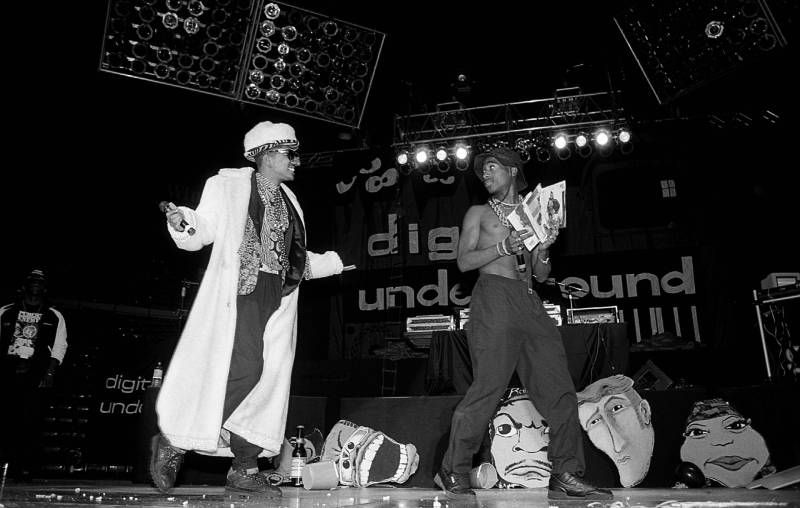
Here’s the part of the Digital Underground story that gets the most retroactive attention: a then-unknown Tupac Shakur joined the group in 1990 as a roadie and backup dancer on the Sex Packets tour. He carried equipment. He handed out flyers. At after-parties he would freestyle for whoever stuck around, and the group quickly figured out the kid could rap. Shock G threw him a verse on the 1991 single “Same Song,” from the soundtrack of the Dan Aykroyd-Chevy Chase comedy Nothing But Trouble.
That verse was Tupac’s first appearance on a major-label release. He used it to break out. Within a year, he had a solo deal with Interscope and was on his way to becoming the most influential rapper of his generation. Without Digital Underground’s open-door approach to bringing up new talent, the Tupac timeline looks radically different. Shock G later produced “I Get Around” and “So Many Tears” on Tupac’s classic Me Against the World — Digital Underground’s fingerprints are all over the early 2Pac catalog.
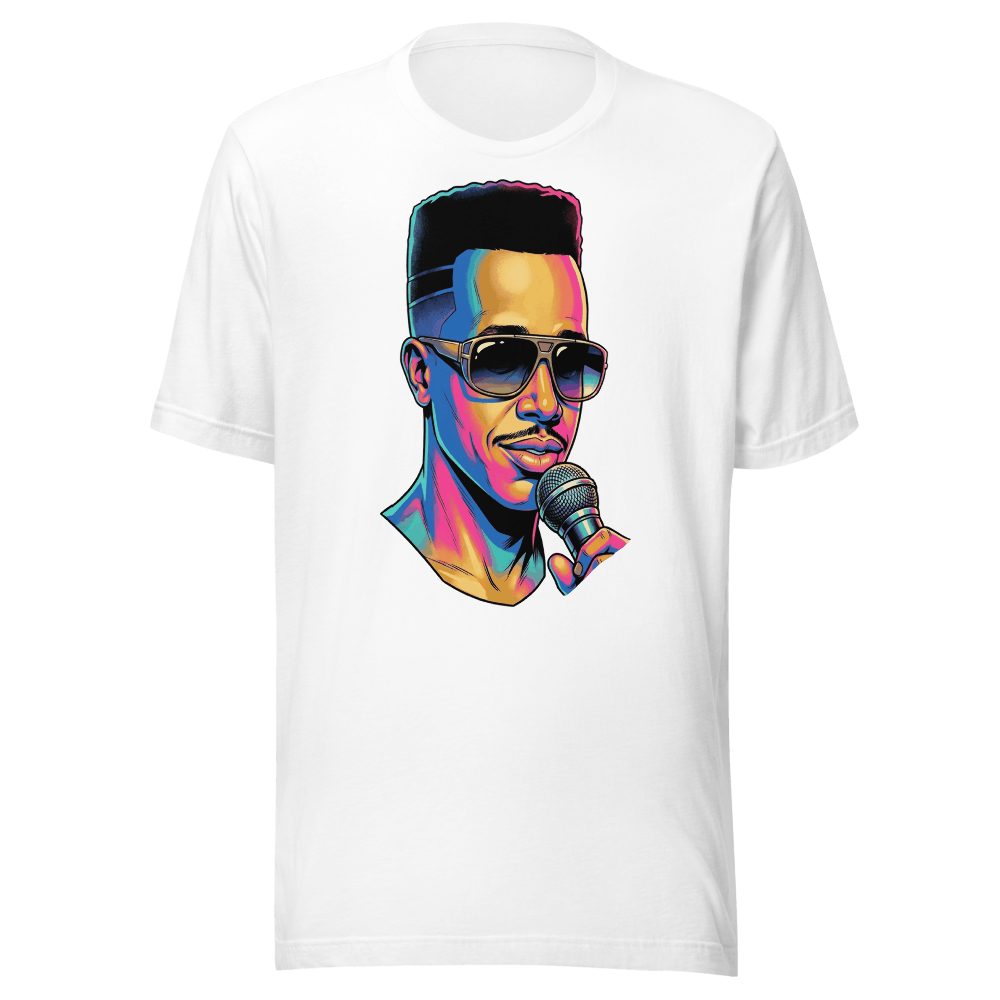
The Bay Area in 1990 was the most underrated rap scene in America. Digital Underground, MC Hammer, Too Short, and E-40 were all working out of the same 30-mile radius — and the friendly rivalry between Digital Underground and Hammer shaped both groups’ careers. We dug into Hammer’s own arc in the MC Hammer rise-and-fall story, and you can hear the parallel timelines clearly: both peaked in 1990, both used theatrical staging, both had a different relationship with hip hop authenticity politics.
5. The Group’s Live Show Was Theater, Not Just a Concert
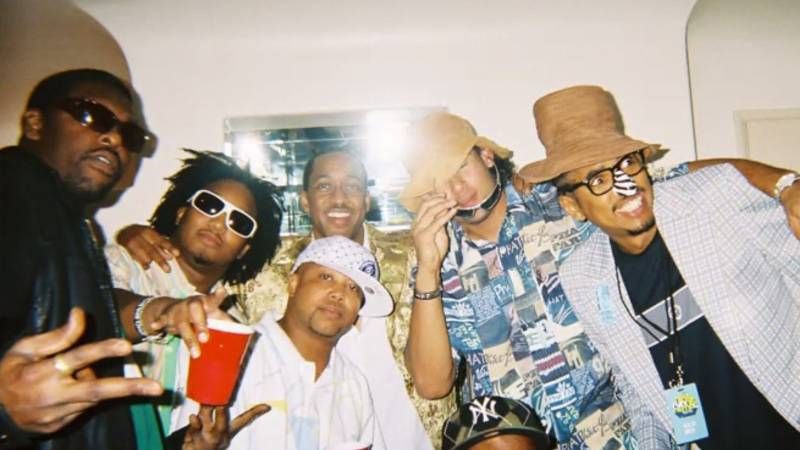
Digital Underground concerts in the early 1990s were closer to a Funkadelic revue than a typical hip hop show. Giant inflatable props. Cardboard cutouts of cartoon characters. A backdrop with a peeling neon DIGITAL UNDERGROUND sign that looked like it had been salvaged from a defunct strip club. Shock G would change costumes mid-set, switching from his normal stage persona to Humpty Hump and back, sometimes in the same song. Money-B would handle whichever verse Humpty wasn’t doing. The whole production looked deliberately cheap — and deliberately joyful.
That theatrical approach traces directly back to Clinton’s Mothership Connection-era P-Funk shows, which Shock G has cited in interviews as the template he wanted to import into rap. While most of his contemporaries were perfecting the stoic mic-and-DJ-table setup, Digital Underground built a circus. Critics who reviewed the 1990 tour noted that the audience was roughly half hip hop heads and half people who looked like they had wandered in from a Grateful Dead show. Shock G considered that a compliment.
6. Same Song Came From a Box-Office Disaster Movie
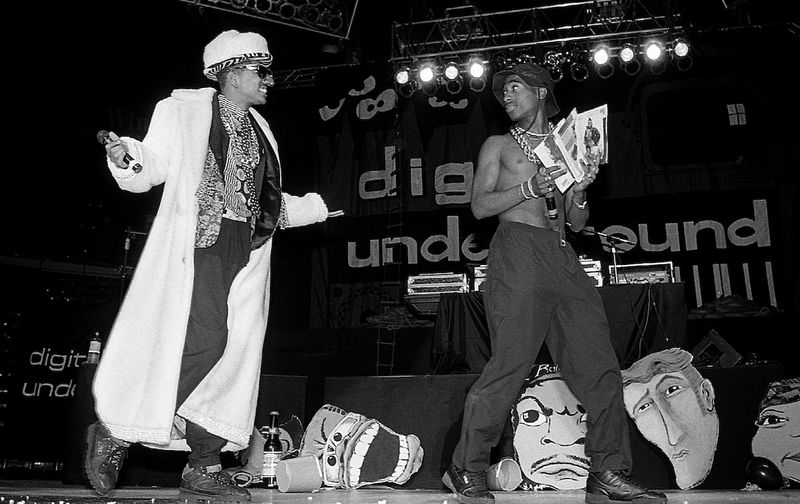
The song that broke Tupac as a rapper came off the soundtrack to Nothing But Trouble, a 1991 Dan Aykroyd-directed dark comedy starring Chevy Chase, Demi Moore, and John Candy. The film bombed catastrophically — it earned an 8% on Rotten Tomatoes and lost roughly $30 million theatrically. The soundtrack outlived it by a factor of about a million. “Same Song” peaked at number 9 on the Billboard Rap chart and became the song that introduced Tupac to mainstream audiences. The accompanying music video features Tupac performing a final verse while dressed as an African king, surrounded by cameos that included Dr. Dre and Eazy-E.
The bigger lesson here is about cross-pollination. The film industry was treating hip hop as set decoration in 1990 — you put a rap song over the credits and called it edgy. Digital Underground used that opening to launch one of the most important careers in rap history. The tail wagged the dog, hard.
7. Shock G’s 2021 Death Reframed the Whole Catalog
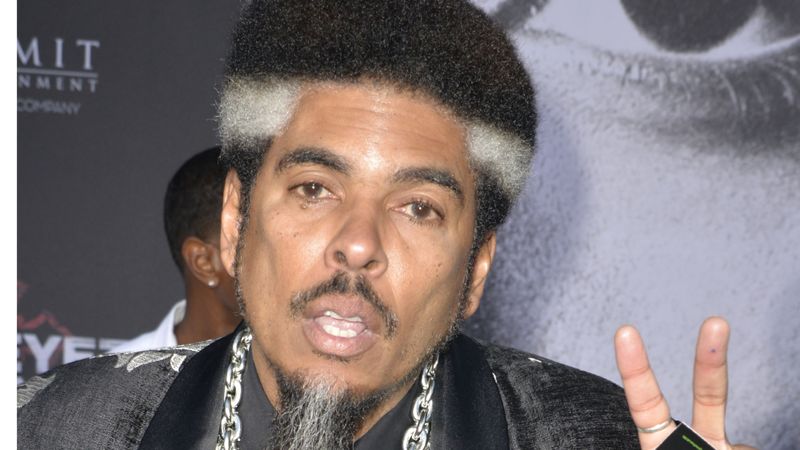
Greg “Shock G” Jacobs was found dead in a Tampa hotel room on April 22, 2021. He was 57. The medical examiner later ruled the death an accidental overdose of fentanyl, methamphetamine, and ethanol. The hip hop world reacted with a wave of tributes that arguably did more for Digital Underground’s critical reputation than any single article published during their commercial peak. NPR ran a long obituary that framed him as one of the most underrated producers of the West Coast era. Chuck D called him “one of the greatest.” Tupac’s family released a statement crediting Shock G with making Tupac’s career possible.
The truth is, Digital Underground is more important than the cultural shorthand “Humpty Dance group” makes them sound. Shock G was a virtuoso pianist, a serious composer, and a self-taught visual artist whose unpublished illustration archive surfaced after his death. KQED’s 2023 feature on that art trove is the best entry point to the side of him most fans never saw — page after page of funkadelic line drawings, comic-book characters, hand-lettered album mockups, the kind of stuff Sun Ra would have framed.
Why Digital Underground Still Matters in 2026
Strip away the nose and the hat and the deep-fryer story, and what’s left is a Bay Area hip hop crew that built a sound around joy at a time when commercial rap was getting more aggressive every year. Their refusal to take themselves seriously was a deliberate aesthetic choice, not a lack of skill. The same group that gave you “Humpty Dance” also gave you the Tupac verse on “Same Song,” produced the “I Get Around” beat, and pulled George Clinton into the studio for a sequel album. That’s a four-quadrant catalog hiding behind a Groucho disguise.
Hip hop’s current crop of weirdo auteurs — Tyler the Creator’s bug suits, Lil Nas X’s pole-dancing the devil, Doechii’s lawyer-themed branding — all owe Shock G a debt they may not even know about. The decision to be the most memorable person in the room by being the most ridiculous one was Digital Underground’s move first. We have the receipts. You can also trace their lineage further back through our history of hip hop in the Bronx — Digital Underground inherited that culture, then mutated it into something nobody else had tried.
If you haven’t listened to Sex Packets all the way through in 30 years, do that this week. The 2025 35th-anniversary deluxe reissue restored the original mastering and added bonus tracks. It’s still a strange, hilarious, surprisingly cohesive record. Put it on with no other windows open, and you’ll remember why this group was unavoidable in 1990 — and why Shock G’s death actually hurt.
Watch: “The Humpty Dance” Official Music Video
Sources
- NPR — Shock G, Leader of Hip-Hop’s Digital Underground, Dies at 57 — primary obituary and career retrospective
- Wikipedia — Sex Packets — album release dates, certifications, concept origin
- Wikipedia — Digital Underground — full group history, member lineup, discography
- Wikipedia — The Humpty Dance — sample list, chart positions, music video details
- Wikipedia — Same Song — Tupac’s first major-label release, Nothing But Trouble soundtrack context
- KQED — Shock G’s Secret Trove of Funky Art — posthumous visual art archive feature
- Albumism — Rediscovering Sex Packets — anniversary retrospective on the debut album
- Variety — Shock G Obituary — additional career details and tributes
Browse retro and vintage-inspired apparel at the RetroRadical shop →
The Retro Almanac
A monthly roundup of "on this day" highlights from that month, decades back — plus first dibs on new retro merch drops. No spam, just the good stuff.