MacGyver: 9 Wild Facts About the 1985 TV Hero
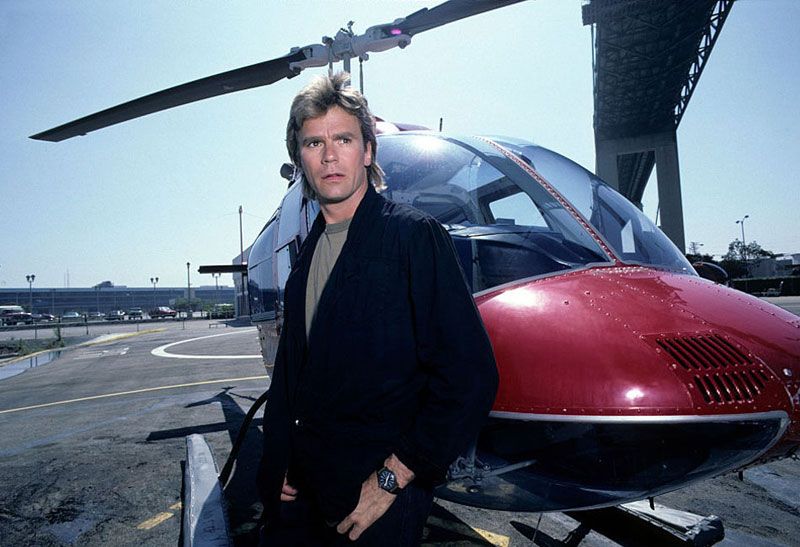
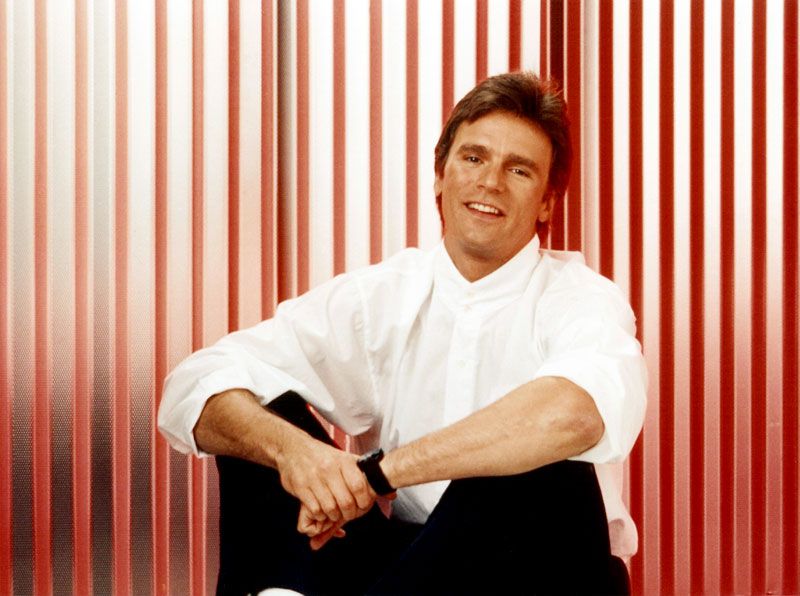
Ask anyone who was a kid in the late ’80s what to do with a paperclip, a stick of gum, and a car battery, and they’ll grin before they even answer. That reflex has a name: MacGyver. For seven seasons on ABC, Richard Dean Anderson played a mullet-sporting problem-solver who defused bombs with chocolate bars and escaped locked rooms using whatever happened to be lying around. He never threw a punch he could avoid and almost never fired a gun. Here are nine facts that still hold up better than a duct-tape splint.
1. His First Name Is Angus — and Even MacGyver Seemed Embarrassed by It
For six and a half seasons, the character had exactly one name: MacGyver. No first name, no explanation. Fans wrote in constantly asking what the “Mac” stood for, and the writers just kept dodging. The answer finally landed in the season 7 episode “Good Knight MacGyver” — his name is Angus.
Here’s the kicker: the name was Richard Dean Anderson’s own idea. He spotted “Angus Reid” flash across a screen at a Vancouver stadium event honoring first responders and pitched it to the producers, who loved it. Angus MacGyver. Scottish to the bone, and just awkward enough that the man himself rarely said it out loud.
The Retro Almanac
A monthly roundup of "on this day" highlights from that month, decades back — plus first dibs on new retro merch drops. No spam, just the good stuff.
2. The Fonz Helped Create Him
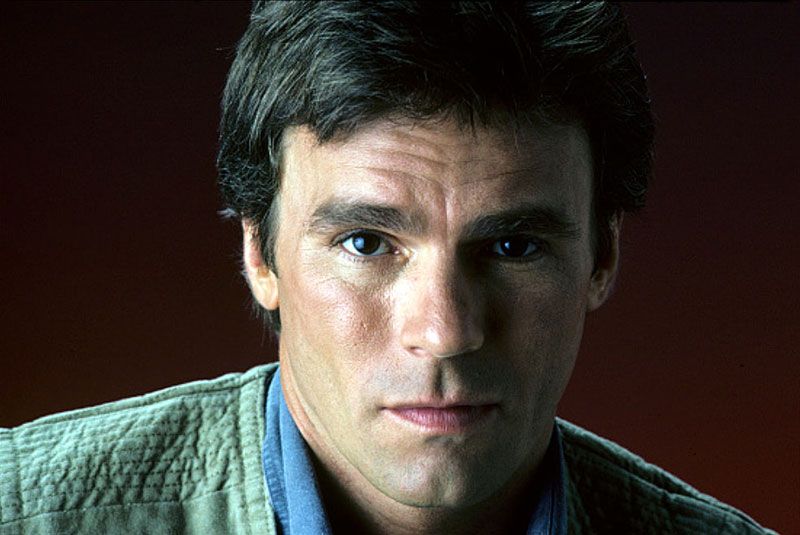
MacGyver was the brainchild of writer Lee David Zlotoff, but the show got off the ground because of Henry Winkler — yes, Arthur Fonzarelli himself. Winkler executive produced through his company Winkler/Rich Productions alongside John Rich, and he was the one who remembered Anderson from earlier TV work and asked him to audition.
Anderson wasn’t a lock. During his cold reading he was so nearsighted he had to stop and put his glasses on to see the script — and that small, unguarded human moment is reportedly what won the producers over. A hero who needs his glasses to read the fine print somehow felt exactly right.
3. He Almost Never Carried a Gun
This is the detail that separated MacGyver from every other action hero of the Reagan era. While Rambo and the A-Team were emptying magazines into the scenery, MacGyver refused to carry a firearm. Anderson himself was drawn to the idea of a lead who found guns distasteful, and the writers built the entire show around brains over bullets.
It wasn’t just a gimmick — it was the whole point. The tension came from watching a smart guy talk, think, and improvise his way out of a corner. The truth is, most ’80s action shows have aged into camp, but MacGyver’s core idea — that curiosity beats a bigger weapon — still plays clean.

4. A Real Scientist Vetted the Tricks — Then Broke Them on Purpose
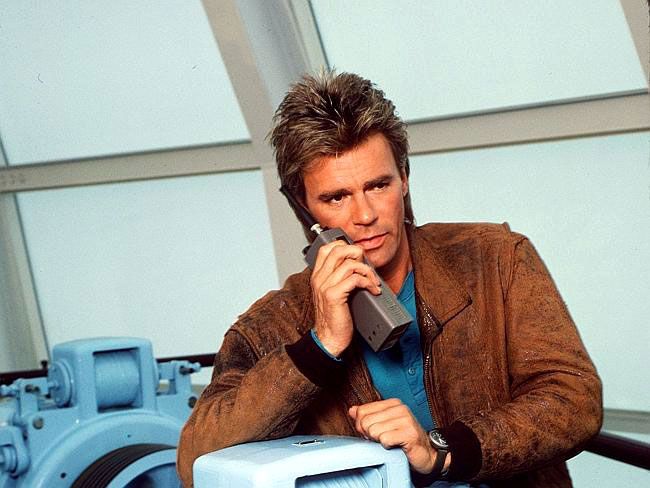
The “MacGyverisms” weren’t pulled from thin air. The production kept a science advisor on staff for all seven seasons — gemologist and forensic scientist John Koivula — to make sure the stunts were grounded in genuine chemistry and physics. Viewers even mailed in ideas, and the show paid for the ones it used.
But there was a catch built in on purpose. Whenever a trick was genuinely dangerous, the writers deliberately left out a step or changed a detail, specifically so kids couldn’t recreate it at home. So no, you can’t actually build a working cannon out of a car muffler and some flare powder — and that was by design, not by accident.
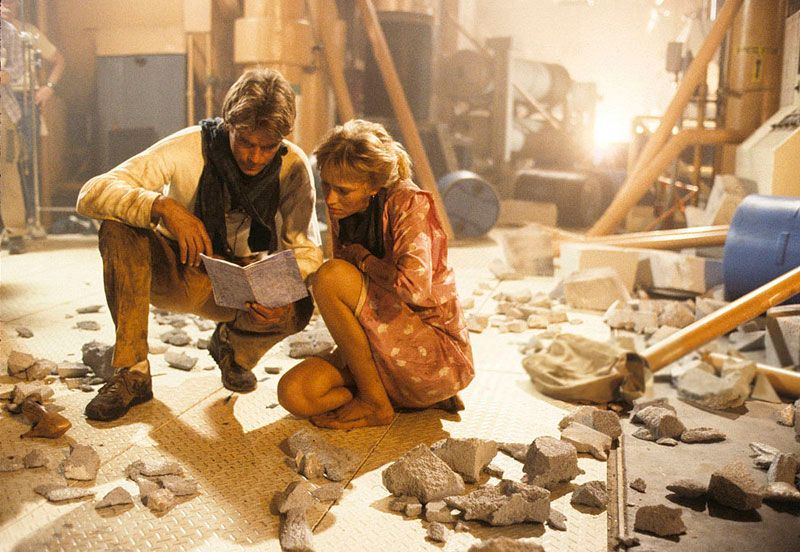
5. Richard Dean Anderson Did His Own Stunts — Until His Body Said No
For the first five seasons, that’s really Anderson dangling off ledges and rolling out of the way of explosions. He insisted on doing his own stunt work, and it took a physical toll that most fans never saw. Repeated injuries piled up until he needed surgery on both his feet and his spine.
After that, the daredevil stuff got dialed back for obvious reasons. It’s easy to forget, watching him casually reroute a laser grid, that the guy was accumulating real hospital visits to sell the action. Off-camera, he was athletic enough that he’d later be named an honorary captain of the 1992 U.S. Olympic men’s hockey team.
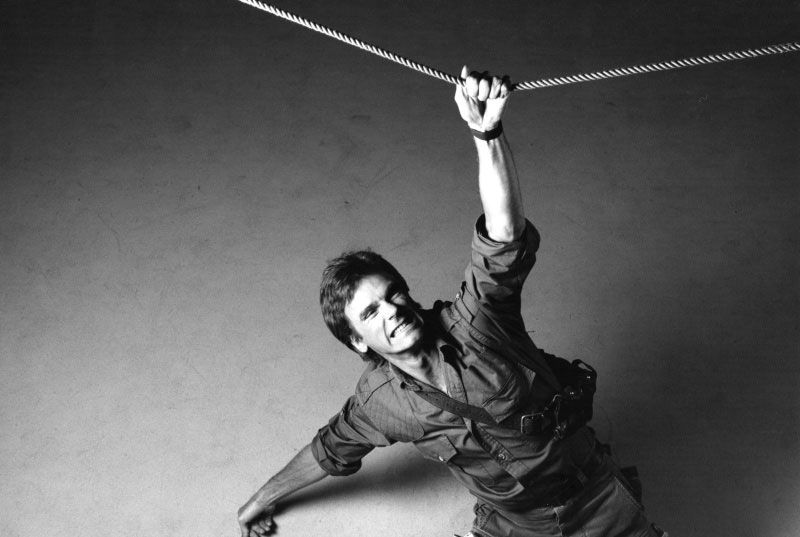
6. “MacGyver” Is Now an Actual Dictionary Word
Not many TV characters end up in the dictionary as a verb, but MacGyver managed it. In 2015, the Oxford Dictionaries officially added “MacGyver” as a verb. Merriam-Webster runs its own entry too, defining it as “to make, form, or repair (something) with what is conveniently on hand.”
Think about how rare that is. The show didn’t just entertain — it handed the English language a word for improvised ingenuity that people who’ve never seen a single episode use without blinking. You’ve almost certainly MacGyvered something this year and called it exactly that.

7. Murdoc Was the Villain Who Refused to Stay Dead
Every hero needs a nemesis, and MacGyver got a great one in Murdoc, the theatrical assassin played by Michael Des Barres. Murdoc worked for a shadowy outfit called HIT — Homicide International Trust — and specialized in elaborate disguises and even more elaborate death traps.
His running gag became a fan favorite: at the end of nearly every appearance, Murdoc would plunge off a cliff, out a window, or down some bottomless drop while screaming “MacGyver!” — only to turn up alive and scheming a few episodes later. He “died” so many times the show basically stopped pretending it was final.
8. The Paperclip Job Interview That Started It All
MacGyver didn’t begin as a spy. In the backstory the show built out, he first crossed paths with the Department of External Services while it was hunting Murdoc, and he proved himself by saving an agent’s life using nothing but a paperclip, a wrench, and a pair of shoelaces. That improvised rescue got him the job offer.
He eventually landed at the fictional Phoenix Foundation, a think tank that sent him on humanitarian and counter-espionage missions around the globe. His boss and closest friend, Pete Thornton — played by Dana Elcar — anchored the show’s heart. When Elcar developed glaucoma in real life, the writers wrote the condition into Pete’s story rather than recast him.
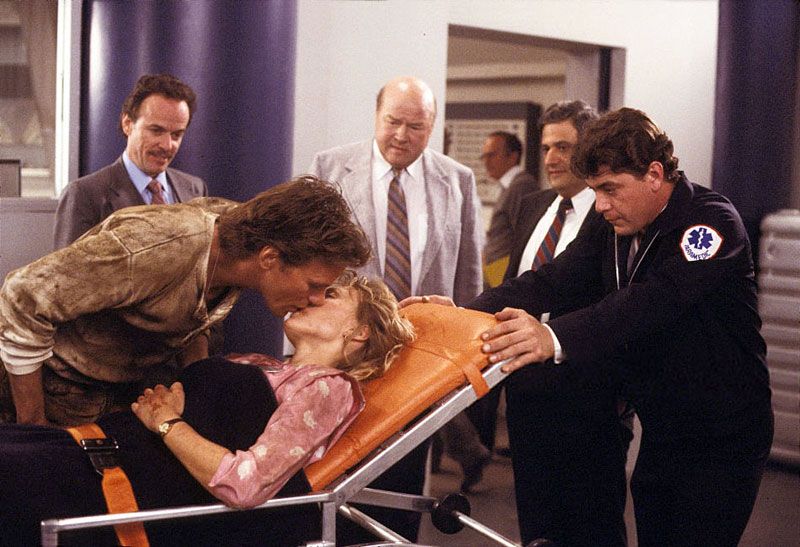
9. From the Phoenix Foundation to a Stargate
MacGyver didn’t disappear when the series wrapped in 1992. Anderson reprised the role in two TV movies, including 1994’s “Trail to Doomsday,” which featured an early screen appearance from a young Lena Headey — long before Cersei Lannister. Then Anderson pivoted to sci-fi and spent a decade as Jack O’Neill on “Stargate SG-1,” proving MacGyver wasn’t a one-note career.
The character’s DNA spread everywhere else, too. MythBusters devoted whole segments to testing whether MacGyverisms actually worked. The theme by Randy Edelman still triggers instant recognition. And CBS rebooted the whole thing in 2016 for a new generation — though plenty of us will tell you the mullet-era original is the only MacGyver that counts.
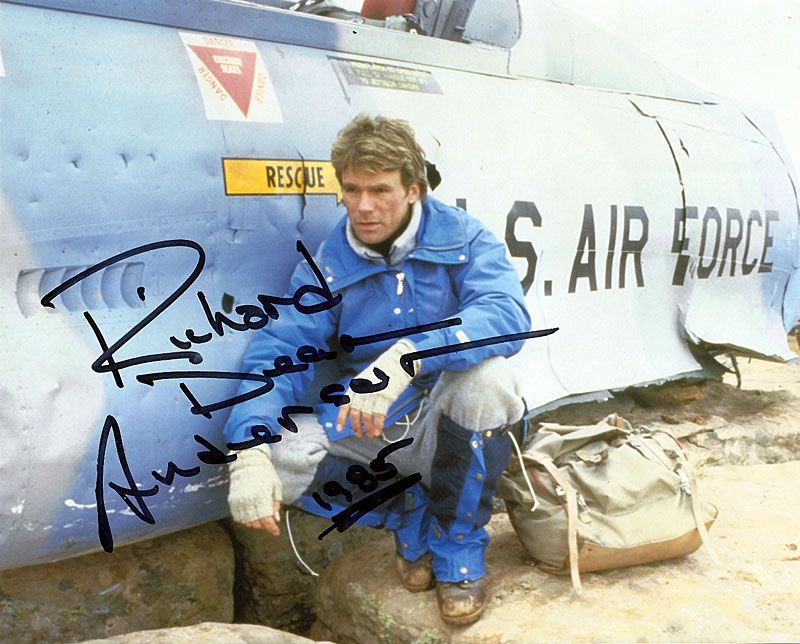
Watch the Original MacGyver Opening Theme
That Randy Edelman theme is pure 1985. Cue it up and watch the credits that opened every episode:
Why MacGyver Still Matters
If you grew up on this show, you didn’t just watch it — you absorbed a worldview. Problems have solutions. The materials are usually already in the room. Panic is optional. That’s a strange, durable thing for a Tuesday-night action series to leave behind, and it’s why the word outlived the ratings.
Craving more ’80s TV that defined the era? Read our breakdowns of Knight Rider and its talking supercar KITT, the mohawked muscle of Mr. T and The A-Team, and the bar where everybody knew your name in Cheers. Then go dig a paperclip out of a drawer and fix something.
Frequently Asked Questions About MacGyver
What was MacGyver’s full name? Angus MacGyver. His first name was kept secret until the season 7 episode “Good Knight MacGyver,” and it was actually Richard Dean Anderson who suggested “Angus.”
How many seasons of MacGyver were there? The original series ran seven seasons and 139 episodes on ABC, from September 1985 to May 1992.
Did MacGyver ever use a gun? Almost never. The character had a strong aversion to firearms and solved problems with science, tools, and improvisation instead — a deliberate choice that made the show stand out from other ’80s action series.
Is “MacGyver” really a dictionary word? Yes. Oxford added “MacGyver” as a verb in 2015, and Merriam-Webster defines it as making or repairing something with whatever is on hand.
What did Richard Dean Anderson do after MacGyver? He starred as Jack O’Neill on “Stargate SG-1” for roughly a decade and reprised MacGyver in two 1990s TV movies.
Sources
- MacGyver (1985 TV series) — Wikipedia — series overview, cast, episode count, and production history.
- Genius-Level Facts About 1985’s MacGyver — Looper — Angus name origin, Henry Winkler casting, science advisor John Koivula, and the dictionary entry.
- Richard Dean Anderson — Wikipedia — stunts, career after MacGyver, and Olympic hockey honor.
- Richard Dean Anderson Website — MacGyver Series Information — fan archive of episode and character details.
Browse retro and vintage-inspired apparel at the RetroRadical shop →
Shop on eBay
Retro Collectibles on eBay →
We may earn a commission when you shop through our eBay links.
The Retro Almanac
A monthly roundup of "on this day" highlights from that month, decades back — plus first dibs on new retro merch drops. No spam, just the good stuff.