Wu-Tang, Native Tongues, and the Crews That Ruled the 90s
Here’s the thing nobody tells you about the Golden Age of hip-hop (1990–1999): it wasn’t really a parade of solo geniuses standing alone at the mic. It was gangs. Not the kind with colors and turf — the kind with matching jackets, inside jokes, a shared producer, and a group name stitched into everything they touched. If you grew up taping songs off the radio and rewinding the dubbed cassette until it wore thin, you already know this in your bones. The names that mattered came in bunches.
Wu-Tang. Native Tongues. Death Row. The Hit Squad. Boot Camp Clik. D.I.T.C. These weren’t marketing labels slapped on afterward — they were the actual engine of the decade. Rappers came up together, battled together, guested on each other’s albums, and covered for each other when someone’s verse ran short on ideas. The Golden Age of hip-hop was a team sport, and the crews were the teams.
Nine Guys, One Sword: How Wu-Tang Rewrote the Rulebook
You cannot talk about crews without starting in Staten Island — sorry, Shaolin — in 1993. When Enter the Wu-Tang (36 Chambers) dropped, it did something that should not have worked on paper. Nine rappers. NINE. On one album, over cold, dusty, off-kilter beats from a producer named RZA who sounded like he was recording in a basement because he basically was. Method Man, Ghostface Killah, Raekwon, GZA, Ol’ Dirty Bastard, Inspectah Deck, U-God, Masta Killa, and RZA himself — each with a distinct voice you could pick out blindfolded.
The Retro Almanac
A monthly roundup of "on this day" highlights from that month, decades back — plus first dibs on new retro merch drops. No spam, just the good stuff.
The genius move was the business, not just the bars. RZA structured the Wu-Tang deal so each member could go sign a solo contract with a different label. So instead of one album a year, the Clan flooded the mid-90s: Method Man’s Tical, Raekwon’s Only Built 4 Cuban Linx…, GZA’s Liquid Swords, Ghostface’s Ironman. Every one of them carried the Wu logo, and every one of them fed the mothership. It was a hip-hop franchise before anyone used that word. Gen X kids collected those solo records like they were chapters of the same comic book — because that’s exactly what they were.
Native Tongues: The Crew That Made It Cool to Be Weird
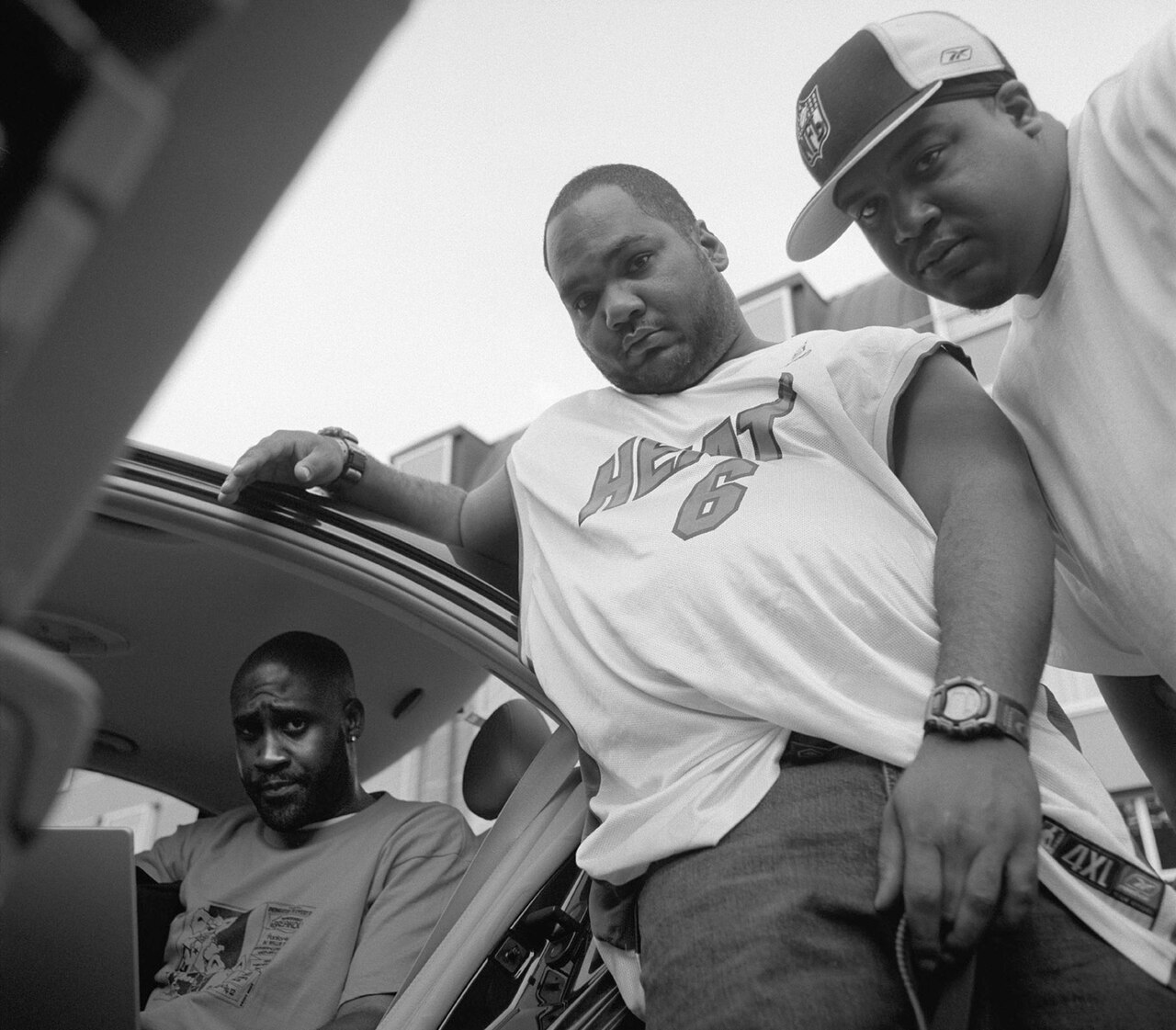
Rewind a couple years and cross the water into a totally different vibe. The Native Tongues collective — A Tribe Called Quest, De La Soul, Jungle Brothers, Queen Latifah, Monie Love, later Black Sheep — were the peace-sign, thrift-store, jazz-sampling wing of the Golden Age. Where Wu-Tang was grimy kung-fu grit, Native Tongues was bright, playful, and a little bit art-school.
De La Soul’s 3 Feet High and Rising and Tribe’s The Low End Theory proved rap could be goofy, bookish, and brilliant all at once. They shared guest verses so freely that you’d hear the same voices threaded across a dozen records — Q-Tip popping up on a De La track, Phife trading bars with the Jungle Brothers. The crew was so tight-knit it functioned like an extended family. That’s why the news of certain members passing over the years hits Gen X so hard: it’s not a celebrity, it’s someone who was on the soundtrack of your teenage bedroom.
Why Crews Beat Solo Stars in the Golden Age
So why did the collective model dominate 1990 to 1999 specifically? A few reasons, and they all reinforced each other.
- The posse cut ruled the era. A track like “Scenario” or “Protect Ya Neck” wasn’t a solo showcase — it was a relay race where each rapper tried to outdo the last. That format demanded a crew.
- Producers anchored the sound. RZA held Wu-Tang together. DJ Premier and the Gang Starr Foundation. Dr. Dre’s G-funk factory. The producer was the glue, and a great producer wanted a stable of voices to work with.
- Loyalty was currency. In an era obsessed with authenticity, rolling with your people proved you were the real thing. A crew was your credibility.
- The economics made sense. One breakout member could pull the whole camp up the ladder behind him.
Put simply: in the Golden Age of hip-hop, you didn’t just root for a rapper. You picked a side, repped a crew, and argued about it with your friends until the streetlights came on.

Death Row and the West Coast Machine
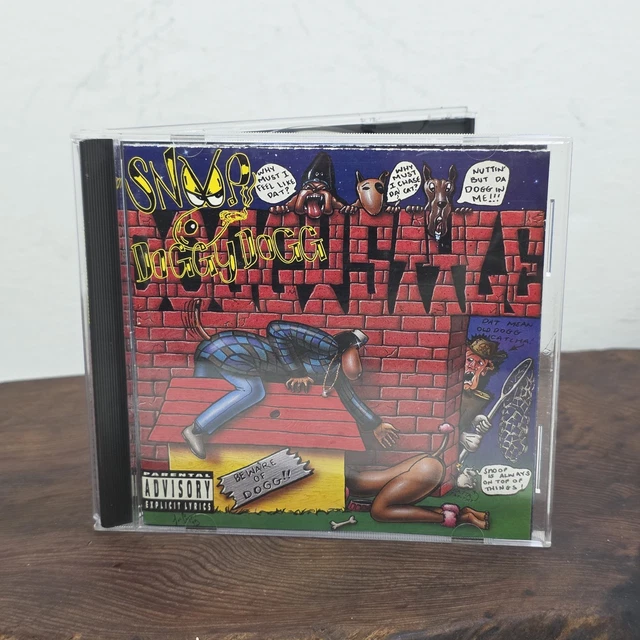
Out west, the crew model took an entirely different, glossier, and far more dangerous shape. Death Row Records, run by Suge Knight with Dr. Dre in the lab, wasn’t a loose collective of friends — it was a hit factory with a roster. Dre’s The Chronic in 1992 introduced the world to G-funk and, in the same breath, introduced a skinny kid from Long Beach named Snoop Doggy Dogg. A year later Doggystyle made Snoop the biggest new star in America.
Death Row operated like a label and a crew at once: Dre, Snoop, Tha Dogg Pound, Nate Dogg, and eventually 2Pac all under one roof, one sound, one logo. The West Coast answer to Wu-Tang’s franchise was a well-oiled machine — until the East Coast–West Coast rivalry turned the crew loyalty that fueled the Golden Age into something tragic. The same tribal energy that made the music electric had a devastating cost, and by 1997 the era’s brightest lights, Tupac and The Notorious B.I.G., were both gone.
The Camps You Forgot Were Everywhere
Wu-Tang and Death Row get the documentaries, but the Golden Age was stuffed with smaller crews that quietly shaped everything. EPMD’s Hit Squad launched Redman and Keith Murray. Boot Camp Clik gave us Black Moon and Smif-N-Wessun with that unmistakable Beatminerz sound. D.I.T.C. (Diggin’ in the Crates) was a producers-and-rappers collective — Lord Finesse, Diamond D, Showbiz & A.G., Big L, Fat Joe — that basically ran New York’s underground.
Even the megastars leaned on camps. Nas came up connected to the Queensbridge scene alongside Mobb Deep and Cormega. The Notorious B.I.G. built Junior M.A.F.I.A. and put on Lil’ Kim. Puff Daddy’s Bad Boy Records was a crew with a uniform (those shiny suits) and a Hitmen production team. If you were a solo act in the 90s and you didn’t have a camp behind you, people wondered who your people were — because everybody had people.

The Source, the Mics, and Keeping Score
None of this crew warfare would have felt so high-stakes without a scoreboard, and in the Golden Age that scoreboard was The Source magazine. The “5 Mics” rating in the record review section was the closest thing hip-hop had to a Michelin star. When an album earned all five — a genuinely rare event — it certified a crew’s place in history. Fans memorized the ratings and defended them like sports stats.
This was the pre-internet ecosystem that made the whole thing hum: The Source and Vibe on the newsstand, Yo! MTV Raps and Rap City on the TV, the mixtape from the guy who knew a guy, and the local radio show you stayed up past midnight for. All of it revolved around crews, because crews gave you something to belong to. You weren’t just a listener. You were down.

Why It Still Matters
Modern rap is a solo-artist, one-off-collab, algorithm-driven world. Crews still exist, but nothing today has the gravity of walking into a record store in 1995 and seeing a wall of albums that all carried the same logo, all connected, all part of one sprawling story you’d been following for years. That interconnection is what made the Golden Age of hip-hop feel less like a genre and more like a universe.
For Gen X, the crews were the whole point. You didn’t fall in love with a single song. You fell in love with a family of voices and followed them wherever they went. And if you still know every word of “Triumph” or can recite the intro to “Buddy” from memory — congratulations. You were down. You always will be.
Want to relive it? The classic crew albums of the Golden Age are all still in print on vinyl and CD.
Dig back into the era: Wu-Tang 36 Chambers on vinyl, A Tribe Called Quest Low End Theory, and Dr. Dre The Chronic.
Sources
- Wikipedia — Golden age hip hop
- Wikipedia — Wu-Tang Clan
- Wikipedia — Native Tongues
- Wikipedia — Death Row Records
- Wikipedia — The Source magazine
Browse retro and vintage-inspired apparel at the RetroRadical shop →
The Retro Almanac
A monthly roundup of "on this day" highlights from that month, decades back — plus first dibs on new retro merch drops. No spam, just the good stuff.