How the Sampler Built the Sound of 90s Rap
Somewhere between 1990 and 1999, hip-hop stopped being the loud kid crashing the party and became the party itself. If you came up in that decade, you didn’t just hear the shift — you felt it in your chest through a car speaker, in the crackle of a borrowed cassette, in the way a single drum loop could make a whole block nod in unison. This was the Golden Age hip-hop era, and its magic came from something surprisingly humble: a pile of forgotten vinyl and a couple of boxes with blinking pads that could chop a record into brand-new music.
We tend to remember the 90s through the rappers — the voices, the beefs, the videos on Yo! MTV Raps. But behind almost every classic of the era sat a producer hunched over a machine, hunting for the perfect two-second scrap of a 70s soul record. The story of Golden Age hip-hop is really the story of how a generation of crate-diggers turned obsolete technology into the most influential sound of the decade.
What “Golden Age” Actually Means
Ask ten heads to define the Golden Age of hip-hop and you’ll get ten slightly different answers. Some stretch it back to 1986; some cut it off at 1997. But the tightest, most commonly cited window is 1990 to 1999 — the decade when the culture exploded in every direction at once. You had the jazzy bohemian warmth of the Native Tongues, the paranoid kung-fu grime of Staten Island, the sun-baked funk of the West Coast, and the hard-nosed boom-bap of New York all thriving in the same ten years.
The Retro Almanac
A monthly roundup of "on this day" highlights from that month, decades back — plus first dibs on new retro merch drops. No spam, just the good stuff.
What ties it all together isn’t a single style — it’s an approach. This was the era before big-budget studios and cleared-sample lawyers ran the show. Producers built beats from records they owned, flipped them by feel, and treated the sampler like an instrument. The result was a sound so distinct that today’s artists still chase it on purpose, slapping vinyl crackle onto digital tracks just to borrow a little of that 90s dust.
The Machine That Started It: The E-mu SP-1200
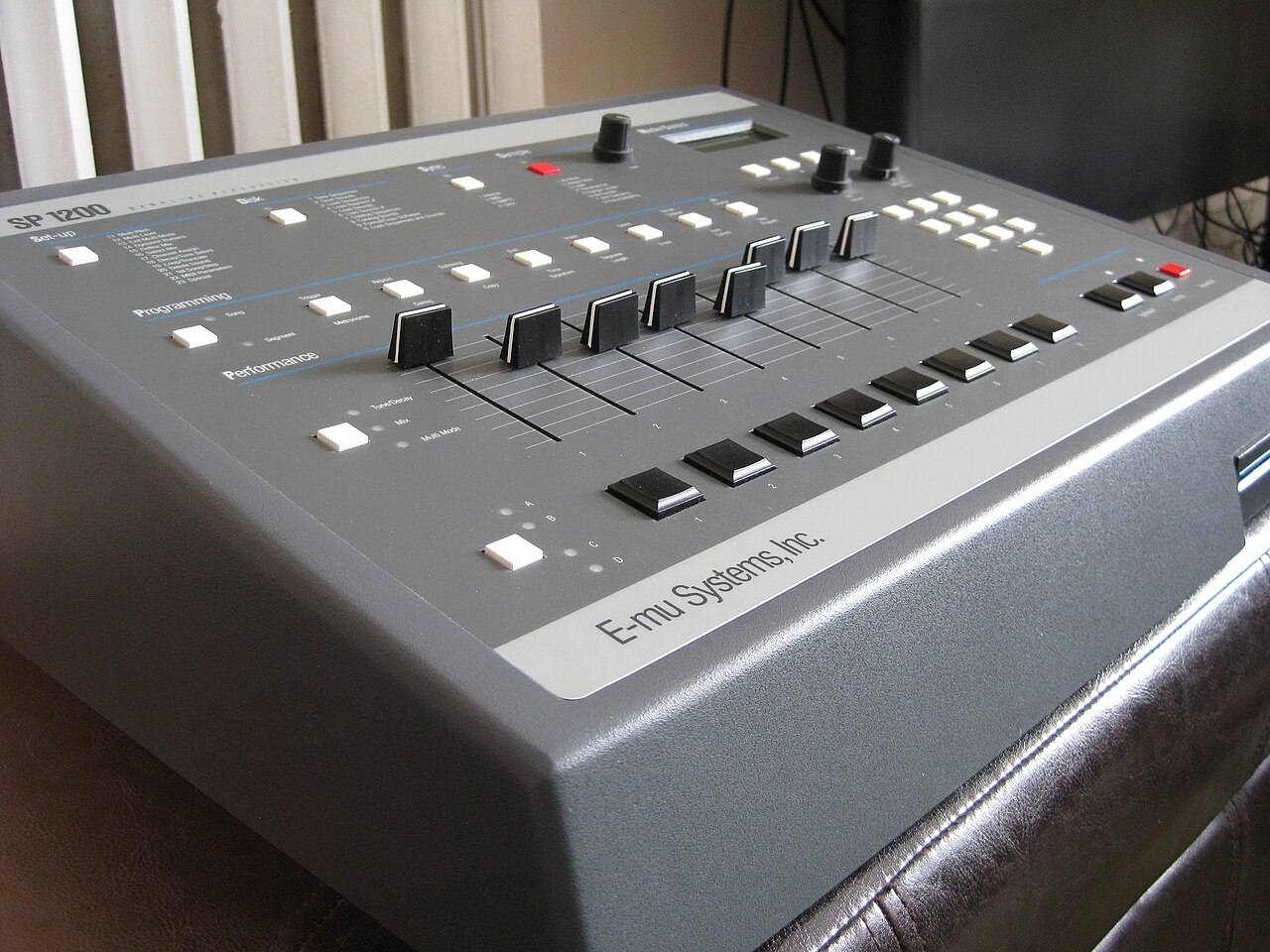
If Golden Age hip-hop had a beating heart, it was the E-mu SP-1200, released in 1987 and adopted like scripture by New York producers into the mid-90s. On paper it was a limited little box — barely ten seconds of sampling time, a gritty 12-bit converter, and a set of drum pads. In practice, those “limitations” were the whole point.
Because sampling time was so short, producers had to be ruthless: grab a tiny slice of a horn stab or a bassline and loop it. Because the machine recorded at a crunchy 12-bit resolution, everything came out with a warm, slightly dirty edge — the exact texture that says “90s” to your ears before a single word is rapped. Legends built entire catalogs on it. The SP-1200 didn’t record clean; it recorded characterful, and a generation learned to love the grit.
That constraint bred creativity. When you can only hold a couple of seconds of sound, you learn to find the one bar of a record that matters and build a universe out of it. Whole classics were assembled from scraps most listeners would have skipped past.
Enter the MPC: Where Feel Met Precision
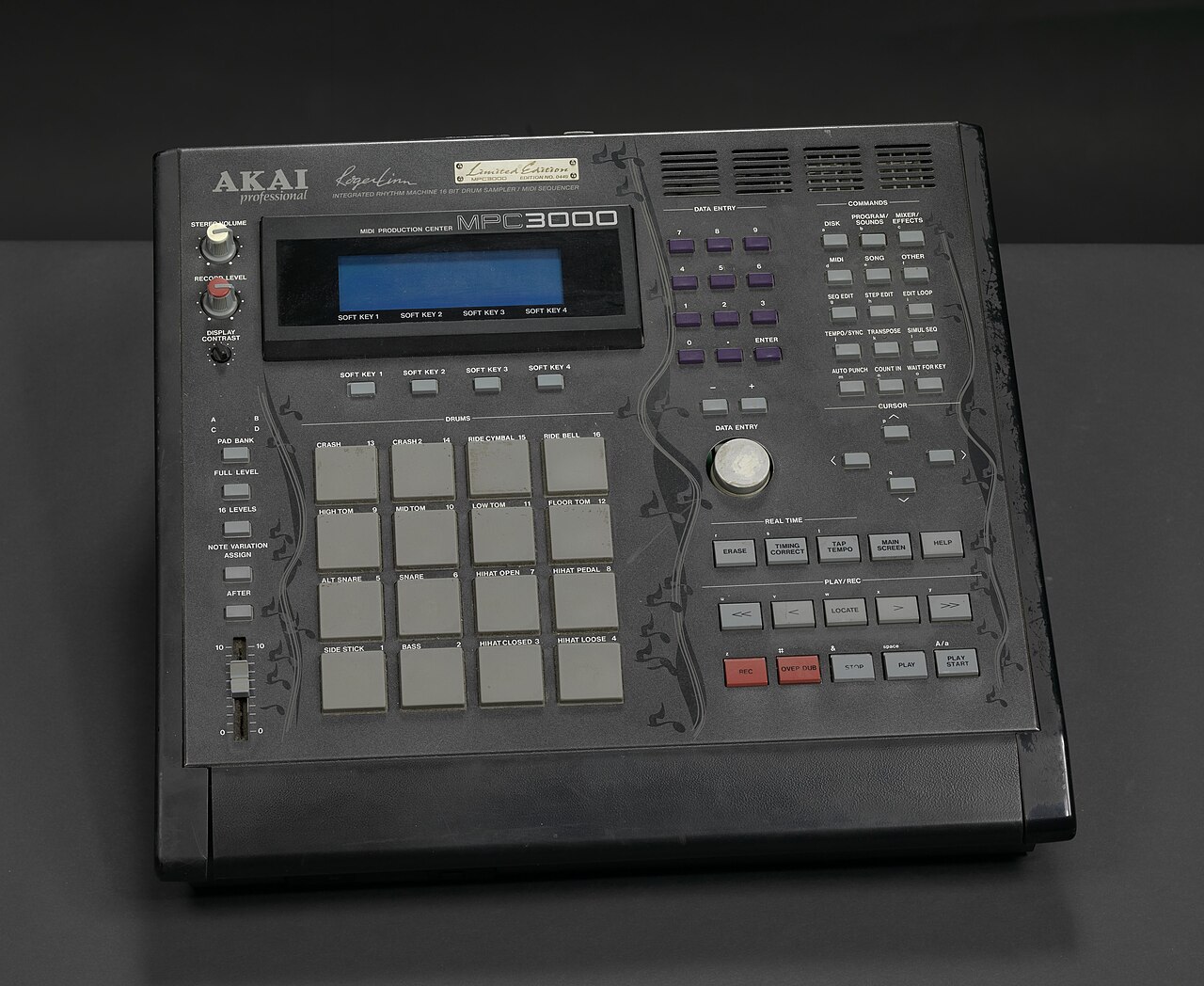
If the SP-1200 gave the era its grit, the Akai MPC line gave it its groove. Designed with the help of synth pioneer Roger Linn, the MPC60 and later the MPC3000 offered more sampling time, sturdy velocity-sensitive pads, and — crucially — swing. That swing setting let producers nudge drums slightly off the grid so beats breathed and bounced like a live drummer instead of ticking like a metronome.
The MPC became the workhorse of the decade. Producers thumbed out drum patterns on those rubber pads by hand, chasing a head-nod feel you couldn’t program with a mouse. By the mid-90s, the phrase “I made this on the MP” was practically a badge of honor. The machine was so central that fans still argue about SP-1200 versus MPC the way guitarists argue Fender versus Gibson.
Boom-Bap: The Sound of a City
Put those machines in the right hands and you got boom-bap — the onomatopoeia says it all. A booming kick, a cracking snare, a looped sample, and a rapper with something to prove. It was the default language of East Coast rap through the 90s, and nobody spoke it more fluently than DJ Premier.
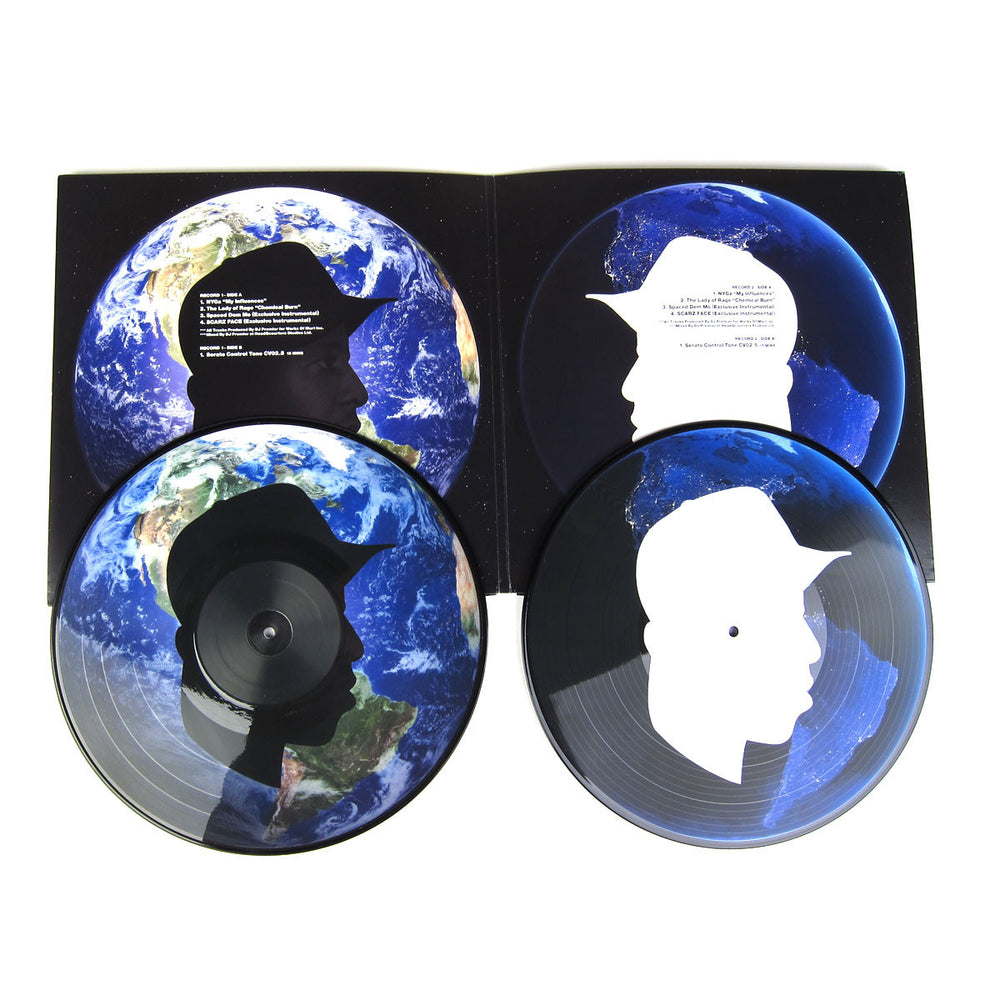
Premier, one half of Gang Starr, turned a signature trick into an art form: instead of looping a melody, he’d chop tiny fragments of different records — a syllable of a vocal here, a stab of piano there — and rearrange them into scratchy, hypnotic hooks that sounded like nothing on the original records. He produced for Nas, Biggie, Jeru the Damaja, and half the New York canon, and you can ID a Premier beat in about four seconds.
Across town, Pete Rock brought a warmer, jazzier hand. His 1992 record with CL Smooth, They Reminisce Over You (T.R.O.Y.), built around a mournful horn sample, is still held up as one of the most beautiful beats ever made. Where Premier was sharp and percussive, Pete Rock was lush and soulful — two sides of the same crate-digging coin.

The Jazz Wing: A Tribe Called Quest and the Native Tongues
Not every Golden Age classic was hard-edged. A Tribe Called Quest, led by the ears of Q-Tip, folded upright bass, Rhodes piano, and cool jazz records into something bohemian and endlessly re-listenable. Albums like The Low End Theory (1991) proved you could sample Ron Carter and still knock in a jeep. Tribe, De La Soul, and the wider Native Tongues collective made records that felt like hanging out — playful, literate, and warm.
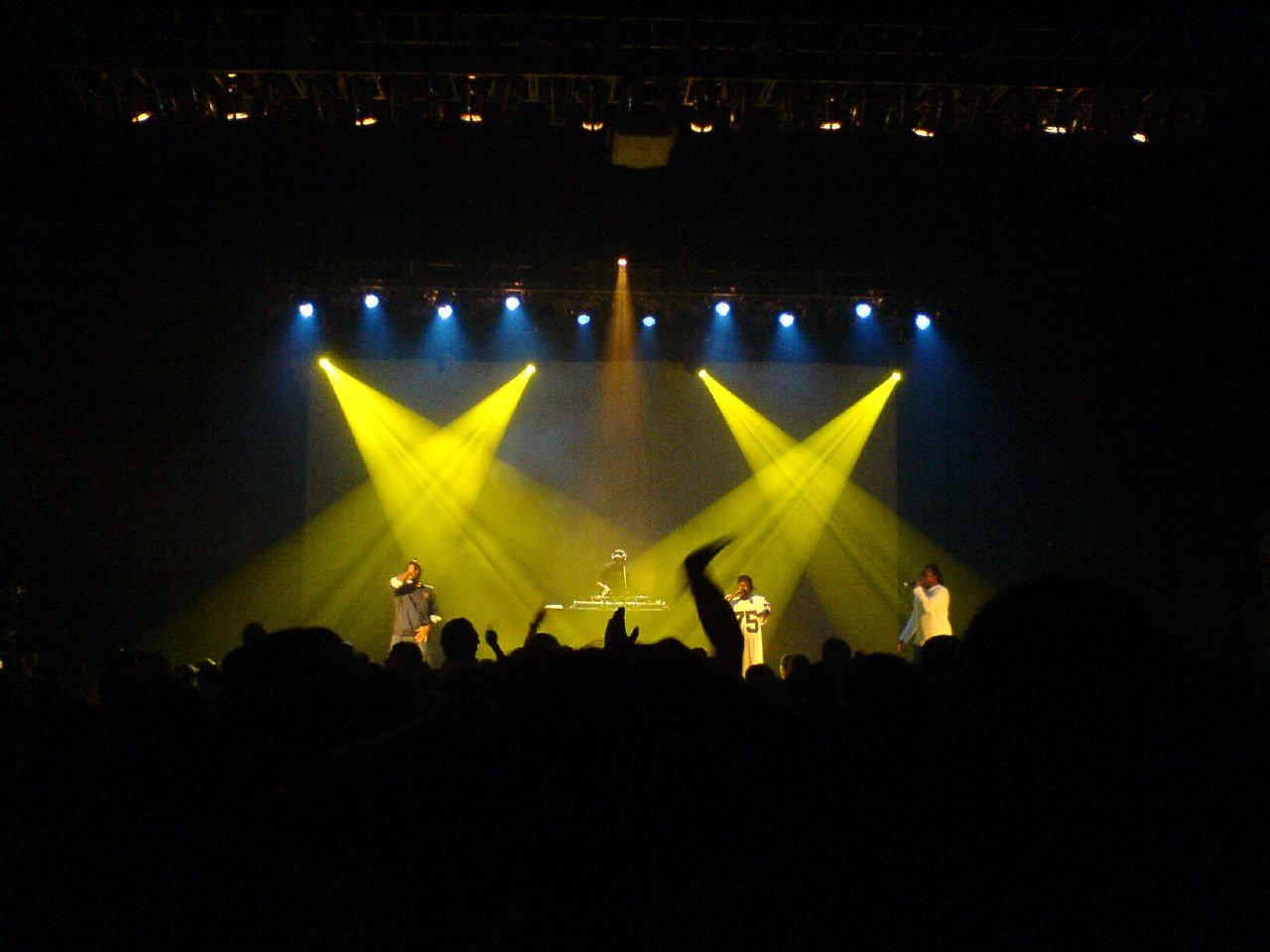
That jazzy strain matters because it showed the range of what a sampler could do. The same technology that made Premier’s beats sound like broken glass could make Tribe’s sound like a smoky lounge at 2 a.m. The machine wasn’t the style — the digger behind it was.
The West Coast Rewrites the Rules
While New York chopped soul and jazz, the West Coast took a different route. Dr. Dre’s The Chronic (1992) introduced G-funk — slow, rolling grooves built on the DNA of Parliament-Funkadelic, complete with whining synth leads and deep, elastic bass. Dre leaned on replayed melodies and live musicians as much as raw samples, and the polish was the point: this was music engineered for lowrider hydraulics and summer afternoons.

The contrast between coasts became the defining tension of the decade, and eventually its darkest chapter. But musically, it was a gift. You had two fully realized sound-worlds — gritty East Coast boom-bap and glossy West Coast G-funk — pushing each other to get better, sharper, and more ambitious with every release.
1993–1994: The Peak
If you had to plant a flag on the summit of the Golden Age, you’d put it around 1993 and 1994. In roughly eighteen months the culture produced an absurd run of landmark records: Wu-Tang Clan’s Enter the Wu-Tang (36 Chambers), with RZA turning the SP-1200 into a haunted-house of dusty kung-fu soul; Nas’s Illmatic, a ten-track masterpiece stitched together by Premier, Pete Rock, Q-Tip, and Large Professor; Snoop Dogg’s Doggystyle; and Biggie’s Ready to Die.
What makes that cluster remarkable isn’t just the rapping — it’s that so many of these albums were built on the same handful of machines and the same crate-digging ethic. RZA’s grimy loops and Dre’s plush funk came from the same toolkit, wielded by minds pointed in opposite directions. That’s the whole story of the era in miniature: cheap gear, deep records, and producers treating limitation as a dare.
Why the Dust Never Settled
By the end of the 90s, the ground shifted. Sample-clearance lawsuits made flipping a famous record expensive and legally risky, pushing producers toward original melodies and, eventually, the shiny synth-driven sound of the 2000s. The SP-1200 and MPC didn’t disappear, but the wild, anything-goes crate-digging spirit got harder to sustain when a two-second loop could cost six figures.
And yet the sound refused to die. Producers like J Dilla carried the sampler torch into the new century, and today lo-fi beatmakers, vinyl revivalists, and streaming playlists full of “boom-bap type beats” keep the 90s alive on purpose. Turn on a coffee-shop lo-fi stream and you’re hearing the great-grandchild of the SP-1200. The dust the Golden Age kicked up never really settled — it just became the air.
That’s the quiet miracle of Golden Age hip-hop. A decade defined by voices was, underneath it all, defined by machines — humble, limited, glorious boxes that let a generation turn their parents’ record collections into the future. If you still get chills off a crackly loop and a fat snare, you already know: they don’t make it like the 90s. They just keep trying.
Want to hear it the way it was meant to sound? Nothing beats spinning the originals. Dig through 90s hip-hop vinyl here and start your own crate.
Sources
Browse retro and vintage-inspired apparel at the RetroRadical shop →
Shop on eBay
90s Collectibles on eBay →
We may earn a commission when you shop through our eBay links.
The Retro Almanac
A monthly roundup of "on this day" highlights from that month, decades back — plus first dibs on new retro merch drops. No spam, just the good stuff.