On This Day: July 27, 1996 — The Night the Olympics Stood Still
The 1996 Atlanta Summer Olympics were supposed to be America’s triumphant centennial Games — the hundredth anniversary of the modern Olympics, held on home soil, a celebration broadcast to the entire world. For twelve days it was exactly that. Then, in the early hours of July 27, a backpack changed everything.

America’s Olympics
Atlanta had won the right to host the centennial Games over Athens — a result that stung Greek traditionalists who believed the hundredth anniversary belonged in the birthplace of the modern Games. Atlanta pressed ahead, and by July 1996 had created something remarkable: Centennial Olympic Park, the first true public green space in downtown Atlanta’s history, open to any visitor without a ticket.
The Games themselves had already produced iconic moments. Michael Johnson shattered world records in both the 200 and 400 meters, running in gold shoes that became instant legend. Carl Lewis seized his fourth consecutive Olympic long jump gold. The U.S. women’s gymnastics team — the Magnificent Seven — had clinched team gold just four days prior, capped by Kerri Strug’s vault on a torn ankle in a moment that stopped the country mid-breath. Muhammad Ali, trembling visibly from Parkinson’s disease, had lit the cauldron at the opening ceremony to a roar that lasted minutes. For the first time since Los Angeles in 1984, the Games were on American soil, and America was watching every second.
The Retro Almanac
A monthly roundup of "on this day" highlights from that month, decades back — plus first dibs on new retro merch drops. No spam, just the good stuff.
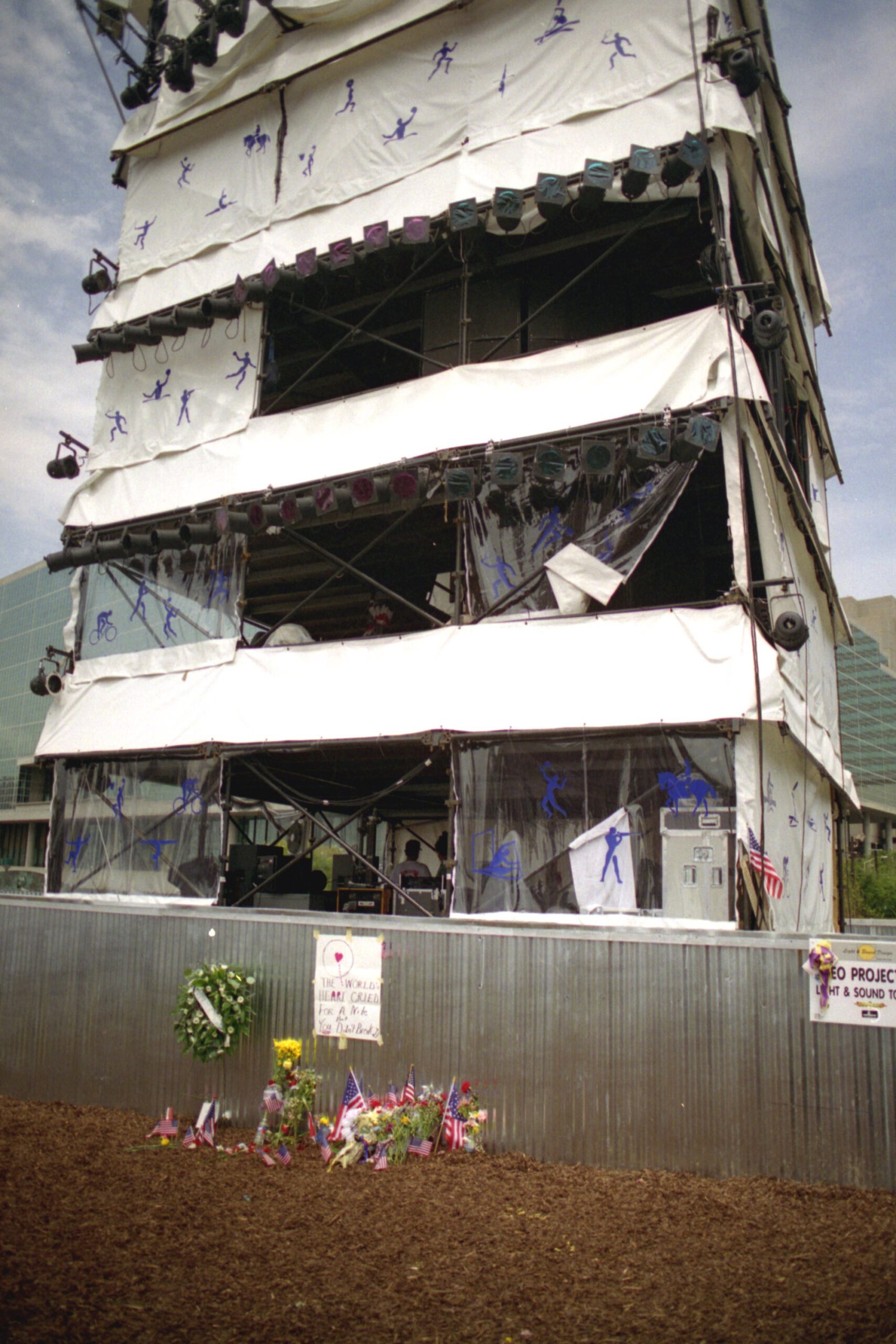
Centennial Olympic Park was the pulse of it all. On peak nights, 50,000 people moved through the space. Free concerts ran late. The atmosphere was the closest thing to a permanent Olympic party the public could access without credentials. On the night of July 26th rolling into July 27th, the park was full, the music was loud, and nobody noticed the green backpack sitting under a bench near the sound tower.
A Night of Celebration Turned to Terror
It was after midnight when tens of thousands of visitors crowded into Centennial Olympic Park, the public gathering hub at the heart of the Atlanta Games. Jack Mack and the Heart Attack were on stage, playing a free concert, and the mood was electric. The Olympics were in full swing. The city was alive.
At 1:18 a.m., Richard Jewell noticed something that didn’t belong. The 33-year-old private security guard working for AT&T spotted a suspicious green military-style backpack sitting beneath a park bench near the sound tower. He alerted Georgia Bureau of Investigation officers immediately, and together they began moving spectators away from the area. They had cleared a buffer zone — but not everyone could get out in time.
At 1:20 a.m., the bomb detonated.
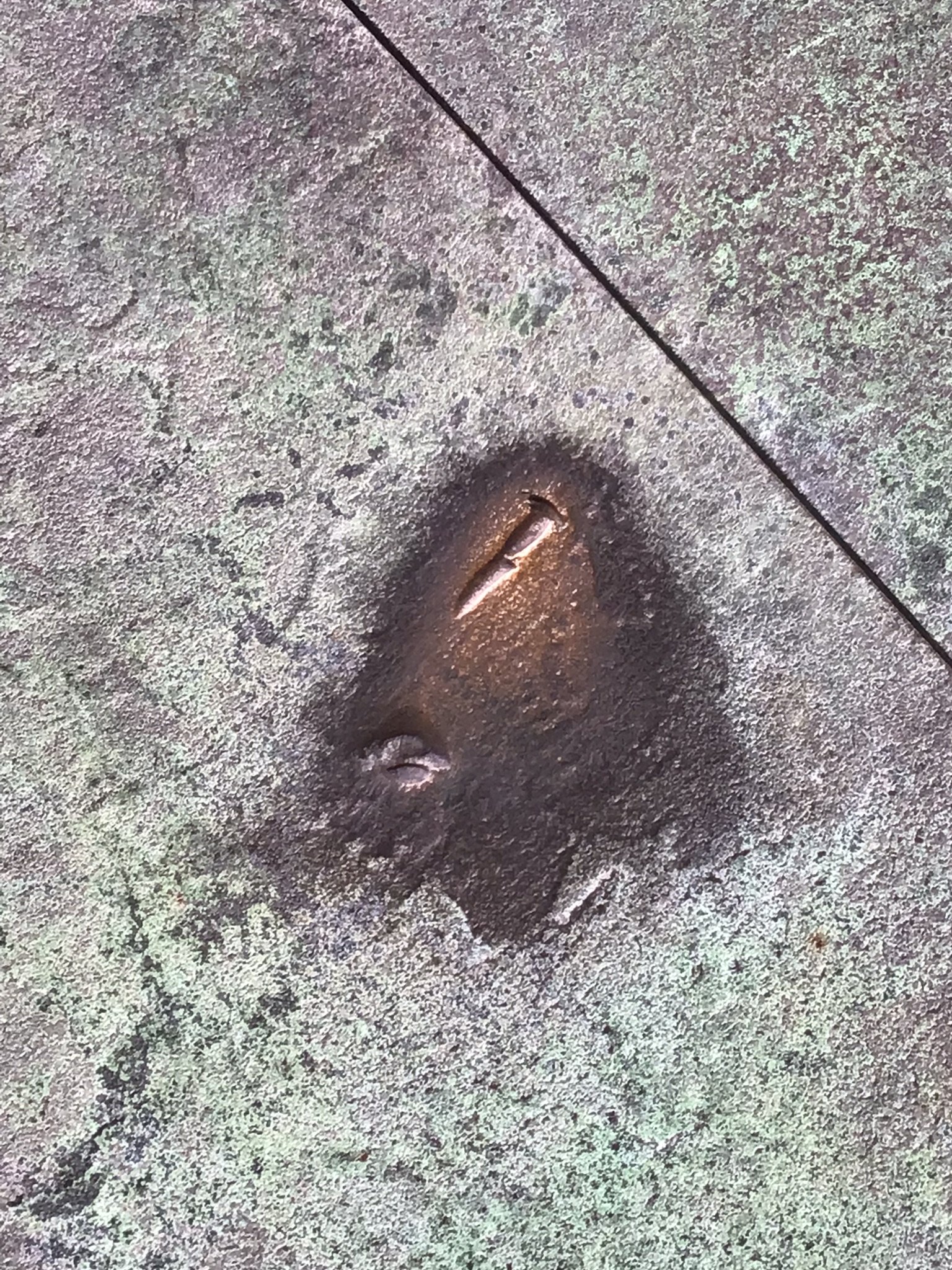
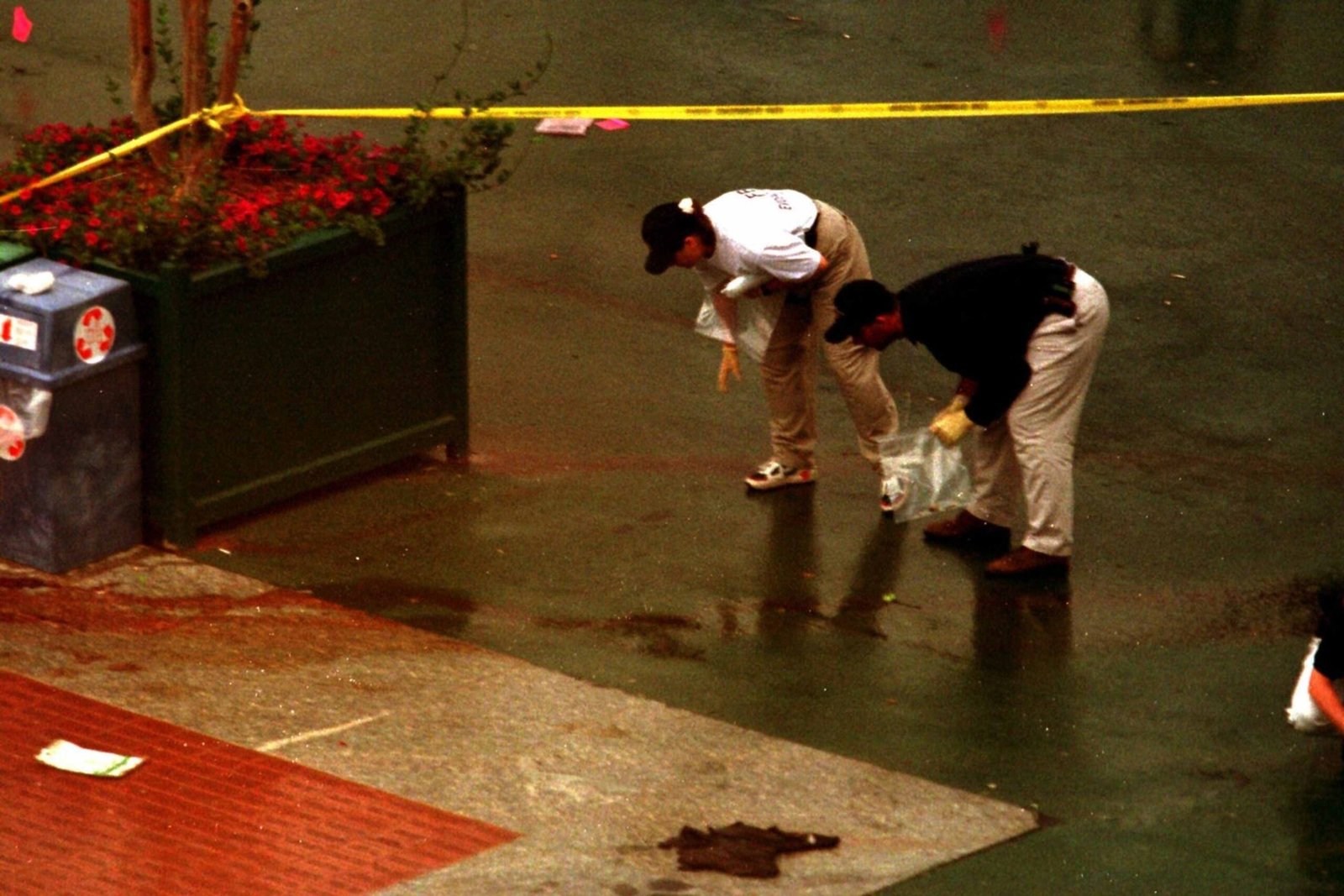
Inside the backpack were three pipe bombs packed with gunpowder and six pounds of two-and-a-half-inch steel nails stuffed into Tupperware containers. The blast tore through the crowd. Alice Hawthorne, a 44-year-old woman from Albany, Georgia, who had brought her daughter to the Olympics as a birthday treat, was killed instantly. Turkish cameraman Melih Uzunyol, sprinting toward the scene to document the aftermath, died of a heart attack. One hundred and eleven people were injured, many maimed by flying nails. It was the darkest night of the Games.
The International Olympic Committee made the decision quickly: the Games would continue. Two weeks remained on the calendar, and athletes from 197 nations were in Atlanta. IOC president Juan Antonio Samaranch addressed a crowd the following morning and notably did not use his usual sign-off — he traditionally called each closing ceremony “the best Games ever.” Atlanta would not get that distinction. A memorial service was held in the park. A moment of silence preceded events for the rest of the Games. The park itself reopened three days after the blast, and the Olympic movement pressed on, because that is what the Olympic movement does.
The Hero Who Became a Suspect
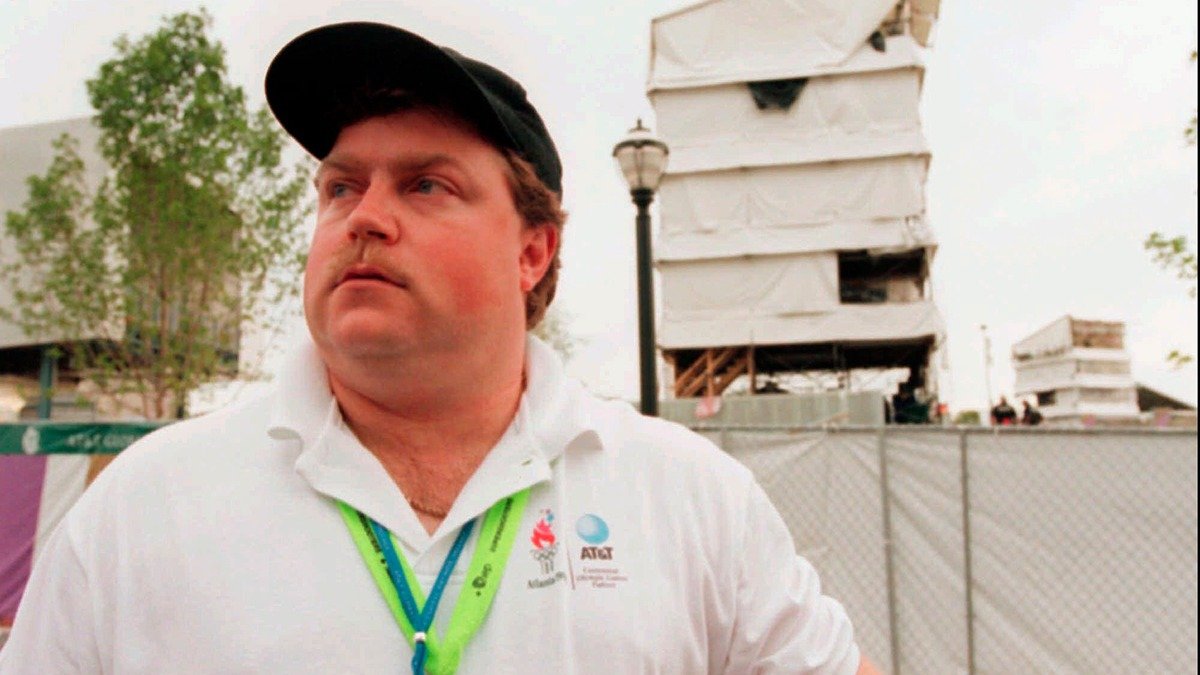
In the immediate aftermath, Richard Jewell was rightly praised as a hero. His quick eyes and faster action had almost certainly saved dozens of lives. He gave interviews, appeared grateful, and talked about just doing his job.
Three days later, the Atlanta Journal-Constitution ran a story naming Jewell as the FBI’s prime suspect. Within hours, every major television network had picked it up. NBC’s Tom Brokaw told the nation on the evening news that Jewell “fit the profile of a lone bomber” and that the FBI had “enough to arrest him.” Satellite trucks parked outside his mother’s apartment. Cameras followed him everywhere. The country had decided he was guilty.
The FBI subjected Jewell to 88 days of surveillance, leaked information to journalists, and attempted to get him to waive his Miranda rights under the guise of filming a training video. Through it all, Jewell hired a lawyer and refused to break. He had done nothing wrong. He knew it. But the world had already made up its mind.
In late October 1996, the Department of Justice sent a letter officially clearing Jewell of any involvement. The letter came 88 days after his ordeal began. By then the damage was done. He spent years pursuing defamation suits against media outlets — winning settlements from NBC, CNN, and the New York Post, among others. The AJC held out until 2011. Jewell never quite recovered from what was done to him.
What made the Jewell case a landmark in American media history was its speed. In 1996, twenty-four-hour cable news was only a decade old. CNN had been born during the 1980 presidential campaign. By 1996, it and its competitors had developed a permanent appetite for developing stories that demanded round-the-clock coverage. The Olympic Park bombing gave them exactly that. Jewell — a heavyset single man in his thirties who still lived with his mother and had a history of overzealous behavior at a previous security post — made for a narrative that fit a template networks were prepared to run with. The fact that he was innocent was never part of the calculation.
The Real Bomber: Seven Years on the Run
While Richard Jewell’s life was being dismantled on live television, the actual bomber walked free.
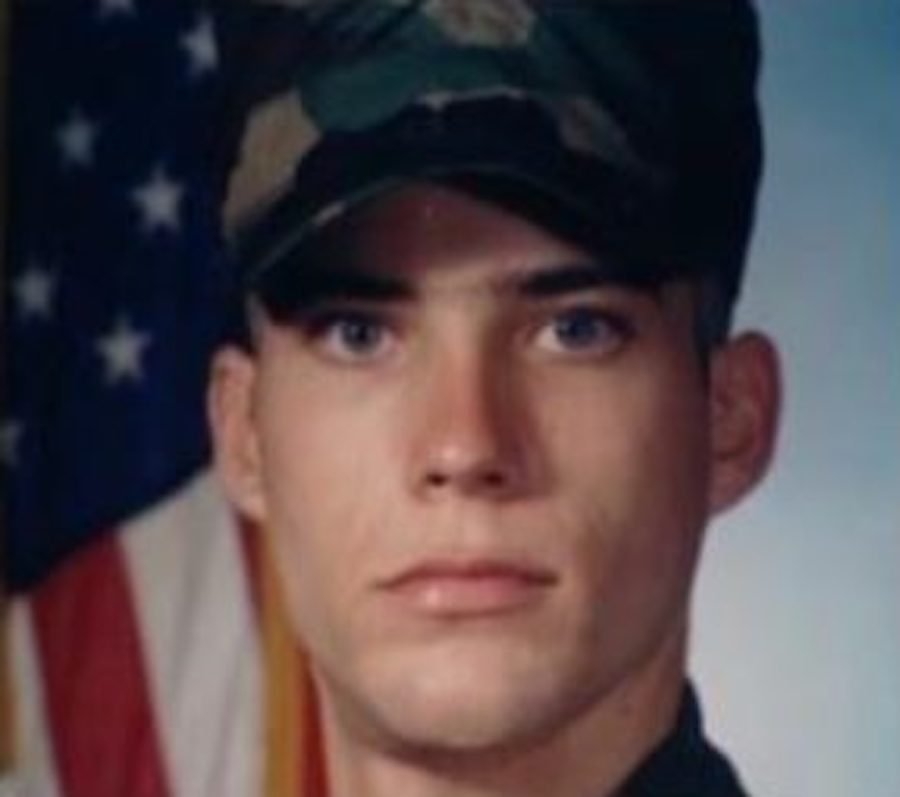
Eric Robert Rudolph, a 29-year-old anti-abortion extremist from North Carolina, had placed the bomb at Centennial Park to protest abortion and what he viewed as the “global socialist” agenda represented by the Olympic movement. He wasn’t finished. In January 1997 he bombed a Sandy Springs, Georgia, abortion clinic. Two months later, a second bomb detonated at the same site just as emergency responders were arriving — targeting first responders deliberately. In February 1998 he bombed a Birmingham, Alabama, abortion clinic, killing an off-duty police officer and critically injuring a nurse. In October 1998 he bombed a nightclub in Atlanta that catered to gay patrons.
The FBI connected the bombings through forensic evidence and in 1998 added Rudolph to its Ten Most Wanted Fugitives list, with a $1 million reward. He had already vanished into the dense mountain wilderness of western North Carolina’s Nantahala National Forest. For five years, federal agents, trained trackers, and Special Forces combed the Appalachians. Rudolph survived off the land — raiding garbage dumpsters behind grocery stores in small towns, living in caves, moving constantly.
On May 31, 2003, a rookie police officer named Jeff Postell was doing a routine patrol in Murphy, North Carolina, at 4 a.m. He spotted a man rummaging behind a Save-A-Lot grocery store and approached. The man gave a false name. Postell ran it anyway. Within minutes, one of the most wanted domestic terrorists in American history was in handcuffs, caught not by a massive manhunt operation but by a 21-year-old cop on a routine patrol.
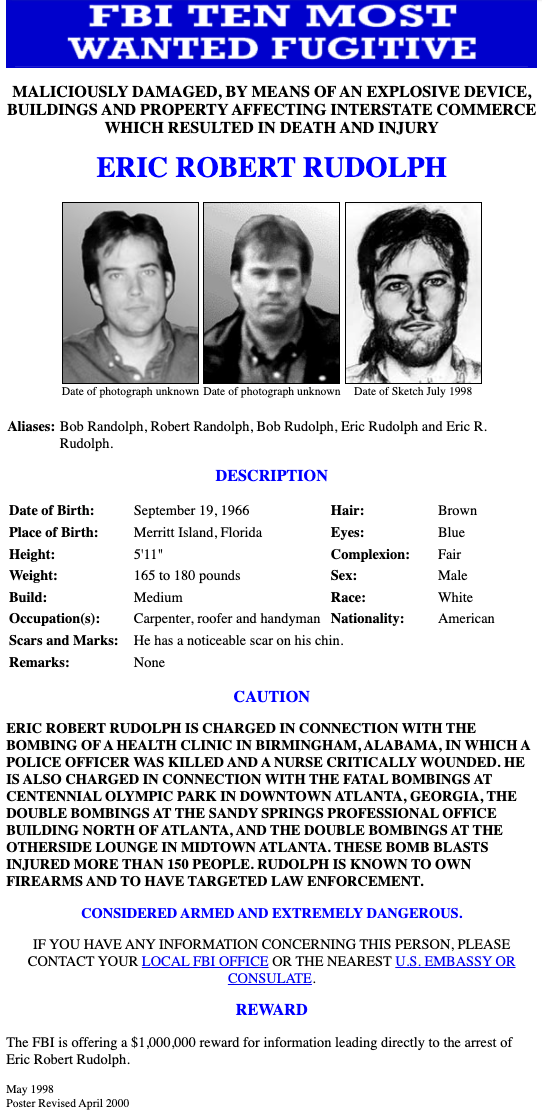
In 2005, Rudolph pleaded guilty to all four bombings in exchange for avoiding the death penalty. He was sentenced to four consecutive life terms without the possibility of parole. He is currently serving those sentences at ADX Florence in Colorado — the federal supermax prison known as the “Alcatraz of the Rockies.”
The Cost of Getting It Wrong
Richard Jewell died on August 29, 2007, at 44 years old, of complications from diabetes and heart disease. He had worked as a police officer in small Georgia towns after his ordeal, finally finding the law enforcement career he’d always wanted. He had remarried. He had some peace. But the stress of what the FBI and the media had done to him was, by most accounts, something he never fully left behind.
In 2019, Clint Eastwood directed Richard Jewell, starring Paul Walter Hauser in the title role and Sam Rockwell as his attorney. The film is a stark portrait of what happens when a justice system and a media machine are both in a hurry and neither is right. It earned wide praise and a Golden Globe nomination. Jewell’s mother, Bobi, attended the premiere and wept.
July 27, 1996, is remembered as the night a bomb exploded at the Olympics. It should also be remembered as two lessons learned the hard way: the cost of a terrorist’s hatred, and the cost of accusing a man without evidence in front of the entire world.
Watch the Full Story
Love the retro era? Browse our shop for vintage finds, retro clothing, and 80s/90s nostalgia gear.
The Retro Almanac
A monthly roundup of "on this day" highlights from that month, decades back — plus first dibs on new retro merch drops. No spam, just the good stuff.