Golden Girls Finale: The 1992 Goodbye That Broke 27M Hearts
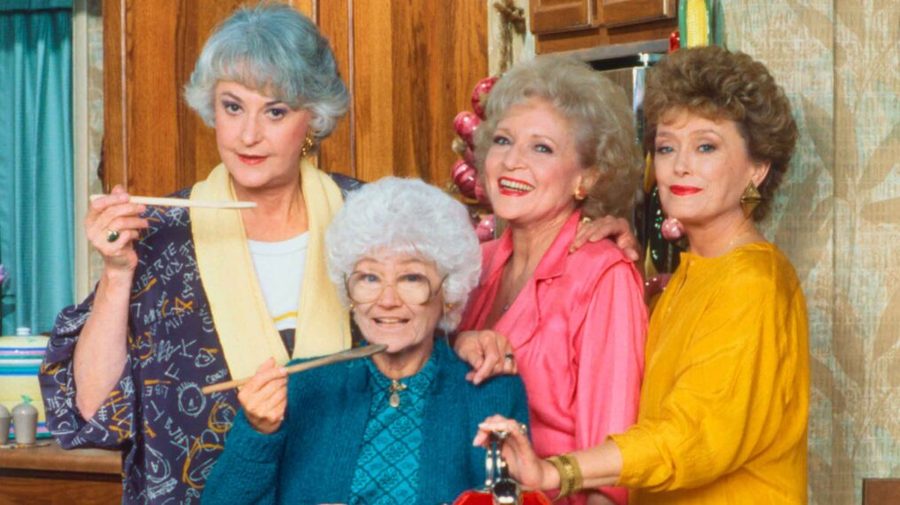
On Saturday, May 9, 1992, 27.2 million Americans put down whatever they were doing and watched Dorothy Zbornak walk out the front door of 6151 Richmond Street for the last time. NBC had been promoting the moment for weeks. By the time Bea Arthur, Betty White, Rue McClanahan and Estelle Getty piled onto the lanai for one last group hug, more people were watching than tuned in for the Super Bowl that year’s halftime show. The Golden Girls finale wasn’t supposed to feel like a funeral. It did anyway.
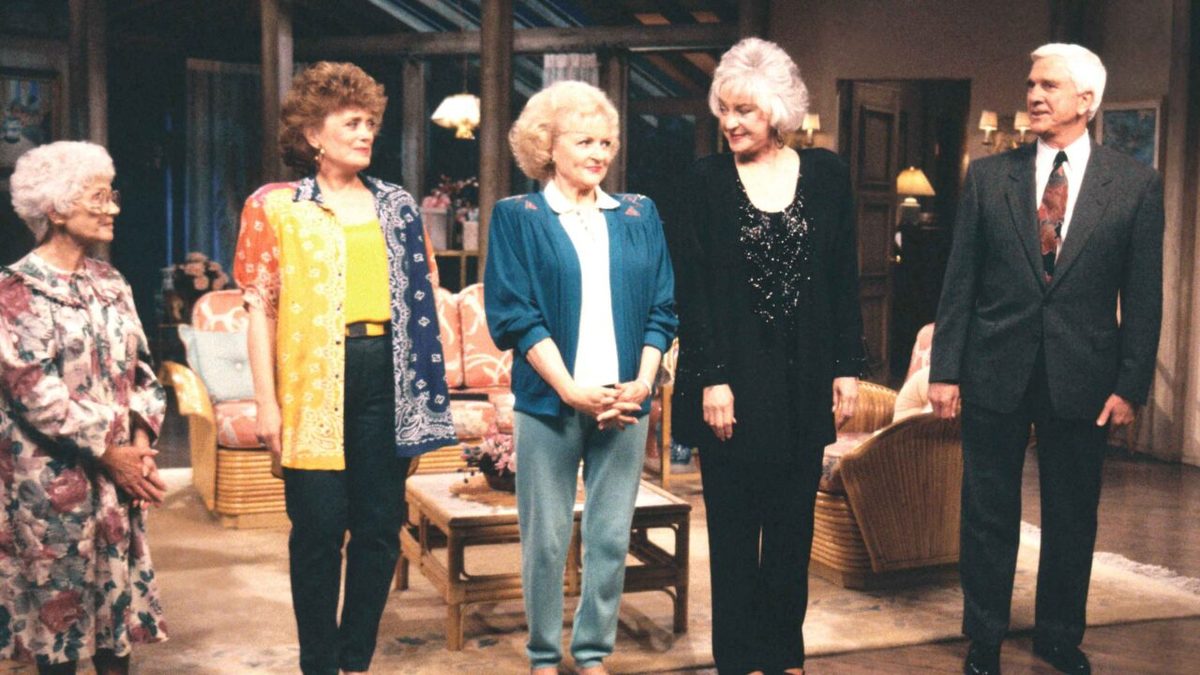
This is the story of how a Saturday-night sitcom about four roommates over fifty pulled off the most quietly devastating goodbye in network television history — and why, 34 years later, it still ranks among the most-watched series finales ever aired.
The Retro Almanac
A monthly roundup of "on this day" highlights from that month, decades back — plus first dibs on new retro merch drops. No spam, just the good stuff.
The Night NBC Said Goodbye to Saturday
The two-part episode was called “One Flew Out of the Cuckoo’s Nest,” and the title was a tip-off. Bea Arthur had told the producers in 1991 that she was done. Seven seasons of taping in front of a live studio audience, seven seasons of standing on her marks under hot lights, seven seasons of being the tallest woman in every room — she’d said her piece as Dorothy. The writers had a choice. They could end the show entirely, or they could write Dorothy out the door and let Blanche, Rose, and Sophia carry on. They tried for both at once.
The setup, on paper, was vintage Blanche. Her Uncle Lucas Hollingsworth, played by Leslie Nielsen mid-Naked Gun peak, was visiting Miami from Atlanta. Blanche pawned the uninterested uncle off on Dorothy, telling each of them that the other was dying to meet. Dorothy and Lucas figured out the lie before the salads arrived. They decided to get even by faking a whirlwind engagement, the kind designed to make Blanche feel like the worst matchmaker in Dade County. The fake engagement worked too well. By the second part, Dorothy and Lucas had decided to actually do it.
How Dorothy Actually Left Miami
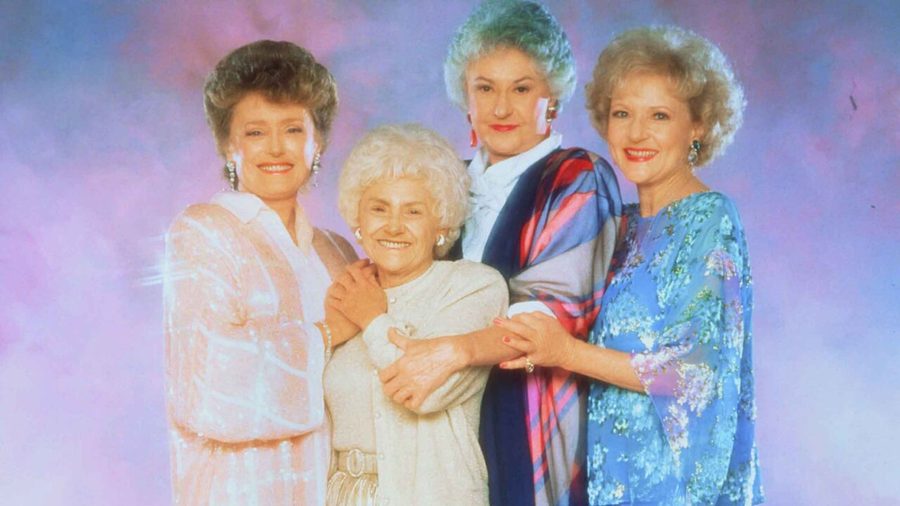
The wedding scene is its own small miracle of sitcom craft. The writers gave each character a voice-over during the ceremony — interior thoughts that ran underneath the standard NBC wedding-episode visuals. Sophia’s monologue is the one people remember. She is watching her daughter, who she has been mothering and needling for seven years, marry a man Sophia has known for about six weeks, and she is letting her go anyway. Bea Arthur’s face during that scene does almost all the heavy lifting. She barely speaks. The Golden Girls finale earned its tears the way the show always had — by trusting the audience to sit with a long, quiet beat instead of cutting to a punchline.
The real gut-punch is the lanai scene, the last one shot, and the one the writers built the whole finale around. Stanley Zbornak — Dorothy’s ex-husband, the man who left her with a son and a mortgage and never quite stopped being part of her life — sends a limousine to take her to the airport. It is his wedding gift. He doesn’t appear in the room. The note he wrote does the work. Dorothy stands in the kitchen one last time, looks at Blanche and Rose and her mother, and the four of them collapse into each other in a hug that goes on a beat too long. Sophia steps back, raises the Polaroid camera she has been holding all episode, and snaps the picture. That’s the show. Roll credits.
Why 27 Million People Showed Up
The 27.2 million number takes a minute to land in modern context. The Big Bang Theory finale in 2019 drew about 18 million. The Game of Thrones finale that same year pulled 19.3 million on HBO. Friends in 2004 hit 52.5 million, and Seinfeld in 1998 cleared 76 million — those are the only sitcom goodbyes that beat Golden Girls in raw audience after 1990. Among series with mostly-over-fifty leads, Golden Girls is the all-time number one, and it isn’t close. That’s worth sitting with. A show built around four older women, several of them widowed or divorced, sharing a house in Miami, became the most-watched finale of its kind ever made.
The audience was built on Saturday night, an evening of the week NBC had basically conceded to the rest of the industry by the early eighties. Then Susan Harris pitched a sitcom about three middle-aged women and a mother-in-law, NBC took a chance, and Saturdays became unmissable from 1985 to 1992. The block — Golden Girls, Empty Nest, 227, later Amen — was the last great network Saturday lineup. After Dorothy left, NBC tried to keep the night alive. Within two years they had given up. The Saturday-night sitcom slot, as a real audience destination, ended with the Golden Girls finale and never came back. If you want to understand what that loss looked like, the rise and fall of the entire 90s sitcom golden age followed roughly the same arc, just on different nights.
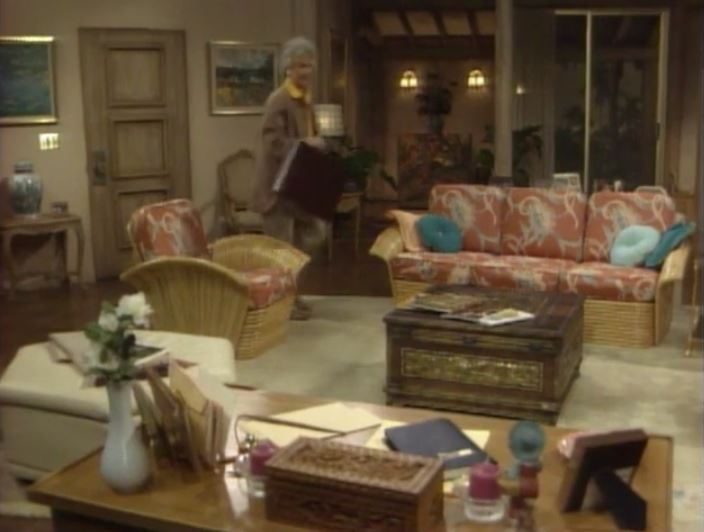

The House at 6151 Richmond Street Never Existed
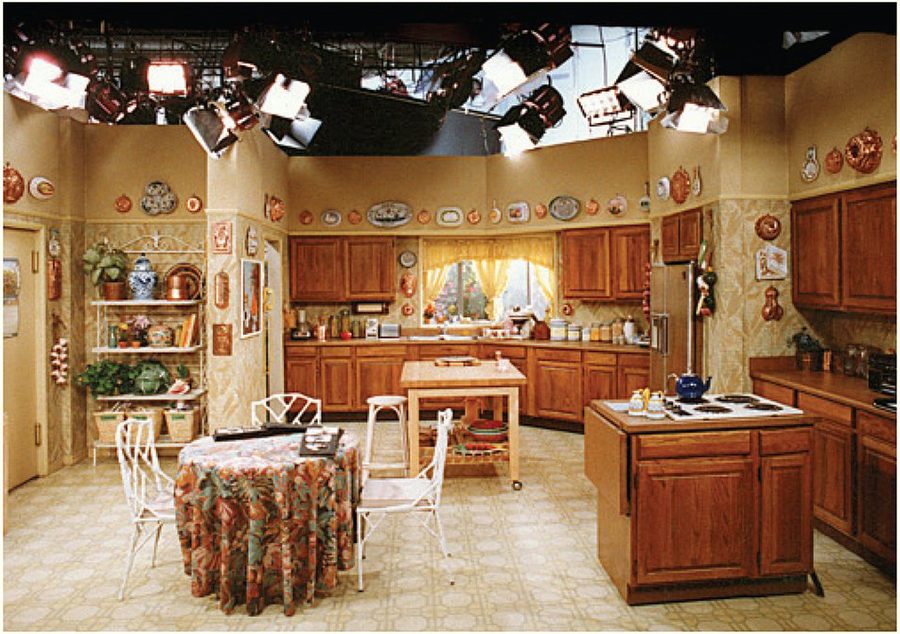
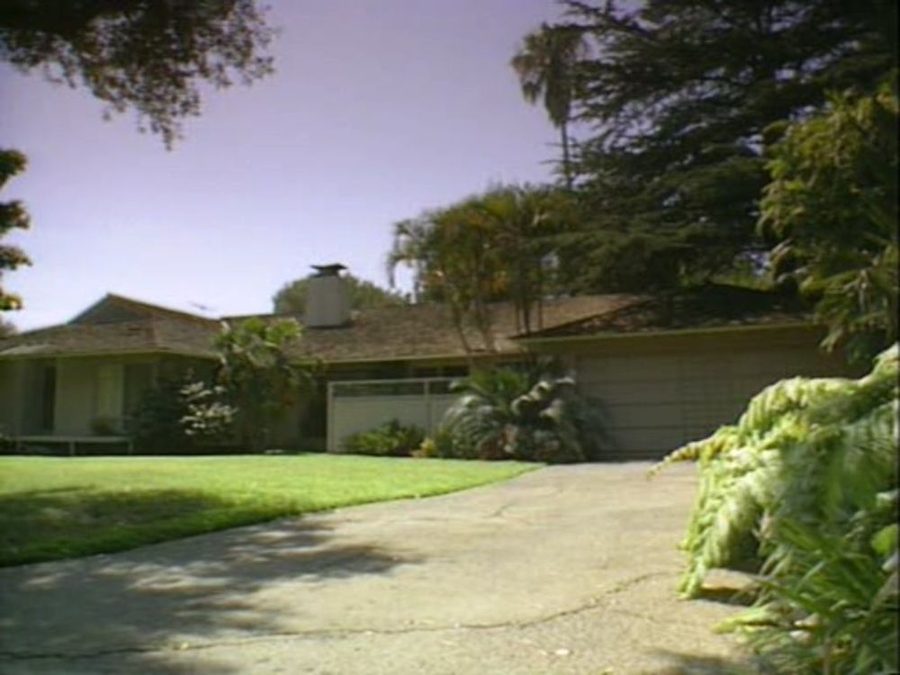
The cheating part of nostalgia is the part that gets quietly retconned. The famous Golden Girls house was a set on Stage 26 at Disney-MGM Studios in Orlando, with exterior shots of a real ranch home at 245 N. Saltair Avenue in Brentwood, Los Angeles. The fictional Miami address — 6151 Richmond Street — was made up. Fans who pilgrimaged to Florida looking for the house spent decades getting frustrated. The lanai was indoors. The “Miami sunlight” coming through the windows was gels and theatrical lighting in a Burbank-area soundstage. The cheesecake at the kitchen table was real, though, and the writers’ rule was you ate it, you didn’t fake-eat it. That’s why most of those late-night kitchen scenes had a slightly heavier-eyed feel by the end of taping.
What was real was the chemistry. Rue McClanahan was originally cast as Rose, the dim Minnesota widow, until Betty White lobbied to swap with her — Betty had played a man-eater on Mary Tyler Moore and didn’t want to repeat it, and Rue had been Vivian on Maude for years and wanted out of the man-eater corner. They swapped. The show worked because the swap worked. It’s hard to imagine a universe where Blanche Devereaux isn’t McClanahan, where Rose Nylund isn’t White. The casting decision that nearly went the other way is one of the reasons the finale lands as hard as it does — three of the four leads were playing the wrong character on paper, and made it the right character on the air.
The Spinoff Nobody Talks About
Four months after Dorothy moved to Atlanta, the other three were back. The Golden Palace premiered on CBS — not NBC, which had refused to pick it up — in September 1992. Blanche, Rose, and Sophia had bought a small Miami hotel together, hired a kitchen staff led by Don Cheadle in his pre-fame years, and tried to run the place. The pilot pulled solid numbers. By midseason it was bleeding viewers. CBS canceled it after one year and 24 episodes. Bea Arthur made one guest appearance as Dorothy in the back half, which was both a treat and a reminder of what the show was missing.
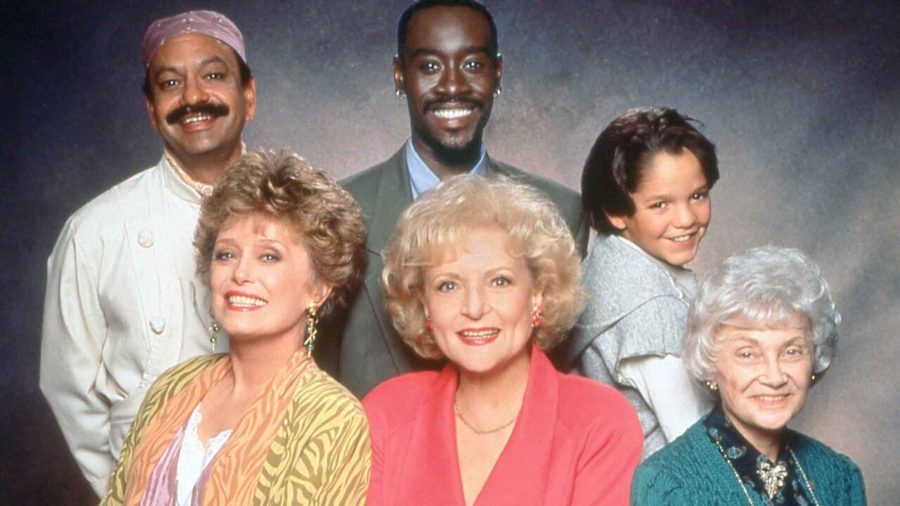
The honest read on The Golden Palace is that the original cast minus one is not the original cast. It’s a slightly less funny version, with the workload redistributed in ways that didn’t quite balance. Estelle Getty had to carry more of the punchline weight without Bea Arthur to set her up, and Sophia was a great closer, not a great opener. The show wasn’t bad. It just wasn’t necessary. Which, looking back, is the lesson the Golden Girls finale had already taught: when a show knows it’s done, it should let itself be done. Compare it to the chaotic 1998 Seinfeld goodbye six years later, and the difference is night and day. Susan Harris and her writers knew exactly what they were building toward. They built it, they shot it, they let the curtain fall.
What the Finale Tells Us About 80s Television
You can draw a straight line from the Golden Girls finale to a lot of what made eighties-into-nineties network TV feel like a public square. Saturday at nine, the country watched the same show. Monday morning, the country talked about it. That’s gone now. It went away slowly, then all at once, and the Golden Girls finale is one of the last moments where the audience was big enough that you could say “did you see —” without finishing the sentence. The reason 80s nostalgia hits so hard for Gen X isn’t just about the toys and the cereal boxes. It’s about the experience of watching television as a group. NBC’s Saturday block was that for almost a decade, and on May 9, 1992, the group got smaller.
The finale also did something most sitcom goodbyes flinch from. It didn’t cheat the comedy. There are big laughs in “One Flew Out of the Cuckoo’s Nest” — Blanche’s escalating horror as her fake-matchmaking trick goes nuclear, Sophia’s running commentary, Rose’s St. Olaf detours mid-rehearsal-dinner. The writers refused to swap punchlines for tears, the way a lot of network finales of that era did. They got both. According to Today’s 30th-anniversary retrospective, the table reads of those final scripts were already an emotional event for the cast — Bea Arthur reportedly stopped twice during Sophia’s wedding voice-over to compose herself.
The Cast After the Lights Went Out
Bea Arthur went back to the stage. She did her one-woman show on Broadway and toured it through 2003. Rue McClanahan stayed in TV with guest spots and stage work. Betty White had a career that peaked thirty years after the finale. Estelle Getty slowed down as her Lewy body dementia advanced through the late nineties. Getty died first, in 2008. Bea Arthur followed in 2009. Rue McClanahan died in 2010. Betty White, who outlived every co-star, made it to within a few weeks of her hundredth birthday before passing on December 31, 2021.
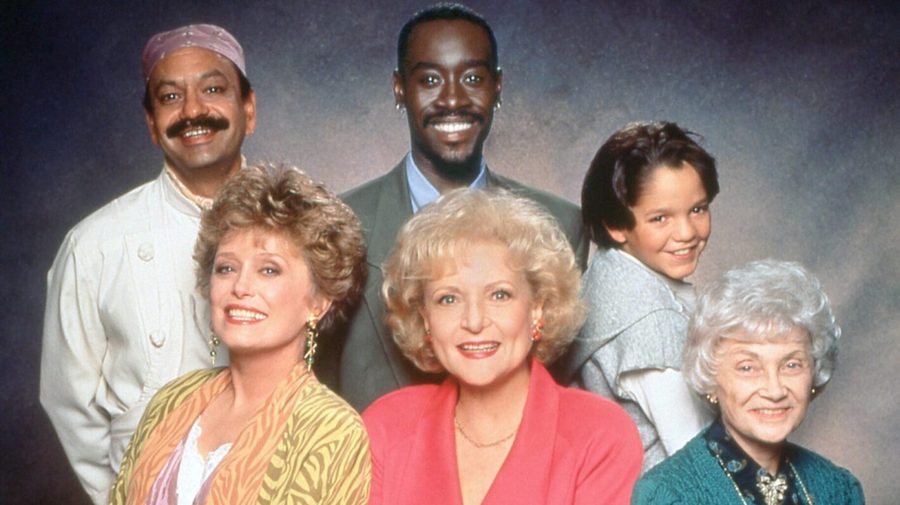
Watching the finale now, with all four leads gone, hits different. It always read as a farewell to a character. Now it reads as a farewell to all of them. The hug on the lanai is still the highest point in the episode. The Polaroid still goes off. The credits still roll over that same theme song — Thank You for Being a Friend, written by Andrew Gold in 1978, a deep-cut Album Oriented Rock track that became one of the most recognizable theme songs in TV history because Susan Harris heard it and knew. None of that has aged. If you watch the goodbye scene cold and don’t tear up, check your pulse.
That’s the trick of the Golden Girls finale. It’s the goodbye that earns the goodbye. Most series finales reach for the sentimental and pull a muscle. This one did the slow build, kept the comedy intact, gave Dorothy a real ending instead of a Hallmark moment, and walked off stage. Twenty-seven million people were watching. They’ve been re-watching ever since. The reruns have never gone off the air. ALF was off NBC by 1990, the Saturday block was a memory by 1995, and Dorothy Zbornak is still walking out that door every night on Hallmark Channel and Hulu at the same time, all over again. That counts as a kind of immortality.
Sources
- “One Flew Out of the Cuckoo’s Nest, Part 1” — IMDB — Episode entry with cast, crew, and air date details.
- Inside the emotional ‘Golden Girls’ finale on its 30th anniversary — Today — Cast interviews and behind-the-scenes context.
- What Happened in the Final Episode of The Golden Girls — Remind Magazine — Plot recap and writer notes on the wedding voice-overs.
- TheGoldenGirlsS07E22 — TV Tropes recap — Episode breakdown and callbacks to earlier seasons.
- The Golden Girls — Wikipedia — Series overview, casting history, and viewership figures.
Browse retro and vintage-inspired apparel at the RetroRadical shop →
The Retro Almanac
A monthly roundup of "on this day" highlights from that month, decades back — plus first dibs on new retro merch drops. No spam, just the good stuff.