How Wu-Tang Clan Built Golden Age Hip-Hop’s Empire
Somewhere around 1991, on a block in Staten Island that its residents had started calling Shaolin, a producer named Robert Diggs was doing math that no one in the record business had bothered to do before. He had eight cousins, friends, and neighborhood MCs who could all rap better than most of what was on the radio, and he had a theory: if you signed them all to one label under one deal, the industry would eventually swallow them, drop half of them, and bury the rest in development hell. So he wrote a different contract. That contract is the real reason Golden Age hip-hop sounds the way it does, and it’s a story that rarely gets told next to the more famous tales of the era’s producers and rivalries.
A Staten Island Vision Built on Kung Fu and Desperation
Robert Diggs became RZA. His cousins Gary Grice and Russell Jones became GZA and Ol’ Dirty Bastard. Around them gathered Method Man, Raekwon, Ghostface Killah, Inspectah Deck, U-God, and eventually Masta Killa — nine voices, one crew, a name borrowed from martial arts films that played on late-night local television. Wu-Tang Clan wasn’t a marketing invention. It was survival math. Several of the members had already burned through bad solo deals with major labels by the early 90s, watching contracts collapse or albums get shelved. RZA had been dropped by Tommy Boy Records as a solo act. That failure taught him more about the music business than any amount of success would have.

The Retro Almanac
A monthly roundup of "on this day" highlights from that month, decades back — plus first dibs on new retro merch drops. No spam, just the good stuff.
In 1992, the group pressed their own single, “Protect Ya Neck,” and pushed it to radio DJs and record stores with no label behind it at all. It worked. Labels came calling, and this time RZA had leverage he intended to use for something bigger than one advance check.
The Clause That Changed Everything
When Wu-Tang Clan signed with Loud Records, distributed through RCA, the group deal covered them collectively. But buried in the arrangement was something almost no other rap act had negotiated before: every individual member remained free to sign his own solo deal with any label he chose, for as long as RZA retained creative and production control over those solo records for a set number of years. In practice, that meant Wu-Tang could be signed to five different major labels at once and answer to none of them exclusively.
It sounds like a small legal technicality. It was closer to a business coup. Most groups of the era were locked into a single corporate parent, meaning one label’s marketing budget, one A&R’s taste, and one company’s fortunes decided the group’s fate. If that label lost interest, the artists were often stuck and silent for years. RZA’s structure meant Wu-Tang could never be killed by a single executive’s bad mood, because the group’s commercial fate wasn’t tied to any one company’s balance sheet.
A Blueprint Nobody Else Had Tried
Industry veterans have since compared the arrangement to a sports league’s farm system, or to a holding company spreading risk across subsidiaries. At the time, it just looked strange. Why would a label agree to let its own signed act record for competitors? The answer is that Loud and RCA didn’t fully grasp what they were sitting on yet. Wu-Tang hadn’t dropped a full album. Nobody could have predicted what was coming.
36 Chambers, Made for Almost Nothing
Enter the Wu-Tang (36 Chambers) arrived in November 1993, produced entirely by RZA on a budget that, by his own accounts over the years, was a tiny fraction of what major labels typically spent on a debut rap album. The sound matched the budget on purpose: dusty samples pulled from soul records and kung fu film dialogue, drums that sounded like they were recorded in a stairwell, and a group of MCs who traded verses like they were fighting for the microphone rather than sharing it politely. Tracks like “C.R.E.A.M.” and “Protect Ya Neck” didn’t sound like anything else on the radio that year, and that was the entire point.

The album went platinum. More importantly for RZA’s plan, it turned nine relatively unknown Staten Island rappers into nine recognizable brand names almost overnight. Now came the part of the strategy that most crews never get the chance to execute.
The Solo Albums Flood the Golden Age
Between 1994 and 1997, the Wu-Tang solo run became one of the most dominant stretches any rap collective has ever produced, and it happened almost entirely because of that original contract clause.
Method Man Signs to Def Jam
Method Man, the most immediately charismatic voice on 36 Chambers, took his solo deal to Def Jam. His 1994 debut Tical, still built around RZA’s grimy production, went platinum and gave the Clan its first bona fide solo star — all while the parent group stayed on Loud.
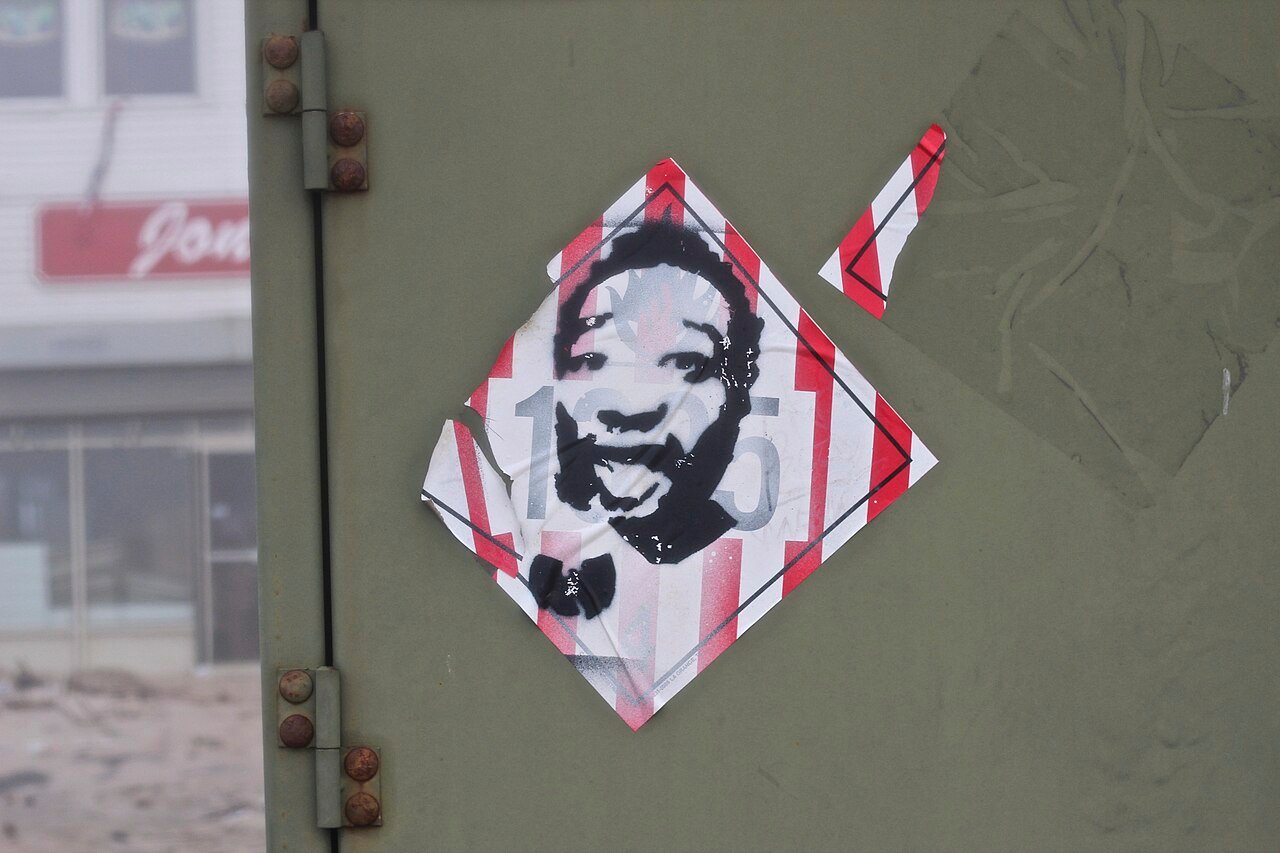
Ol’ Dirty Bastard Goes to Elektra
Ol’ Dirty Bastard landed at Elektra for Return to the 36 Chambers: The Dirty Version in 1995, an album as chaotic and unpredictable as its creator, and it went gold within months.

Raekwon, GZA, and Ghostface Stay Close to Home
Not every member left the nest. Raekwon’s Only Built 4 Cuban Linx… arrived on Loud in 1995 with Ghostface Killah as a near co-star, building a mafioso rap aesthetic that influenced a decade of East Coast records that followed. GZA went to Geffen for Liquid Swords the same year, delivering some of the most quietly devastating lyricism of the entire Golden Age. Ghostface got his own showcase a year later with Ironman. RZA produced or co-produced almost all of it, which is why five albums released across five different label rosters still sound like chapters of the same book.

Wu-Tang Forever and the Peak of the Empire
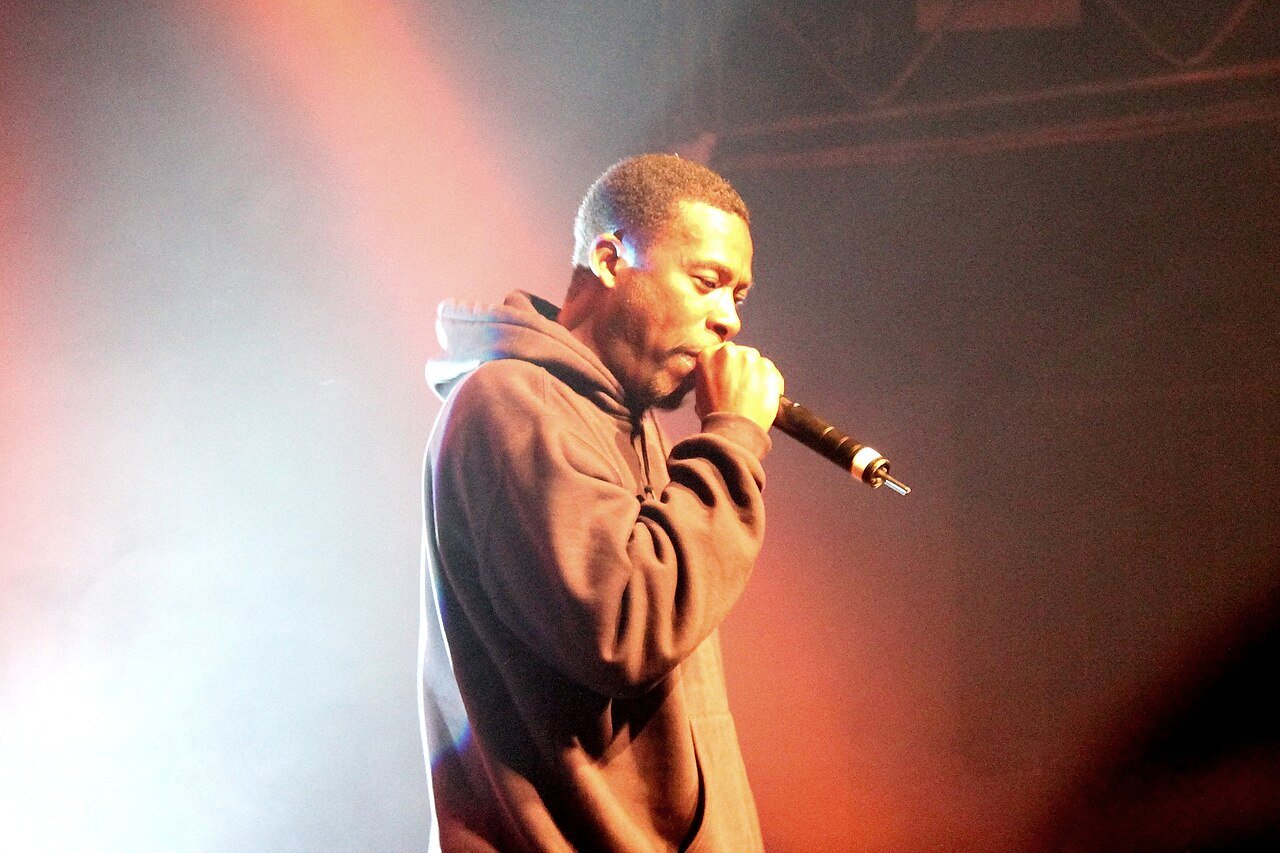
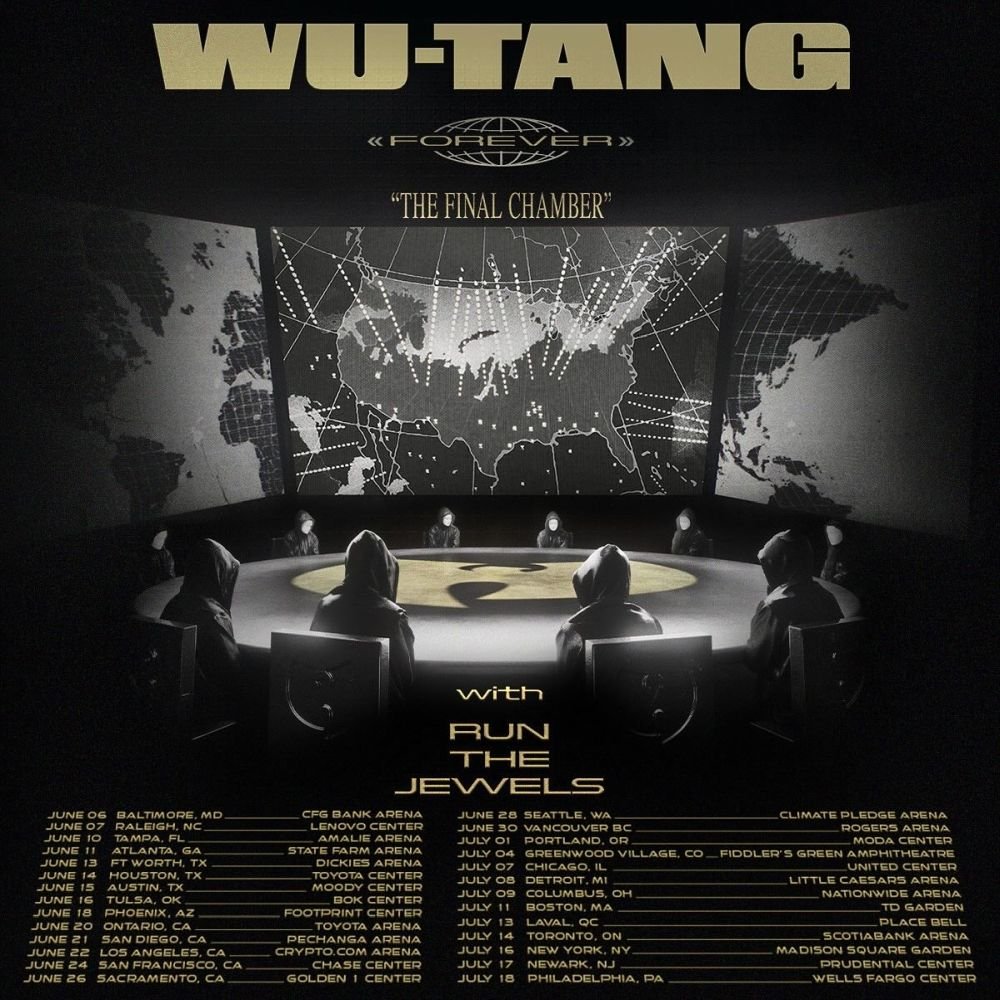
By 1997, the Clan reconvened for Wu-Tang Forever, a sprawling double album that debuted at number one on the Billboard 200 and moved several hundred thousand copies in its first week alone. It’s easy to forget now how unusual that was for a rap group, let alone one that had spent the previous three years technically signed to five different companies at once. The record’s success wasn’t a surprise to anyone who had been paying attention to the solo run — it was the payoff. Every Method Man video, every Raekwon deep cut passed around on a mixtape, every Ol’ Dirty Bastard headline had been building an audience that RZA’s original contract made possible in the first place. The group toured stadiums that year alongside Rage Against the Machine, a pairing that would have been unthinkable for a rap act just a few years earlier.
Why Nobody Successfully Copied the Model
Plenty of crews tried to replicate the Wu-Tang blueprint after seeing what it did commercially, and almost none of them managed it. The reason wasn’t the paperwork — plenty of lawyers could draft a similar clause. The reason was that it required a RZA: someone talented enough to produce nearly every solo album personally, disciplined enough to keep a consistent sonic identity across five separate corporate rosters, and trusted enough by eight other strong personalities to hold creative control over their individual careers without the arrangement collapsing into ego wars. It also required timing. By the time other groups understood what Wu-Tang had done, major labels had grown far more cautious about signing away that kind of control.
The contract RZA negotiated in a much smaller, much hungrier moment for the group turned out to be one of the quiet engineering marvels of the Golden Age. It didn’t just get one great album made. It built an entire decade’s worth of classics, spread the risk across an entire industry, and gave hip-hop one of its clearest lessons in what real leverage looks like when nobody expects you to have any.
Sources
- Wu-Tang Clan — Wikipedia
- Enter the Wu-Tang (36 Chambers) — Wikipedia
- Wu-Tang Forever — Wikipedia
- Rolling Stone
The Retro Almanac
A monthly roundup of "on this day" highlights from that month, decades back — plus first dibs on new retro merch drops. No spam, just the good stuff.