How Did Bob Marley Die? His Final Days, Funeral, and Burial at Nine Mile
How did Bob Marley die? Bob Marley died on May 11, 1981, of cancer. He was 36 years old.
The cause was acral lentiginous melanoma — a rare form of skin cancer that started under his toenail in 1977 and, over four years, spread to his brain, lungs, and liver. He refused the one treatment that might have saved his life. The cancer eventually took everything.
This is the full story — the injury, the diagnosis, the decision not to amputate, the months in a Bavarian clinic, and the state funeral that brought 100,000 Jamaicans into the streets.
The Retro Almanac
A monthly roundup of "on this day" highlights from that month, decades back — plus first dibs on new retro merch drops. No spam, just the good stuff.

It Started With a Soccer Injury (1977)
In 1977, Marley was playing soccer when he injured his right big toe. The nail was damaged. He noticed a dark spot forming underneath it.
His first doctor thought it was a sports injury. The second biopsied it.
The result: acral lentiginous melanoma — an aggressive form of skin cancer that develops on the palms, soles of the feet, or beneath fingernails and toenails. It accounts for less than 5% of all melanoma cases in white populations — but it is the most common type in people with darker skin, making it disproportionately dangerous when undetected.
It had nothing to do with sun exposure. It wasn’t lifestyle-related. It was, in many ways, a cancer designed to go unnoticed.
Why Bob Marley Refused Amputation
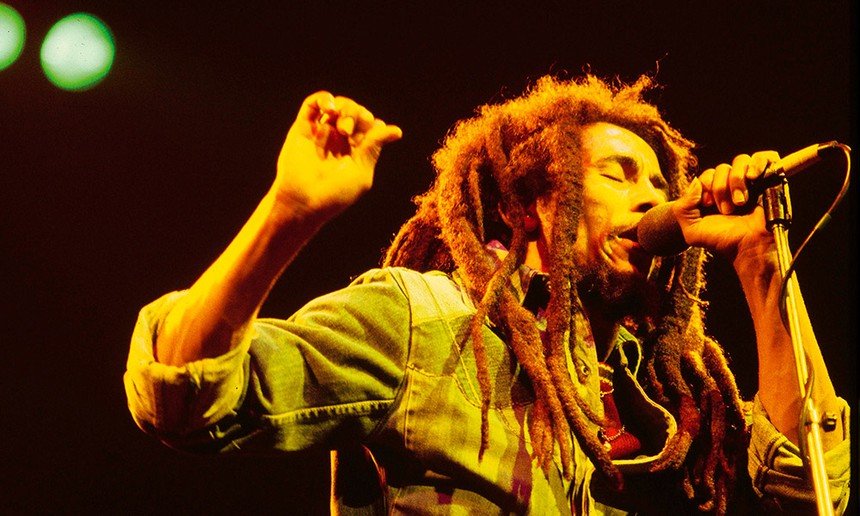
Doctors gave Marley a clear recommendation: amputate the toe. Caught at this stage, the cancer might have been stopped.
Marley refused.
His Rastafarian beliefs hold that the body is a temple — a sacred whole that must not be surgically altered. Amputation was not something his faith could accommodate.
Instead, he had the nail and the surrounding tissue removed and replaced with a skin graft. It was a compromise — but not enough. The melanoma had already begun its march.
The Skin Cancer Foundation would later call his case a textbook example of why early detection matters. The toe amputation may well have been curative. The graft was not.
The Madison Square Garden Shows and the Collapse (1980)
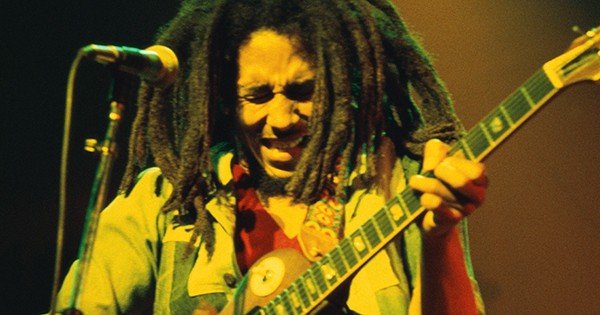
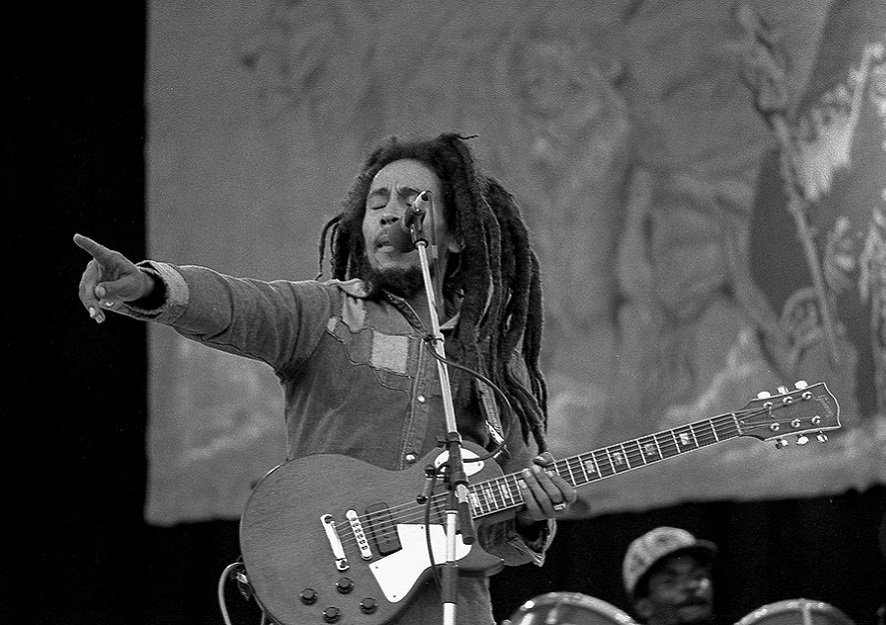
Marley kept touring. His last studio album, Uprising, came out in June 1980. That fall, he launched a major North American tour.
In September 1980, he collapsed while jogging in Central Park. His right side went numb. The melanoma had metastasized to his brain.
He played two final shows at Madison Square Garden on September 19-20, 1980. They were sold out. His last ever performance was in Pittsburgh on September 23, 1980.
Sloan-Kettering Cancer Center confirmed: the cancer had spread to the brain, lungs, and liver.
In November 1980, he was baptized into the Ethiopian Orthodox Church. He was given the name Berhane Selassie — “Light of the Trinity.”
Five Months in Bavaria: The Issels Clinic
Marley traveled to Bavaria to seek treatment under Dr. Josef Issels at the Ringberg Clinic — known for holistic cancer therapies. He stayed for five months.
On February 6, 1981, Marley turned 36 inside the clinic. His mother Cedella Booker was with him. The treatment did not slow the cancer.
By early May 1981, it was clear he would not survive. Those around him decided he should try to return to Jamaica to die at home.
The Final Flight: Miami, May 11, 1981
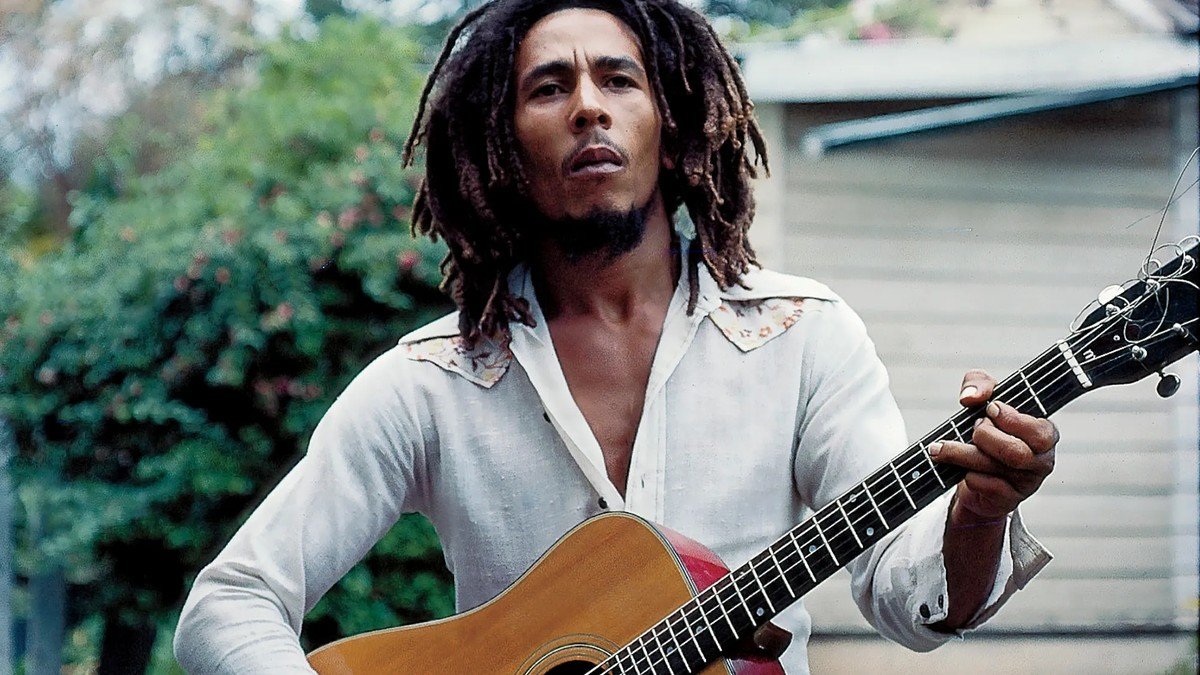
He didn’t make it home.
En route from Germany, Marley’s condition deteriorated mid-flight. The plane was diverted to Miami. He was admitted to Cedars of Lebanon Hospital — now the University of Miami Hospital.
On May 11, 1981, Bob Marley died. He was 36 years old.
His last reported words to his son Ziggy: “Money can’t buy life.”
The Viewing: 100,000 File Past the Coffin
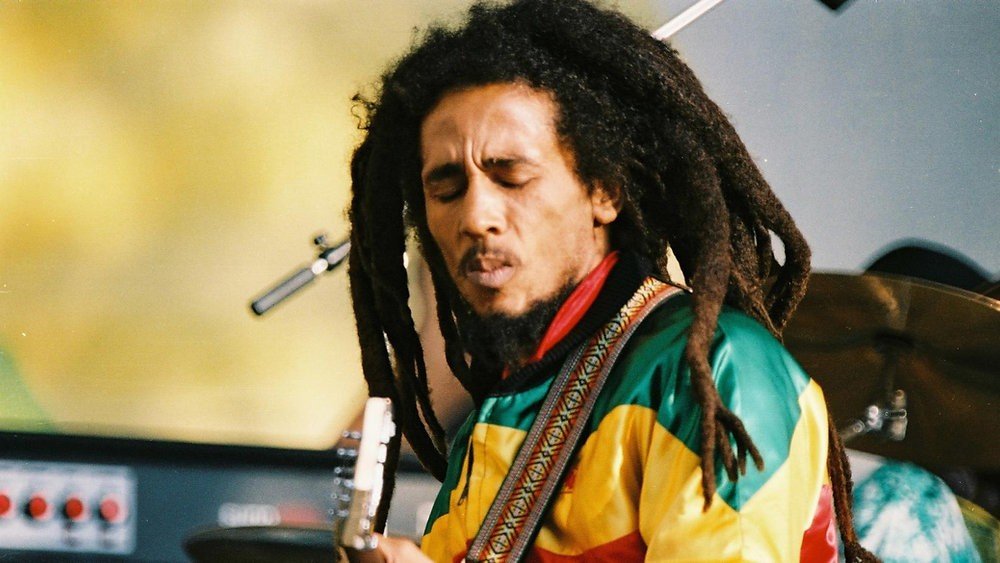
The state funeral was set for May 21, 1981 — ten days after his death.
Marley’s coffin was placed on public view at the National Arena in Kingston. An estimated 100,000 people filed past over the viewing period.
During his months at the Ringberg Clinic, cancer treatment had caused his dreadlocks to fall out. For the viewing, a wig was placed over his bald head.
Jamaica’s government postponed the national budget announcement. Nothing was more important that week.
The State Funeral: May 21, 1981
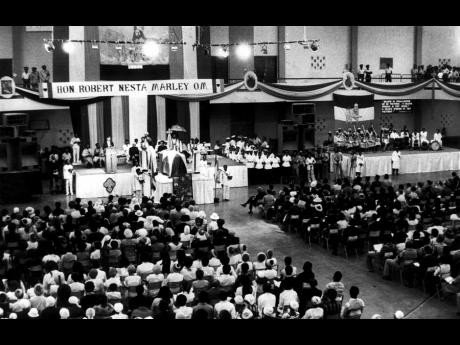
The ceremony began at the Ethiopian Orthodox Church of the Holy Trinity in Kingston, then moved to the National Arena — 6,000 inside, thousands more outside.
- Prime Minister Edward Seaga delivered the eulogy, closing: “May his soul rest in the arms of Jah Rastafari.”
- Opposition Leader Michael Manley read the second lesson.
- Governor-General Sir Florizel Glasspole represented the Crown.
- Rita Marley and their children attended. Marley’s mother Cedella Booker was present.
- The I-Threes performed. The Wailers performed.
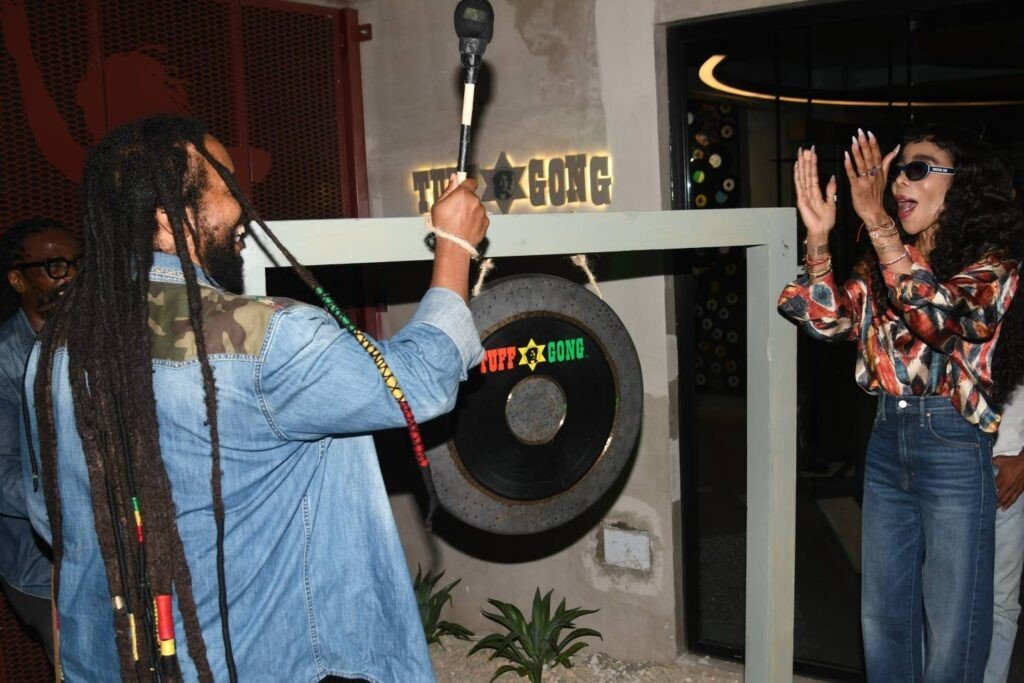
During ‘Natural Mystic,’ a recording of Marley’s voice was superimposed over the live band. His sons Ziggy and Stevie came onstage in matching maroon suits and danced to their father’s voice.
As the procession left Kingston, students from the Alpha Boys School lined the route and sang “No Woman, No Cry.”
The 50-Mile Procession to Nine Mile
After the ceremony, the cortege began a 50-mile journey to Nine Mile — the village in St. Ann Parish where Bob Marley was born on February 6, 1945.
The route passed Kingston, along Marcus Garvey Drive, past 56 Hope Road — Marley’s home and the site of the 1976 assassination attempt — through Spanish Town, St. Catherine, Bog Walk, and Brown’s Town.
People lined the road at every point.
What Was Buried With Him
The coffin was heavy bronze, painted in red, green, and gold — the colors of Rastafari and Ethiopia. Inside:
- His red Gibson Les Paul guitar
- A Bible, opened to Psalm 23: “The Lord is my shepherd; I shall not want.”
- A stalk of ganja, placed inside by Rita Marley
Burial at Nine Mile
The coffin was carried to the highest hill in Nine Mile — where Marley spent his childhood, where the rock he slept on as a boy remains as a site of pilgrimage.
Nine Mile is now one of Jamaica’s most visited sites. The mausoleum stands on the hilltop. Visitors come from around the world to stand at the site and pay their respects.
What the Doctors Said Afterward
The Skin Cancer Foundation has stated directly: Marley “should not have died from melanoma.” Acral lentiginous melanoma caught early and treated aggressively — including amputation — has a survivable prognosis above 80% at five years.
He died not because the cancer was unbeatable. He died because the treatment he was willing to accept was not enough to stop it.
Legacy
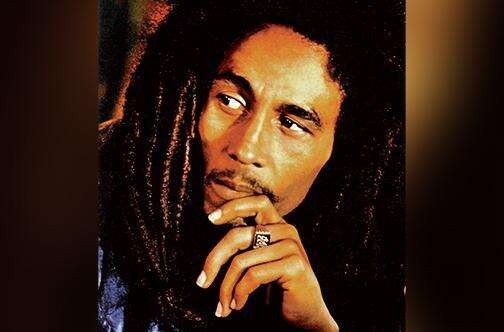
Bob Marley was 36 years old when he died. Eleven studio albums. Four continents. The Peace Concert. The Order of Merit — awarded just weeks before his death.
The album Legend — released three years later — became the best-selling reggae record of all time.
The cancer took him young. The music hasn’t aged.
FAQ
How did Bob Marley die?
Bob Marley died from acral lentiginous melanoma — skin cancer that began under the nail of his right big toe in 1977 and spread to his brain, lungs, and liver. He passed away on May 11, 1981, in Miami. He was 36.
Why didn’t Bob Marley amputate his toe?
Doctors recommended amputation in 1977. Marley refused based on Rastafarian beliefs holding the body sacred and inviolable. The skin graft he accepted instead did not stop the spread.
Where was Bob Marley buried?
Marley was buried in Nine Mile, St. Ann Parish, Jamaica — the village where he was born. He is interred in a mausoleum on the highest hill, now a major pilgrimage destination.
What was in Bob Marley’s coffin?
His red Gibson Les Paul guitar, a Bible opened to Psalm 23, and a stalk of marijuana placed by Rita Marley. He was buried in his dreadlock wig.
Who attended Bob Marley’s funeral?
Prime Minister Edward Seaga, Opposition Leader Michael Manley, Governor-General Sir Florizel Glasspole, Rita Marley, his children, his mother Cedella Booker, the I-Threes, and the Wailers. 100,000 people filed past the coffin during the viewing.
How old was Bob Marley when he died?
36 years old. He died on May 11, 1981.
The Retro Almanac
A monthly roundup of "on this day" highlights from that month, decades back — plus first dibs on new retro merch drops. No spam, just the good stuff.
