On This Day: October 18, 1989 — Atlantis Launches the Galileo Probe to Jupiter
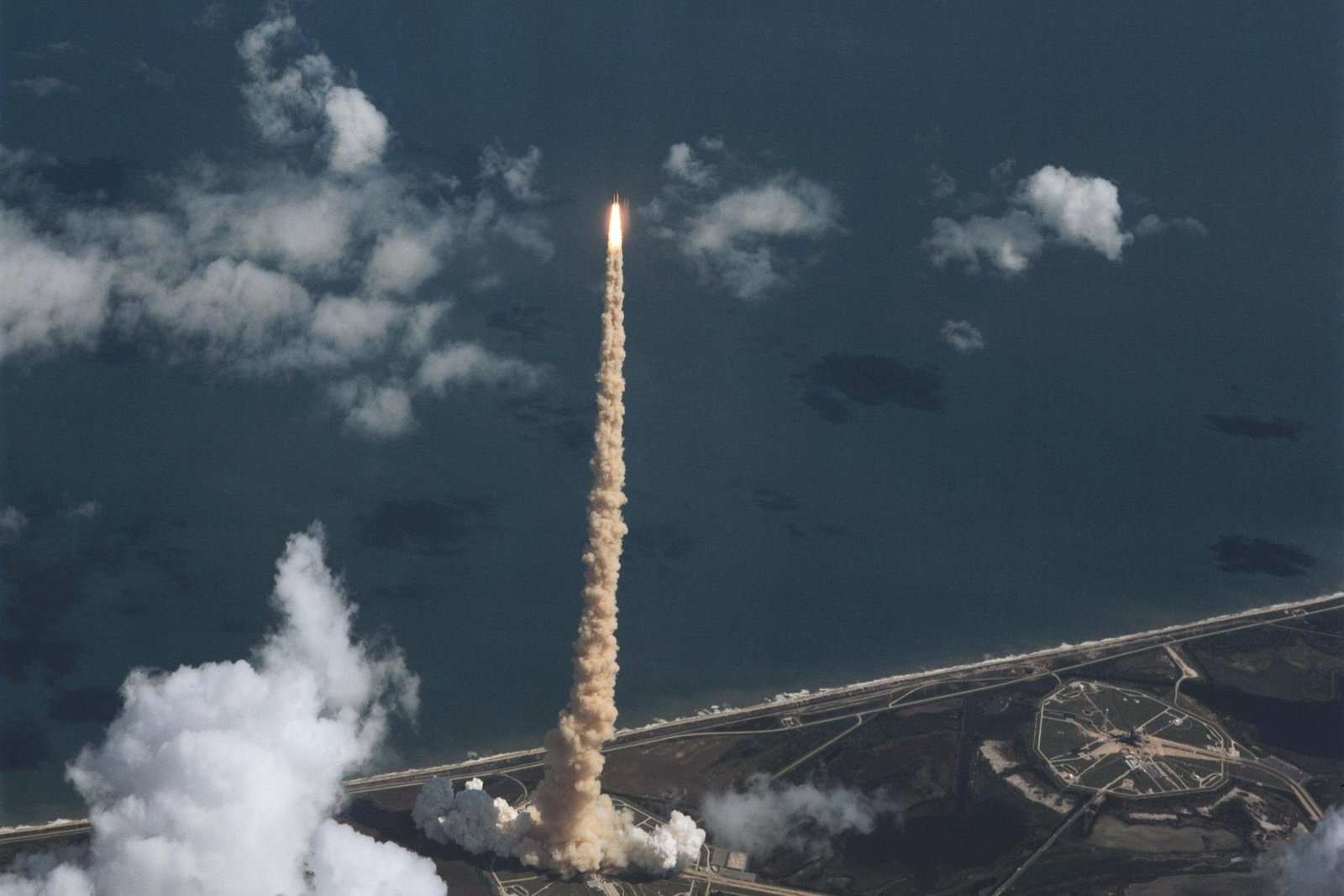
By the time Atlantis cleared the tower at 12:53 p.m. EDT, almost nobody watching thought of it as a routine launch. Protesters had gathered outside the gates for weeks. A coalition of anti-nuclear groups had gone to federal court twice trying to stop the flight, arguing that a Challenger-style explosion could scatter plutonium dioxide across Florida. NASA lost no sleep publicly over the odds — the agency put the chance of any radioactive release during a launch failure at roughly 1 in 2,500 — but the fight was real enough that a loss in court would have delayed the mission another 19 months and added $150 million to a budget that was already a billion dollars over.
A Mission That Almost Didn’t Happen
Galileo was supposed to fly years earlier. NASA originally planned to send it up on a Centaur upper stage, a more powerful booster that would have let the probe fly straight to Jupiter. After the Challenger disaster in January 1986, NASA banned Centaur stages from the shuttle’s cargo bay over fire and explosion risks, and Galileo got stuck with the far weaker solid-fuel Inertial Upper Stage (IUS) instead. The IUS couldn’t push the spacecraft on a direct path, so engineers designed something nobody had tried before: a Venus-Earth-Earth Gravity Assist, or VEEGA, trajectory. Galileo would swing past Venus once and Earth twice, stealing a little orbital momentum from each flyby, before it had enough speed to coast out to Jupiter.
The Retro Almanac
A monthly roundup of "on this day" highlights from that month, decades back — plus first dibs on new retro merch drops. No spam, just the good stuff.
The 1989 launch window itself nearly slipped away too. NASA had targeted October 12 as the first of a 41-day window dictated by planetary alignment. A faulty main engine controller pushed the date to October 17, and then rain within 20 miles of the shuttle’s runway bumped it one more day, to October 18 — leaving the crew still two days of margin before the window closed.
Five Astronauts and a Tense Six Hours
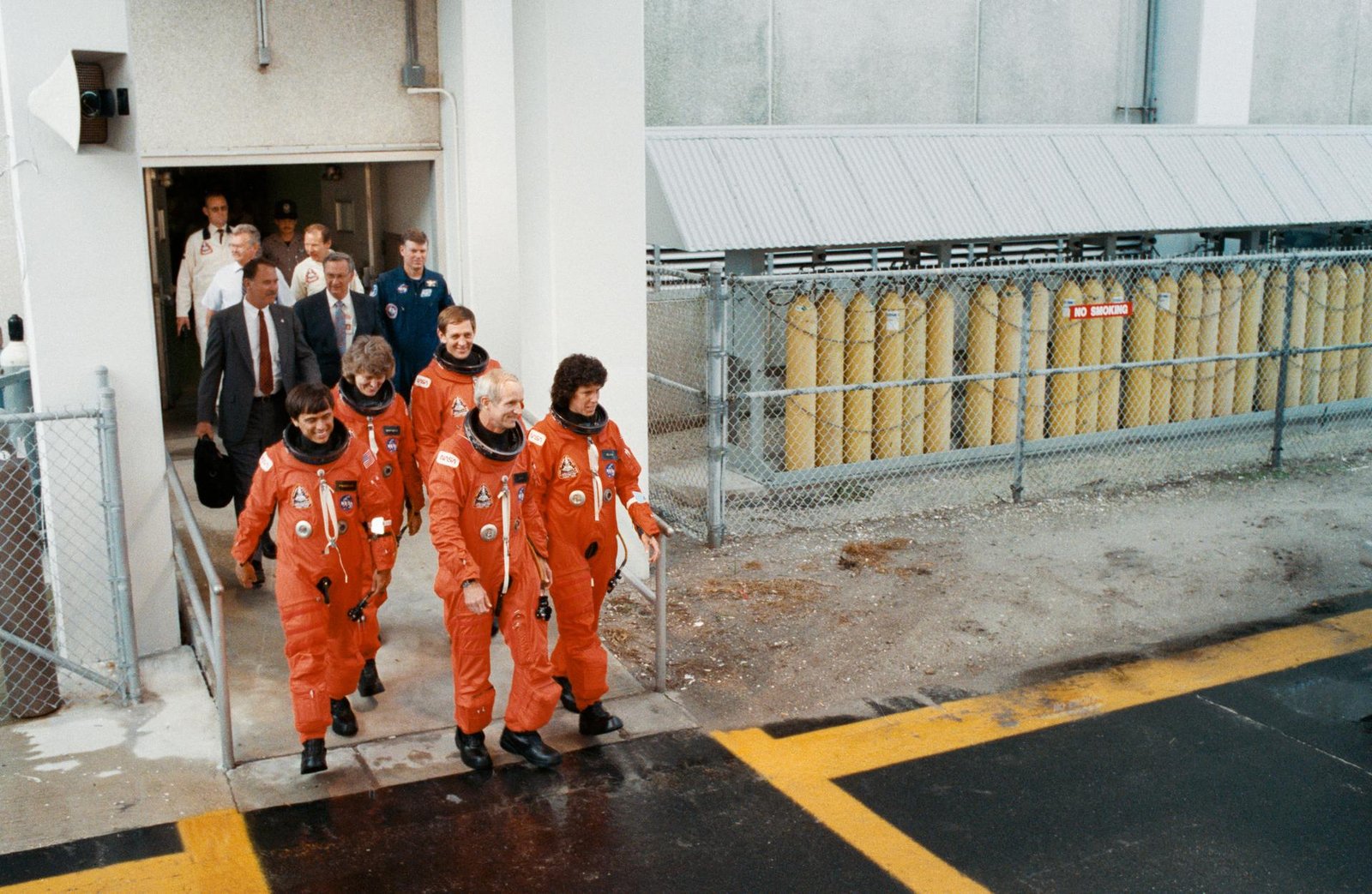
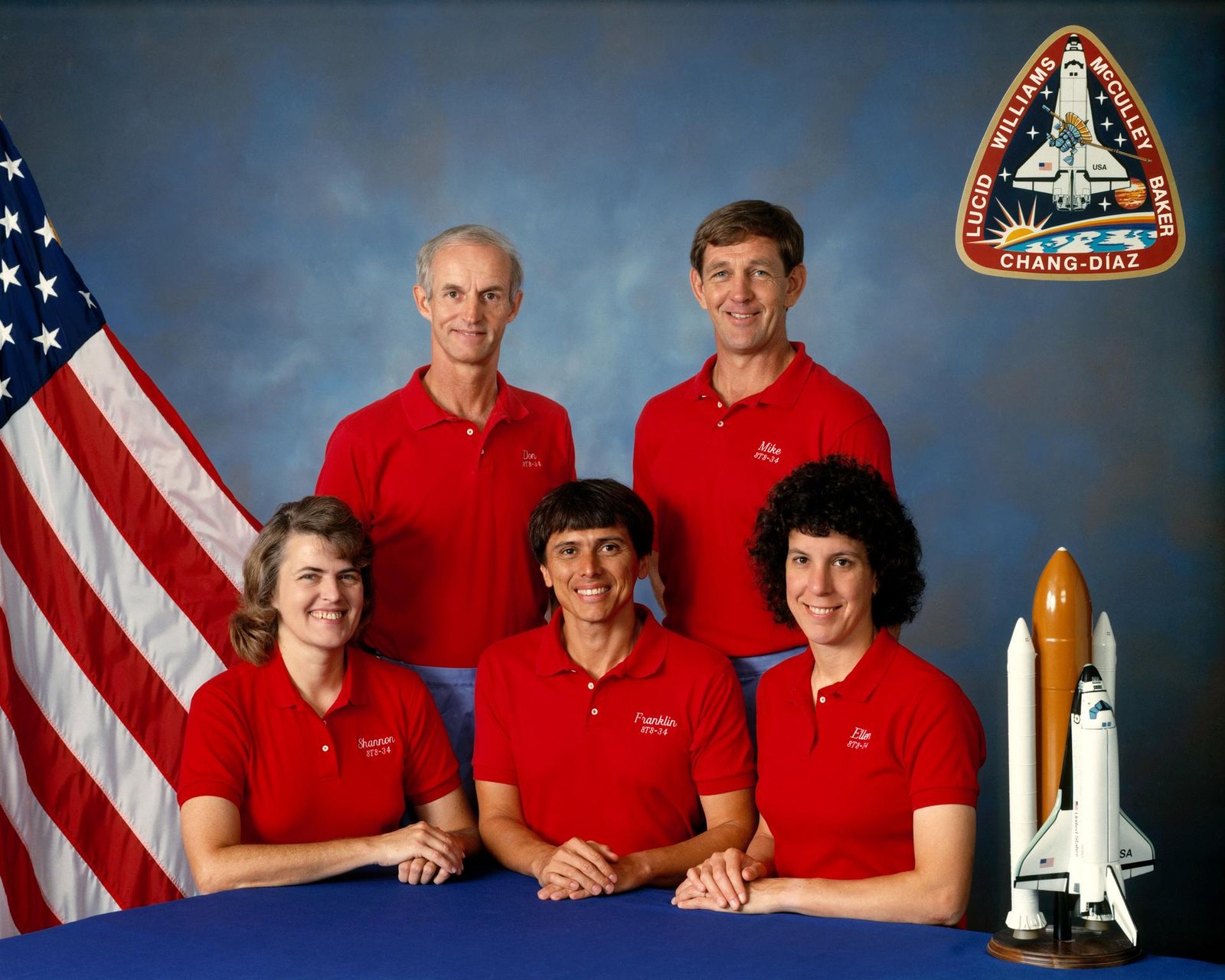
Atlantis carried a five-person crew for the STS-34 mission: Commander Donald E. Williams, Pilot Michael J. McCulley, and mission specialists Shannon Lucid, Franklin Chang-Diaz, and Ellen Baker. For McCulley, it was his only trip to space. For Chang-Diaz, a Costa Rican-American physicist who would go on to fly six shuttle missions, it was the start of one of the most decorated careers in NASA history.
Chang-Diaz later said the flight came closer to disaster than the public ever realized, describing a string of in-orbit malfunctions serious enough that the crew discussed aborting three separate times — including one scenario that would have forced an emergency landing in Senegal, a prospect NASA worried could turn into a diplomatic headache given Galileo’s nuclear payload. None of that made the news at the time. What the public saw was a clean flight: Atlantis reached orbit without incident, and the crew spent the next several hours running through deployment checklists for a payload nobody wanted to get wrong.
Six Hours, Then Falling Away
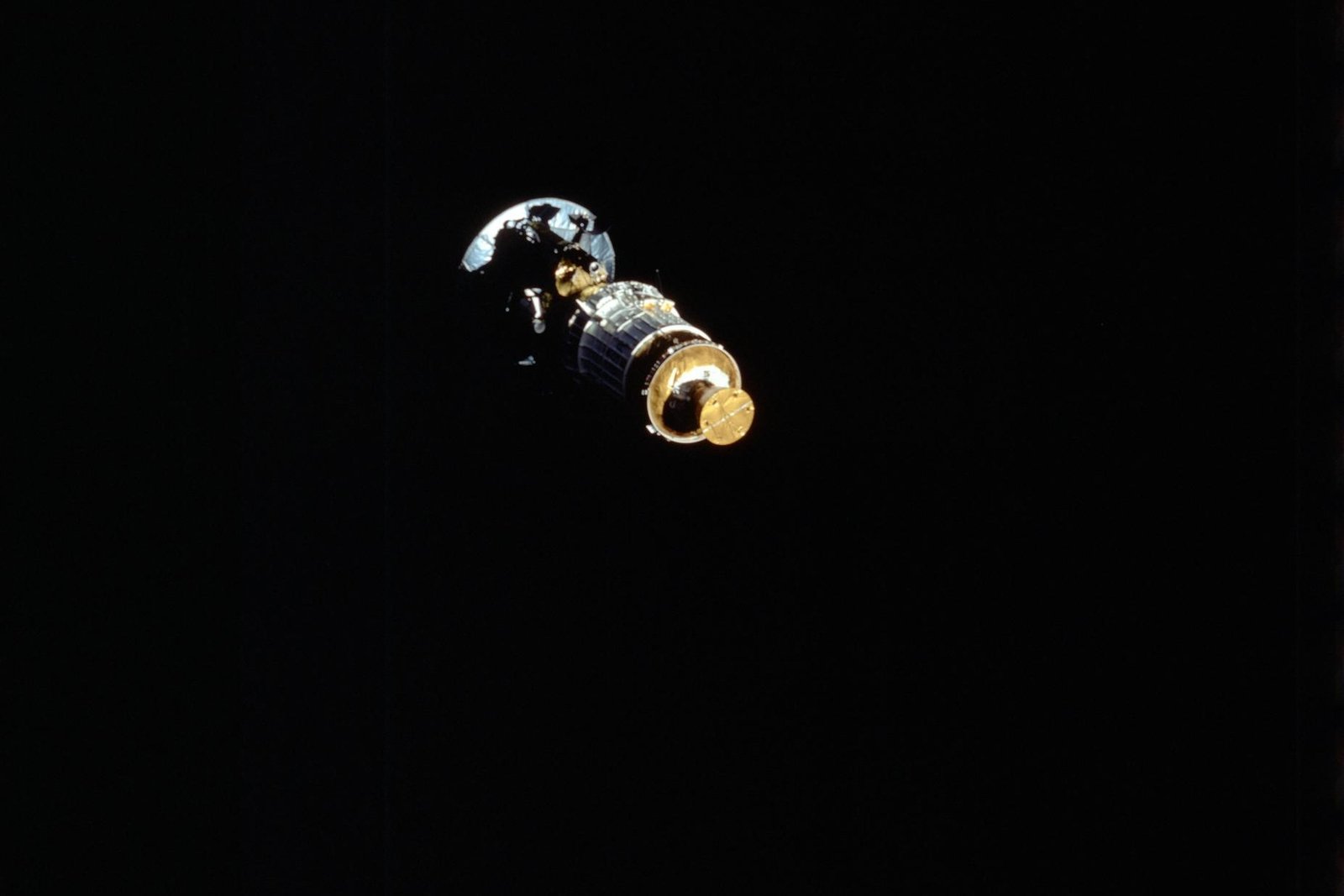
At 7:15 p.m. EDT, right on schedule, the crew released Galileo from Atlantis’s cargo bay. The spacecraft fell away still attached to its two-stage IUS booster, drifting clear of the orbiter before the solid rocket motors fired just over an hour later, at 8:20 p.m. EDT, kicking Galileo out of Earth orbit and onto a transfer path toward Venus. Forty-seven minutes after that, pyrotechnic bolts fired and Galileo separated from the spent booster stage for good, now flying free on its own for the first time since it had been bolted into Atlantis’s payload bay months earlier.
Atlantis and its crew still had five more days of work ahead of them — observing Earth’s atmosphere, testing a polymer film experiment, and running a student-designed investigation into ice crystal growth in microgravity — before landing at Edwards Air Force Base on October 23. But for Galileo, the real mission was just beginning, and it would take a very long time to pay off.
The Six-Year Detour That Made the Mission
Galileo’s roundabout VEEGA route turned out to be a scientific gift in disguise. On its way to Jupiter, the spacecraft flew close enough to the asteroids 951 Gaspra and 243 Ida to photograph them up close — the first spacecraft ever to visit an asteroid — and in the process discovered Ida’s tiny moon Dactyl, the first confirmed asteroid moon ever found. Galileo also got an early, accidental scoop: in 1994, while still en route, it was the only spacecraft with a direct line of sight to watch fragments of Comet Shoemaker-Levy 9 slam into Jupiter’s far side, events invisible from Earth.
Galileo finally reached Jupiter and entered orbit on December 7, 1995, more than six years after that October afternoon over the Florida coast. It spent the next eight years studying the planet and its moons, confirming strong evidence of a saline ocean beneath the icy crust of Europa — one of the most tantalizing single findings in the history of planetary science, and the reason Europa remains near the top of NASA’s list of places to search for life. When the mission finally ran low on fuel in 2003, NASA deliberately steered Galileo into Jupiter’s atmosphere to burn up, a precaution to keep a dead, uncontrolled spacecraft from ever accidentally crashing into — and contaminating — Europa.
Love the retro era? Browse our shop for vintage finds, retro clothing, and 80s/90s nostalgia gear.
The Retro Almanac
A monthly roundup of "on this day" highlights from that month, decades back — plus first dibs on new retro merch drops. No spam, just the good stuff.