Trivial Pursuit: The 1981 Board Game That Sold 20 Million Copies
There was a stretch of 1984 when you couldn’t walk into a house party without someone cracking open a dark blue box, dumping out six little plastic wedges, and demanding to know what country invented the yo-yo. That box was Trivial Pursuit, and for a few wild years it wasn’t just a board game — it was the entire social life of the trivial pursuit 80s era, outselling everything else on the shelf and turning living rooms into interrogation chambers full of grown adults screaming about Columbo’s middle name.
Here’s how two broke Canadian newspapermen built a $750 million phenomenon out of a missing Scrabble piece — and nearly lost it all to a guy who planted a fake fact as a trap.
The Night Two Reporters Ran Out of Scrabble Pieces
The Retro Almanac
A monthly roundup of "on this day" highlights from that month, decades back — plus first dibs on new retro merch drops. No spam, just the good stuff.
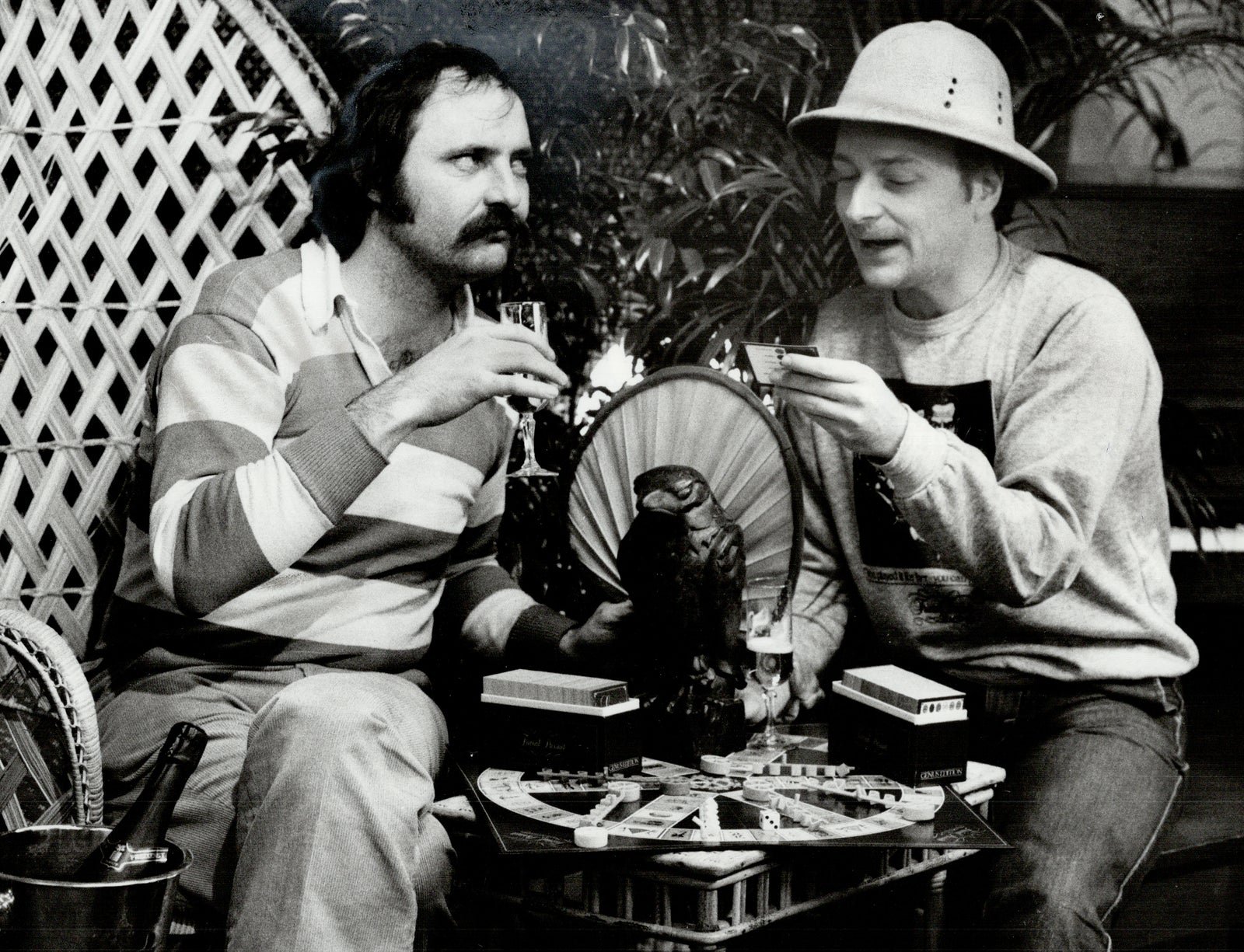
On December 15, 1979, in Montreal, two journalists sat down to play Scrabble and discovered half the tiles were missing. Chris Haney, a photo editor at the Montreal Gazette, and Scott Abbott, a sports editor at the Canadian Press, decided that instead of hunting for lost letters, they’d just invent their own game. By the end of that one afternoon they’d sketched out the entire concept for a trivia board game on a napkin-level budget of ambition and zero dollars.
They brought in two more partners — lawyer Ed Werner and Chris’s brother John Haney — and formed a company called Horn Abbot Ltd. To actually fund production, they sold shares for as little as $1,000 apiece to 32 different investors, scraping together roughly $40,000. The game was trademarked in November 1981, and that Christmas, 1,100 copies of Trivial Pursuit rolled off the line in Canada. It cost about $75 to make each one. They sold it for $15. They were losing money on every single box.
From a $75 Flop to the Biggest Thing in American Living Rooms
The Canadian launch was a near-disaster financially, but word of mouth did what the balance sheet couldn’t. In 1983, American game company Selchow & Righter — the people behind Scrabble — picked up the US distribution rights. That first year, Trivial Pursuit sold 1.3 million copies in the States. That was just the warm-up.
In 1984, Trivial Pursuit exploded. More than 20 million copies sold that year alone, and trivia-game sales as a category blew past $660 million, more than double what the entire board game industry had done the previous year. Between 1983 and 1988, total gross sales on the game topped $750 million. For a stretch there, Hasbro-era estimates had it that people were buying roughly ten copies of Trivial Pursuit for every one unit of any other adult board game sold in America. It wasn’t competing with Monopoly and Clue. It basically replaced them for an entire holiday season.
Why the Trivial Pursuit 80s Craze Took Over Every Living Room
Part of the genius was psychological. The original Genus Edition skewed its questions hard toward 1950s-70s pop culture — music, movies, sports, history that Baby Boomers had actually lived through. Answering correctly didn’t just feel like winning a game, it felt like being handed proof that your own life had been historic. That’s a much more addictive hook than “buy a hotel on Park Place.”
It also landed at the exact right cultural moment. The early 80s already had a trivia craze building — bar trivia nights, trivia books, trivia radio call-in segments. Trivial Pursuit didn’t invent the appetite for pointless facts, it just gave it a box, a timer-free pace perfect for a few drinks, and a reason for six people to sit around a table together on a Friday night instead of watching TV.
How You Actually Played It
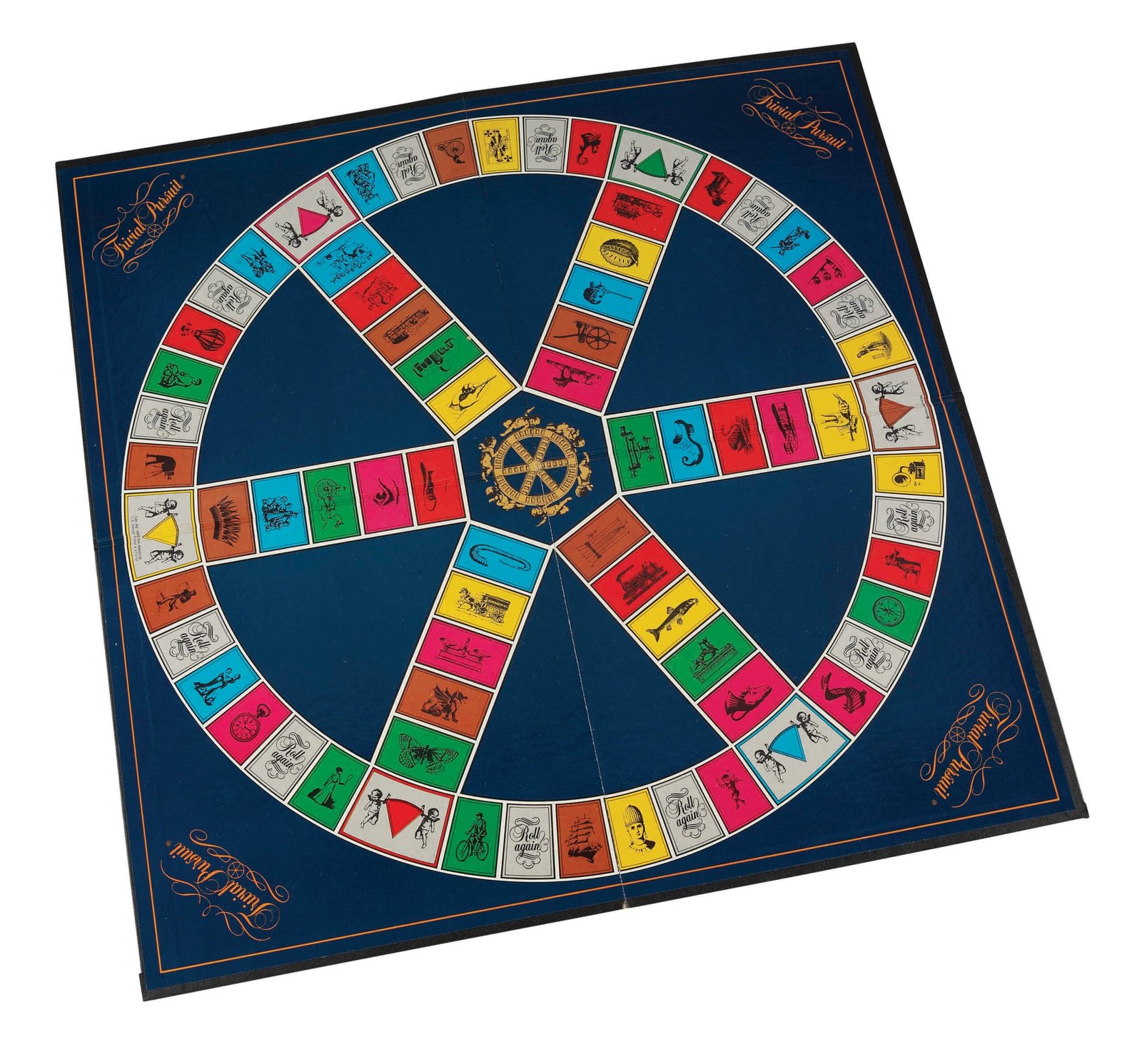
If you’ve only ever heard the name, the rules were simple enough to explain between rounds of a drinking game, which was exactly the point. The board was a wheel with six colored spokes radiating from a central hub, each color tied to a category: Geography, Entertainment, History, Arts & Literature, Science & Nature, and Sports & Leisure. Players rolled a die, moved their little plastic wedge-holder around the track, and answered a card question matching whatever colored space they landed on.
Answer correctly on one of the six “headquarters” squares and you earned a wedge, called a “piece of pie,” in that category’s color. Collect all six wedges, fight your way back to the center hub, and answer one final question correctly to win. It sounds dry on paper. In practice it turned into hours of accusations that somebody was cheating on the Entertainment wedge, because nobody in the room could ever actually finish a game of Trivial Pursuit in under two hours.
Questions That Stumped an Entire Decade
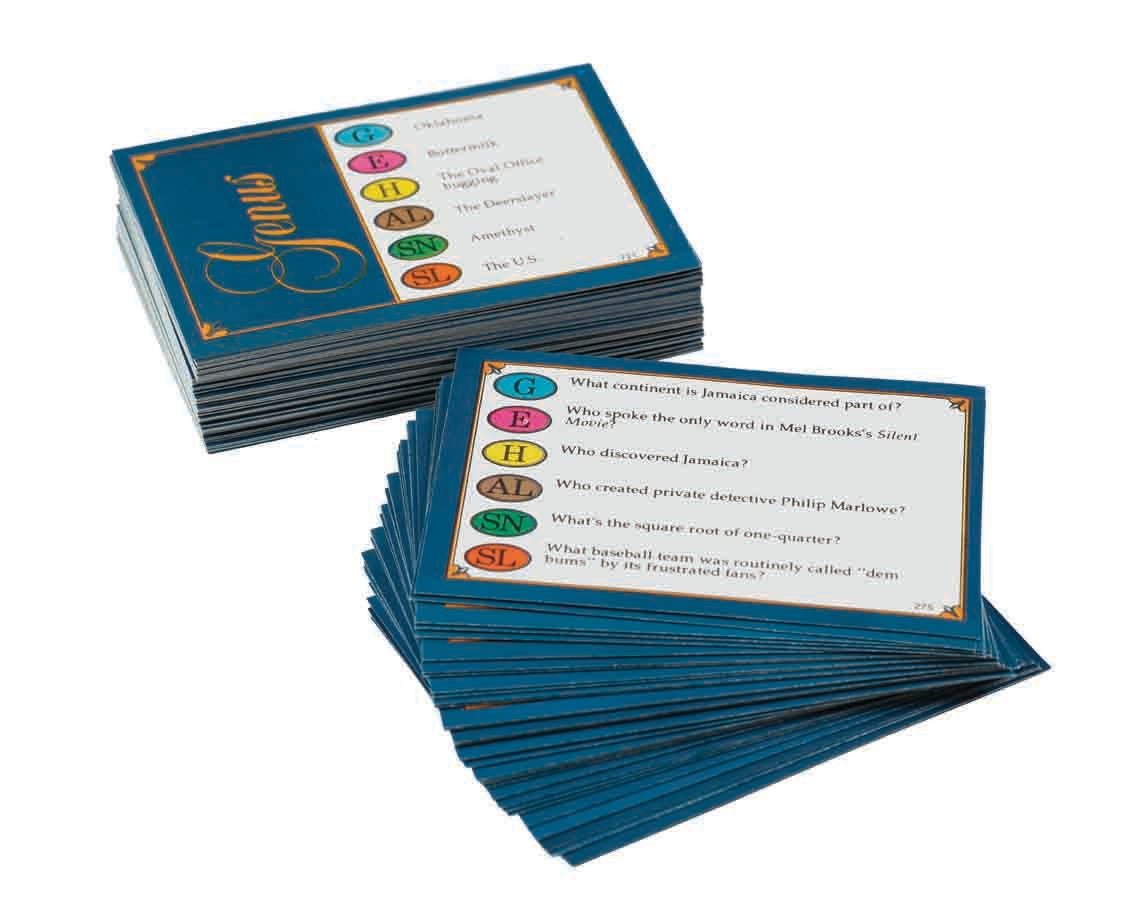
Part of what made the original Genus Edition cards so memorable was how oddly specific the questions got. Real cards from the era asked things like “What continent is Jamaica considered part of?”, “Who discovered Jamaica?”, and “What’s the square root of one-quarter?” — deceptively simple-sounding questions that could wreck an entire team’s confidence two rounds before the finish line. Nothing cleared a room of smugness faster than a sports category question about a team’s nickname, or an Arts & Literature card nobody at the table had the faintest idea how to answer.
Watch: The 1982 News Report That Caught the Craze Starting
This CBC news segment from 1982 is one of the few surviving pieces of footage of Chris Haney and Scott Abbott themselves, filmed right as Trivial Pursuit was starting to take off in Canada — a year before it even crossed the border into the US explosion that followed. It’s a genuinely great time capsule of what the game looked like before it became a billion-dollar phenomenon.

The $300 Million Lawsuit Over a Fake Middle Name
Success brought a legal nightmare. A trivia author named Fred L. Worth, who’d written The Trivia Encyclopedia back in 1974, sued Horn Abbot for $300 million in 1984. His claim: Trivial Pursuit had lifted roughly 30% of its questions straight out of his book.
Worth had actually built a trap into his own book years earlier — he invented a fake middle name, “Phillip,” for the TV detective Columbo, a name the real character never had, specifically so he could prove plagiarism if anyone ever copied his work without crediting him. Sure enough, “What is Columbo’s first name?” showed up in Trivial Pursuit with the planted fake answer. It should have been an open-and-shut case.
Instead, the courts handed Horn Abbot a win on a technicality that ended up reshaping how trivia and reference-book copyright works to this day: judges ruled that individual facts, even fabricated ones planted as a trap, aren’t protected by copyright. You can own the specific wording of an encyclopedia entry, the ruling essentially said, but you can’t own a fact itself once it’s out in the world — even a fake one someone invented. The case dragged on for years before the US Supreme Court declined to even hear it in 1988, and Worth never saw a dime of his $300 million claim. It remains one of the most cited copyright cases involving trivia and reference works, still taught in some intellectual property law courses today.
Every Edition Gen Xers Remember
Once Horn Abbot realized they had a license to print money, the editions never stopped coming. The original 1981 Genus Edition was followed fast by the Silver Screen Edition (1982, all movies) and the Baby Boomer Edition (1983-84, pure nostalgia bait for the generation that was already obsessed). There was a Young Players Edition for kids who couldn’t name a single Watergate figure, and internationally, licensed spinoffs like the UK Sports Edition turned up at celebrity photo-ops — even cricket stars posed with the question cards for publicity shots.
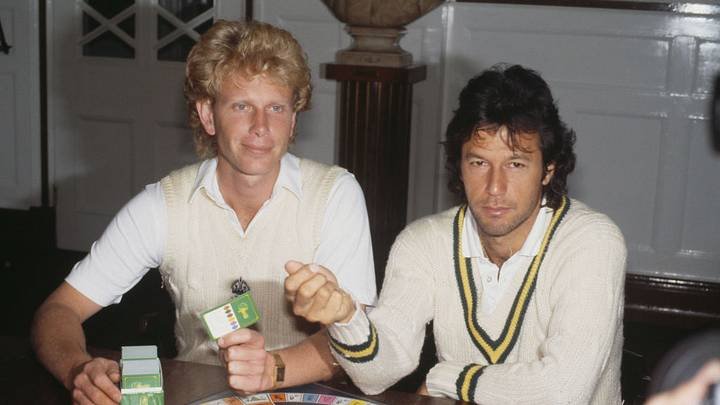
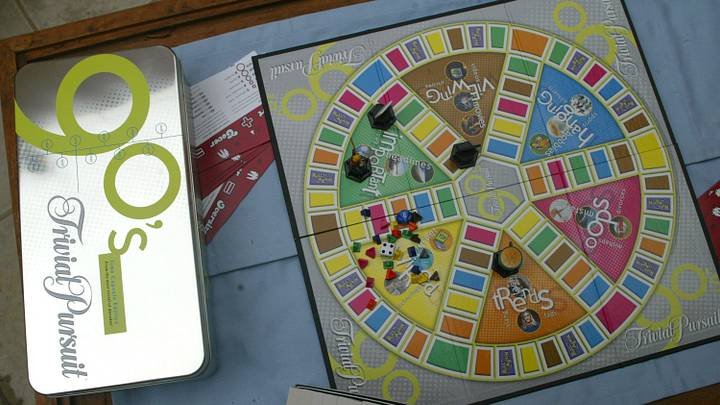
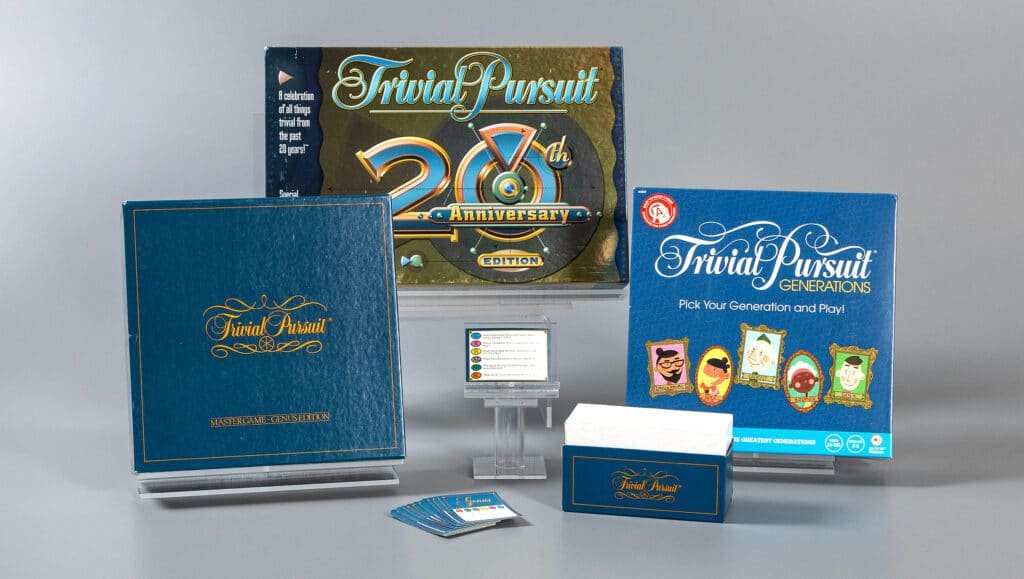
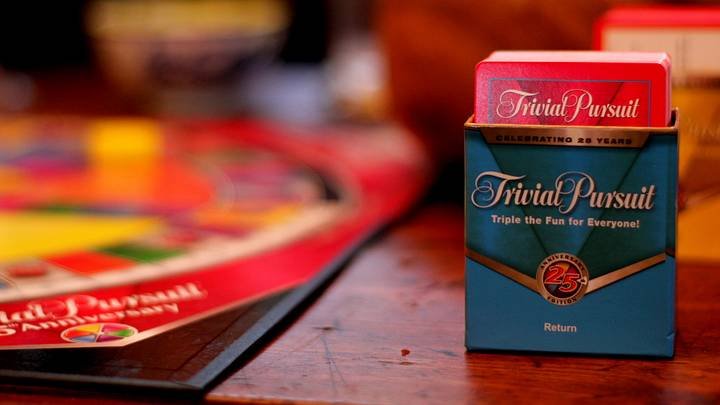
By the 90s, the tin-box commemorative sets and genre spinoffs (90s pop culture, Disney, Star Wars, you name it) kept it alive for a new generation of game nights, and the brand leaned hard into nostalgia for itself with 20th and 25th anniversary editions wrapped in gold foil packaging.
Is Trivial Pursuit Still Around?
It never actually went away. Coleco bought original US publisher Selchow & Righter in 1986, and the brand eventually landed at Hasbro, who still make and sell Trivial Pursuit today. There’s a brand-new 2026 Edition on shelves right now with 1,200 fresh questions, 200 cards, and a new co-op mode for people who’d rather team up than humiliate each other.
What’s remarkable is how little the core formula has changed. Strip away the themed spinoffs — the Disney editions, the Star Wars editions, the countless pop culture tie-ins that have come and gone — and you’re still looking at the exact same wheel, the exact same six colored wedges, and the exact same format two broke Canadian newspapermen scribbled out after a Scrabble game went sideways in 1979. Chris Haney passed away in 2010, but Horn Abbot’s original design has outlived disco, the Walkman, and about four different generations of video game consoles that were supposed to make board games obsolete.
Forty-plus years later, it’s still doing exactly what it did at that Montreal card table in 1979 — making people feel smart for about ten seconds before the next question reminds them they have no idea what year the Suez Crisis happened. If you grew up in the trivial pursuit 80s wave, dig that old blue box out of the closet. The wedges still fit the same way they always did, and somebody at the table is still going to argue about whether that answer “basically counts.”
The Retro Almanac
A monthly roundup of "on this day" highlights from that month, decades back — plus first dibs on new retro merch drops. No spam, just the good stuff.