On This Day: August 1, 1981 — MTV Launched and Changed Music Forever
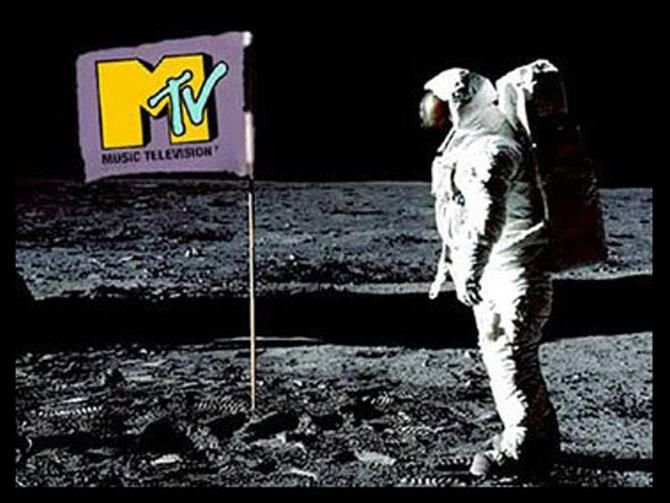
At 12:01 a.m. on August 1, 1981, two things happened simultaneously: most of America was asleep, and the music industry changed forever. The first images on the new channel showed footage from the Apollo 11 moon landing, followed by an astronaut planting a flag on the lunar surface. The flag did not carry the American stars and stripes. It bore the MTV logo.
That was the whole pitch in one image. A cable channel available to perhaps a few thousand homes in New Jersey was announcing, in the most grandiose visual language possible, that this was the beginning of something planetary in scale.
Ladies and Gentlemen, Rock and Roll
The words that officially opened Music Television were spoken by MTV co-founder John Lack: “Ladies and gentlemen, rock and roll.” Simple. Direct. No explanation of what the channel was, what it would do, or why anyone should care. Just that phrase, then the moon.
The Retro Almanac
A monthly roundup of "on this day" highlights from that month, decades back — plus first dibs on new retro merch drops. No spam, just the good stuff.
Warner-Amex Satellite Entertainment — a joint venture between Warner Communications and American Express — had spent considerable effort convincing skeptical cable operators that a 24-hour music video channel was a viable business. Most were unconvinced. The idea of musicians making elaborate visual shorts to accompany their songs had existed for years in Europe, but the American market for such a channel seemed theoretical at best.
MTV launched with roughly 240 staff members, a collection of music videos supplied free of charge by record labels (who treated them as promotional costs), and a concept that was either visionary or absurd depending on who you asked. The initial footprint was not impressive: parts of New Jersey and nothing else. No nationwide rollout, no major advertising campaign, no guarantee the experiment would survive its first year. Bob Pittman, the former radio programmer who became MTV’s chief architect, described it plainly as “a sea-change kind of channel” — which was either confidence or denial, depending on how the next decade went.
The Song Nobody Wanted to Launch With
The single most revealing detail about MTV’s launch is the story of its first music video. Steve Casey, the channel’s program director, chose “Video Killed the Radio Star” by The Buggles — a British new wave duo consisting of Trevor Horn and Geoff Downes — as the channel’s opening statement. Nobody else at Warner-Amex wanted this choice.
Casey later admitted the pushback was significant: “Nobody wanted to launch with ‘Video Killed the Radio Star.’ They thought we had to play a hit.” The song had peaked at number 40 in the United States. It was not a commercial juggernaut. It was a moderately successful new wave single from 1979. The executives pushing for a proven crowd-pleaser had a defensible point: you launch something new with something familiar.
Casey’s counterargument was both simple and correct: “Nobody’s going to be watching. It’s symbolic.” And the symbolism ran deep. The song mourned the death of radio — of a medium where music lived purely in sound, in the ear, in the imagination — at the hands of television. Here was this new channel, MTV, playing a song that grieved for the cultural tradition MTV was explicitly designed to replace. The lament and the launch were the same moment.
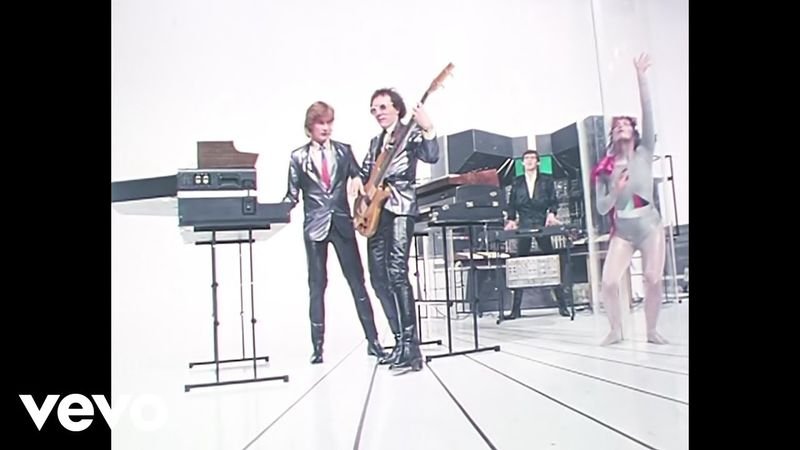
The video had been produced two years earlier on a $50,000 budget and shot in a single day in South London. Its retro-futurist aesthetic — blinking machines, lab-coated characters, costumed dancers, and washed-out video effects — was precisely the visual language that MTV would make into a house style. And buried in the background, playing keyboards in a white lab coat, was a twenty-three-year-old musician named Hans Zimmer, about twelve years before he would score The Lion King.
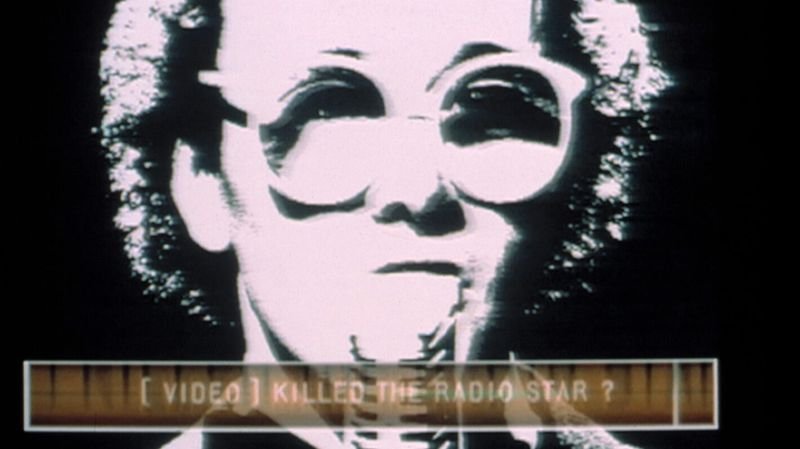
Watch the original video below — still the opening note of an era that remade everything:
Five Faces for a Channel That Had Never Had One
A twenty-four-hour music video channel needed more than videos. It needed guides — people to stand between the content and the audience, provide context, supply personality, and make the viewer feel like they were watching music with a friend rather than staring at a commercial. MTV called them VJs, the video jockeys, a concept borrowed from radio’s DJ tradition and retrofitted for television.
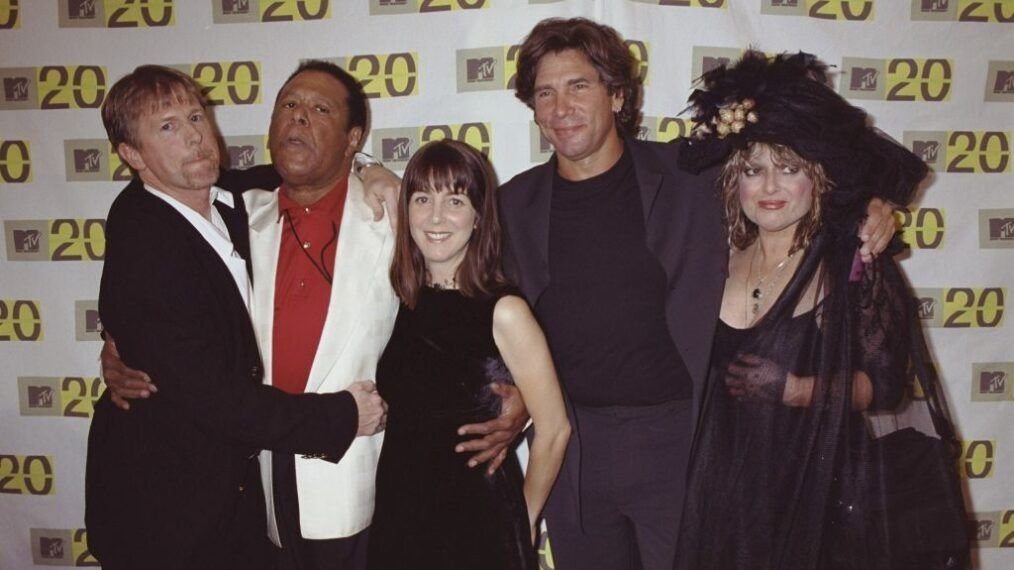
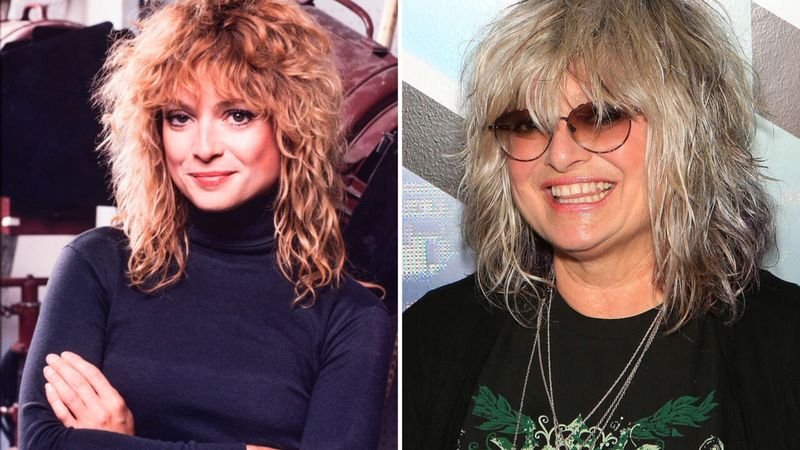
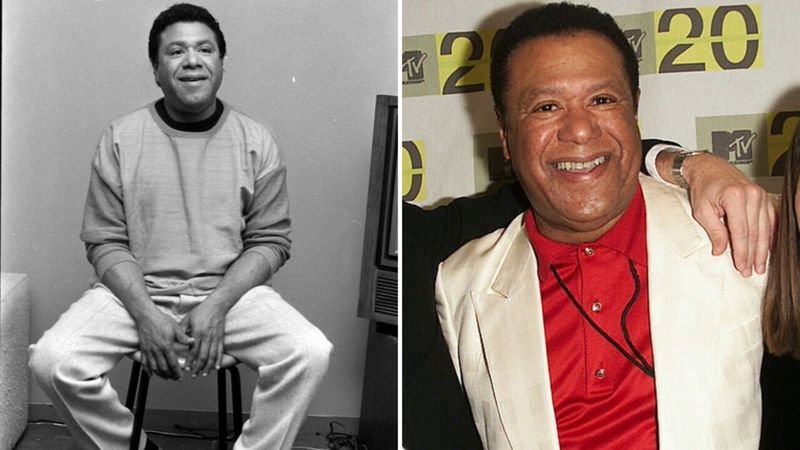
Five of them launched the channel on August 1, 1981. Mark Goodman came from radio and brought a broadcaster’s natural ease on camera. Nina Blackwood had acting and modeling credits and an energy that made it feel like she’d been in on a secret the rest of the world was only now learning. Alan Hunter was an Alabama-born actor who balanced charm with an approachability that suited the channel’s slightly chaotic early days. J.J. Jackson was a DJ and music producer who had worked extensively in London and brought genuine industry knowledge to a channel that was, in many ways, making itself up in real time. Martha Quinn, the youngest of the five — fresh out of NYU’s Tisch School of the Arts — became, for many viewers, the most recognizable face of early MTV, the one who felt most like a peer.
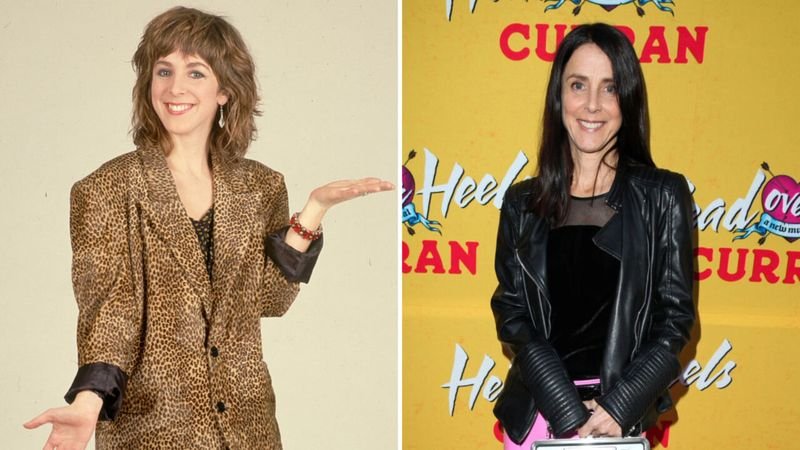
Quinn described the first twenty-four hours as “held together by duct tape.” The technical infrastructure was barely functional. The broadcast signal reached a handful of homes in New Jersey and not much else. But what the five VJs were doing — making music visual and personal at the same time — was genuinely new. The format worked precisely because it felt unpolished. MTV in August 1981 didn’t look like a network. It looked like five people in a studio who loved music and wanted everyone to hear it.
What MTV Changed — and What It Initially Got Wrong
The channel’s effect on the music industry was rapid and measurable in ways even its founders hadn’t anticipated. Record labels that had been supplying videos for free began investing serious money in production quality once they understood what MTV rotation actually meant. By 1983, a well-made music video could launch an artist’s entire American career from a standing start, bypassing radio entirely.
Duran Duran built their American fanbase almost entirely through MTV. Their videos — shot in Sri Lanka, Antigua, the French Riviera — were mini-films with genuine production budgets, and viewers watched them as events. The same was true of A-ha, of Eurythmics, of an entire British new wave invasion that MTV delivered to American living rooms through cable rather than through the traditional radio gatekeepers. A sound that had been largely invisible to American audiences suddenly had a delivery mechanism that worked around every existing structure.
But MTV’s early programming carried a structural flaw that its executives were slow to acknowledge and even slower to address. The rotation was dominated by rock and new wave artists, which in practice meant the on-screen representation of musicians was almost entirely white. R&B and soul artists, regardless of their chart success, were largely absent. Rick James said it plainly in interviews: Black artists were being locked out. David Bowie pressed an MTV executive on this in a 1983 on-air interview and refused to accept a vague answer.
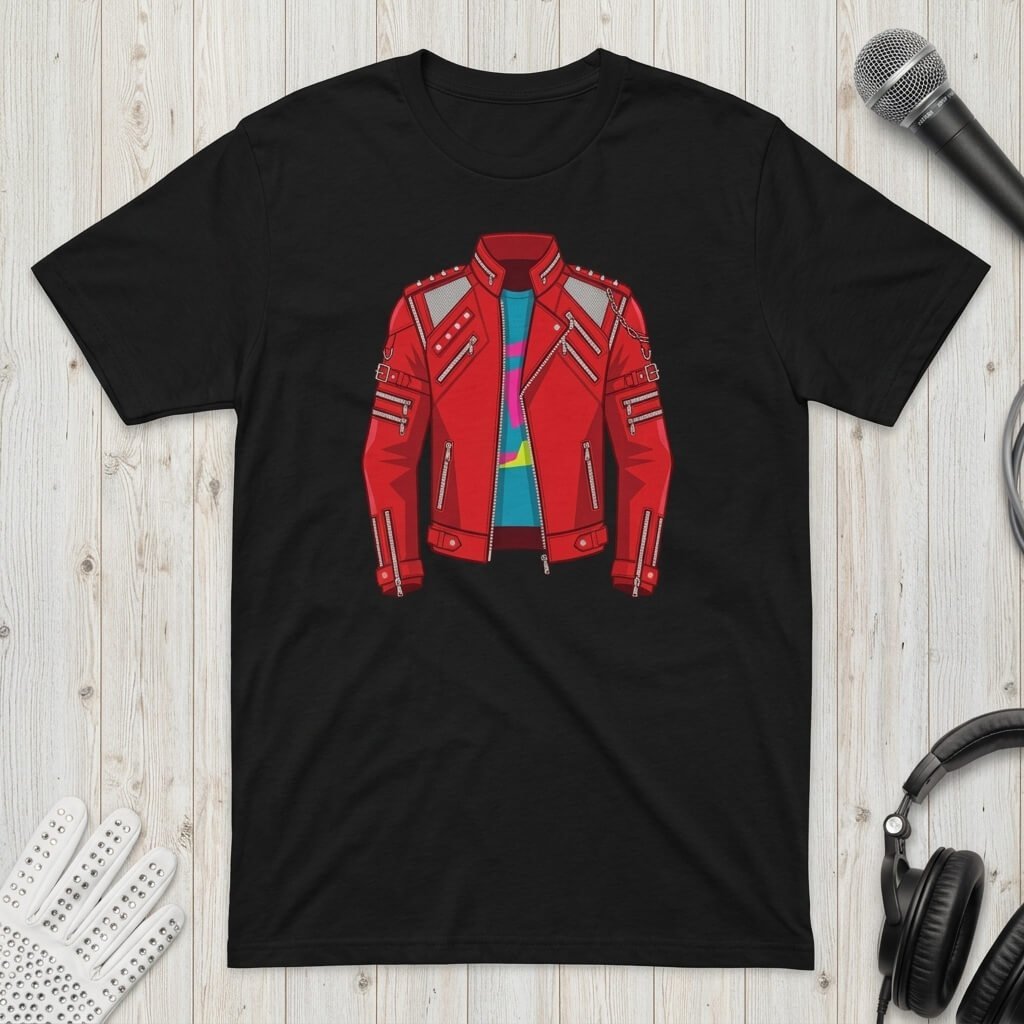
The shift came in 1983 through a combination of artist quality, label pressure, and commercial reality. CBS Records president Walter Yetnikoff reportedly threatened to pull every CBS artist from MTV rotation if the channel refused to air the “Billie Jean” video. MTV relented. Then came “Beat It,” and then came “Thriller” — the fourteen-minute John Landis–directed short film that remains the most-watched music video in the medium’s history. After Jackson, the argument that Black artists didn’t fit MTV’s format collapsed so completely that it became embarrassing to recall it had ever been made.
The Irony at the Center of Everything
There is something genuinely strange about the fact that the song chosen to open MTV was a lament for the thing MTV was about to replace. “Video Killed the Radio Star” was written as a meditation on technological displacement — on the way new media erases old ones, not gradually but suddenly and completely. It’s a song about loss wearing shiny new wave production as a costume.
And yet Trevor Horn, the song’s lead vocalist and co-writer, spent the next decade becoming one of the most technologically ambitious record producers in British pop history. His production of Frankie Goes to Hollywood’s “Relax” in 1984 was a masterclass in studio technology used as a weapon. His work throughout the decade with ABC, Yes, and dozens of others pushed the sonic possibilities of what a pop record could be. He did not mourn the technological future he sang about. He became one of its principal architects.
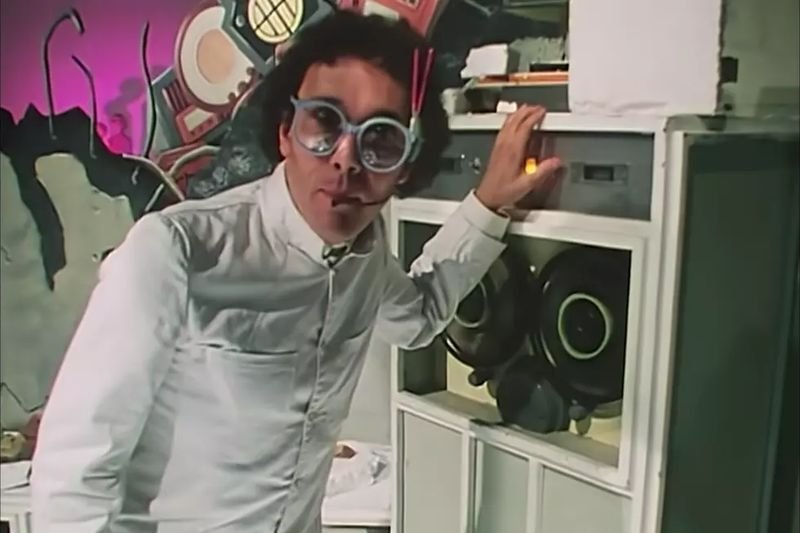
The video itself — with its retro lab coats, blinking machines, and women trapped inside television sets — was doing precisely what MTV would demand from the music industry for the following decade: making the visual component of a song as constructed, as deliberate, and as meaningful as the audio. The lament for the radio age was staged using exactly the tools of the television age it claimed to mourn. That contradiction is why it was the right choice. Casey understood it before he had the language to explain it.
After the Launch: What the Channel Became
MTV’s programming evolved steadily through the 1980s and accelerated into something quite different in the 1990s. The pure video rotation that defined the early years gave way to news blocks, alternative music programming, and eventually reality television. The Real World launched in 1992 and became a template for unscripted television that networks have been adapting ever since. Total Request Live arrived in 1998 and turned the channel into something closer to a teen pop popularity contest anchored in Times Square. Somewhere along the way, the “M” in MTV became largely ceremonial.
But the cultural infrastructure the channel built between 1981 and the mid-1990s did not disappear when the programming shifted. A generation of music fans had internalized the idea that songs arrive with images attached — with a specific look, a visual world, a set of aesthetics that extend beyond the sound itself. When YouTube launched in 2005, it didn’t create music video culture from scratch. It inherited one that MTV had been building since a Tuesday morning in August 1981, when a channel nobody was watching played a song nobody wanted to launch with, and everything about how music worked changed anyway.
For more on how MTV’s relationship with hip-hop reshaped an entire genre, read our piece on how Yo! MTV Raps turned the golden age of hip-hop into must-see TV. And if you’re tracing the musical threads of that same era, check out On This Day: July 25, 1980 — AC/DC Released Back in Black.
Sources
- MTV launches — August 1, 1981 — History.com, This Day in History
- Why MTV Launched With a Video ‘Nobody Wanted’ — Ultimate Classic Rock
- Remember When: MTV Debuts with “Video Killed the Radio Star” — American Songwriter
- The Original Five MTV VJs: Where Are They Now? — Biography.com
- 40 Years of MTV: the channel that shaped popular culture as we know it — The Conversation
The Retro Almanac
A monthly roundup of "on this day" highlights from that month, decades back — plus first dibs on new retro merch drops. No spam, just the good stuff.