ALF TV Show: The Alien Who Crash-Landed in Prime Time and Never Left
If you grew up in the late 1980s, there’s a decent chance a hairy, sarcastic alien named ALF took up permanent residence in your living room — and maybe a little corner of your heart. The ALF TV show, which premiered on NBC on September 22, 1986, was unlike anything that had ever aired in primetime. It was the story of a crash-landed extraterrestrial who ate cats, insulted his hosts, watched too much television, and somehow became the most beloved character of the decade. Four seasons. Ninety-nine episodes. One genuinely bonkers cancelled finale. ALF wasn’t just a show — it was a cultural moment that Gen X has never quite gotten over.
From a Prop Closet Idea to NBC’s Biggest Hit
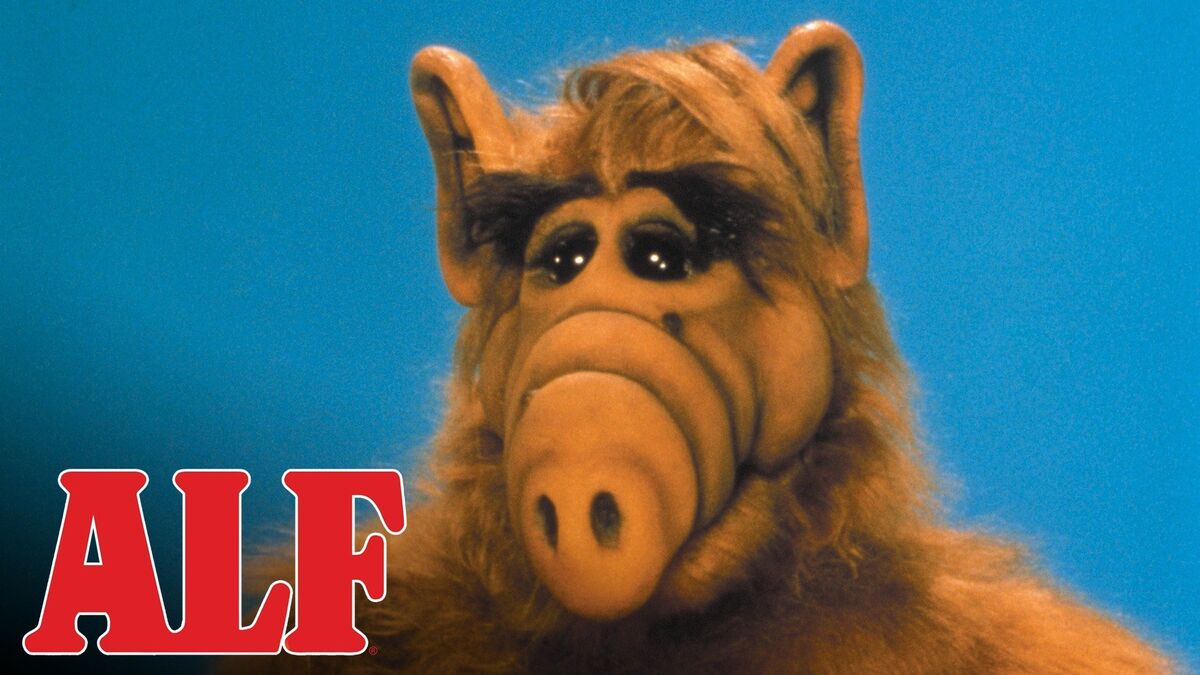
The origin story of ALF is almost as unlikely as the show itself. Paul Fusco, a puppeteer and performer who had been kicking around Hollywood for years, came up with the concept for an alien puppet character and pitched it to NBC with co-creator Tom Patchett. The network took a chance on what was, let’s be honest, a pretty weird idea — a live-action sitcom built around a full-sized puppet living in a suburban family’s home — and the results were staggering. ALF debuted to enormous ratings and quickly became NBC’s biggest Monday night hit, frequently landing in the top five nationally. At its peak, the show was pulling over 20 million viewers per week.
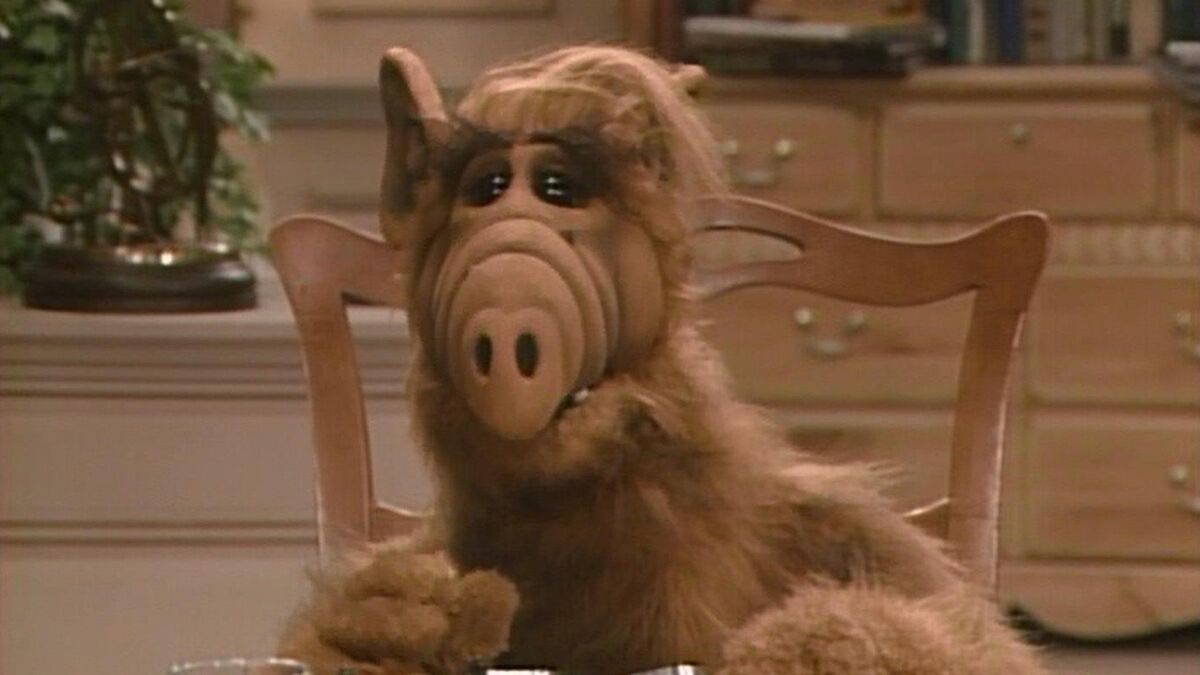
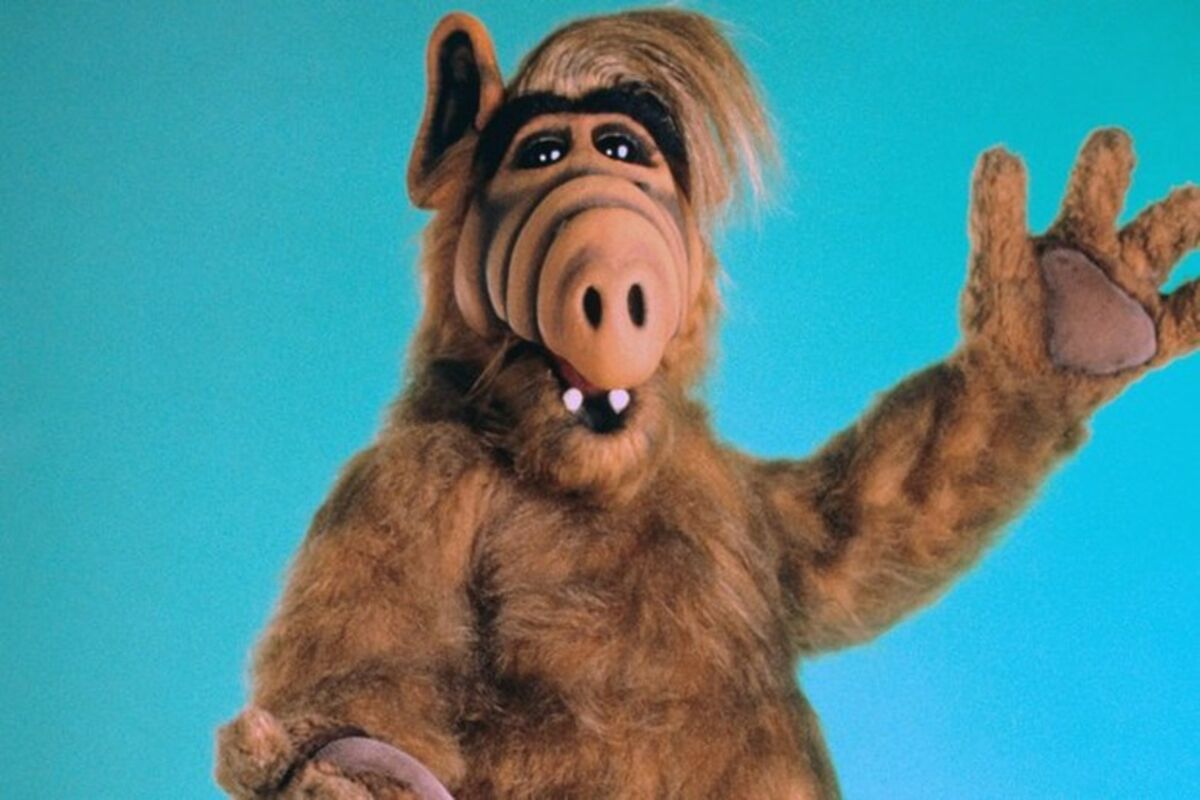
ALF stood for “Alien Life Form,” but his real name was Gordon Shumway — a wisecracking native of the planet Melmac who had been part of the Melmac Orbit Guard before his home world was obliterated in a nuclear war. That dark backstory gave the character surprising depth beneath all the jokes about eating cats and mispronouncing Earth idioms. Gordon crash-landed in the garage of the Tanners, a thoroughly normal middle-class family in the San Fernando Valley of California, and the rest, as they say, is television history.
Meet the Tanner Family: Willie, Kate, Lynn, and Brian
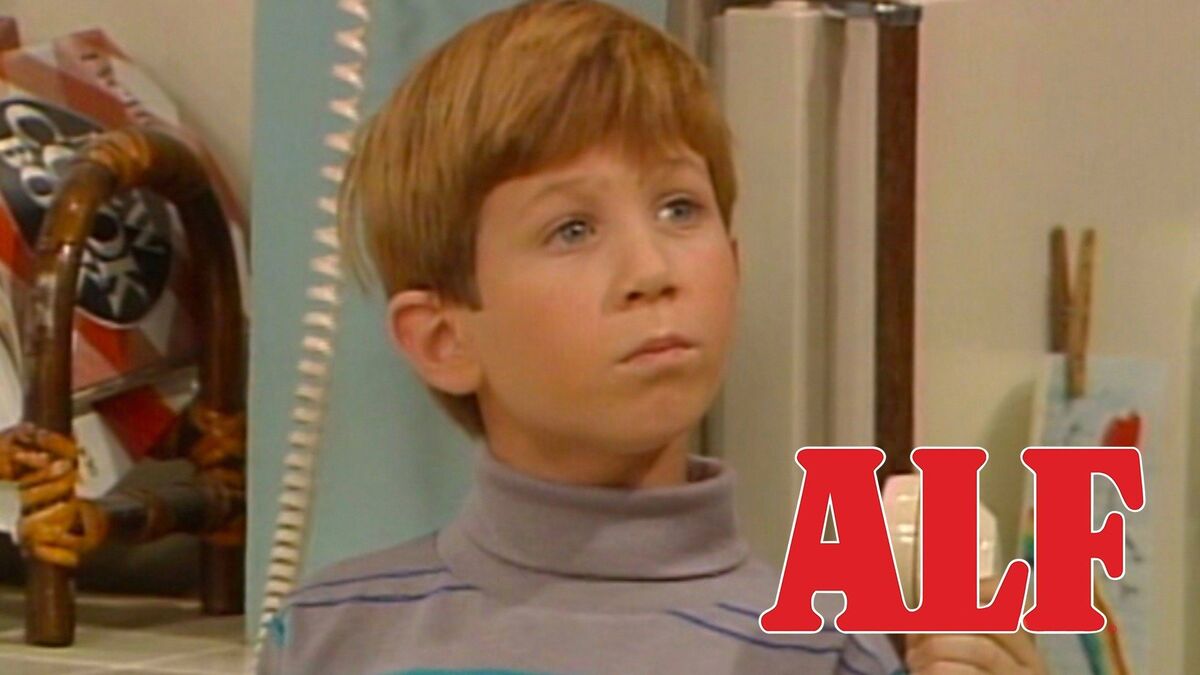
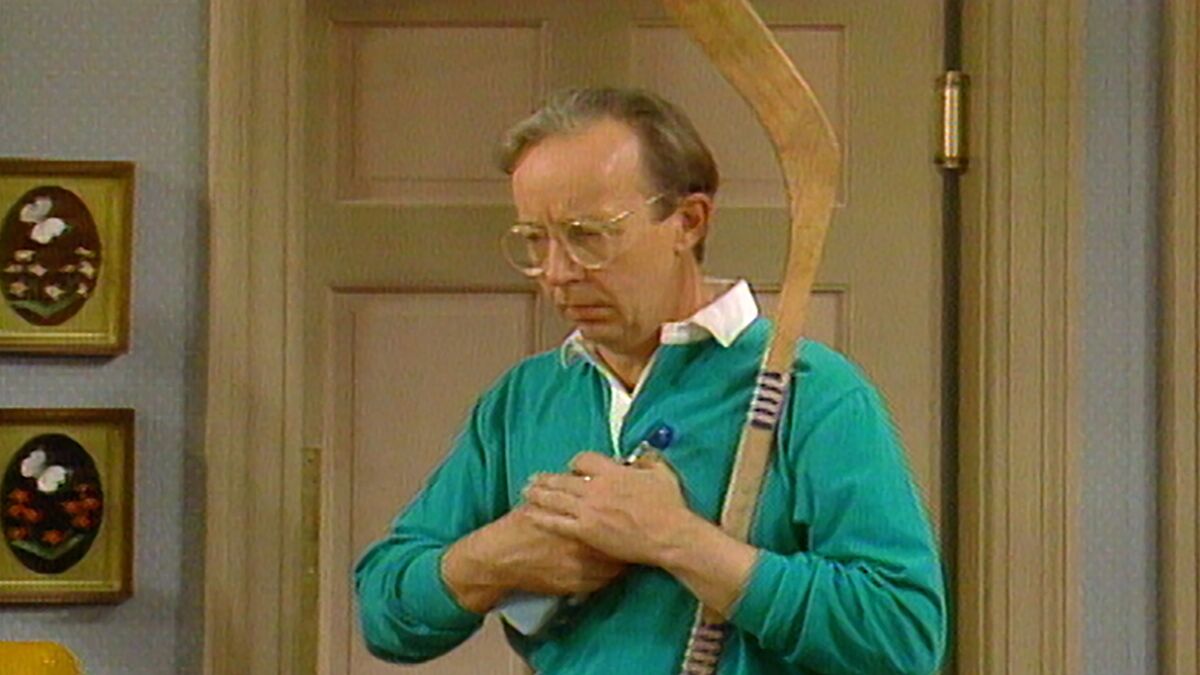
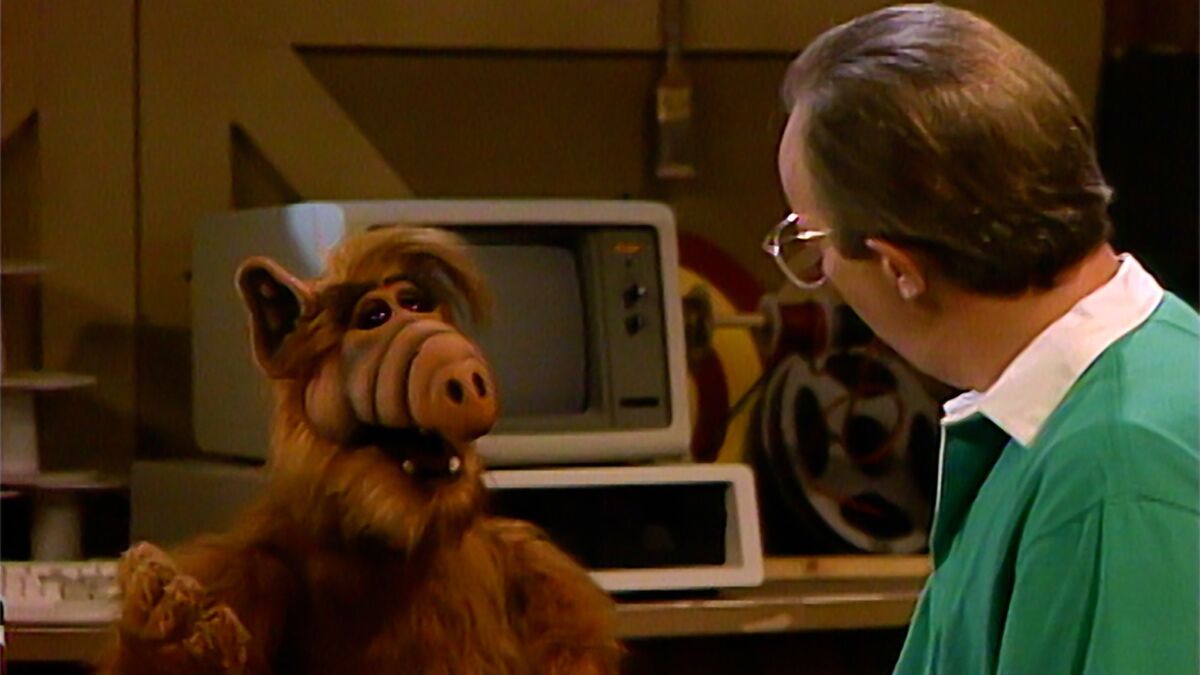
The Tanner family were the straight men (and women, and children) to ALF’s chaos, and they were perfectly cast. Max Wright played Willie Tanner, a social worker and amateur radio enthusiast — his radio hobby was, in fact, what accidentally lured ALF’s ship to Earth in the first place. Willie was perpetually exasperated, perpetually trying to maintain order, and perpetually failing. It was a performance that required Wright to react with convincing horror to something that wasn’t physically there, since Paul Fusco operated ALF from below the set using a network of trapdoors.
Anne Schedeen played Kate Tanner, the mother who had significantly less patience for ALF’s nonsense than her husband — and that’s saying something. Andrea Elson’s Lynn was the teenage daughter who formed an unexpectedly sweet bond with the alien, and Benji Gregory played young Brian, who took ALF’s existence with the eerie calm only available to small children and the profoundly unbothered. Together they made a convincing family unit that grounded the show’s absurdity in something warm and real.
The comedy worked because the Tanners weren’t stupid — they were just stuck. They couldn’t turn ALF over to the government (specifically the Alien Task Force, which would have dissected him) and they couldn’t exactly take out an ad in the paper. Their nosy neighbors, Trevor and Raquel Ochmonek, played magnificently by John LaMotta and Seinfeld‘s Liz Sheridan, were a constant threat to the arrangement. Every episode had the pressure cooker element: if the neighbors discovered the truth, everything falls apart. It was a classic sitcom engine.
The Puppet That Ate Prime Time: How ALF Actually Worked
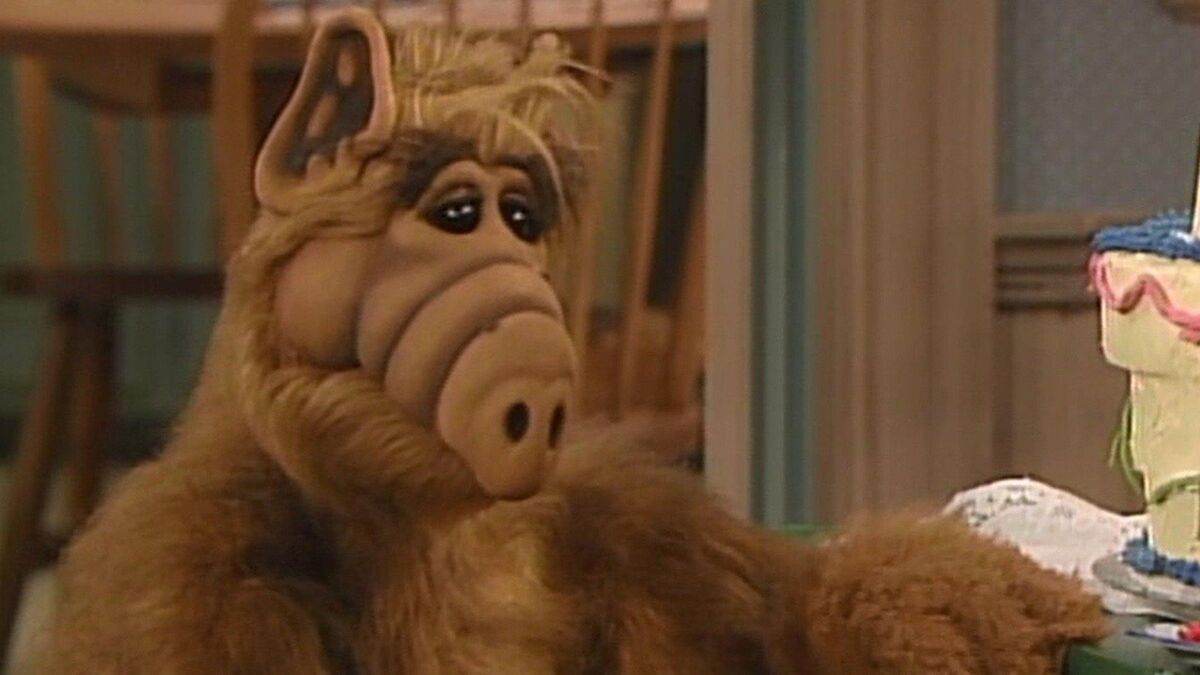
The technical achievement behind ALF was genuinely remarkable for its time. Paul Fusco operated the main puppet from beneath a set riddled with trapdoors, using his left hand inside ALF’s mouth while his right arm was visible on screen. Two additional puppeteers — Lisa Buckley and Bob Fappiano — controlled ALF’s left arm and handled secondary facial movements. For shots requiring a full-body view of ALF walking, actor Michu Meszaros, who stood just 2 feet 9 inches tall, wore a full ALF costume.
Multiple versions of the puppet existed for different types of shots — some optimized for facial expressions, others for physical interaction with props or actors. Fusco’s voice and performance gave ALF a consistent personality even across the chaos of managing all those moving parts. The result was a character who felt completely alive on screen, which was no small trick in 1986. Fusco has said in interviews that he brought the character to life not just through the physical performance but by finding Gordon Shumway’s genuine emotional core — this was an alien who had lost his home, his people, and everything he knew, and was making the best of it with the only tools available: sarcasm, stubbornness, and an apparently bottomless appetite.
Gordon Shumway of Melmac: The Backstory That Made ALF Human
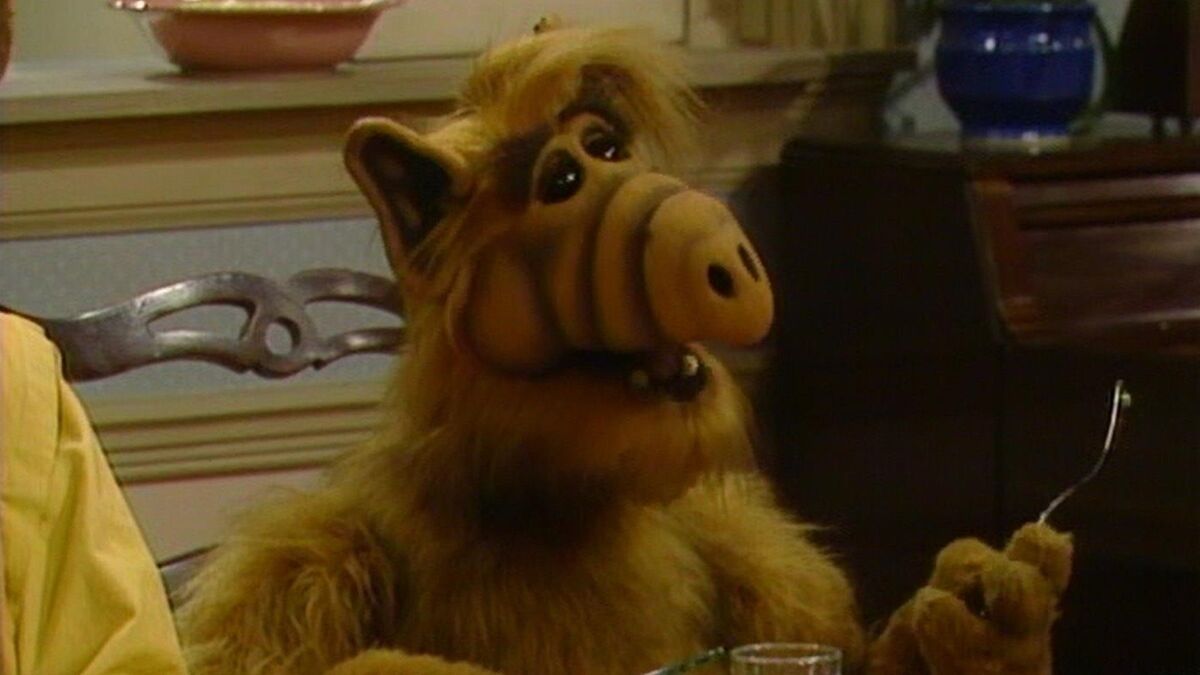
Melmac was a planet roughly the size of a Ford Pinto, with a sky the color of guacamole and a civilization that, according to ALF, ran entirely on cats. The planet exploded — nuclear war, basically, because even aliens apparently couldn’t figure out how to stop that particular tradition — while ALF was on a routine mission with the Melmac Orbit Guard. He survived by chance and spent the aftermath drifting through space, eventually following Willie Tanner’s shortwave radio signal to Earth.
The show never let you forget that ALF was a refugee. Beneath the wisecracks about liking cats (to eat, not to cuddle) and his addiction to daytime television was the quiet tragedy of a being who had lost everything. It was this emotional depth that kept the show from becoming a one-joke novelty. When the series occasionally let Fusco drop the comedy and let ALF reckon with his loneliness, it hit surprisingly hard. For a show often dismissed as a silly kids’ sitcom, ALF had real emotional intelligence baked in.
ALF’s Melmacian backstory also provided a wellspring of running gags: his species was governed largely by its appetite, birthdays were celebrated by eating your neighbor’s cat (a tradition the Tanners found concerning), and Melmacian culture apparently had something to say about every single thing that happened on Earth, usually something that made humans look ridiculous. Which, fair enough, honestly.
Catchphrases, Cats, and Comedy That Flew Over Your Head
Ask anyone who grew up in the 80s and they’ll tell you: ALF’s catchphrases were inescapable. “No problem!” — delivered with complete sincerity in the face of an obvious problem — was everywhere. “Ha! I kill me!” was ALF’s self-congratulatory response to his own jokes. “Cat got your tongue? Well, not yet, but it’s a good idea!” was the kind of dark gag the writers slipped in specifically for adults while the kids laughed at the delivery.
That cat-eating angle was, in retrospect, pretty transgressive for a network family sitcom in the late 1980s. The Tanner family cat, Lucky, was in perpetual danger from their alien houseguest — not because ALF was malicious, but because cats were the Melmacian equivalent of pizza. The show played this for laughs, and it worked brilliantly, because the threat was always comedically defused. But it was dark humor that flew completely over the heads of the show’s youngest viewers. Kids thought ALF chasing the cat was silly. Adults understood that ALF was describing a genuine food craving — the sitcom equivalent of having a lion in the house and hoping it stays on its diet.
Lucky’s eventual death in Season 4 — from natural causes, with ALF in attendance — was played surprisingly straight and became one of the series’ most memorable moments. It said something about how far the character had developed that viewers actually felt the loss alongside the Tanners.
The Merchandise Explosion: ALF Was Everywhere
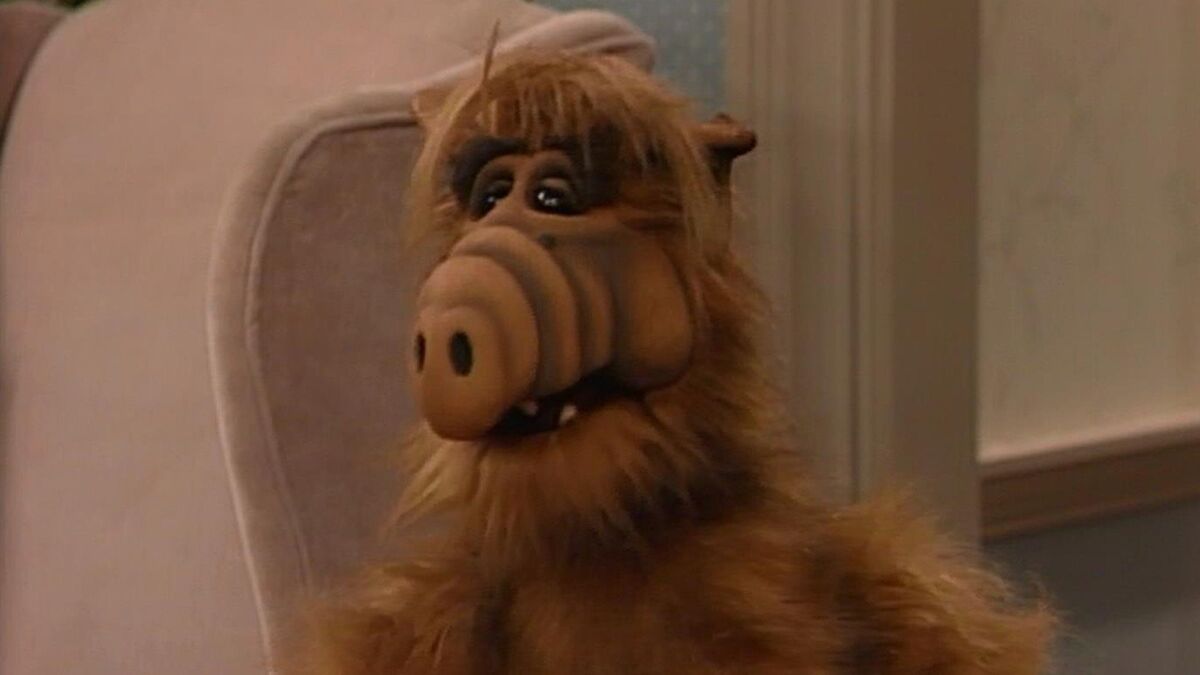
At its peak popularity, ALF merchandise was the kind of thing that colonized every corner of American life. There was the ALF stuffed animal (millions sold), ALF lunch boxes, ALF T-shirts, ALF board games, ALF comic books published by Marvel Comics, and the truly legendary ALF cereal — a sweetened corn and oats situation that came in a box featuring ALF eating a bowl of what was implied to be cat-flavored cereal, which was both a brilliant and deeply questionable marketing decision.
The ALF animated spinoff, ALF: The Animated Series, ran on NBC Saturday mornings from 1987 to 1988 and depicted ALF’s adventures back on Melmac before the planet exploded — a prequel that answered all the questions nobody had asked but turned out to be genuinely entertaining. There was also ALF Tales, which put ALF and his Melmacian friends into classic fairy tale settings, because apparently the licensing machine needed to find new territory to colonize.
The merchandise wasn’t just a cash grab — it reflected genuine cultural penetration. ALF was the kind of character that kids wanted to carry around with them, eat breakfast with, and take to school in a metal box. The show had made him feel like a real person, and the merchandise market responded accordingly. If you were a kid in 1987, not having at least one piece of ALF merch was basically an act of social rebellion.
This connects nicely with how 80s metal lunch boxes became such status symbols — ALF was one of the biggest sellers of that era, right alongside He-Man and Transformers. The ALF lunch box wasn’t just a container for your sandwich; it was a declaration of allegiance.
The Cancelled Finale That Left Fans Hanging for 12 Years
Here’s where things get genuinely heartbreaking. ALF ran for four seasons and 99 episodes. The show’s final episode, “Consider Me Gone,” aired on March 24, 1990, and ended on a massive cliffhanger: ALF was about to be rescued by a group of Melmacian survivors and finally given a chance to go home — only for the Alien Task Force to surround the landing site and capture him. The screen cut to black. Viewers had no idea what happened next.
The problem was that nobody told the creative team the show had been cancelled. They wrote the cliffhanger expecting to resolve it in Season 5. NBC cancelled ALF between seasons without warning, which meant millions of fans were left hanging with ALF apparently in government custody, possibly about to be dissected, with no resolution in sight. It remains one of the more unceremonious endings in television history — not because the show was bad, but because nobody bothered to communicate the bad news before the writers sent the whole thing off a cliff.
The resolution came in 1996, six years after the series ended, in a TV movie called Project: ALF. In it, ALF is indeed in military custody, being held by the U.S. Air Force, and must rely on two sympathetic officers — neither of whom are the Tanners, who had apparently moved to Iceland — to help him escape. It wasn’t the triumphant homecoming fans had imagined, and the absence of the original cast was painful. But it gave the character some kind of closure, which was more than most shows in ALF’s situation got.
This is a pattern we’ve seen with other 80s shows that got the axe without warning — much like the story of how 80s cartoons operated under different rules, the network television business of that era treated cancellation as a business decision divorced entirely from narrative responsibility to the audience.
ALF’s Return: Ryan Reynolds, Maximum Effort, and What Comes Next
ALF never really went away. The character has appeared on The Simpsons, Family Guy, The Big Bang Theory, and Mr. Robot. He appeared in commercials for DirecTV and RadioShack. He was referenced in Guardians of the Galaxy and Hot Tub Time Machine. Paul Fusco has kept ALF alive in various forms for decades, maintaining a social media presence and making occasional appearances.
In 2022, Shout! Studios acquired distribution rights to the ALF library and announced plans to develop new content. In 2023, Ryan Reynolds’ Maximum Effort production company joined the project. The announcement generated the kind of internet excitement that only genuine nostalgia can produce — not ironic appreciation, but actual enthusiasm from the people who grew up with Gordon Shumway and never entirely let him go.
As of 2025, selected episodes are available on Peacock and Pluto TV, meaning Gen X parents can subject their own children to the show that shaped them. Whether the kids get it is another question. The context of the Cold War, the specific texture of 80s suburban life, the novelty of a puppet that actually felt alive — these things don’t entirely translate. But the warmth does. And the cat jokes still land.
It’s the same impulse that drives the nostalgia for everything from E.T. to Reagan-era pop culture: the things we loved as children carry an emotional weight that no reboot can fully replicate, but the attempt is its own kind of tribute.
Why Gen X Never Stopped Loving ALF
The simplest answer is that ALF was genuinely funny — funnier, in retrospect, than a lot of what surrounded it. But the deeper answer is that ALF touched something real. Gordon Shumway was the original outsider who made the best of impossible circumstances, who used humor as armor, who was perpetually bewildered by the customs of the world he’d landed in but kept showing up anyway. That’s a character archetype that resonates, especially for anyone who ever felt like they were from a slightly different planet than everyone around them.
There’s also the matter of the show’s genuine emotional stakes. ALF was funny, but it wasn’t stupid. The writing trusted its audience enough to slip in genuinely dark jokes, real emotional moments, and an ongoing meditation on loss and belonging that most sitcoms wouldn’t touch. The cancelled cliffhanger finale still generates discussion thirty-five years later because fans actually cared what happened to Gordon Shumway — not just as a punchline, but as a character.
The ALF TV show premiered in 1986, ran for four seasons, got cancelled without warning, and left its audience with an unresolved cliffhanger for twelve years. By any rational measure, it should have faded into trivia. Instead, it became one of the most durable artifacts of 80s pop culture, a show that people who were six years old in 1986 still talk about with something close to reverence. That’s not just nostalgia. That’s a show that did something right.