Baltimore Colts History: The Midnight Move That Broke a City
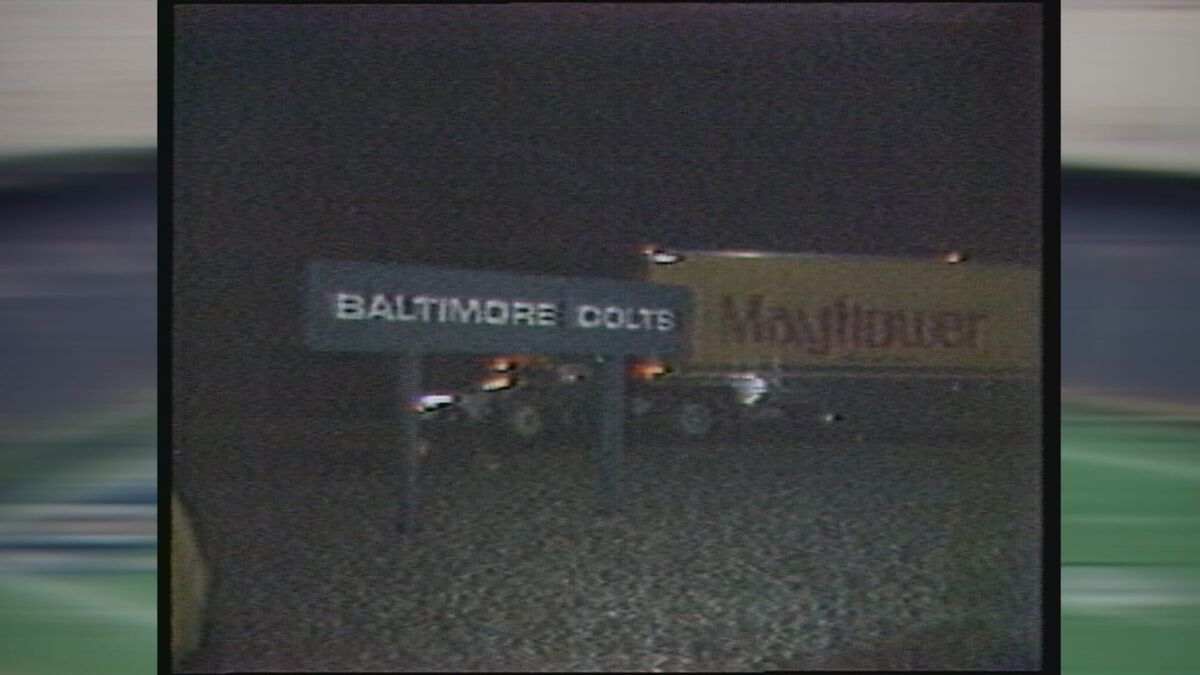
On the night of March 28–29, 1984, the Baltimore Colts move to Indianapolis went down as one of the most gut-wrenching betrayals in the history of American sports. While the city slept through a late-winter snowstorm, thirteen Mayflower moving trucks quietly rolled into the Owings Mills training facility, packed up decades of football history, and vanished into the darkness. By sunrise, Baltimore’s beloved NFL franchise was gone — no press conference, no goodbye, no nothing. Just tire tracks in the snow.
The House That Johnny Unitas Built
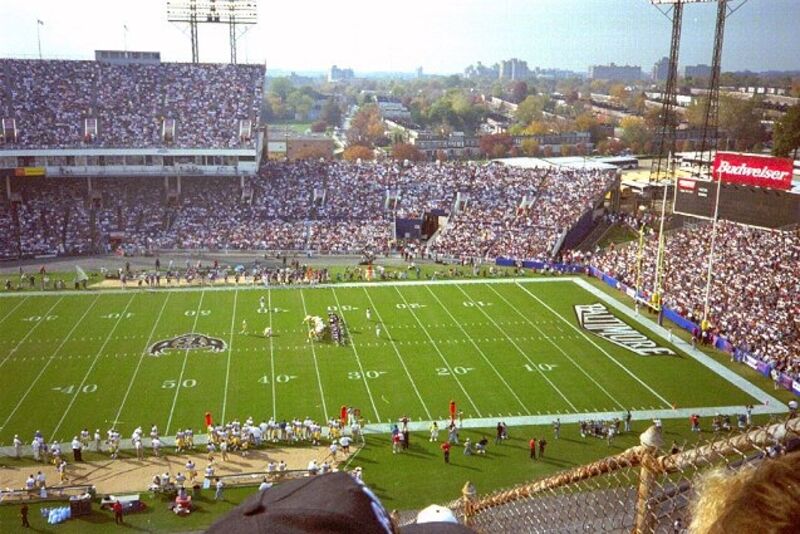
To understand why this hurt so much, you have to understand what the Baltimore Colts meant to the city. This wasn’t just a football team. The Colts were Baltimore’s identity, woven into the fabric of a working-class city that bled blue and white. Memorial Stadium on 33rd Street — packed to the rafters, vibrating with noise — was nicknamed “The World’s Largest Outdoor Insane Asylum,” and the fans who filled it wore that badge with pride.
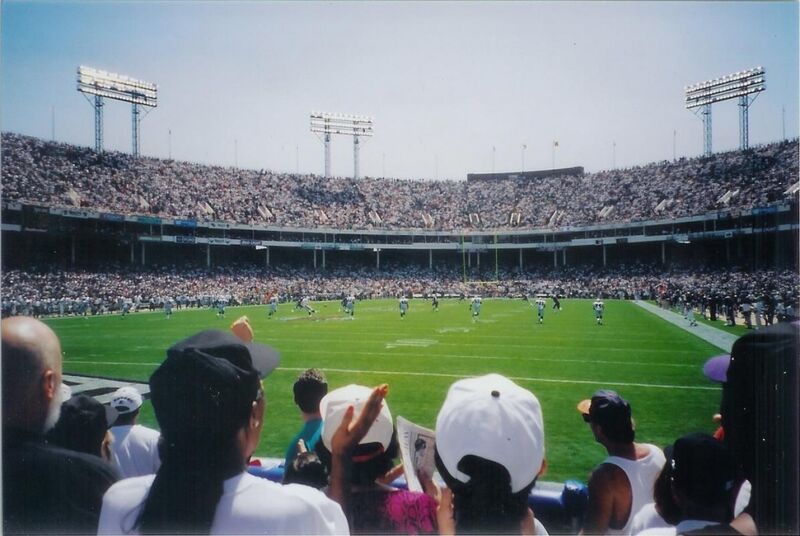
The Colts had been Baltimore’s team since 1953. Johnny Unitas, the blue-collar kid from Louisville who became maybe the greatest quarterback ever, was the face of the franchise. The 1958 NFL Championship — a 23–17 overtime classic against the New York Giants at Yankee Stadium — was called “The Greatest Game Ever Played,” and it put professional football on the national map. Baltimore had won. Baltimore was football.
Then everything started to fall apart. And while the Colts were crumbling, the rest of the sports world was buzzing — just a year earlier, Reagan was delivering his “Star Wars” speech while Irsay was quietly shopping his franchise around the league.
Robert Irsay: The Owner Nobody Wanted
The trouble started in 1972 when Carroll Rosenbloom — the original Colts owner — pulled off one of the stranger deals in NFL history. He essentially swapped teams with Robert Irsay, a wealthy HVAC contractor from Illinois. Rosenbloom got the Los Angeles Rams and his California lifestyle. Baltimore got Irsay.
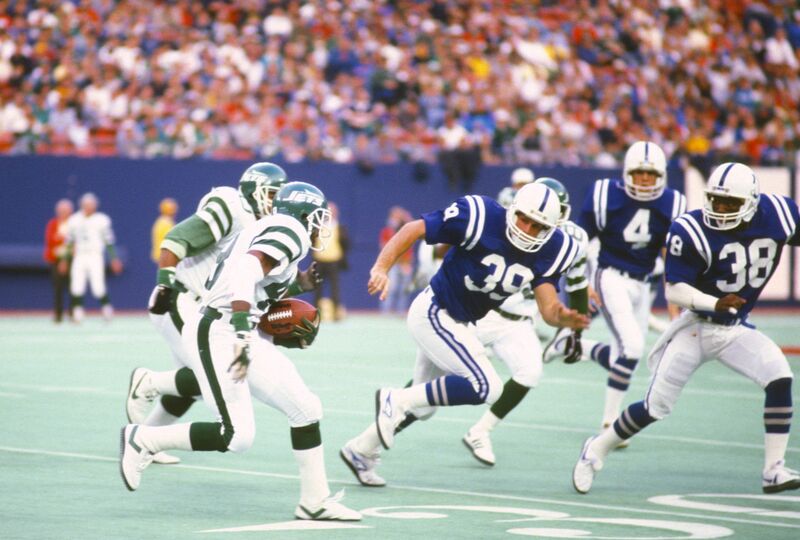
It didn’t take long for things to go sideways. Irsay fired the coach who had just won the Super Bowl. He traded Johnny Unitas to the San Diego Chargers, a move that landed with the force of a gut punch. He meddled in personnel decisions. He allegedly showed up to games and practices erratic and intoxicated. By the early 1980s, the franchise was a mess — six consecutive losing seasons, attendance cratering from 60,000 to around 42,000, and a fan base slowly losing faith.
The kicker? When Stanford quarterback John Elway was drafted first overall by the Colts in 1983, he flatly refused to play for Irsay. Elway said he’d play baseball for the New York Yankees instead. The Colts were forced to trade him to Denver, where he’d go on to become one of the greatest players in NFL history. That’s how far Baltimore football had fallen — the best prospect of his generation wanted no part of it. Not unlike other 80s sports icons who were complicated off the field, Irsay became a symbol of franchise mismanagement.

Stadium Stalemate and the Eminent Domain Threat
Meanwhile, negotiations over Memorial Stadium had been grinding on for years. The stadium was aging badly — 10,000 seats with obstructed views, 20,000 outdated bench seats, lousy bathrooms, and zero modern amenities. City planners had floated the idea of a new multi-purpose facility near the Inner Harbor (what would eventually become Camden Yards), but the Maryland legislature refused to fund it. A 1974 ballot measure even restricted the use of city funds for any new stadium construction.
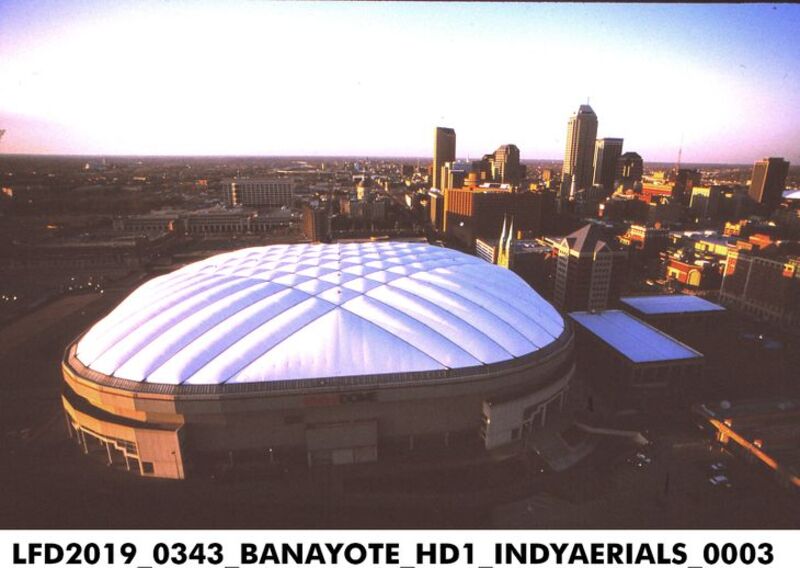
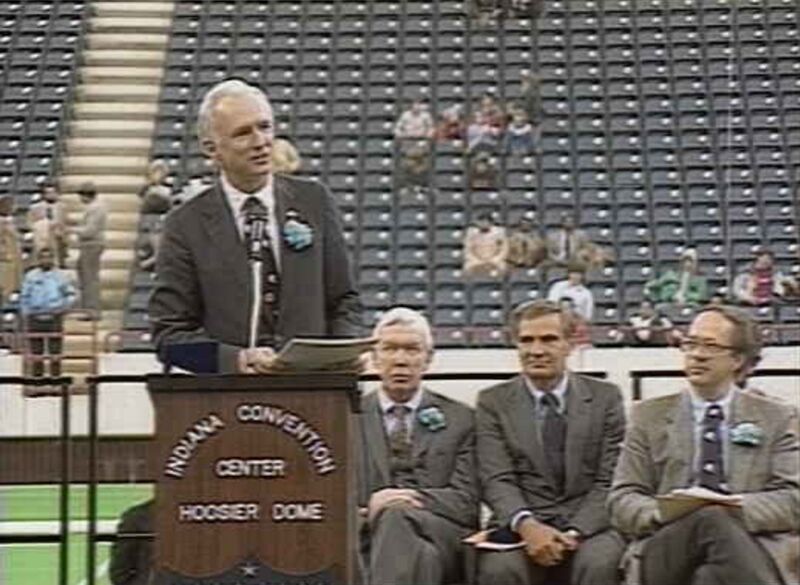
Irsay shopped the team around. He held exploratory conversations with Phoenix in 1976, then Indianapolis in 1977. By the early 1980s, Indianapolis — flush with civic ambition and a shiny new Hoosier Dome sitting largely empty — was making serious pitches. Mayor William Hudnut was hungry for a major league franchise, and he had the infrastructure ready.
In January 1984, the crisis boiled over. Irsay appeared before the Baltimore media at a press conference at BWI Airport and, by multiple accounts, was visibly intoxicated. He slurred that this was “his goddamn team” and insisted he wasn’t going anywhere. Nobody believed him. The Maryland General Assembly, smelling blood in the water, fast-tracked legislation that would allow the state to seize the Colts franchise through eminent domain — essentially, the government claiming the team as public property before Irsay could bolt.
The eminent domain bill was scheduled for a vote on March 29, 1984.
The Phone Call That Changed Everything
Irsay knew the clock was ticking. Legal advisors warned him that once the eminent domain legislation passed, he might be stuck. He’d been in secret contact with Indianapolis Mayor Hudnut and Mayflower Transit — an Indianapolis-based moving company — for weeks. The deal was in place. All that remained was the trigger.
On the afternoon of March 28, 1984, Rick Russell, president of Mayflower’s moving operations, was having lunch at the Indianapolis Athletic Club when a phone was brought to his table. It was Mayflower CEO Johnny B. Smith. The message was simple: go. Fourteen tractor-trailer trucks were dispatched to the Baltimore Colts complex in Owings Mills.
Jim Irsay — Robert’s son, who would eventually inherit the franchise — reportedly called ahead to stadium staff and told them to be there at 10 p.m. No explanation. Just: be there. Former assistant coach Rick Venturi later recalled: “The reason for the stealth, the reason for the immediacy — Baltimore was going to try to block Bob from leaving. And he felt that maybe they could do that. So he was going to get out of dodge before it was going to get to the house.”
Thirteen Trucks in a Snowstorm
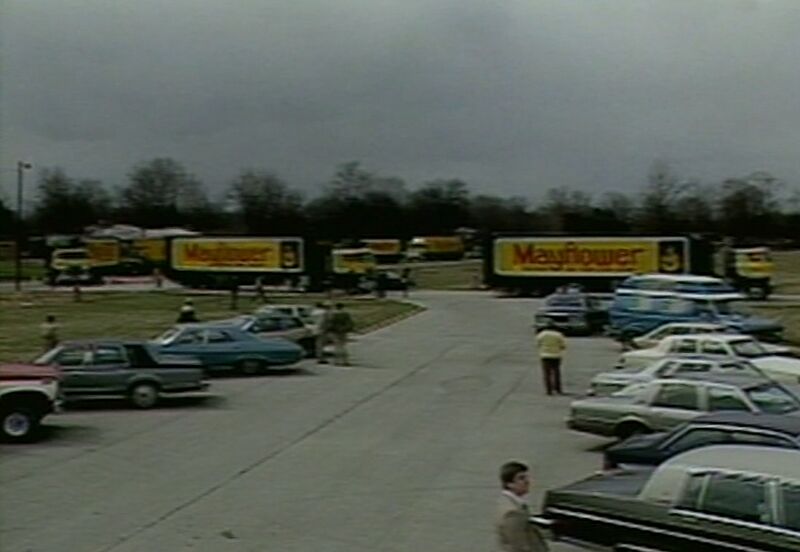
Here’s where the story gets cinematic. It was snowing. The kind of late-March snowstorm that reminds you spring hasn’t actually arrived yet. Under cover of that storm, around midnight, the Mayflower trucks pulled up to the Owings Mills complex and workers began loading. Helmets. Jerseys. Cleats. Film reels. Office equipment. The entire material existence of a 30-year-old NFL franchise stuffed into the backs of moving trucks.
To avoid being intercepted by Maryland state police — who could theoretically have tried to detain the trucks once the eminent domain vote came through — the drivers took different routes out of the state. Some went up through Pennsylvania. Others cut through West Virginia. As each truck crossed from Ohio into Indiana, Indiana State Police met them and provided an escort into Indianapolis. A law enforcement welcome wagon for a stolen franchise.
Baltimore woke up on March 29, 1984, and the Colts were gone.
No announcement. No farewell game. No chance to say goodbye. Just an empty parking lot in Owings Mills and a city trying to make sense of what had happened. WJZ-TV cameras captured the empty facility. The Baltimore Sun ran a photo of a single Mayflower truck on its front page — one image that became the symbol of the whole ugly business. Fan Larry Loudensloger, known around Baltimore as the team’s most devoted supporter, summed it up: “Heartbroken is a good word when you’ve got over half of your life involved in this ball club.”
Indianapolis Gets a Team, Baltimore Loses Its Soul
In Indianapolis, they were ecstatic. Mayor Hudnut held a press conference on March 29 announcing the deal. On March 31, some 20,000 fans showed up to a downtown rally. Hudnut declared March 29 “Indianapolis Colts Day.” The new franchise moved into the Hoosier Dome, played their first preseason game in August 1984, and were welcomed with the kind of enthusiasm only a city that’s been chasing an NFL team gets to feel.
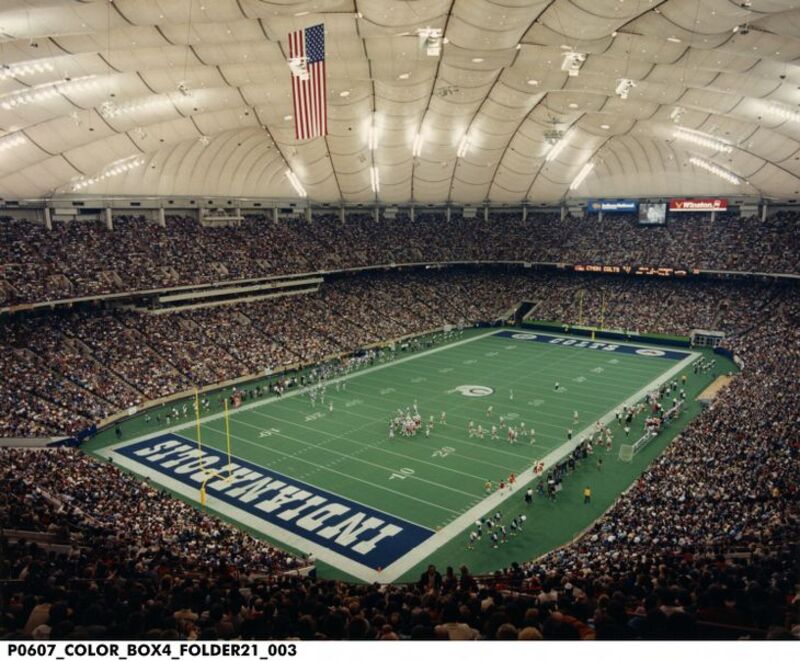
The Colts went 4-12 that inaugural season in Indianapolis, but the fans didn’t care. They had a team. They had football Sundays. The Hoosier Dome — later renamed the RCA Dome — became a place of celebration for a region that had waited a long time for major league football.
For Baltimore, the next twelve years were a quiet kind of misery. The city went without NFL football while Irsay settled into Indianapolis and the league showed zero urgency in rectifying the situation. Baltimore had arguably the NFL’s most passionate fan base, a storied football history, and a team-shaped hole in its chest.
The Long Road Back: How Baltimore Got the Ravens
The NFL’s expansion and relocation politics were a mess through the late 1980s and early 1990s. Baltimore made multiple bids for expansion teams and was repeatedly passed over. The league awarded franchises to cities like Jacksonville and Carolina in 1993 while Baltimore — with its massive new stadium plans and proven fan support — kept getting the door in its face.
The resolution, when it came, was darkly poetic. In 1996, Cleveland Browns owner Art Modell did to Cleveland what Irsay had done to Baltimore twelve years earlier — he relocated his franchise to Baltimore, where it became the Ravens. Cleveland, devastated, got an expansion team (also called the Browns) in 1999.
Baltimore’s connection to the old Colts remains complicated. The Ravens embraced the city’s football tradition — they commissioned a statue of Johnny Unitas outside M&T Bank Stadium, and former Colts players Tom Matte and Stan White became part of the broadcast team. But the Colts years, and the bitterness of the midnight move, lingered for decades.
Robert Irsay died in 1997, less than a year after Baltimore got its Ravens. His son Jim inherited the franchise and has been a far more engaged and popular owner. The Indianapolis Colts have won a Super Bowl (2006, with Peyton Manning) and produced Hall of Fame careers. But the origin story — thirteen trucks, a snowstorm, an eminent domain bill, a city blindsided in the dark — doesn’t go away.
The Move That Changed the NFL Forever
For Gen X kids who grew up with fathers and uncles who had season tickets, who learned what football meant watching the Colts at Memorial Stadium, March 29, 1984 is one of those permanent before-and-after dates. Like the day a band you loved broke up, except messier and with more legal proceedings. You were watching sports greatness unfold everywhere in the 80s, and then one morning you woke up and the team you loved was just… gone.
The Baltimore Colts move to Indianapolis proved something uncomfortable: in the NFL, loyalty is a one-way street. Fans pour decades of love, money, and identity into a franchise, and an owner can decide overnight that it’s not worth staying. The eminent domain legislation that triggered the midnight scramble was, ironically, an attempt to assert that communities have a claim on their teams — that a franchise isn’t just private property when hundreds of thousands of people have invested their souls in it.
The NFL quietly tightened its relocation policies after the Baltimore fiasco. But the lesson was already burned in: your team can leave. They did it in Baltimore. They did it in Cleveland. They’ve done it in Oakland and San Diego and St. Louis. The Colts midnight move remains the most dramatic version of a story the league keeps retelling — thirteen Mayflower trucks disappearing into a snowstorm, carrying a city’s heart with them.
Forty years later, in Baltimore, the horseshoe logo is still complicated. Some older fans still won’t root for the Indianapolis Colts on principle. Others have made peace with it. The Ravens gave the city its football soul back, eventually. Super Bowl titles help.
But March 29 still stings.
Sources
- Baltimore Colts relocation to Indianapolis — Wikipedia
- Baltimore Colts Move to Indianapolis — History.com
- ‘The Move Ep. 3: Mayflower’ — Indianapolis Colts Official Site
- Colts move from Baltimore to Indianapolis: How and why it happened — IndyStar
- 30 years later: Baltimore better without Colts — ESPN