Donald Trump: The Ultimate 80s Pop Culture Icon Before Politics Changed Everything
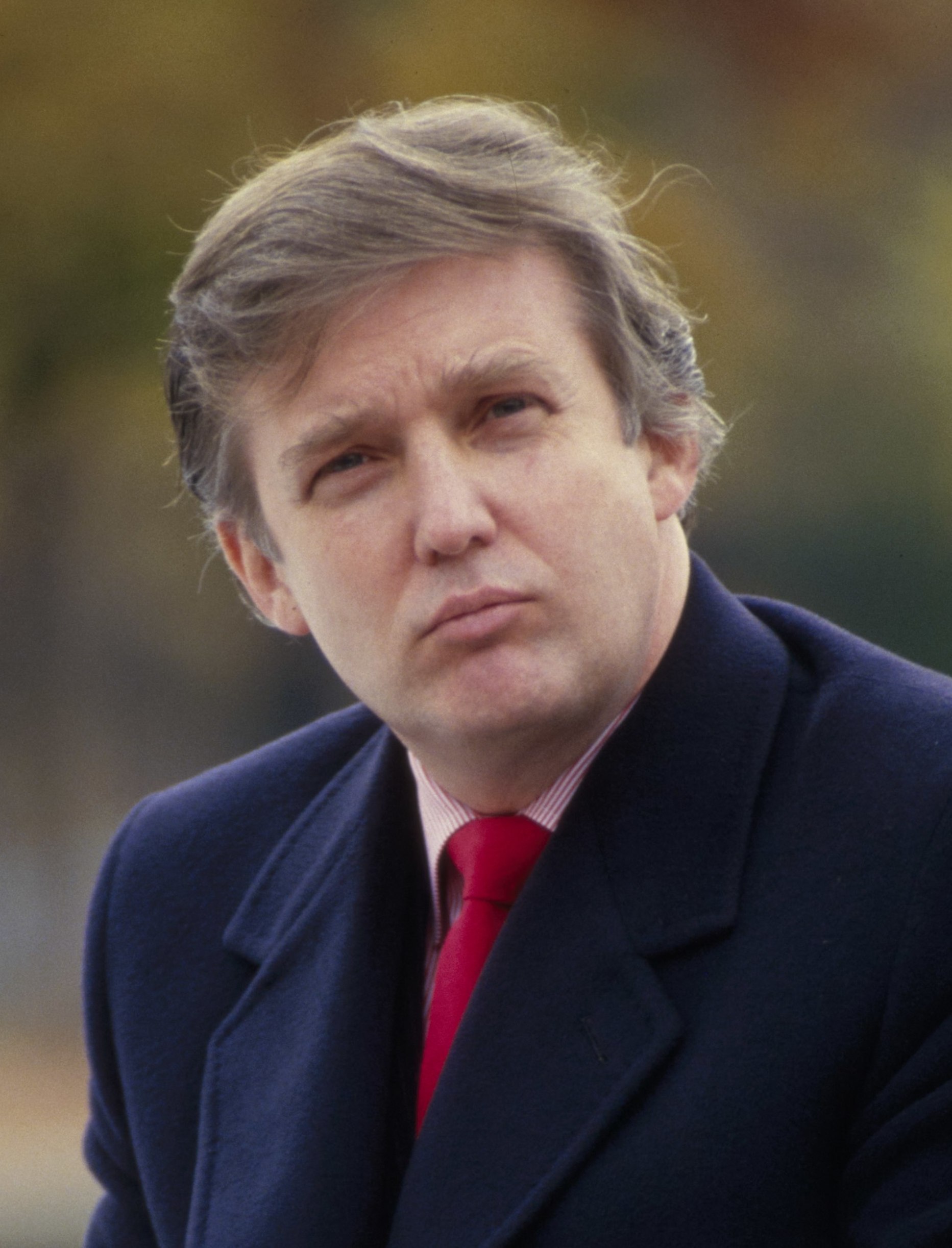
Before the red hats, before “You’re fired,” before the political circus consumed every last corner of American life — there was just Trump. The name. The brand. The walking, talking embodiment of 1980s excess wrapped in a double-breasted suit and slathered in 24-karat gold. For an entire generation of Americans, Donald Trump wasn’t a political figure. He was a pop culture phenomenon — as much a part of the ’80s and ’90s landscape as leg warmers, mall culture, and arcade cabinets.
This is the story of Trump before all that — when he was just a celebrity billionaire who showed up in your movies, your commercials, and your board games.
Trump Tower: The Gold-Plated Kingdom on Fifth Avenue
It all started with the building. When Trump Tower opened in 1983 at 725 Fifth Avenue in Manhattan, it wasn’t just a skyscraper — it was a statement. A 58-story middle finger to subtlety, wrapped in dark glass and anchored by a six-story atrium dripping with pink marble, brass fixtures, and an 80-foot waterfall that screamed “I have more money than God and I want you to know it.”
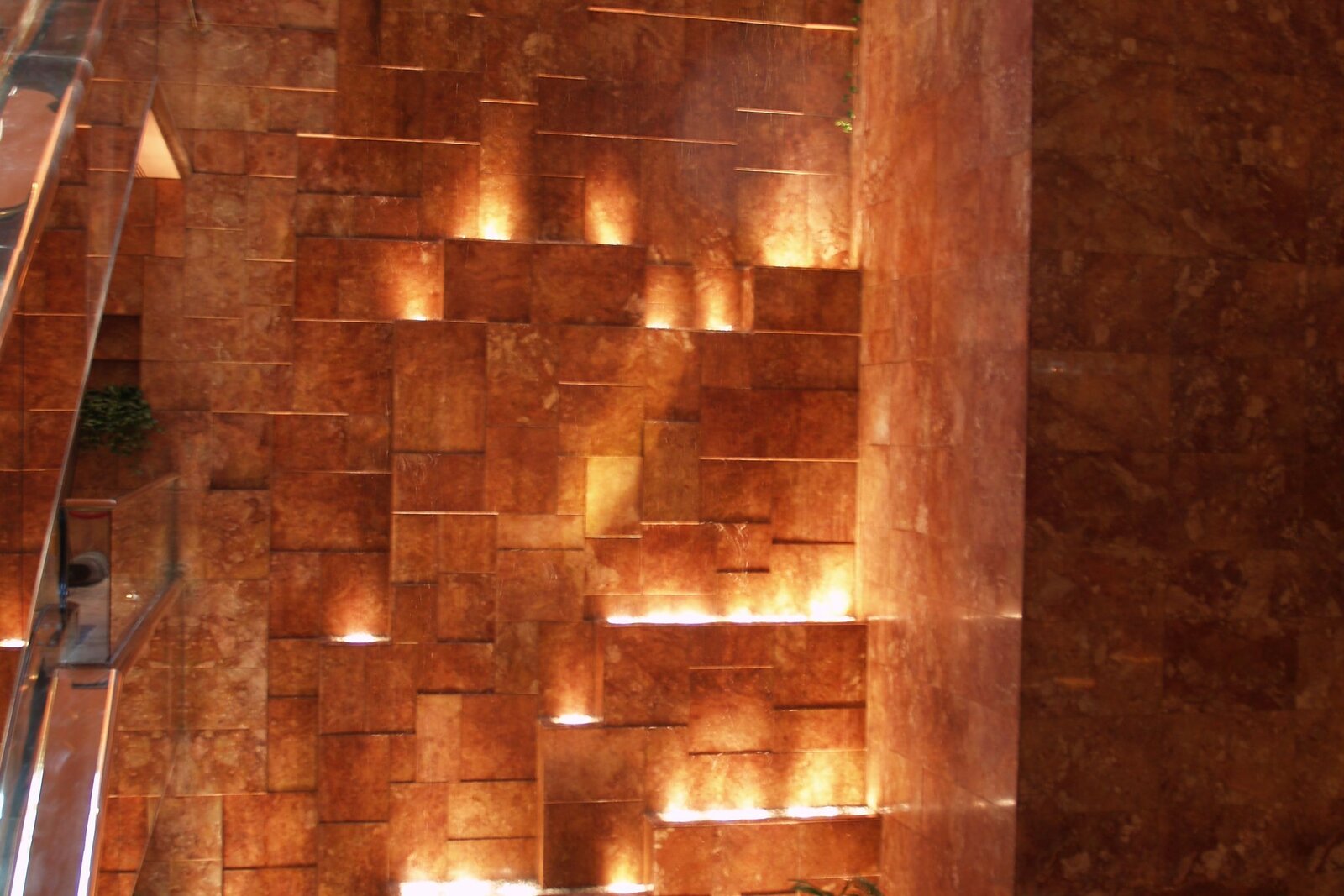
The atrium became a tourist attraction in its own right. People didn’t go there to shop at the overpriced boutiques — they went to gawk. This was the ’80s, and conspicuous consumption wasn’t just accepted, it was aspirational. Trump Tower was the physical manifestation of that ethos: if you’ve got it, plate it in gold and put it on Fifth Avenue.
Upstairs, Trump’s own penthouse apartment was decorated in what can only be described as “Louis XIV meets a gold bullion vault.” We’re talking 24-karat gold leaf ceilings, marble columns, crystal chandeliers, and hand-painted murals. When Architectural Digest featured it in 1985, it looked like Liberace and Versailles had a baby. And America loved it.
The Art of the Deal: Trump Becomes a Bestselling Author
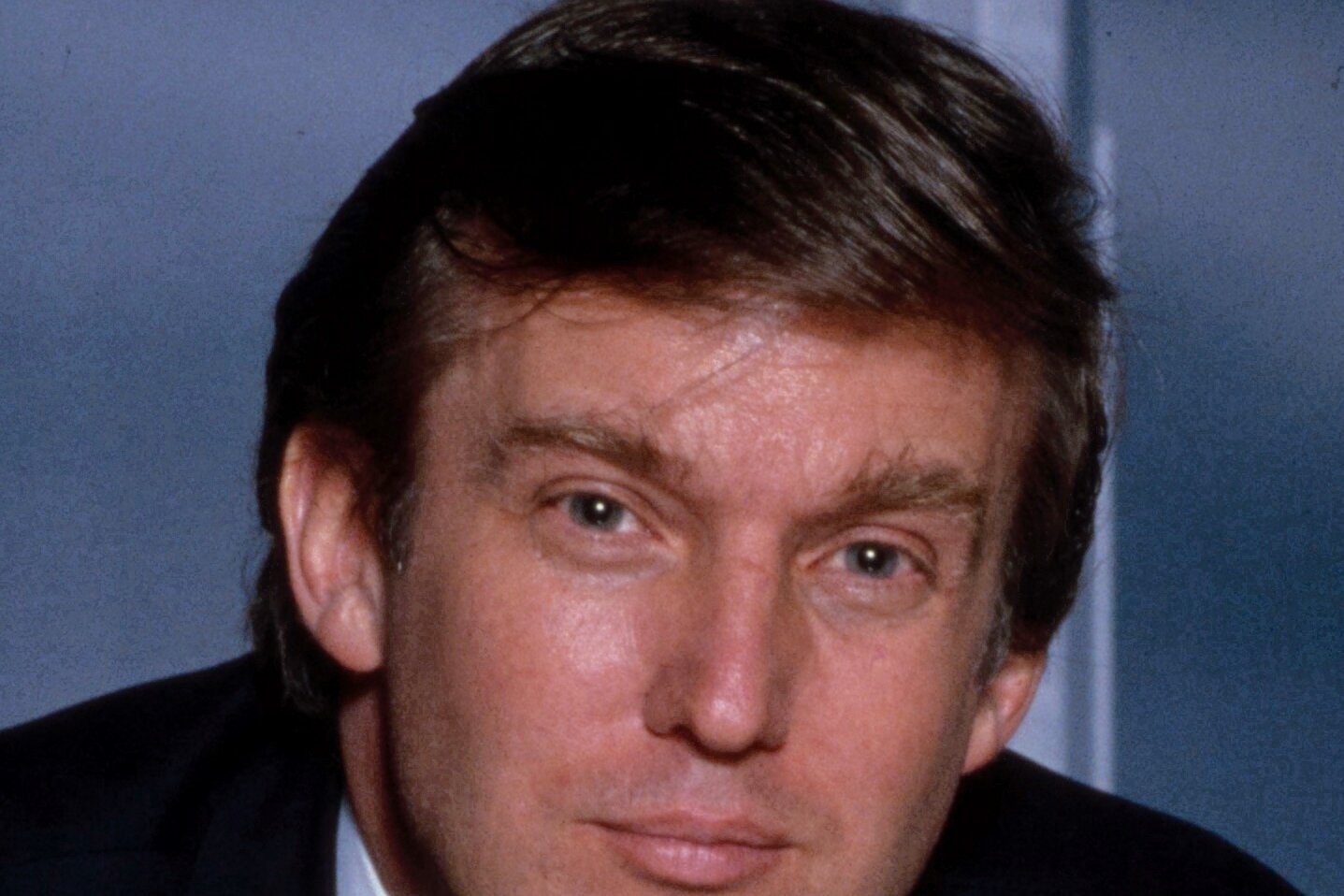
If Trump Tower made him famous in New York, Trump: The Art of the Deal made him famous everywhere. Published in November 1987, the book landed on the New York Times bestseller list and stayed there for 51 weeks. It sold over a million copies in its first year alone.
Was it a great piece of literature? Absolutely not. Was it an entertaining read full of braggadocio and real estate war stories? You bet your Members Only jacket it was. Co-written with journalist Tony Schwartz, the book turned Trump from a regional real estate developer into a national brand. Suddenly, every aspiring businessman in America had a copy on their nightstand, right next to their Walkman and their Wall Street VHS tape.
The cover photo — Trump with his arms crossed, power stance engaged, staring into the camera with supreme confidence — became one of the most recognizable book covers of the decade. It was photographed by Michele Singer (later Michele Reiner), and it captured everything the ’80s wanted to project: power, wealth, and zero apologies.
Donald and Ivana: The Tabloid Divorce That Ate New York
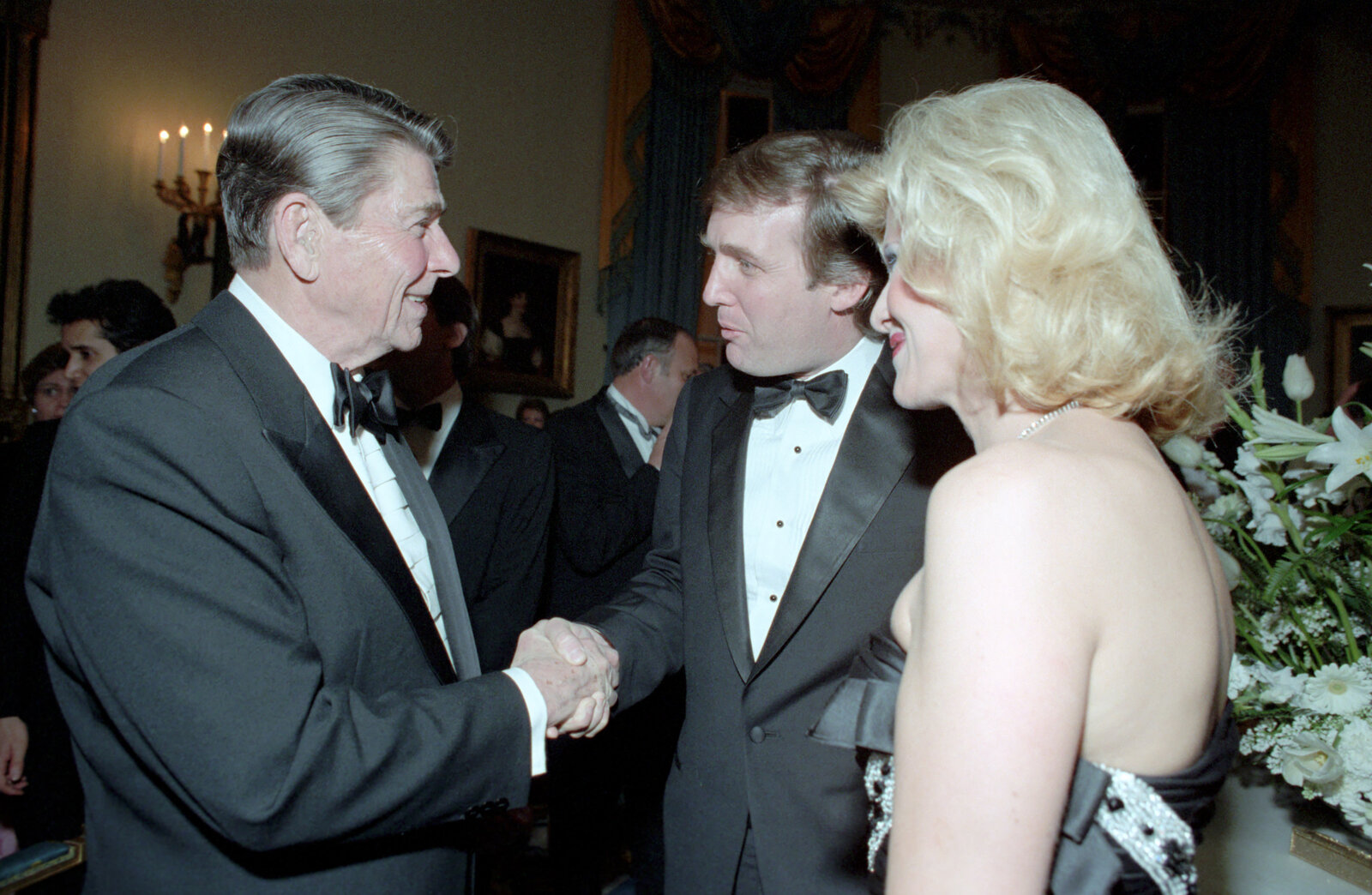
Before Brad and Jen, before Bennifer, there was Donald and Ivana. The Trumps were the power couple of 1980s New York — he in his custom suits, she with her towering blonde hair and Czechoslovakian accent that could cut glass. They were fixtures on the charity gala circuit, regularly photographed alongside everyone from Michael Jackson to Princess Diana.
Then, in 1990, it all fell apart in the most spectacular, tabloid-devouring way possible. The New York Post ran the now-legendary headline: “BEST SEX I’VE EVER HAD” — allegedly a quote from Trump’s mistress Marla Maples. The divorce played out on every front page in America for months. Ivana’s confrontation with Marla on the ski slopes of Aspen became the stuff of legend.
For Gen Xers growing up in this era, the Trump divorce wasn’t just gossip — it was entertainment. It was the original reality TV, playing out in real time across the tabloids. Every newsstand in America had Trump’s face on it, and we ate it up with a spoon.
Lifestyles of the Rich and Famous: Trump as the Ultimate ’80s Mogul
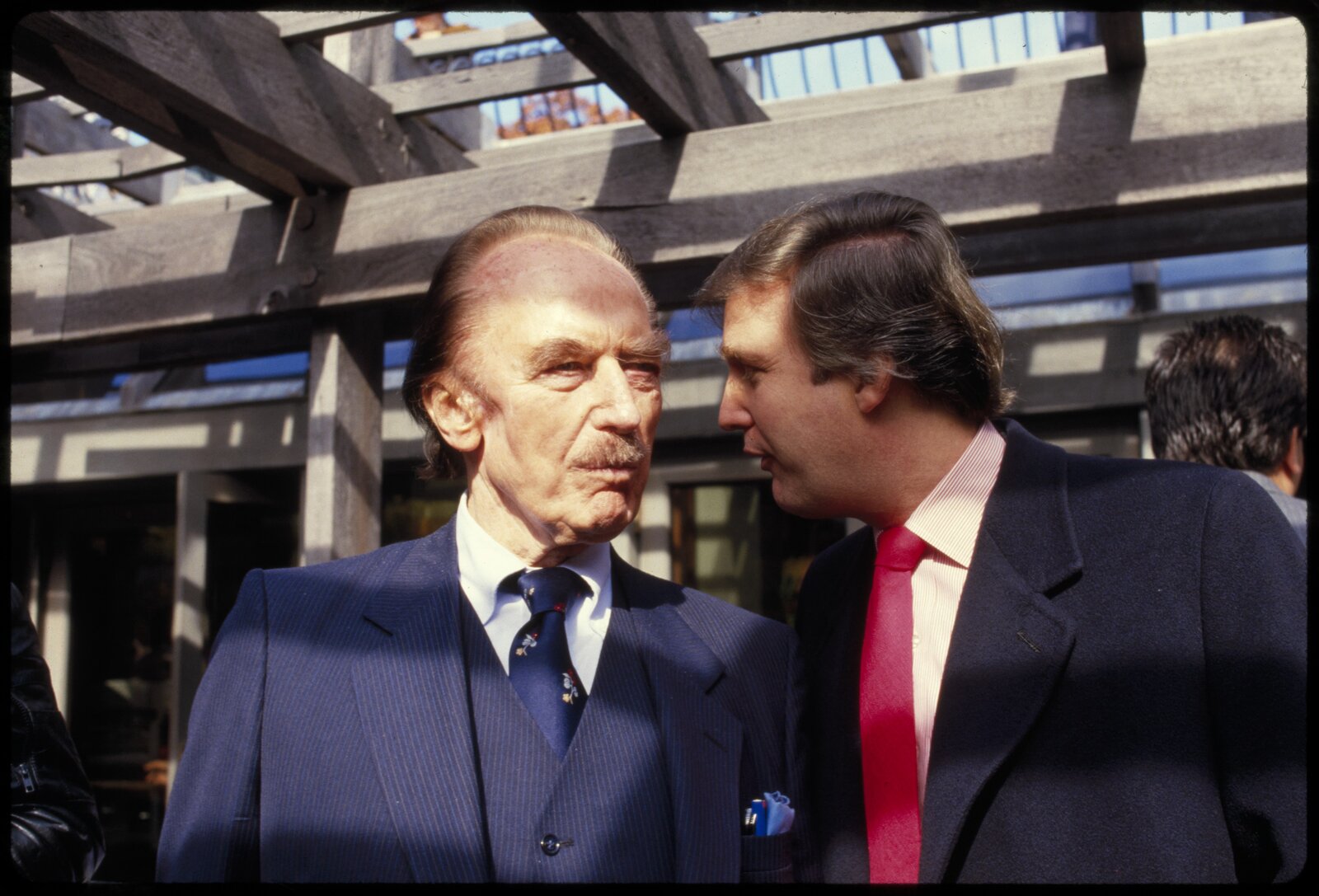
No figure better embodied the “Lifestyles of the Rich and Famous” era than Trump. He was a regular on Robin Leach’s iconic show, touring cameras through his gilded penthouse and his yacht, the Trump Princess — a 282-foot floating palace he’d bought from the Sultan of Brunei’s brother. Yes, really.
Trump understood something fundamental about celebrity in the 1980s: you didn’t need to be an actor, musician, or athlete to be famous. You just needed to be rich and loud. He cultivated his public image with the precision of a Hollywood PR machine, always available for a quote, always ready for a camera. He was the guy who named everything after himself — buildings, casinos, steaks, airlines, water — and somehow made it work.
The man had his own board game. In 1989, Milton Bradley released “Trump: The Game,” a Monopoly-style real estate dealmaking game with Trump’s face plastered across the box. The tagline? “It’s not whether you win or lose, it’s whether you win!” It sold 800,000 copies. Peak ’80s energy.
Atlantic City: The Casino Kingdom That Almost Was
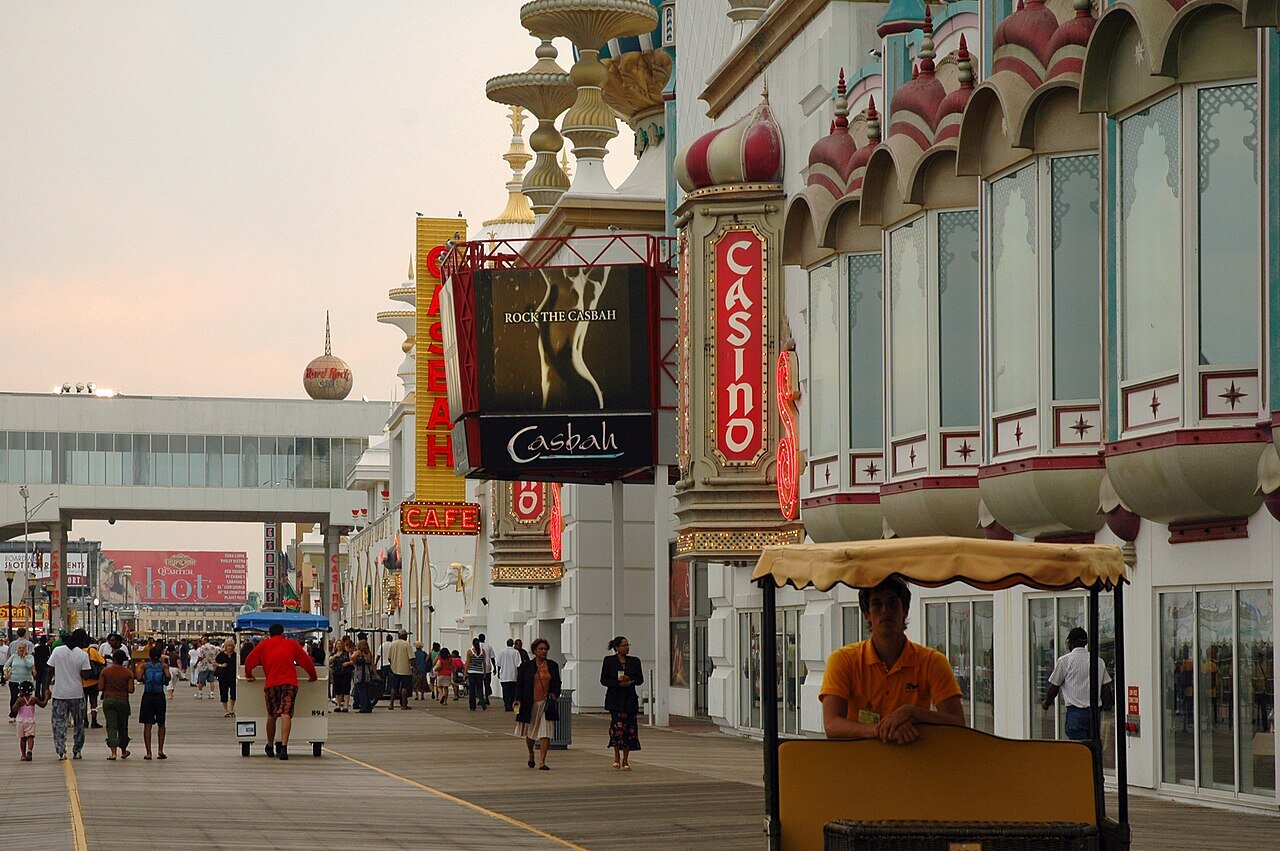
Trump didn’t just build in Manhattan — he conquered Atlantic City. By the late 1980s, he owned three casinos: Trump Plaza, Trump’s Castle, and the crown jewel, the Trump Taj Mahal. When the Taj opened in April 1990, it was the largest casino in the world, a gaudy, magnificent temple to gambling excess that cost nearly a billion dollars to build.
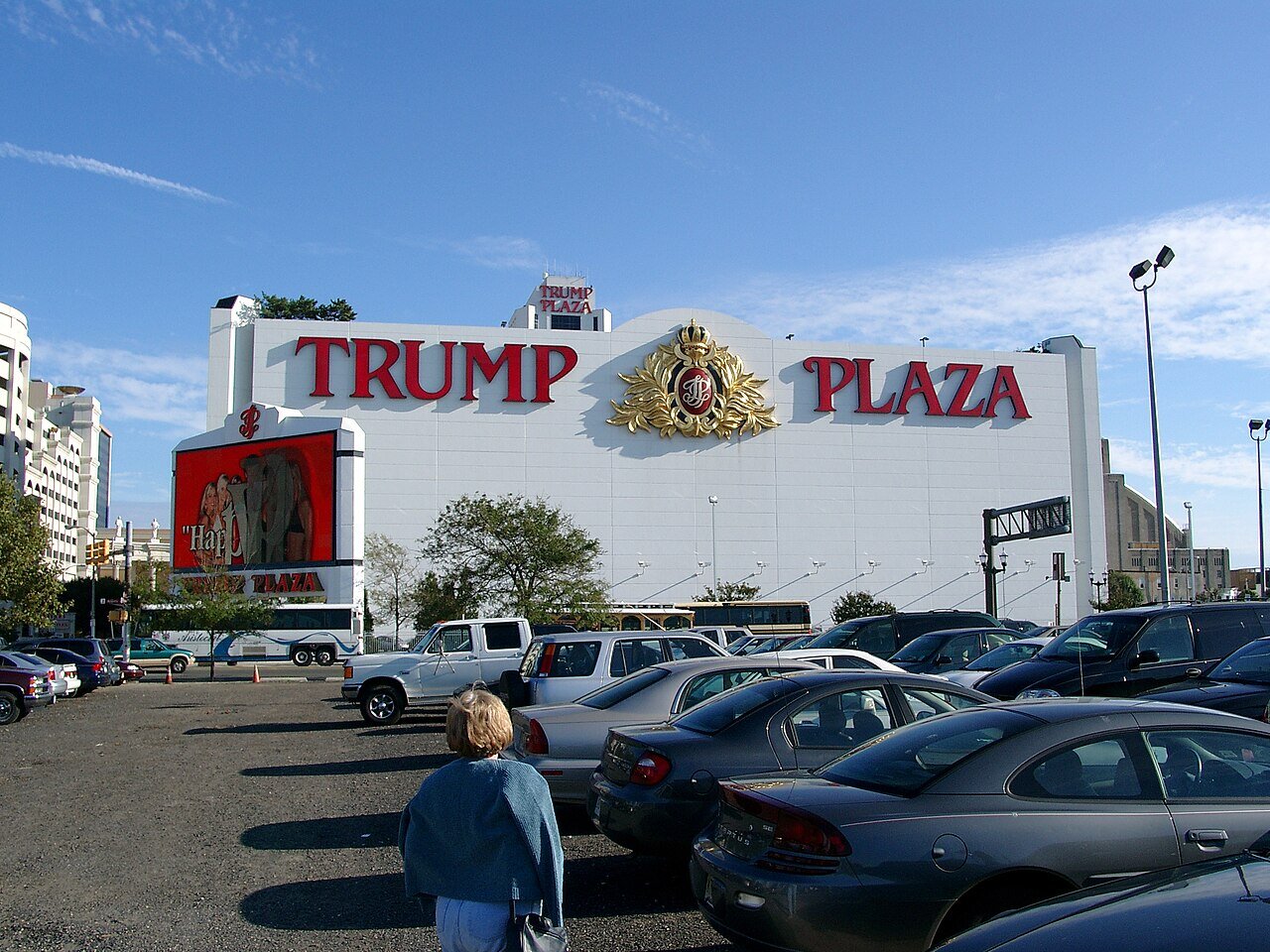
The Taj Mahal was everything Trump stood for, dialed up to eleven. Imported Italian marble, crystal chandeliers the size of Buicks, and enough neon to be visible from space. It was like someone described Las Vegas to an alien and the alien built it with unlimited funds and zero taste restraints. And for a brief, glittering moment, it was the place to be.
Of course, the casino empire eventually crumbled under mountains of debt — the Taj filed for bankruptcy in 1991, less than a year after opening. But this is a nostalgia piece, not a business analysis. In the late ’80s, Atlantic City was Trump’s playground, and the rest of us watched in fascination from behind our copies of USA Today.
🛒 Wear the Era — 90s Trump Hip Hop Tee
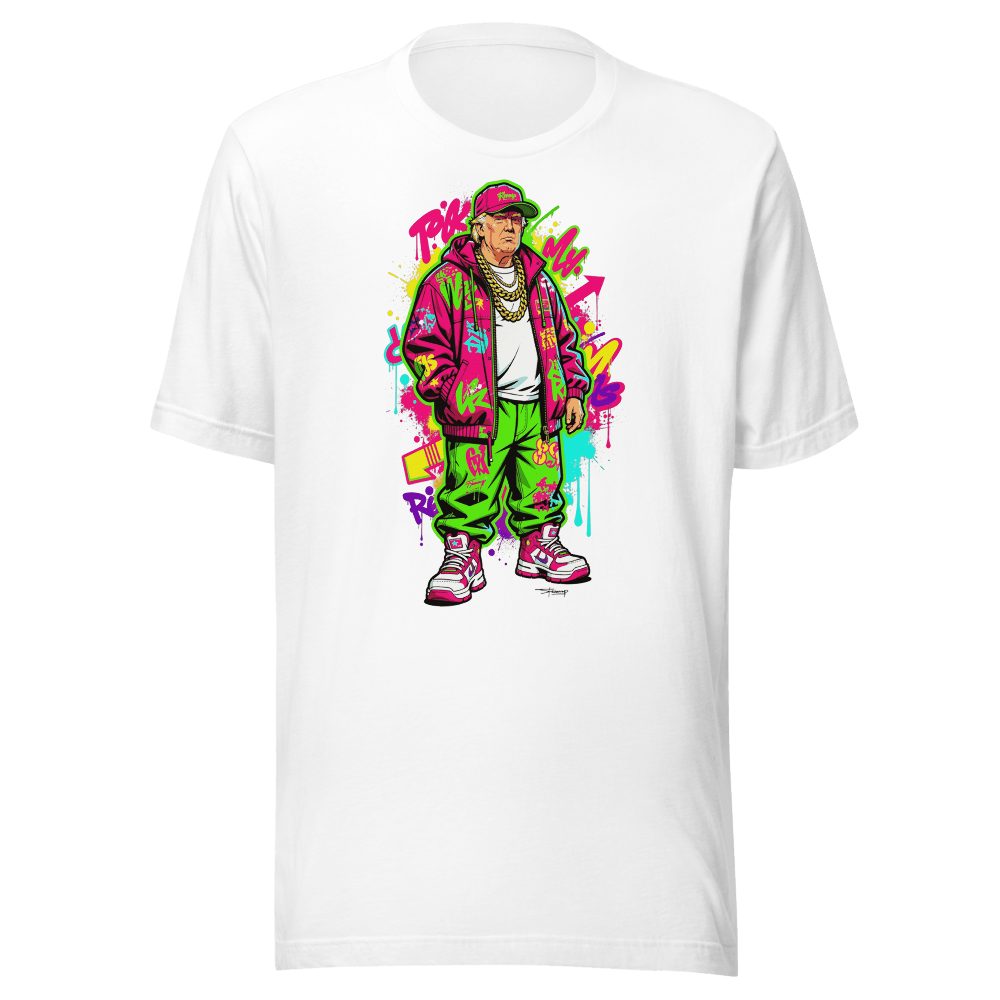
Channel peak 90s energy with this neon graffiti-style Trump tee. The loudest shirt in any room — just like the man himself.
$24.99 – $26.99
Movie Cameos: Trump’s Side Hustle as a Hollywood Extra
Here’s where Trump’s pop culture penetration gets truly wild. The man appeared in everything. Throughout the late ’80s and ’90s, Trump popped up in movies and TV shows like a real estate-themed Where’s Waldo.
His most famous cameo? Home Alone 2: Lost in New York (1992). Young Kevin McCallister (Macaulay Culkin) gets lost in the Plaza Hotel — which Trump owned at the time — and asks a well-dressed stranger for directions to the lobby. That stranger, of course, is Trump himself, delivering his one line with the casual authority of a man who literally owns the building. The scene became so iconic that it’s basically impossible to watch the movie without someone pointing at the screen and saying, “There he is!”
But that was far from his only appearance. Trump showed up in The Fresh Prince of Bel-Air (1994), playing himself in an episode where the Banks family is awestruck by his arrival. He had a memorable bit in The Little Rascals (1994), appeared in the Woody Allen film Celebrity (1998), and made countless other cameos throughout the decade.
Directors and producers wanted Trump in their projects for one simple reason: everybody knew who he was. He was shorthand for “rich guy.” If you needed to establish that a character was wealthy or that a scene was taking place in an expensive location, you just stuck Trump in the background. It was cinematic language that everyone understood.
The Pizza Hut Commercial (and Other Greatest Hits)
Perhaps nothing captures the surreal, pre-political Trump era quite like the 1995 Pizza Hut stuffed crust commercial. In it, Trump and his ex-wife Ivana sit together eating pizza, making flirtatious jokes about “eating it the wrong way” and settling their differences over stuffed crust. It was bizarre, it was cheesy (literally), and it was perfect.
The commercial aired during the Super Bowl and became an instant classic. Here was a recently divorced couple — whose split had been the most vicious tabloid war in recent memory — hamming it up together for Pizza Hut. Only in America. Only in the ’90s. It was the kind of celebrity self-awareness that wouldn’t exist again until the internet age.
Trump also appeared in commercials for McDonald’s, Visa, and various other brands throughout the decade. He was the go-to celebrity endorser for any product that wanted to project wealth and success. The man was basically a human brand stamp.
WrestleMania and the WWE Connection
Trump’s relationship with professional wrestling goes way back. His Trump Plaza in Atlantic City hosted WrestleMania IV (1988) and WrestleMania V (1989), making him one of the most visible non-wrestling figures in the WWE universe. He sat ringside with Ivana, rubbing shoulders with Hulk Hogan, André the Giant, and Macho Man Randy Savage.
This wasn’t just a business arrangement — Trump genuinely loved the spectacle. He understood that professional wrestling was entertainment, not sport, and he respected the showmanship. Years later, this relationship would culminate in his famous “Battle of the Billionaires” match at WrestleMania 23 in 2007, but the seeds were planted right there in the late ’80s, in the neon-lit convention halls of Atlantic City.
Biff Tannen: Trump’s Accidental Cinematic Legacy
Here’s a fun piece of pop culture trivia that Back to the Future fans love: the alternate-timeline villain Biff Tannen from Back to the Future Part II (1989) was based on Donald Trump. Series writer Bob Gale confirmed it, telling The Daily Beast, “Yeah, that’s what we were thinking about.”
In the film’s dystopian alternate 1985, Biff has used a sports almanac from the future to become a wealthy, powerful casino mogul who’s turned the town of Hill Valley into a tacky, neon-drenched nightmare called “Biff’s Pleasure Paradise.” He lives in a penthouse atop his casino tower. Sound familiar?
The parallels were intentional and unmistakable: the casino empire, the gold-plated aesthetic, the loud personality, the tower with his name on it. It was a satirical take on Trump’s public persona, and it proved just how deeply embedded Trump was in the cultural consciousness of the late 1980s. You don’t get turned into a movie villain unless everyone already knows who you are.
The Gold Standard of ’80s Excess
Looking back, Trump’s pre-political fame wasn’t really about Trump himself — it was about what he represented. He was the avatar of an era that celebrated wealth without apology, that put gold on everything and asked “why not?”, that believed bigger was always better and subtlety was for suckers.
For Gen Xers and elder millennials, the Trump of our childhood was a cartoon character who happened to be real — the guy from the board game, the dude in Home Alone 2, the name on every building in Atlantic City. He was as much a part of the pop culture wallpaper as Freddy Krueger, Mr. T, and the Energizer Bunny.
Whatever you think of him now — and everybody thinks something — there’s no denying that for about fifteen years, Donald Trump was one of the most entertaining, outsized, thoroughly American characters in pop culture. He was the ’80s in human form: loud, gold-plated, and completely, unapologetically over the top.
And yeah, he ate his Pizza Hut stuffed crust backwards. Legend.
🛒 Wear the Era — 90s Trump Hip Hop Tee
Channel peak 90s energy with this neon graffiti-style Trump tee. The loudest shirt in any room — just like the man himself.
$24.99 – $26.99