
Exxon Valdez Oil Spill: The 1989 Disaster That Changed Everything
If you were alive on March 24, 1989, you probably remember the moment the news broke. A massive oil tanker had run aground in Alaska, and millions of gallons of crude oil were pouring into one of the most pristine marine environments on Earth. The Exxon Valdez disaster didn’t just devastate Prince William Sound — it seared itself into the American consciousness as the defining symbol of corporate environmental negligence for an entire generation.
For Gen Xers who grew up watching the nightly news footage of oil-soaked otters and blackened shorelines, the Exxon Valdez wasn’t just a news story. It was the moment many of us realized that the natural world could be destroyed in a single, catastrophic act of human carelessness. And 37 years later, the oil is still there.
The Ship, the Captain, and the Fatal Voyage
The Exxon Valdez was a 987-foot oil tanker, one of the largest vessels ever built on the U.S. west coast when it was delivered to Exxon Shipping Company on December 11, 1986. On the evening of March 23, 1989, the tanker departed the Alyeska Pipeline terminal in Valdez, Alaska, loaded with 53 million gallons of Prudhoe Bay crude oil, bound for Long Beach, California.
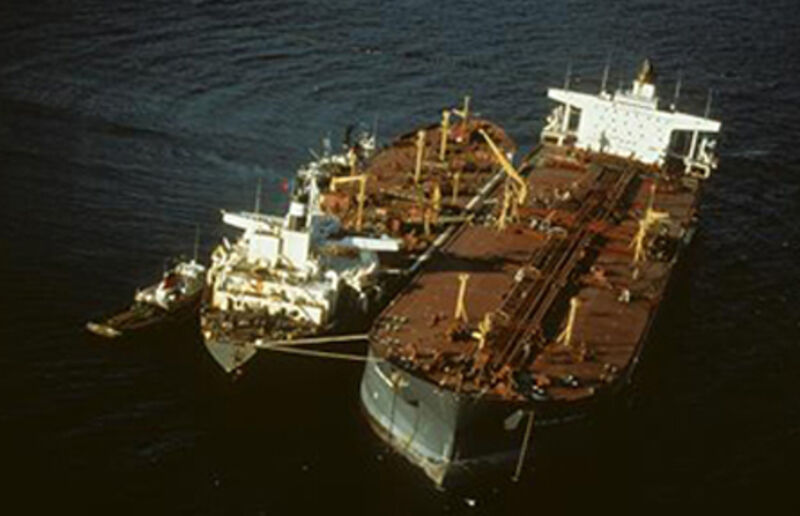
At the helm of this floating environmental time bomb was Captain Joseph Hazelwood, a veteran mariner who had received two Exxon Fleet safety awards in the years leading up to the disaster. Hazelwood was well-known within the company — and he had a problem. Despite a history of alcohol abuse that Exxon was reportedly aware of, Hazelwood remained in command of one of the company’s most important vessels.
As the tanker navigated the Valdez Narrows and entered Prince William Sound, Hazelwood made a fateful decision. To avoid icebergs that had calved from the nearby Columbia Glacier, he requested permission to move the ship out of the normal outbound shipping lane and into the inbound lane. The Coast Guard granted the request.
Then things went sideways — literally.
Hazelwood placed Third Mate Gregory Cousins in charge of the bridge and went below. Whether he was sleeping, drinking, or simply absent has been debated for decades. What’s not debatable is that Cousins, along with helmsman Robert Kagan, failed to execute a critical course correction to steer the tanker back into the shipping lane. At 12:04 AM on March 24, 1989, the Exxon Valdez struck Bligh Reef.
11 Million Gallons: The Scale of the Catastrophe
The impact ripped open 8 of the tanker’s 11 cargo tanks. Within six hours, approximately 10.8 million gallons of crude oil — the equivalent of about 125 Olympic swimming pools — gushed into the icy waters of Prince William Sound. It was, at the time, the worst oil spill in U.S. history.
To put the scale in perspective: the spill eventually contaminated approximately 1,300 miles of shoreline — roughly the distance from New York City to Miami. The oil spread across 11,000 square miles of ocean. And this wasn’t just any body of water. Prince William Sound was one of the most ecologically rich and sensitive marine environments in North America, home to abundant populations of sea otters, seals, sea lions, orcas, bald eagles, and hundreds of thousands of migratory seabirds.
The timing couldn’t have been worse. Late March was the beginning of the spring migration season. Birds were arriving by the hundreds of thousands. Herring were preparing to spawn. Sea otters were nursing their pups. The oil hit this ecosystem like a biological wrecking ball.
The Environmental Devastation
The death toll was staggering and almost incomprehensible in its scope:
- 250,000 seabirds killed, including murres, cormorants, and harlequin ducks
- 2,800 sea otters — animals whose dense fur, once contaminated with oil, loses its insulating properties, leading to hypothermia and death
- 300 harbor seals
- 250 bald eagles
- Up to 22 killer whales from two resident pods
- Billions of salmon and herring eggs
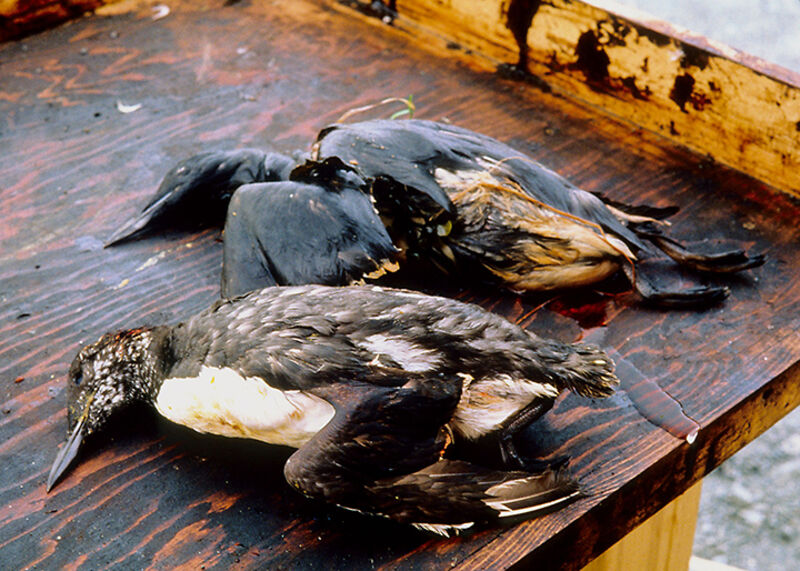
The images that flooded television screens across America were gut-wrenching. Dead birds coated in thick black crude. Sea otters struggling to clean themselves, their fur matted and useless against the freezing Alaskan waters. Eagles too contaminated to fly. For anyone who grew up in the era of Saturday morning cartoons and Captain Planet, this was real-life environmental horror playing out on the evening news.
The killer whale populations were particularly haunting. The AB Pod — a group of resident orcas that scientists had been studying — lost 33% of its members in the 18 months following the spill. The AT1 Transient group suffered a devastating 40% population crash, dropping from 22 individuals to as few as 7. That group has never recovered and may eventually go extinct.
The Cleanup: Too Little, Too Late
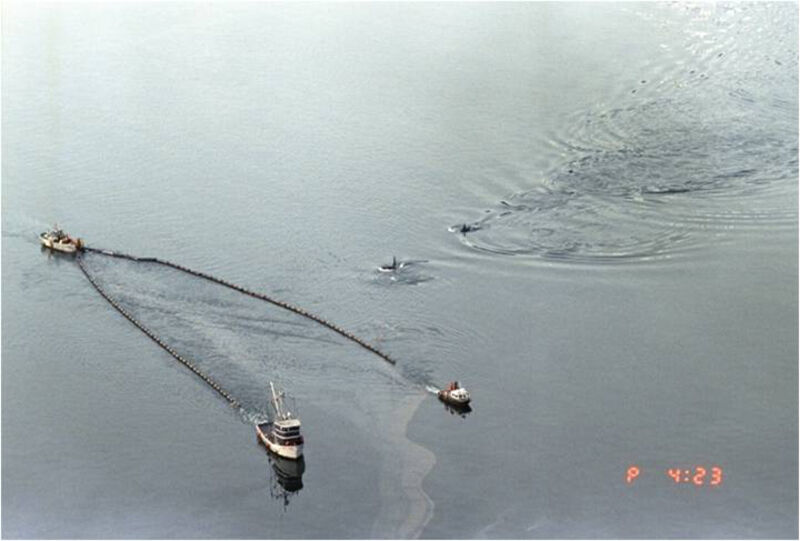
If the spill itself was a catastrophe, the response was a masterclass in unpreparedness. Exxon and the Alyeska Pipeline Service Company — the consortium that operated the Trans-Alaska Pipeline and was supposed to have oil spill response plans in place — were caught flat-footed.
The barge that was supposed to be loaded with oil spill response equipment? It had been unloaded to make room for repairs. The response team that was supposed to spring into action? It had been disbanded as a cost-cutting measure. It took more than 10 hours for the first cleanup equipment to reach the stricken tanker.
By then, a storm had moved in, spreading the oil far beyond any hope of containment.
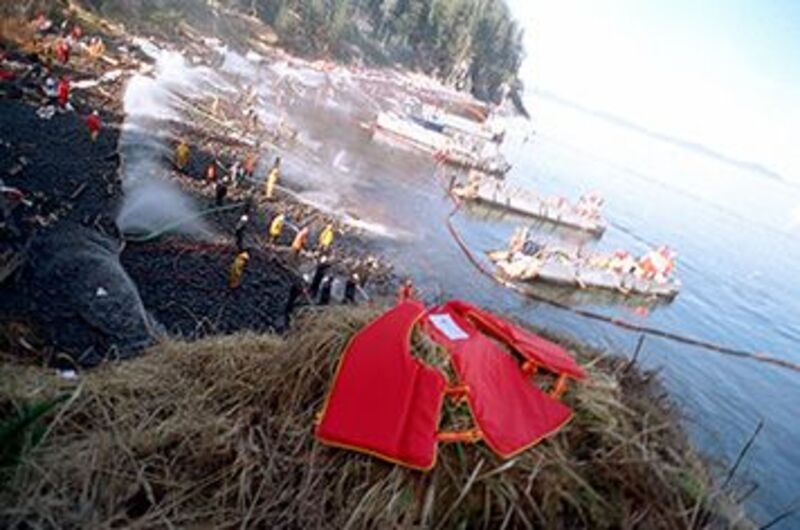
At the peak of the cleanup effort, more than 11,000 workers, 1,400 vessels, and 85 aircraft were deployed across the region. Workers tried everything: chemical dispersants (largely ineffective due to rough seas), mechanical skimmers, sorbent booms, and the controversial high-pressure hot water washing technique, which blasted oil off rocks at temperatures up to 140°F. While visually dramatic, scientists later discovered that the hot water treatment actually killed more marine organisms in the intertidal zone than it saved, essentially sterilizing the shoreline.
The cleanup continued through the summers of 1989, 1990, and 1991. Exxon spent approximately $2.1 billion on the effort. Despite this massive operation, only about 14% of the oil was ever recovered. The rest evaporated, dispersed, biodegraded — or sank into the beaches and sediment, where much of it remains to this day.
The workers themselves paid a heavy price. Many of the “Valdez Zombie Army,” as cleanup workers were sometimes called, experienced respiratory problems, neurological issues, and other health effects from prolonged exposure to crude oil and chemical dispersants like Corexit. Some never fully recovered.
The Legal Battle: Exxon vs. Everyone
Captain Hazelwood was charged with several crimes, including operating a vessel while intoxicated. In a verdict that shocked many, he was acquitted of the most serious charges and convicted only of a misdemeanor — negligent discharge of oil. He was sentenced to 1,000 hours of community service picking up trash along Alaska’s highways.
The civil case was far more consequential. In 1994, a federal jury awarded $5 billion in punitive damages against Exxon — one of the largest such awards in American history. Exxon fought the verdict relentlessly through the courts for 14 years. In 2008, the U.S. Supreme Court slashed the punitive damages to just $507.5 million, roughly equal to the interest Exxon had earned on the $5 billion it had set aside during the appeals process. The company essentially paid nothing in real terms.
In addition to the punitive damages battle, Exxon and the Alyeska Pipeline Service Company reached a civil settlement in 1991, agreeing to pay $900 million over 10 years to fund environmental restoration. Exxon also paid $100 million in criminal fines — at the time, the largest such fine ever imposed for an environmental crime.
For the fishermen, Native Alaskan communities, and small business owners whose livelihoods were destroyed, the legal process was agonizing. Many died before seeing a dime. The political landscape of the late 1980s, dominated by deregulation and corporate-friendly policies, meant the deck was stacked against individual plaintiffs from the start.
The Legacy That Changed Everything
If there’s a silver lining to the Exxon Valdez disaster, it’s the sweeping regulatory changes it inspired. The Oil Pollution Act of 1990 (OPA 90) was signed into law by President George H.W. Bush on August 18, 1990. Among its key provisions:
- Double-hull requirement: All new oil tankers operating in U.S. waters must be built with double hulls, providing a second layer of protection against rupture. The final deadline for phasing out single-hull tankers was January 1, 2015.
- Improved response planning: Companies must maintain detailed oil spill response plans and equipment.
- Increased liability: The responsible party pays for cleanup costs and damages, with higher liability limits.
- Natural Resource Damage Assessment: Federal and state agencies gained authority to evaluate the full environmental impact of spills and require restoration.
- The Exxon Valdez clause: The law specifically barred from Prince William Sound any vessel that had spilled more than 1 million gallons of oil after March 22, 1989 — which meant exactly one ship: the Exxon Valdez.
The double-hull requirement alone has been credited with preventing numerous potential disasters. When the Norwegian tanker SKS Satilla struck a submerged oil rig in the Gulf of Mexico in 2009, sustaining a massive gash in its hull, it didn’t spill a single drop of oil — thanks to its double-hull construction.
The Oil Is Still There
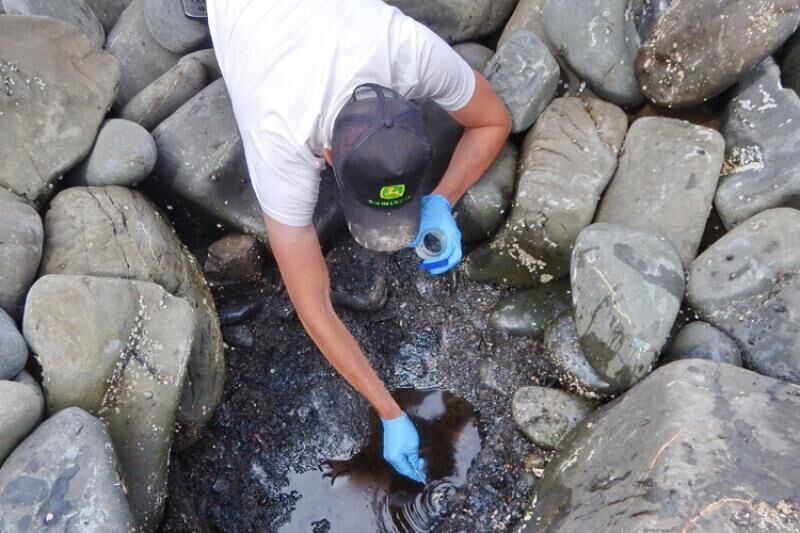
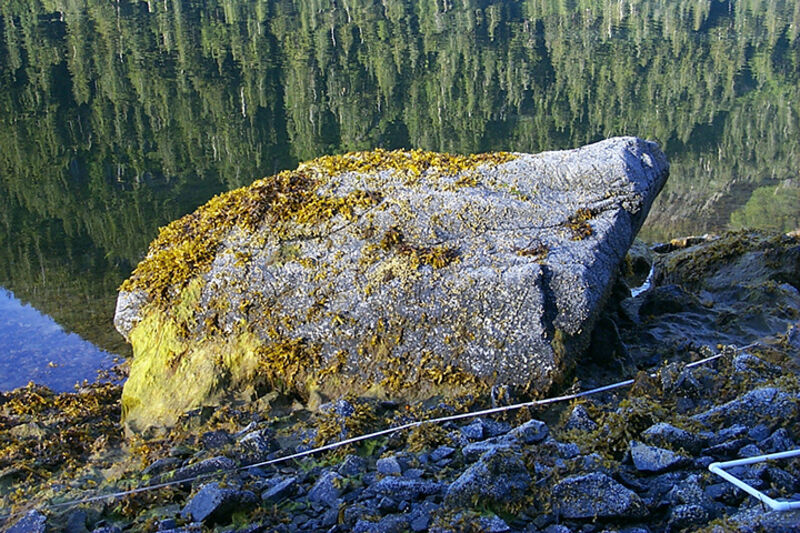
Perhaps the most sobering aspect of the Exxon Valdez story is how long the damage has persisted. Decades after the spill, scientists studying Prince William Sound have found pockets of crude oil still lurking beneath the surface of beaches throughout the region. This “lingering oil” has proven far more persistent than anyone predicted in 1989.
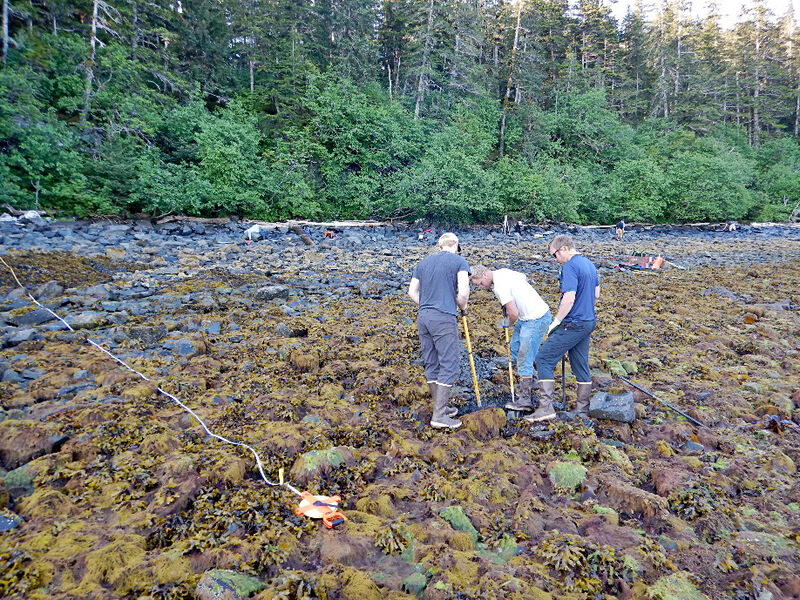
NOAA scientists have documented that when you dig just a few inches below the surface on certain beaches, you can still find pools of toxic crude oil that look nearly as fresh as the day they were deposited. A 2007 study estimated that approximately 26,000 gallons of oil were still present in Prince William Sound — degrading at a rate of only about 4% per year.
Some species have recovered. Sea otters were finally declared recovered in 2013 — 24 years after the spill. Pacific herring, pigeon guillemots, and certain sub-populations of killer whales remain listed as “not recovering” by the Exxon Valdez Oil Spill Trustee Council. The AT1 Transient orca pod, down to fewer than 10 individuals, is functionally doomed to extinction.
What the Exxon Valdez Taught Us
The Exxon Valdez disaster remains one of those watershed moments in American history — like the banning of lawn darts, it was a tragedy that forced a fundamental rethinking of how we regulate safety. But unlike a consumer product recall, the Exxon Valdez involved an entire ecosystem that can never be fully replaced.
For those of us who grew up in the 1980s, the images from Prince William Sound were a harsh introduction to the consequences of industrial negligence. We learned that corporations would cut corners on safety, that governments were often unprepared for disasters, and that when the oil hits the water, there’s no putting the genie back in the bottle.
The disaster also sparked the modern environmental movement in ways that are still felt today. It radicalized a generation of activists, inspired stricter regulations worldwide, and established “Exxon Valdez” as shorthand for corporate environmental destruction — a reference that still resonates nearly four decades later.
On this anniversary, it’s worth remembering not just the scale of what was lost, but the communities that were forever changed: the fishing villages that lost their livelihoods, the Native Alaskan communities whose subsistence way of life was disrupted, and the thousands of cleanup workers who sacrificed their health in a largely futile attempt to undo the undoable.
The Exxon Valdez sits at the bottom of the sea now — scrapped in India in 2012 after being renamed multiple times (Mediterranean, SeaRiver Mediterranean, S/R Mediterranean, Dong Fang Ocean) as if changing a ship’s name could wash away its history. But Prince William Sound remembers. The oil remembers. And so should we.
Sources
- NOAA Office of Response and Restoration. “Exxon Valdez Oil Spill.” response.restoration.noaa.gov.
- NOAA Damage Assessment, Remediation, and Restoration Program. “Exxon Valdez.” darrp.noaa.gov.
- Britannica. “Exxon Valdez oil spill (1989).” britannica.com.
- Federal Bureau of Investigation. “Exxon Valdez Oil Spill.” fbi.gov.
- Exxon Valdez Oil Spill Trustee Council. “Oil Spill Facts.” evostc.state.ak.us.
- NOAA Fisheries. “Lingering Oil From Exxon Valdez Spill.” fisheries.noaa.gov.
- NOAA Office of Response and Restoration. “The Legacy of the Exxon Valdez Oil Spill.” response.restoration.noaa.gov.