
How The Score Turned the Fugees Into Hip-Hop’s Unlikeliest Crossover Stars
Somewhere in the summer of 1996, it became impossible to turn on a radio without hearing a woman’s voice slide into a Roberta Flack song that was already older than most of the people buying it. The song was “Killing Me Softly With His Song.” The voice belonged to Lauryn Hill. And the group behind it, the Fugees, had spent two years prior being told by almost everyone in the music business that they didn’t have a future.
The Score, the album that carried that cover, went on to sell more than six million copies in the United States alone, win a Grammy, and do something almost no golden age hip-hop record had managed before: it got played at pop radio, adult contemporary stations, and cookouts in households that had never bought a rap album in their lives. It also, quietly and almost immediately, tore the group that made it apart.
A Flop Called Blunted on Reality
Before they were the Fugees, Wyclef Jean, Pras Michel, and Lauryn Hill were the Tranzlator Crew, a group of New Jersey teenagers rehearsing in basements around South Orange and East Orange. Wyclef and Pras were cousins, both born in Haiti and raised partly in Brooklyn before their families settled in New Jersey. Lauryn, the lone American-born member, grew up a few towns over in South Orange, already known locally for acting and singing before she’d finished high school.
The Retro Almanac
A monthly roundup of "on this day" highlights from that month, decades back — plus first dibs on new retro merch drops. No spam, just the good stuff.
Their name change to the Fugees, short for “refugees,” was a direct reference to Wyclef and Pras’s immigrant roots and the slur Haitian kids had absorbed from classmates growing up. It was a reclamation before reclamation was a marketing strategy. Their 1994 debut album, Blunted on Reality, tried to fuse hardcore rap posturing with the group’s actual strengths and mostly failed to find either. It sold poorly, critics shrugged, and Columbia Records reportedly considered the group finished before a second album ever got made.
Reinventing the Sound in a New Jersey Basement
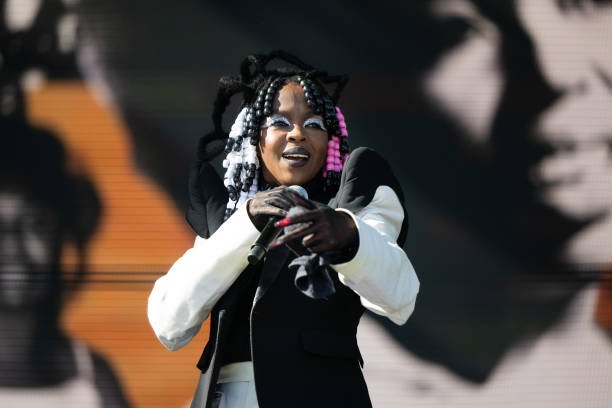
Instead of chasing the hardcore sound that wasn’t working, the group retreated to a home studio Wyclef had built in the basement of his uncle’s house in East Orange, nicknamed the Booga Basement. Working largely outside the industry’s earshot, they began stitching together a sound nobody else in golden age hip-hop was quite making: reggae basslines under boom-bap drums, soul and jazz samples, Creole patois dropped mid-verse, and skits built around a mock immigration courtroom that ran as a loose narrative thread through the album.
Lauryn Hill’s role expanded dramatically in this process. On the debut she’d been mostly a rapper trading verses. On the record that became The Score, her singing voice, trained in gospel choirs and musical theater since childhood, moved to the center of the group’s sound. That shift, more than any single production choice, is what turned the Fugees from a promising rap group into something radio programmers couldn’t easily file away.
A Cover Nobody Asked For
The Score’s first real single, “Fu-Gee-La,” did what a golden age hip-hop single was supposed to do: it built underground credibility, got spun on mixshows, and signaled the group had figured something out since their debut. But the record that changed everything almost didn’t make the album at all.
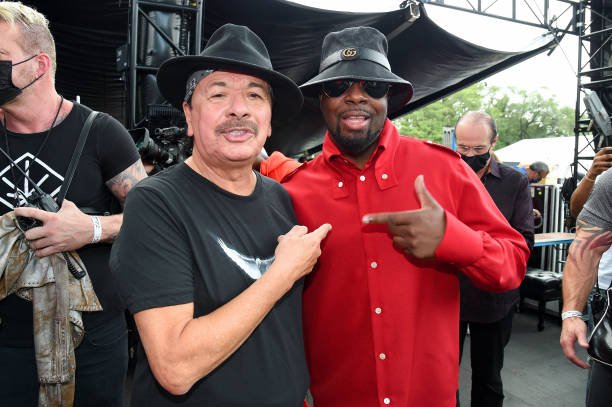
“Killing Me Softly With His Song” had been a number-one hit for Roberta Flack in 1973, itself adapted from a folk song by Lori Lieberman. Lauryn Hill had grown up singing the song around the house, and the group worked up a stripped-down version, built around a single sampled guitar lick and Hill’s voice, mostly for fun during studio sessions. According to accounts the group gave in interviews at the time, Wyclef initially resisted releasing a cover of a soft-soul standard as a single from a rap album, worried it would read as a stunt rather than a statement. Sony Music’s Ruffhouse imprint pushed it forward anyway.
It became inescapable. MTV put the video into heavy rotation, VH1 and adult contemporary stations picked it up, and by the back half of 1996 it had crossed further into the pop mainstream than almost any hip-hop-adjacent single of the decade. Rolling Stone and Billboard both later pointed to it as one of the defining crossover singles of the golden age era, a record that got hip-hop played in places that had never made room for it.
The Score Goes to Number One
The Score debuted at the top of the Billboard 200 in February 1996 and stayed on the charts for well over a year. By the time sales slowed down, it had gone diamond, certified for more than ten million units shipped when albums and singles were still counted separately, making it one of the best-selling hip-hop albums of the entire decade. “Ready or Not,” built around a sample from Enya’s “Boadicea,” became the group’s third major hit and drew a public dispute with Enya’s label over unauthorized sample clearance, a very golden age hip-hop problem the group settled quietly.
What made the record’s success unusual wasn’t just the sales number. It was who was buying it. The Score reached listeners who’d never bought a Wu-Tang Clan or Nas record, who came for the reggae warmth and Lauryn’s voice and stayed for verses about Haitian immigration, refugee identity, and Third World politics that a pure pop audience would rarely have encountered otherwise. The album smuggled a political conscience into households that thought they were buying easy listening.
A Grammy and a Reluctant Spotlight
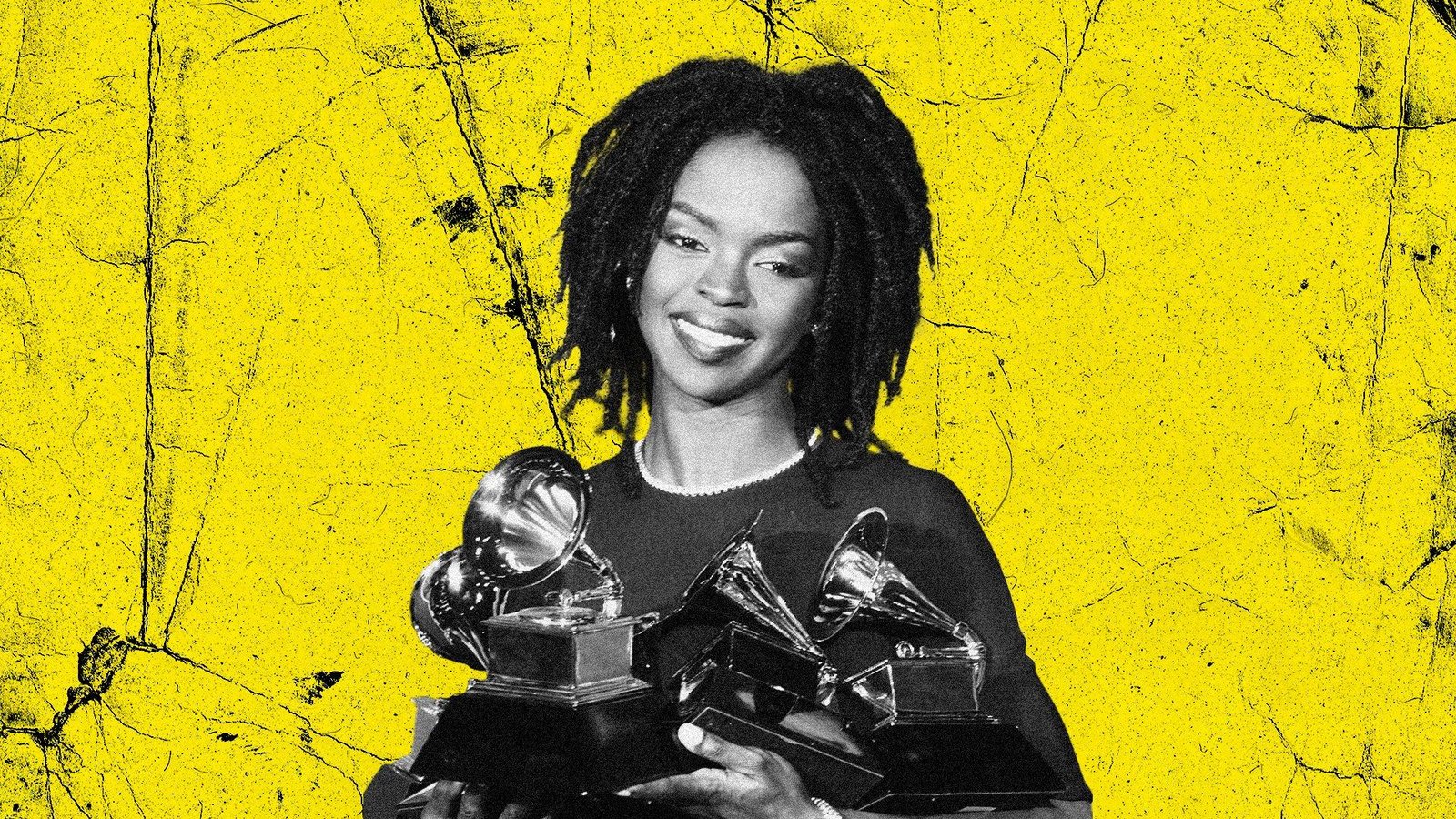
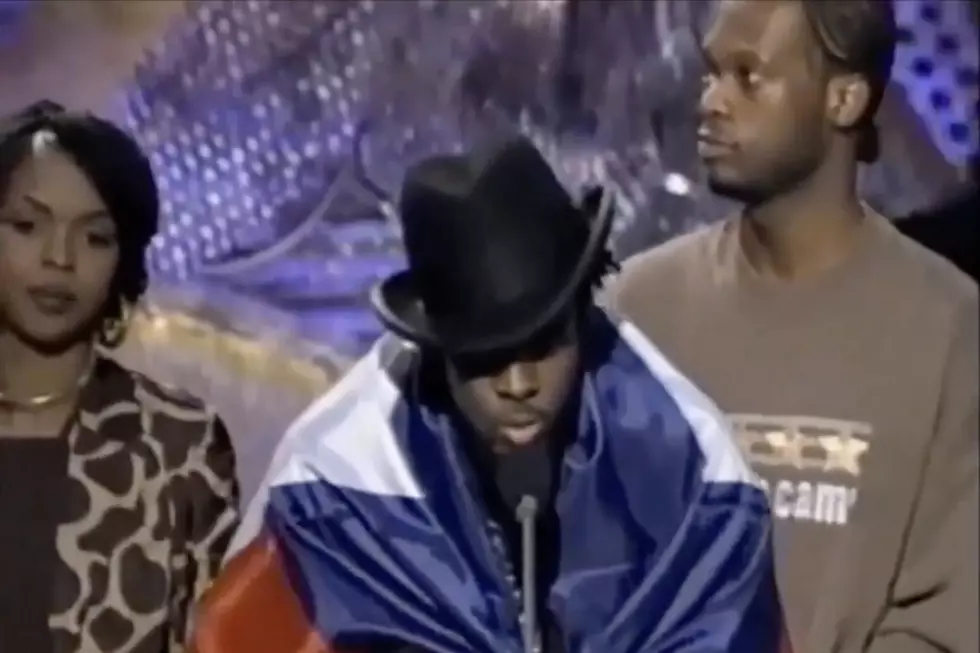
In February 1997, the Fugees won the Grammy for Best Rap Album, a category golden age hip-hop had fought hard just to get the Recording Academy to televise a few years earlier. Onstage and in interviews that followed, it was increasingly Lauryn Hill’s voice, her singing and her songwriting instincts, that critics and audiences singled out. A live acoustic performance of Bob Marley’s “No Woman, No Cry,” recorded for the album’s outro and built around Hill leading a crowd sing-along, became a fan favorite in its own right and hinted at where her career was headed.
The attention wasn’t evenly distributed, and that imbalance mattered. Wyclef had built the sound, produced most of the record, and shaped the group’s identity from the Booga Basement outward. Pras had been there since the Tranzlator Crew days. But it was Hill’s face and voice that magazines wanted on their covers, and the gap between the group’s collective work and its increasingly singular spotlight started to show.
The Relationship Nobody Was Supposed to Know About
Adding to the strain was something the group kept out of interviews at the time: a romantic relationship between Hill and Wyclef Jean, who was married, that both later confirmed years afterward in separate interviews and in Hill’s own songwriting. Whatever was happening privately between the group’s two most visible members played out publicly through the tension in how The Score’s success got credited and covered, and by the time the world tour behind the album wrapped in 1997, the three had effectively stopped working together as a unit.
There was no dramatic breakup announcement. The Fugees simply never went back into a studio together to make a proper follow-up to The Score. A handful of reunion shows and one shelved studio attempt happened over the following decade, but the group that had just made one of the best-selling records of the golden age hip-hop era quietly stopped being a going concern less than eighteen months after reaching number one.
Miseducation and the Quiet Breakup
In 1998, Lauryn Hill released The Miseducation of Lauryn Hill as a solo artist, an album that drew directly on the fallout from the Fugees years, including her relationship with Wyclef, and went on to win the Grammy for Album of the Year, the first hip-hop-rooted album ever to do so. It outsold The Score in its opening week alone. Wyclef, meanwhile, launched his own solo career with The Carnival that same year, drawing on the same reggae-soul-rap fusion the Fugees had pioneered together.
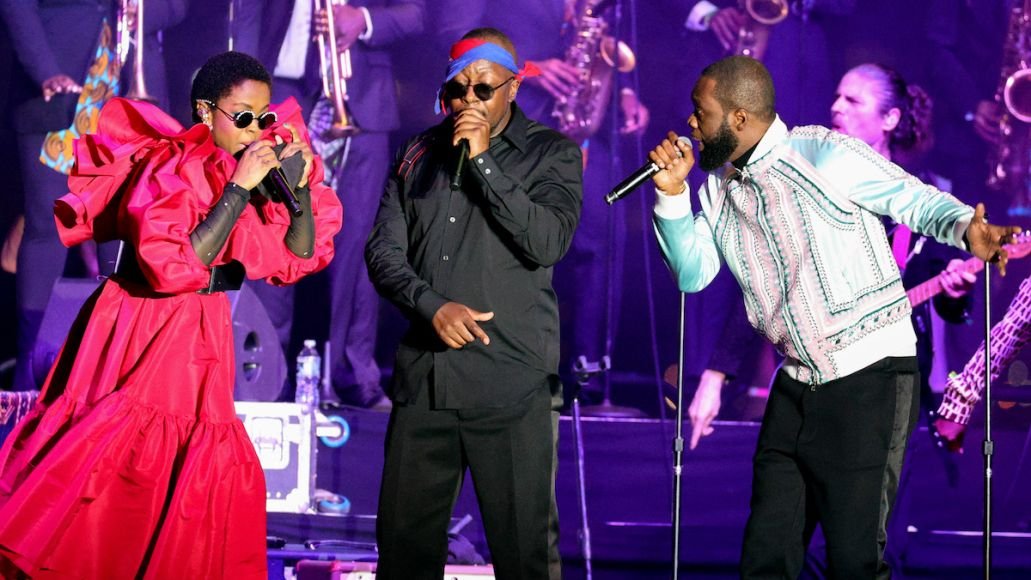
The group reconvened briefly for a 2004 VH1 special and a short-lived 2005 reunion tour that ended early amid the same interpersonal friction that had broken them up in the first place. They have periodically teased new music and reunion shows in the years since, including festival dates, but the studio partnership that produced The Score has never been fully rebuilt.
Why The Score Still Matters
Thirty years on, The Score remains a strange outlier in the golden age hip-hop catalog precisely because of how far it traveled. It didn’t soften its politics to cross over, and it didn’t abandon hip-hop’s structure to chase pop radio. It just proved, at a scale few golden age records ever matched, that an audience existed for rap records that sang as much as they rhymed, that sampled reggae as comfortably as soul, and that talked openly about refugee identity to millions of listeners who’d never thought about the word before.
The group’s breakup, messy and quiet at once, has almost become part of the record’s legend. A trio that couldn’t stay together long enough to make a second classic left behind one album that did more to widen hip-hop’s audience than most artists manage across an entire career. That’s the paradox The Score still holds: one of the golden age’s most unifying records was made by a group that could barely hold itself together long enough to finish making it.
Sources
The Retro Almanac
A monthly roundup of "on this day" highlights from that month, decades back — plus first dibs on new retro merch drops. No spam, just the good stuff.