Kurt Cobain’s $334,000 Cardigan Predicted the 2020s Grunge Comeback
In October 2019, an olive-brown mohair cardigan with five small cigarette burns on the sleeve and what may or may not have been Kurt Cobain’s DNA still stuck to its fibers sold at Julien’s Auctions in New York for $334,000. The buyer was an Australian businessman who already owned another piece of Cobain memorabilia. The seller wanted it gone. The world watched and decided, quietly, that a thrift-store sweater with holes in it was now worth more than a Lexus.
That auction did not start the 2020s grunge resurgence. But looking back five years later, it might be the cleanest line we can draw between the moment grunge stopped being a punchline and the moment it became, again, the most-copied silhouette in fashion.
The Cardigan That Defined a Genre
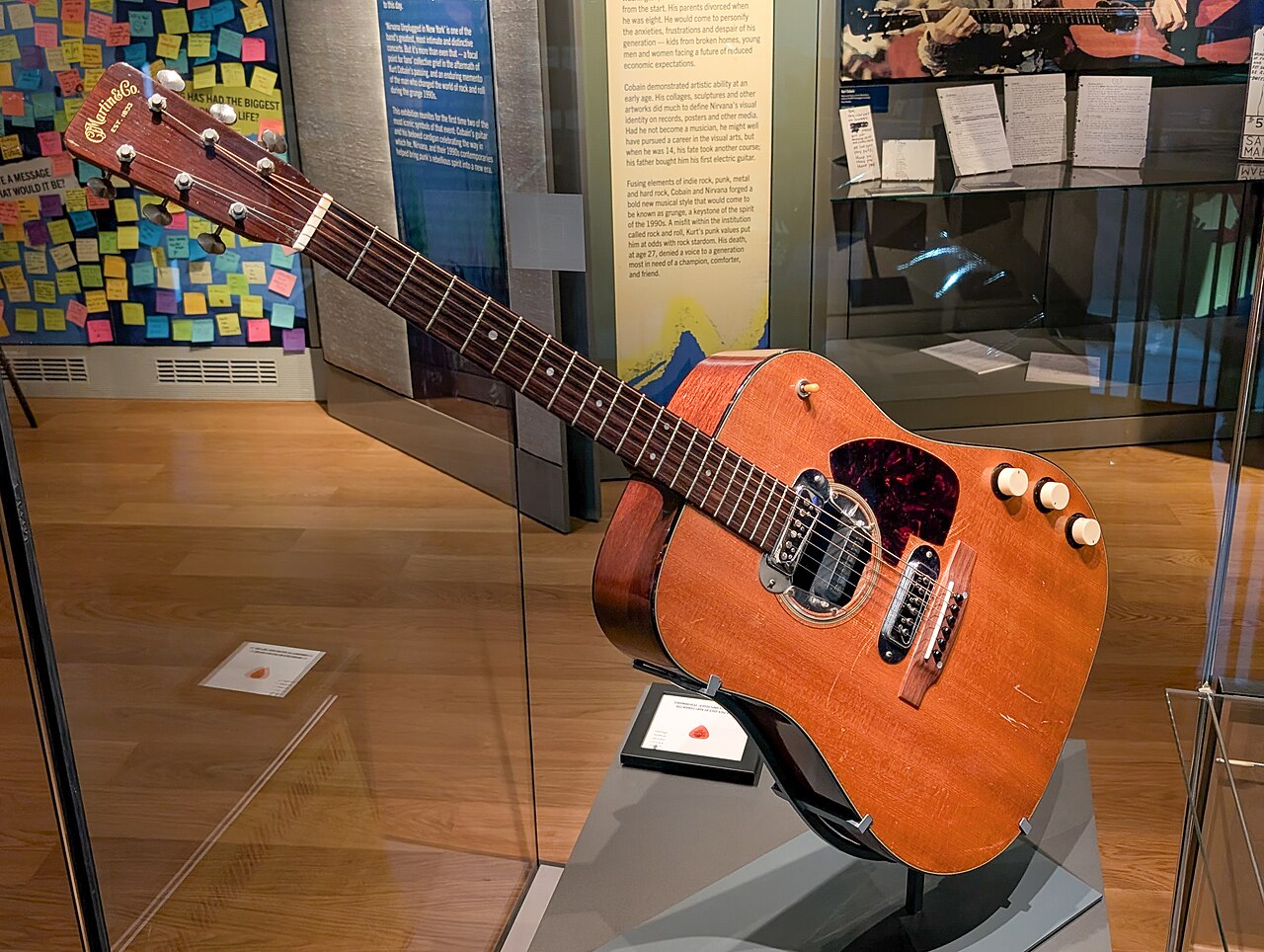
On November 18, 1993, Nirvana taped MTV Unplugged in New York at Sony Music Studios in Manhattan. Kurt Cobain wore a button-up acrylic-mohair blend cardigan in muted olive-brown that he had likely picked up at a thrift shop somewhere in the Pacific Northwest. The cardigan had five small cigarette burns. It was missing a button. It was, by every objective measure, a beat-up old man’s sweater. Five months later Cobain was dead, and that beat-up sweater became scripture.
The Retro Almanac
A monthly roundup of "on this day" highlights from that month, decades back — plus first dibs on new retro merch drops. No spam, just the good stuff.
The performance itself is now music canon — candles on the stage, white stargazer lilies arranged around the band, Cobain hunched over an acoustic guitar singing Where Did You Sleep Last Night with his voice cracking on the final verse. But the styling told its own story. Cobain wasn’t dressed for a TV taping. He was dressed like he had just walked in from a friend’s couch. The cardigan, paired with a plain T-shirt and jeans, became the visual shorthand for an entire generation: comfort over performance, secondhand over designer, broken over polished.
None of that was supposed to be a fashion statement. That is the part the 2020s revival keeps missing.
Why $334,000 Made Perfect Sense
The cardigan had been sold once before. In 2015, at the same auction house, it brought $137,500. Four years later, in 2019, the price more than doubled. The math wasn’t really about the wool, or the cigarette burns, or even the strands of hair stuck inside. It was about timing.
By 2019, the first generation of kids who had grown up after grunge — kids who watched Cobain on YouTube instead of MTV, who heard Smells Like Teen Spirit as Muzak in the cereal aisle — were old enough to spend money on the relics. Vinyl had quietly become a billion-dollar industry again. Flannel had crept back onto the racks at Urban Outfitters. Doc Martens were headed into their best sales decade since Reagan was president. The mohair cardigan was the trophy at the top of a much larger pile.
The 2020s Grunge Resurgence Wasn’t an Accident
By 2021, indie sleaze was a TikTok hashtag with hundreds of millions of views. By 2022, the grunge aesthetic had quietly eaten cottagecore alive on Pinterest. Hedi Slimane was showing layered flannels and torn tights at Celine. Heroin chic — yes, that heroin chic — was back on magazine covers under a horrified think-piece headline asking how on earth this had happened twice.
None of it happened in a vacuum. Fashion runs on roughly twenty-year cycles, give or take, and the math lined up perfectly. The kids who had been five years old when Cobain died were now thirty-five and running creative directorships. The kids born in 2000 were twenty-two, scrolling through their parents’ photo albums and finding a look that, crucially, had not been done to death by their older siblings.
TikTok Discovered What Gen X Already Knew
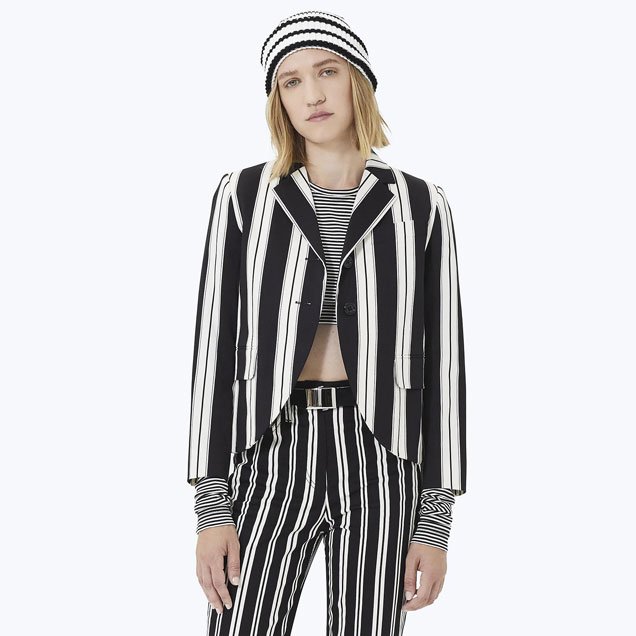
Watching Gen Z post #grungeaesthetic content felt, for anyone who actually lived through 1993, like watching someone discover a band you used to date. The flannel was right. The babydoll slip dresses were right. The combat boots were right. The smudged kohl eyeliner was, somehow, exactly right.
What was missing was the part you couldn’t post about. The boredom. The drizzling October Tuesday in a town with one record store. The fact that everybody dressed like that because it was warm, it was cheap, and your parents hated it. The 2020s version reads as edgy because nobody is actually being yelled at for wearing it.
The Marc Jacobs Connection
Marc Jacobs designed his infamous spring 1993 grunge collection for Perry Ellis at age twenty-nine. The buyers refused to stock it. The brand fired him. Twenty-five years later, in 2018, he reissued that exact collection under his own label — the silk thermals screen-printed to look like waffle henleys, the plaid flannel shirt dresses, the babydoll slip frocks — and this time it sold out. He reissued it again in the early 2020s and it sold out again.
The fashion industry had finally caught up to what a teenage Bikini Kill fan in Olympia, Washington had always known: the look worked because nobody was trying. The cosmic joke, of course, is that now everyone is trying, and somehow it still works.
What Gen X Sees That Gen Z Doesn’t
If you actually wore a thrifted cardigan to a Soundgarden show in 1992, the 2020s grunge revival is uncanny in a specific way. The clothes are correct. The meaning is upside down.
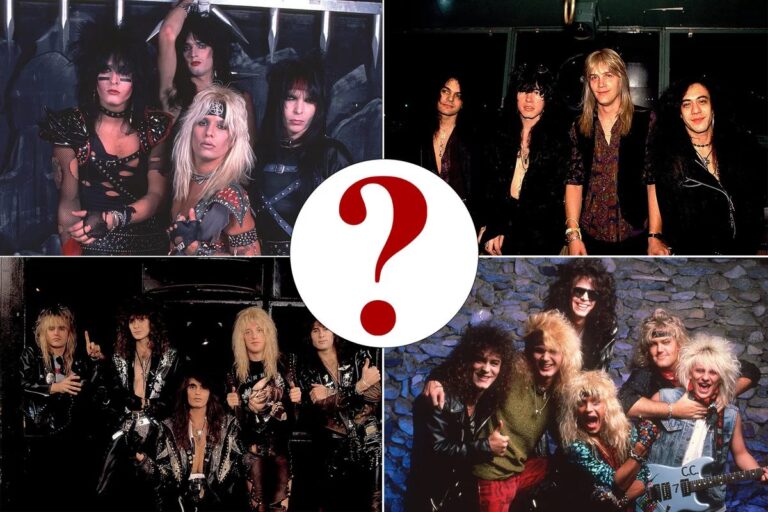
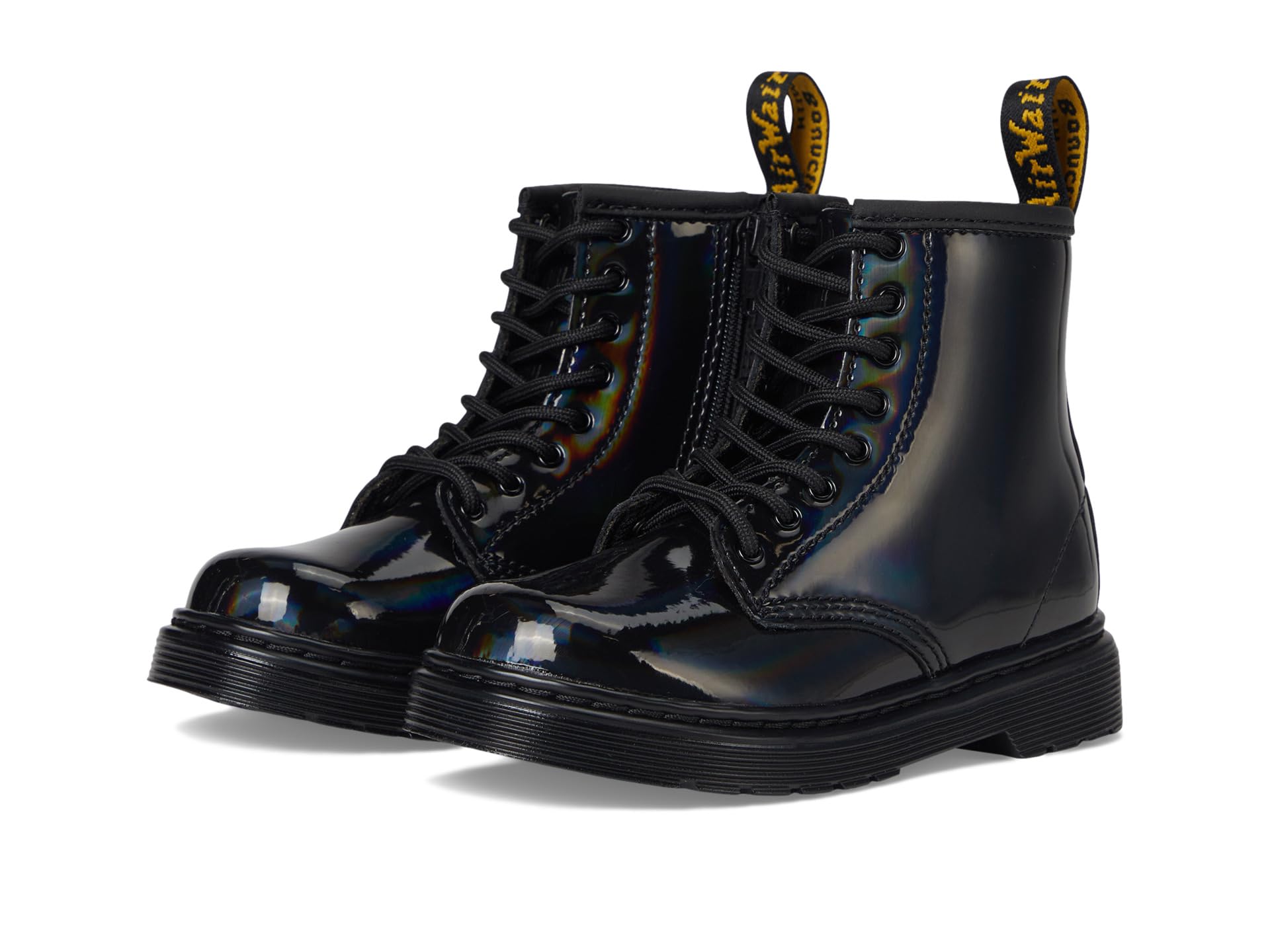
Grunge in 1992 was anti-aspirational. It was the rejection of the bright, hairsprayed, money-loud aesthetic of the late eighties — the rejection of the Whitesnake video and the Beverly Hills 90210 wardrobe and the entire idea that you were supposed to look expensive on purpose. You wore your dad’s old sweater because you were broke, or because you wanted to look broke, or because you genuinely did not care which one it was. You bought Docs because they lasted ten years and a pair of shoes that lasted ten years felt like a quiet act of class warfare. The whole point was the absence of a point.
In 2024, Gen Z buys a vintage-style mohair cardigan from Urban Outfitters for $89, pairs it with a $200 slip dress and $185 Doc Martens 1460 Pascals, and films a fit check for TikTok with a Mazzy Star song running underneath. The clothes are right. The cigarette burns are missing. So is the part where nobody filmed anything because nobody had a video camera and nobody cared.
Where the Look Lives Now
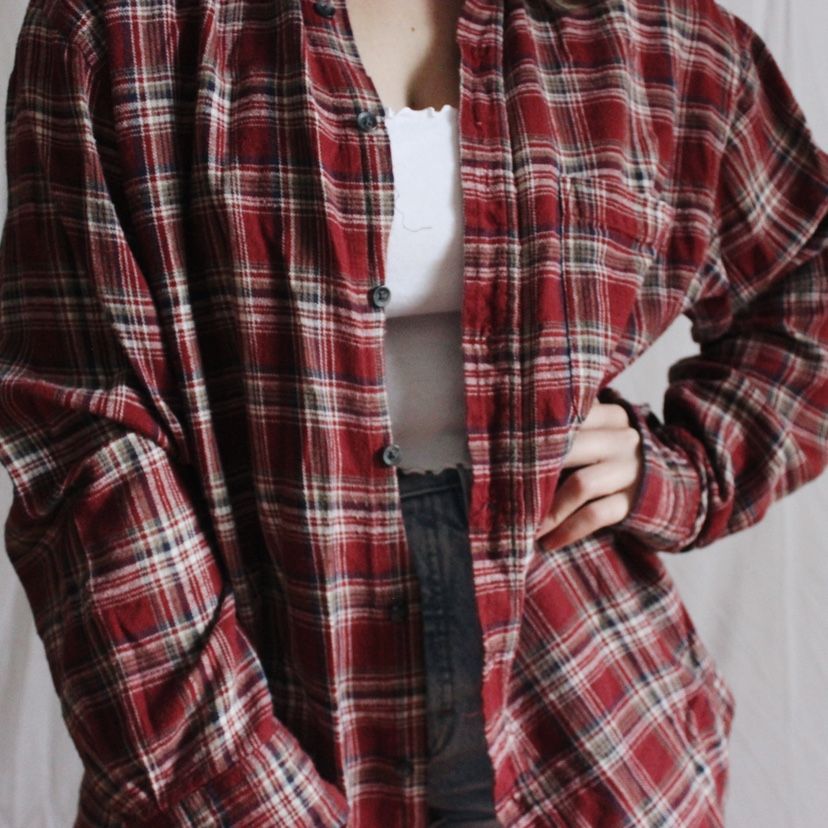
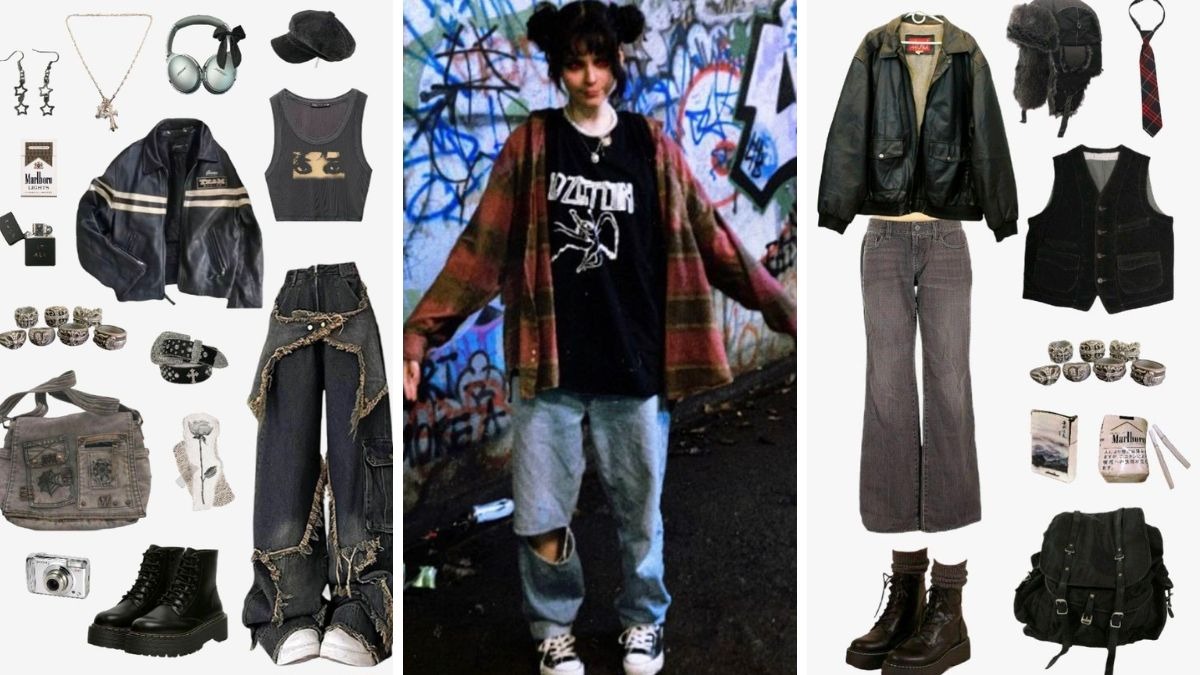
The 2020s version of grunge has split, roughly, into three lanes that often coexist on the same body.
- Faithful grunge — thrifted, beat-up, worn by people who actually own In Utero on vinyl. The closest thing to the original. Often spotted at warehouse shows and at 924 Gilman alumni events in the Bay Area.
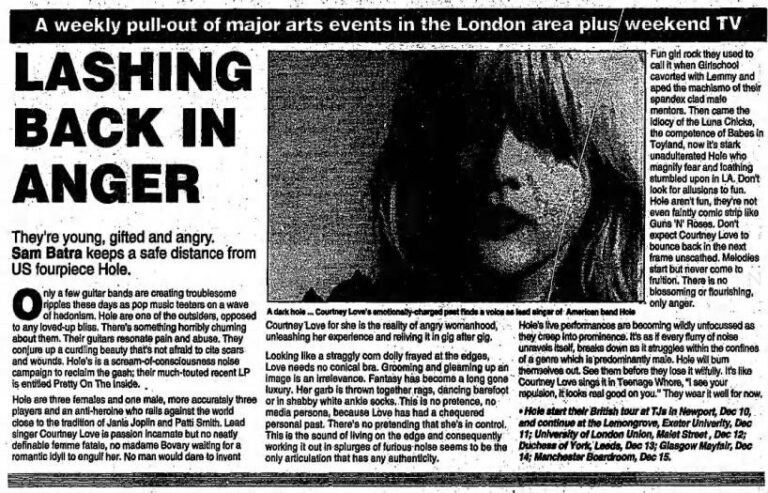
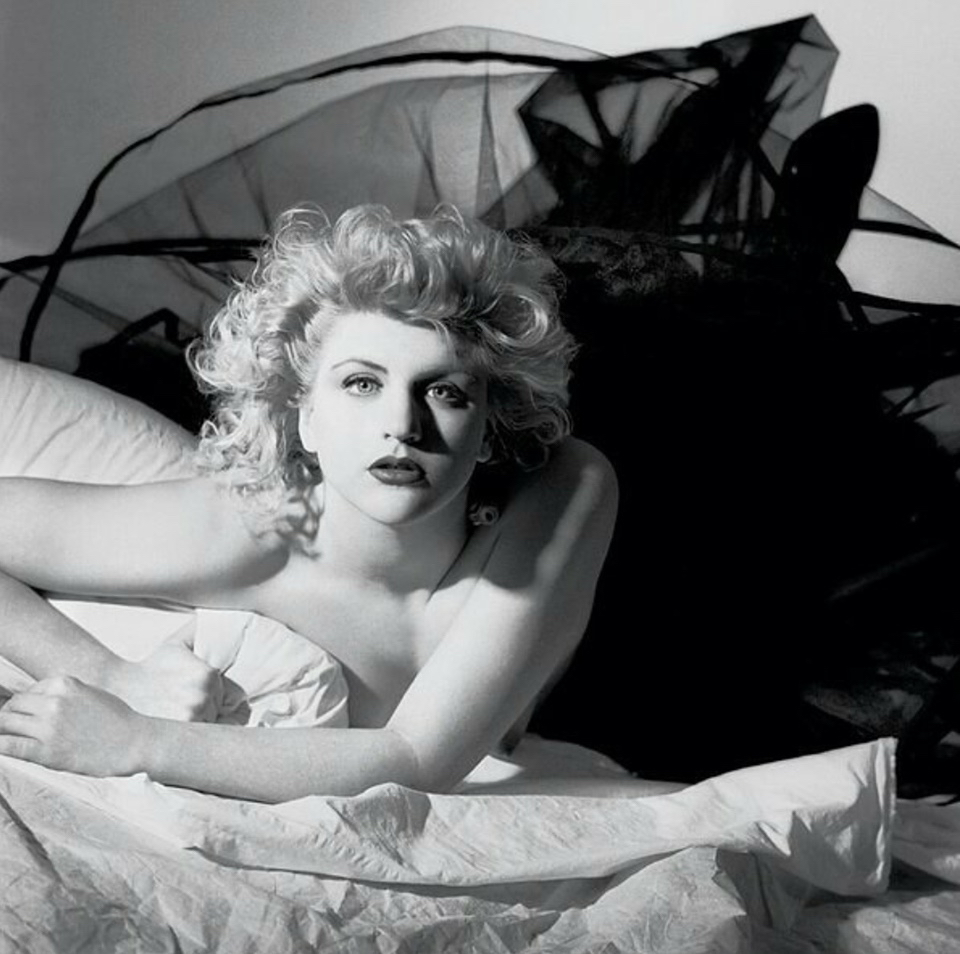
- Coquette grunge — slip dresses, lace gloves, smudged eyeliner, a baby-pink hair clip, a Lana Del Rey soundtrack. Sometimes called soft grunge or kinderwhore lite. Heavily influenced by Courtney Love circa 1993 by way of Pinterest mood boards.
- Luxury grunge — Saint Laurent and Celine selling $3,000 cashmere versions of $5 thermals. Hedi Slimane’s specialty. Worn by people who have never been inside a thrift store and would not know where to find one.
All three coexist. None of them would have made any sense to Kurt Cobain in 1993, which is, depending on your perspective, either the most damning thing about the revival or the most quintessentially grunge thing about it.
The Cardigan Became a Museum Piece
The 2019 buyer didn’t lock the cardigan in a vault. He loaned it to museums. It has since been displayed at the Rock and Roll Hall of Fame in Cleveland, the National Museum of Australia in Canberra, and several smaller institutions on tour, drawing the kind of crowds usually reserved for moon rocks. By the time it returned to public view, the resurgence was not a prediction. It was the present. Flannel was back on the cover of Vogue. Doc Martens had posted their best earnings year in over a decade. Marc Jacobs had reissued the Perry Ellis collection a second time. And somewhere in Seattle, a teenager who had not been alive when Cobain died was paying eighty dollars for a mohair cardigan with pre-distressed holes in it.
The cardigan now lives behind glass in temperature-controlled displays, which is possibly the only thing about its journey that Kurt Cobain himself would have found funny.
What Comes Next
Every revival strips the meaning and keeps the silhouette. That is not unique to grunge. The mods did it to the zoot suit. The disco kids did it to the soul-revue tuxedo. The 1990s themselves were the decade that handed us bell bottoms back, which had been someone else’s authentic counterculture twenty years earlier. The cycle is so reliable you could set a calendar to it.
The Gen X complaint — that grunge wasn’t supposed to be a look — is correct, and also irrelevant. It is now a look. It will be a look for several more years, probably until the kids who are seventeen right now turn thirty and decide they want their own decade back. By then someone will be hawking another piece of Kurt Cobain’s wardrobe for a number that makes $334,000 look like an outlet sale.
The flannel will still be flannel. The mohair will still itch. And the kids buying it will still be unable to explain, exactly, why they want to look like someone else’s bad weather. That part, at least, hasn’t changed since 1993.
Sources
- Julien’s Auctions — auction house that handled both the 2015 and 2019 sales of the cardigan
- MTV Unplugged in New York — Wikipedia
- Kurt Cobain — Wikipedia
- Marc Jacobs — Wikipedia
- Rock and Roll Hall of Fame
- Vogue
Browse retro and vintage-inspired apparel at the RetroRadical shop →
Shop on eBay
Retro Collectibles on eBay →
We may earn a commission when you shop through our eBay links.
Shop the Kurt Cobain design
Kurt Cobain Smiling Portrait Hoodie →
Kurt Cobain Vintage Portrait Tote →
The Retro Almanac
A monthly roundup of "on this day" highlights from that month, decades back — plus first dibs on new retro merch drops. No spam, just the good stuff.