Harlem Globetrotters: From Saturday Morning Cartoons to Basketball Legends
Before Michael Jordan was soaring through the air, before Magic and Bird made the NBA must-see television, there was another basketball team that dominated the cultural landscape — and they did it with comedy, impossible trick shots, and a Saturday morning cartoon. The Harlem Globetrotters were sports entertainment before anyone used that term, and for a generation of kids growing up in the ’70s and ’80s, they weren’t just basketball players. They were superheroes.
The Globetrotters’ story is one of the most fascinating arcs in American pop culture. They went from barnstorming legends who once beat the actual NBA champion Minneapolis Lakers, to Saturday morning cartoon characters solving mysteries alongside Scooby-Doo, to a nostalgia act that slowly faded as the real NBA became the greatest show on Earth. It’s a rise, a peak, and a gentle decline — and every part of it is worth remembering.
Harlem Globetrotters History — From Serious Ball to Sweet Georgia Brown
The Globetrotters started in 1926 — not in Harlem, despite the name, but in Chicago. Founded by Abe Saperstein, the team originally played competitive basketball, touring the country and dominating opponents with legitimate skill. In the segregation era, the Globetrotters were one of the few professional opportunities for Black basketball players, and they took it seriously.
Their famous 1948 victory over the Minneapolis Lakers (featuring George Mikan, the dominant center of the era) was a legitimate upset that helped prove Black players could compete at the highest level. That game is credited with helping break the NBA’s color barrier. The Globetrotters weren’t just entertainers — they were pioneers.
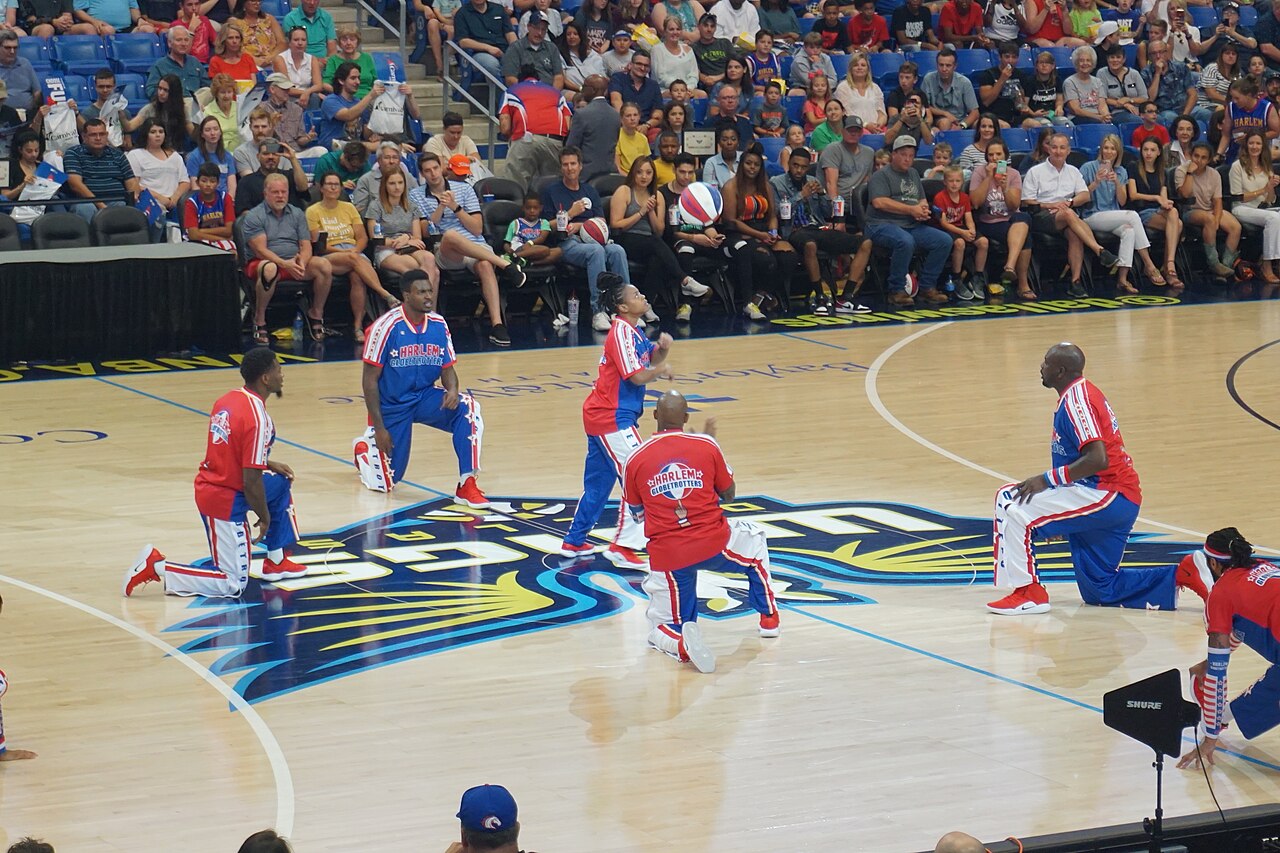
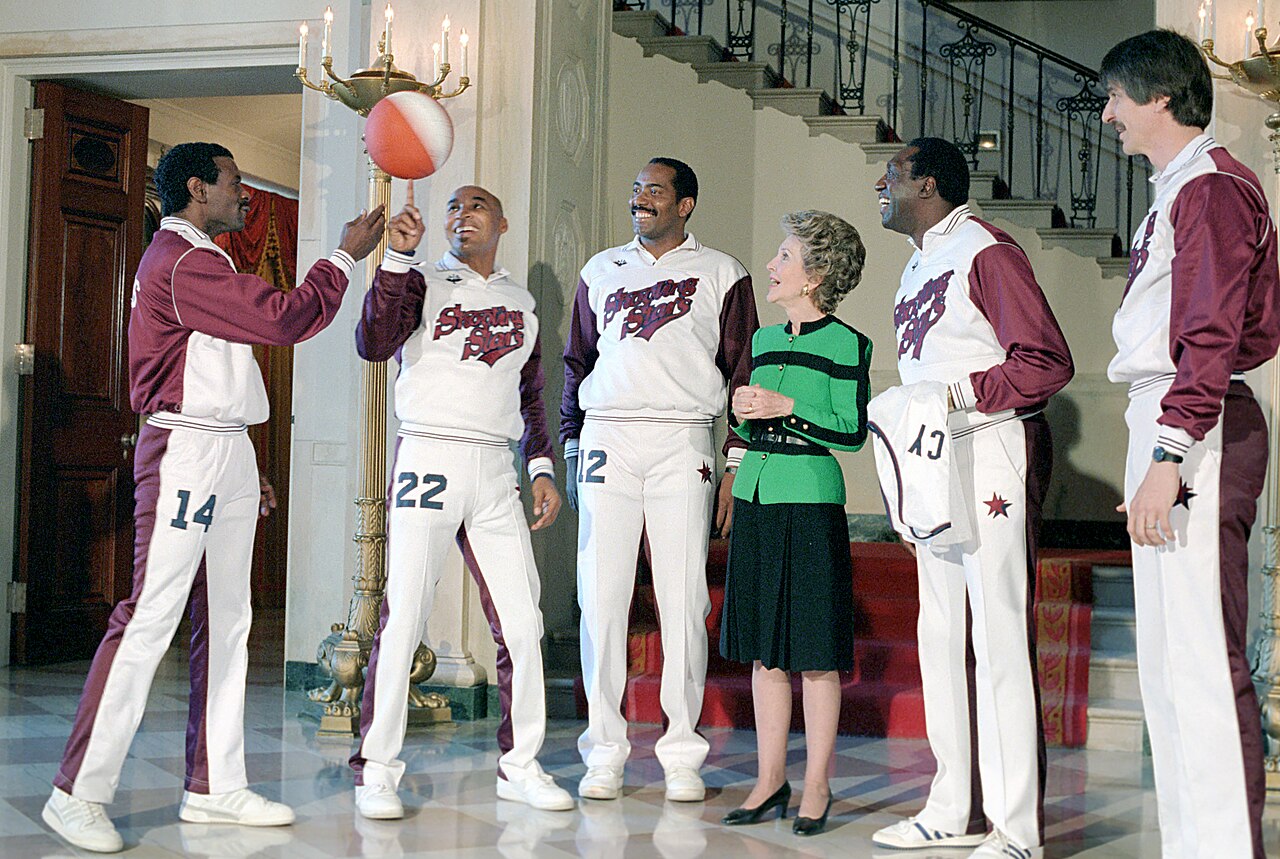
But as the NBA integrated and Black players gained access to professional leagues, the Globetrotters pivoted. They leaned into entertainment, developing the comedy basketball format that would make them world-famous. The trademark “Sweet Georgia Brown” whistling theme. The Magic Circle warm-up routine. The water bucket gag. The spinning basketball on one finger. These became their calling cards, and they were genius-level showmanship.
Meadowlark Lemon — The Clown Prince of Basketball
Meadowlark Lemon was the heart and soul of the Harlem Globetrotters during their peak cultural moment. From 1955 to 1978, Lemon was the team’s primary showman — the “Clown Prince of Basketball” who turned every game into a comedy show without ever letting you forget he was also an incredible athlete.
Lemon’s hook shot from half court was legendary. He could sink it with absurd consistency, often while facing the wrong direction or doing something else entirely ridiculous. He’d argue with refs using elaborate pantomime. He’d pull pranks on the Washington Generals (the perpetual losers hired specifically to lose to the Globetrotters) that had the crowd howling. He was part athlete, part comedian, part magician, and entirely beloved.
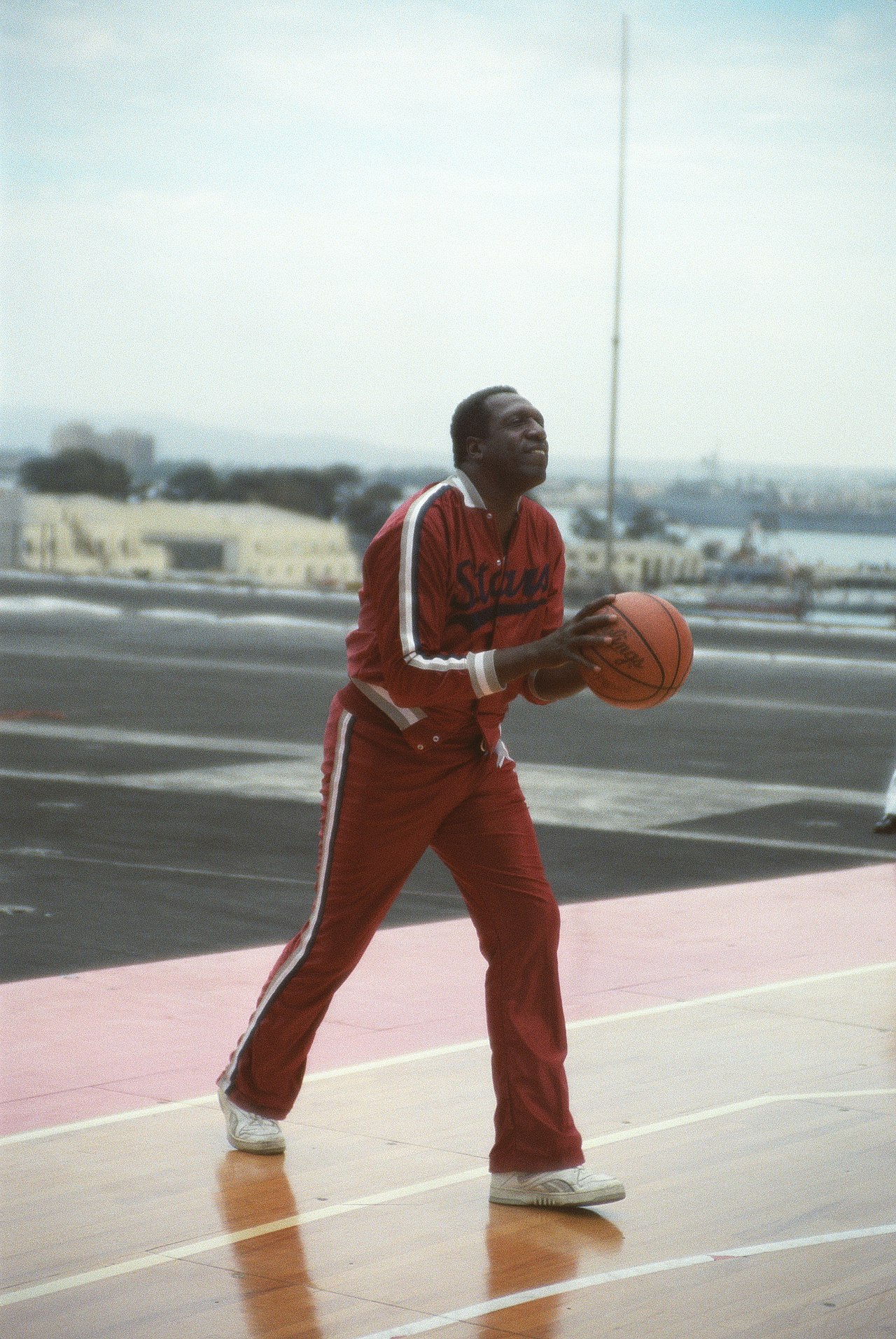
For kids watching in the ’70s and ’80s, Meadowlark Lemon was as famous as any NBA star. Maybe more famous, because he was on TV constantly — not just at games, but on talk shows, variety shows, and most importantly, Saturday morning cartoons. He was the basketball player your parents actually knew by name, even if they couldn’t tell you who won the actual NBA championship.
Curly Neal was the other household name — that unmistakable bald head, the incredible dribbling skills that seemed to defy physics. Neal could dribble a basketball while lying on his back, between his legs, around defenders, and in patterns so fast the ball seemed to be tethered to his hand by invisible string. He was the Globetrotters’ best actual basketball talent, and watching him handle the ball was genuinely jaw-dropping even by modern standards.
The Saturday Morning Cartoon — Basketball Meets Hanna-Barbera
This is where the Globetrotters became something bigger than basketball. In 1970, Hanna-Barbera produced The Harlem Globetrotters cartoon, and it ran as part of CBS’s Saturday morning cartoon lineup. The show featured animated versions of real players — Meadowlark, Curly, Geese Ausbie, Bobby Joe Mason, Pablo Robertson, and Gip Gipson — solving problems and getting into adventures that inevitably culminated in a basketball game.
The formula was beautifully simple. The Globetrotters would travel to some new town, encounter a problem (a crooked businessman, a haunted building, a misunderstanding), and resolve everything through the power of basketball and teamwork. The games were the highlight — animated trick shots that would be physically impossible even by Globetrotter standards, scored to funky ’70s music with crowd cheering sound effects.
The show ran from 1970 to 1972, but it lived in reruns for years afterward. Then in 1979, Hanna-Barbera brought them back as The Super Globetrotters — and this is where things got beautifully weird. In this version, the players had actual superpowers. Nate Branch could turn into a liquid. Curly Neal became “Super Sphere” and could roll into a ball. Twiggy Sanders could stretch his limbs. It was basically the Avengers meets basketball, and it was as unhinged as it sounds.
The Scooby-Doo Crossovers — When Worlds Collided
If you were a kid in the ’70s, the absolute peak of Saturday morning television was when the Harlem Globetrotters showed up on Scooby-Doo. The crossover episodes of The New Scooby-Doo Movies featured the Globetrotters teaming up with the Mystery Inc. gang to solve crimes, and they were pure gold.
The formula combined two beloved properties: Scooby’s mystery-solving and the Globetrotters’ basketball comedy. The villains would inevitably be unmasked (“it was the jealous janitor all along!”) after being defeated in a basketball game that somehow factored into the plot. The Globetrotters’ animated trick shots would help solve clues or escape traps. It made absolutely no logical sense and was absolutely perfect.
These crossovers cemented the Globetrotters as something more than athletes — they were cartoon characters on the same tier as Scooby-Doo himself. For a generation of kids, the Harlem Globetrotters existed simultaneously in two worlds: the real basketball court where they performed their live shows, and the animated universe where they solved mysteries and had superpowers. The line between real and cartoon was blurry, and nobody cared about clarifying it.
The Live Show — More Than Just a Game
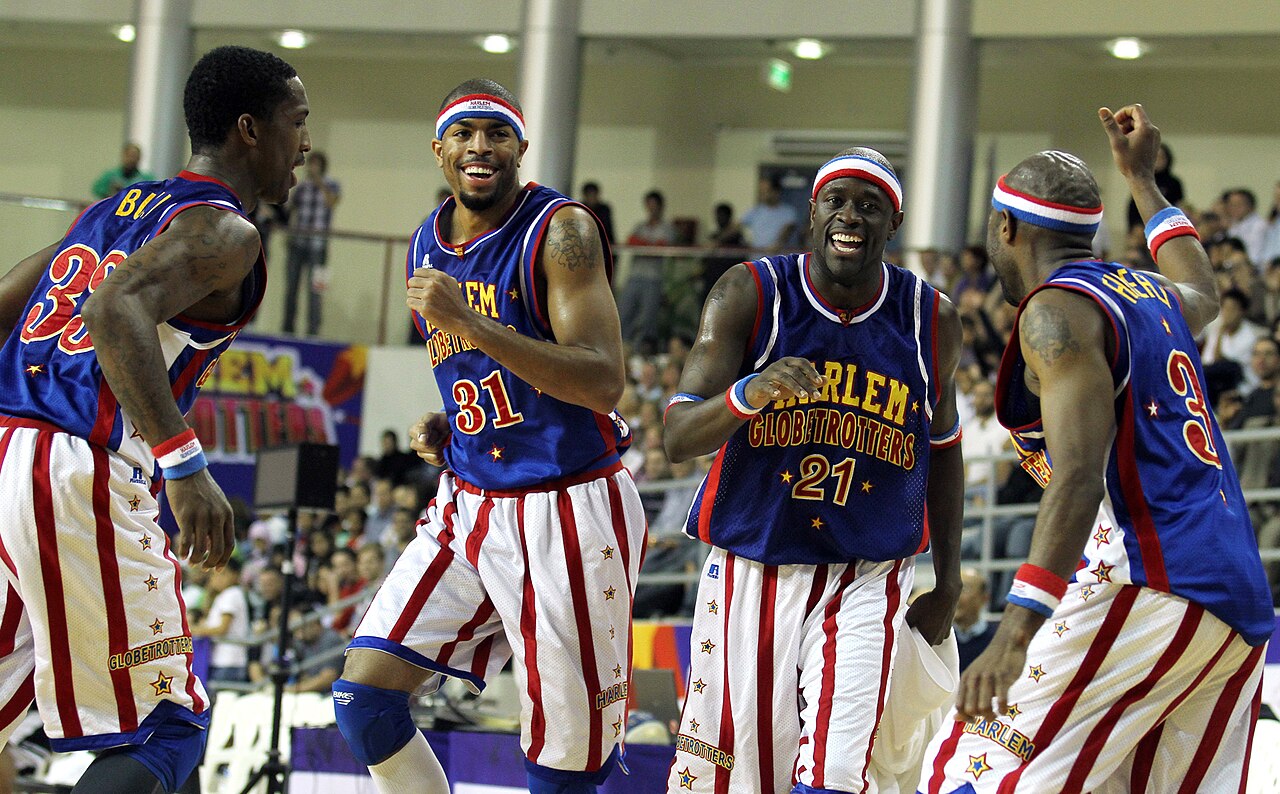
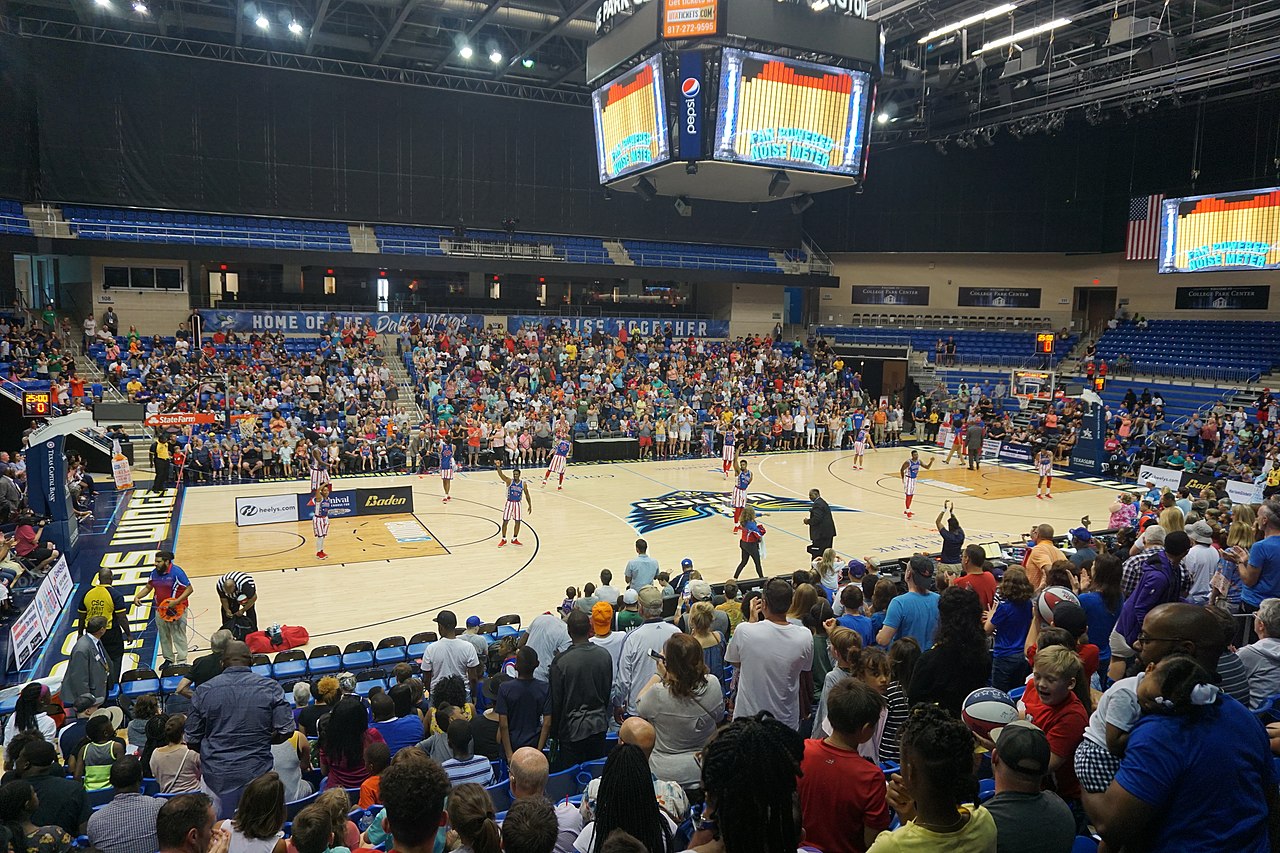
While the cartoons made the Globetrotters famous, the live shows made them legendary. A Harlem Globetrotters game was unlike any other sporting event. “Sweet Georgia Brown” would start playing, the crowd would go wild, and for the next two hours, you’d witness basketball skill, physical comedy, and audience interaction that no other entertainment could match.
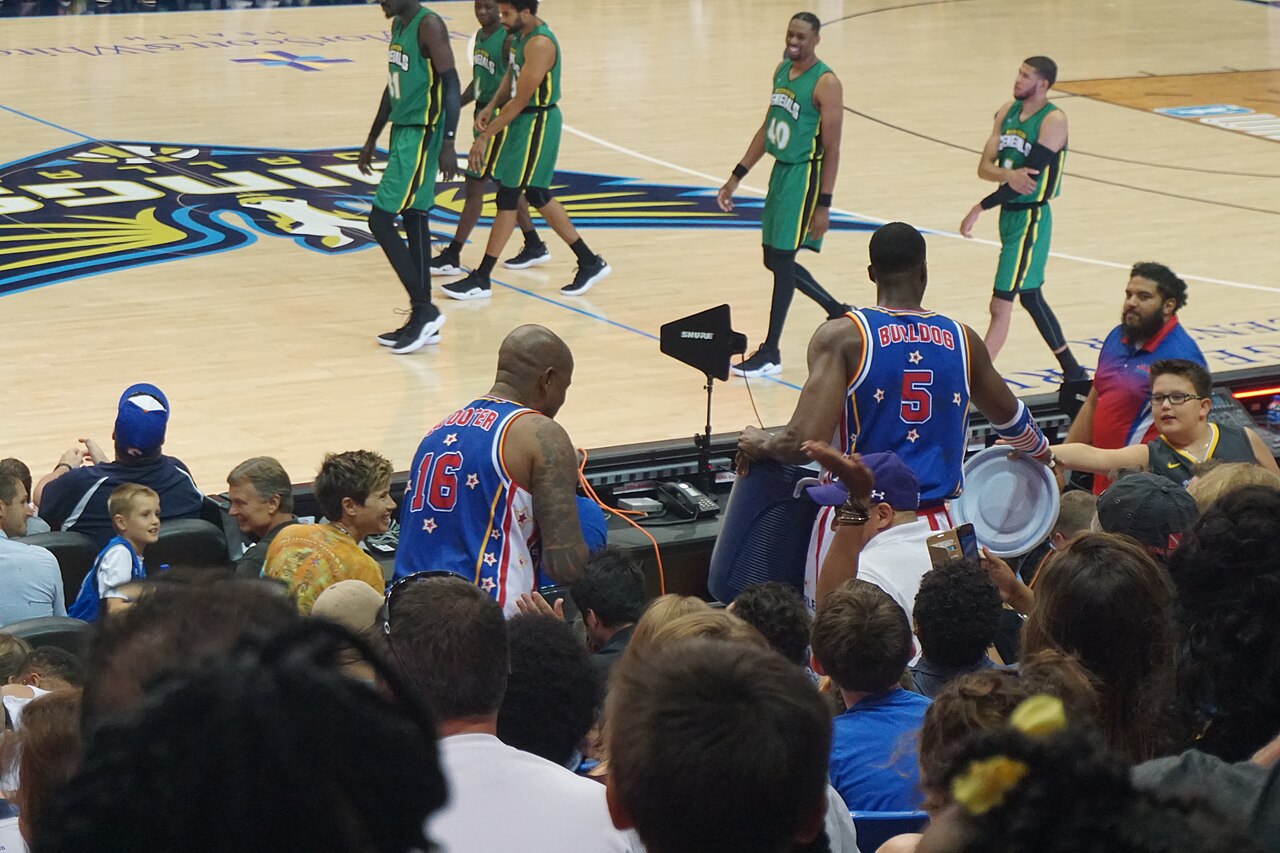
The Water Bucket Bit was the signature routine. A Globetrotter would pretend to throw a bucket of water into the crowd — the audience would scream and flinch — and the “water” would turn out to be confetti. Every single time, the crowd fell for it. Even if you’d seen it before. Even if you knew it was confetti. The buildup, the fake throw, the moment of panic — it was comedy perfection.
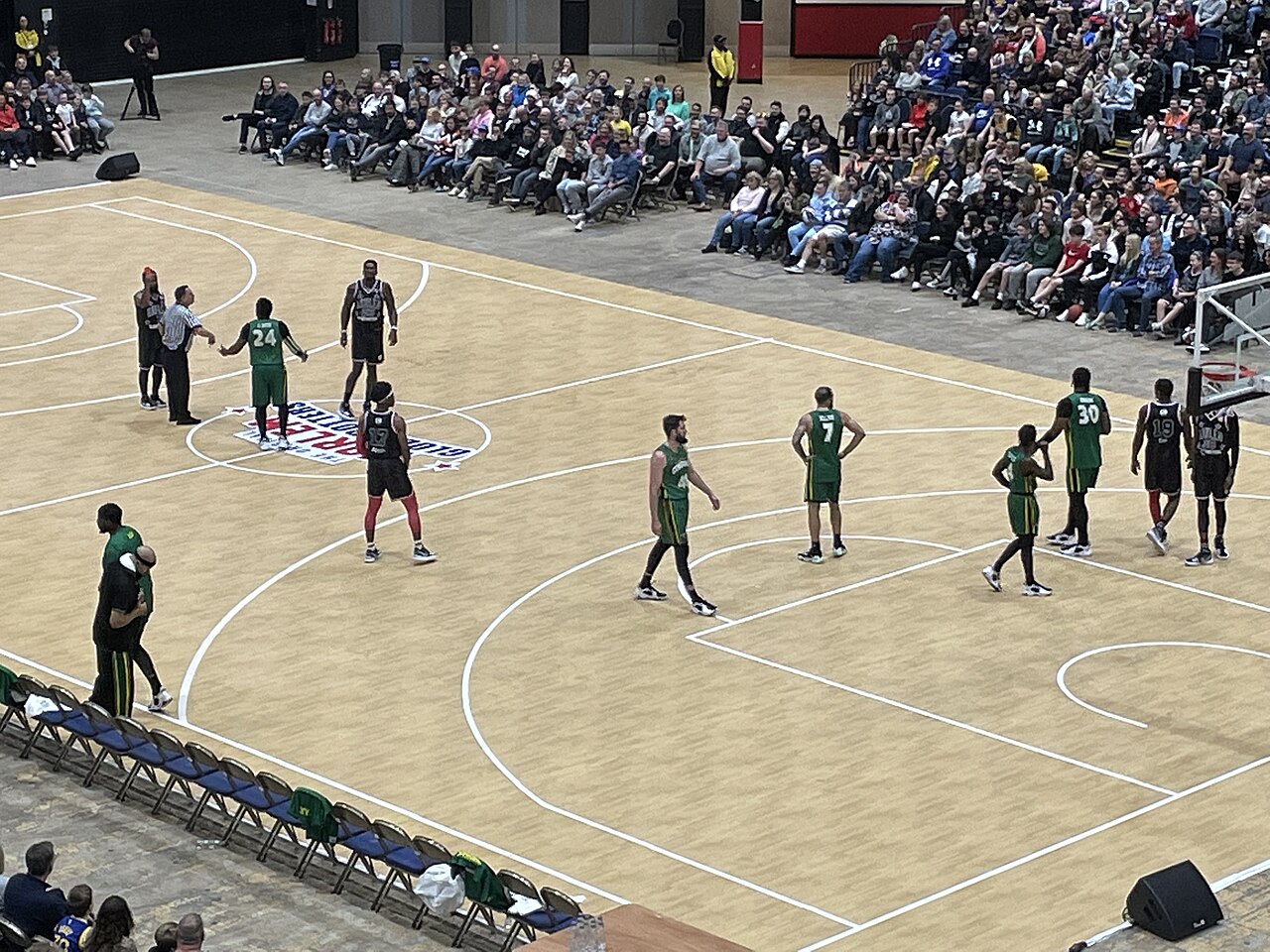
The Globetrotters played the Washington Generals (also known as the New York Nationals at various points), who existed solely to lose. The Generals’ losing streak is legendary — over 16,000 consecutive losses. Playing for the Generals was a unique job: you had to be genuinely skilled at basketball, but you also had to be a convincing actor, reacting to the Globetrotters’ tricks with appropriate exasperation and bewilderment.
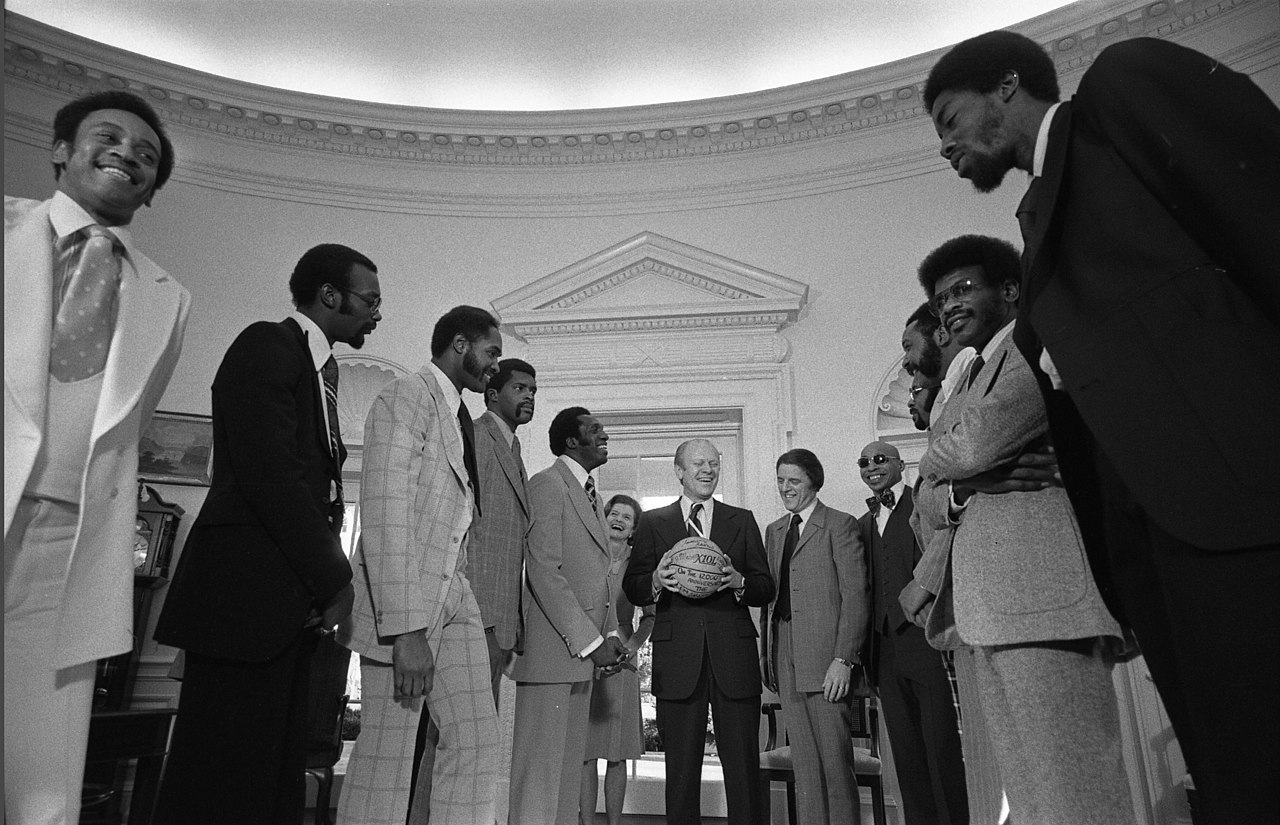
Presidents, Popes, and Kings — The Globetrotters Go Global
The Harlem Globetrotters didn’t just play in arenas — they performed for popes, presidents, and royalty. They visited the White House multiple times, meeting Presidents Ford, Carter, and Reagan. They performed for Pope John Paul II. They toured over 120 countries and were genuine goodwill ambassadors for American culture.
In 1985, Lynette Woodard became the first female Harlem Globetrotter, breaking a significant barrier. The team was always bigger than just basketball — they represented possibility, joy, and the idea that sports could be pure entertainment without the anxiety of actual competition. Nobody went to a Globetrotters game worried about the outcome. You went to laugh, to be amazed, and to catch a basketball that Curly Neal bounced off your head.
The Fade — When the NBA Became the Show
Here’s the bittersweet part. The Harlem Globetrotters’ decline wasn’t caused by anything they did wrong. It was caused by the NBA becoming the most entertaining league in professional sports. When Magic Johnson and Larry Bird arrived in 1979, the NBA went from a niche league that couldn’t get its finals on live television to must-see TV. Then Michael Jordan showed up in 1984 and redefined what entertainment meant.
Suddenly, real basketball was doing things that used to be the Globetrotters’ exclusive domain. Jordan’s slam dunks were as spectacular as any trick shot. Magic’s no-look passes were as creative as anything Meadowlark Lemon ever did. The NBA had drama, stakes, genuine competition, and athletes performing at a level that made the Globetrotters’ comedy basketball seem quaint by comparison.
The Saturday morning cartoons were gone by the early ’80s. Without that constant TV presence, the Globetrotters lost their pipeline to new young fans. They kept touring, kept performing, kept doing their thing — but the cultural footprint shrank. By the ’90s, they were a nostalgia act, beloved by the parents who’d grown up watching them but less relevant to the kids who were watching Jordan on ESPN every night.
The Globetrotters Today — Still Spinning
The Harlem Globetrotters still exist, still tour, and still put on a great show. In recent years they’ve embraced social media, with viral trick shot videos racking up millions of views. They’ve adapted their act for the internet age, and their YouTube channel is full of jaw-dropping content. The basketball skill is still world-class — these are legitimately great players who chose entertainment over the G League.
But the cultural dominance is gone. The Globetrotters were biggest when they had no competition — when real basketball was boring and entertainment basketball was the only way to see the kind of creativity that now fills NBA highlight reels every night. Their decline says less about them and more about how thoroughly the NBA absorbed the entertainment aspects they pioneered.
Remembering the Magic Circle
If you grew up watching the Globetrotters — either in person or on Saturday morning TV — you carry something specific in your memory. The sound of “Sweet Georgia Brown.” The sight of a basketball spinning impossibly on a fingertip. Meadowlark’s grin. Curly’s head gleaming under the arena lights. The moment of absolute terror followed by absolute delight when that bucket came toward the crowd.
The Harlem Globetrotters taught a generation of kids that sports could be joyful. Not intense, not competitive, not about winning and losing — just joyful. They were the first athletes many of us ever admired, and they earned that admiration not with championships but with laughter. In an era when professional sports can sometimes feel like a grim corporate enterprise, the memory of the Globetrotters spinning that ball in the Magic Circle reminds us what games are supposed to feel like. Pure, uncomplicated, contagious fun.