Image Comics and the 90s Comic Book Revolution | When Artists Walked Out of Marvel and Changed Everything
In 1992, seven of the most popular comic book artists in America did something nobody saw coming. They walked away from Marvel Comics — the biggest publisher on the planet — and started their own company. No safety net. No corporate backing. Just raw talent and a grudge against the system that refused to let them own what they created.
The company was called Image Comics. And it detonated like a bomb in the middle of the industry.
If you were alive and anywhere near a comic shop in the early 90s, you remember the electricity. The variant covers. The lines around the block. The feeling that comics weren’t just for kids anymore — they were serious business, and the artists were the rock stars.
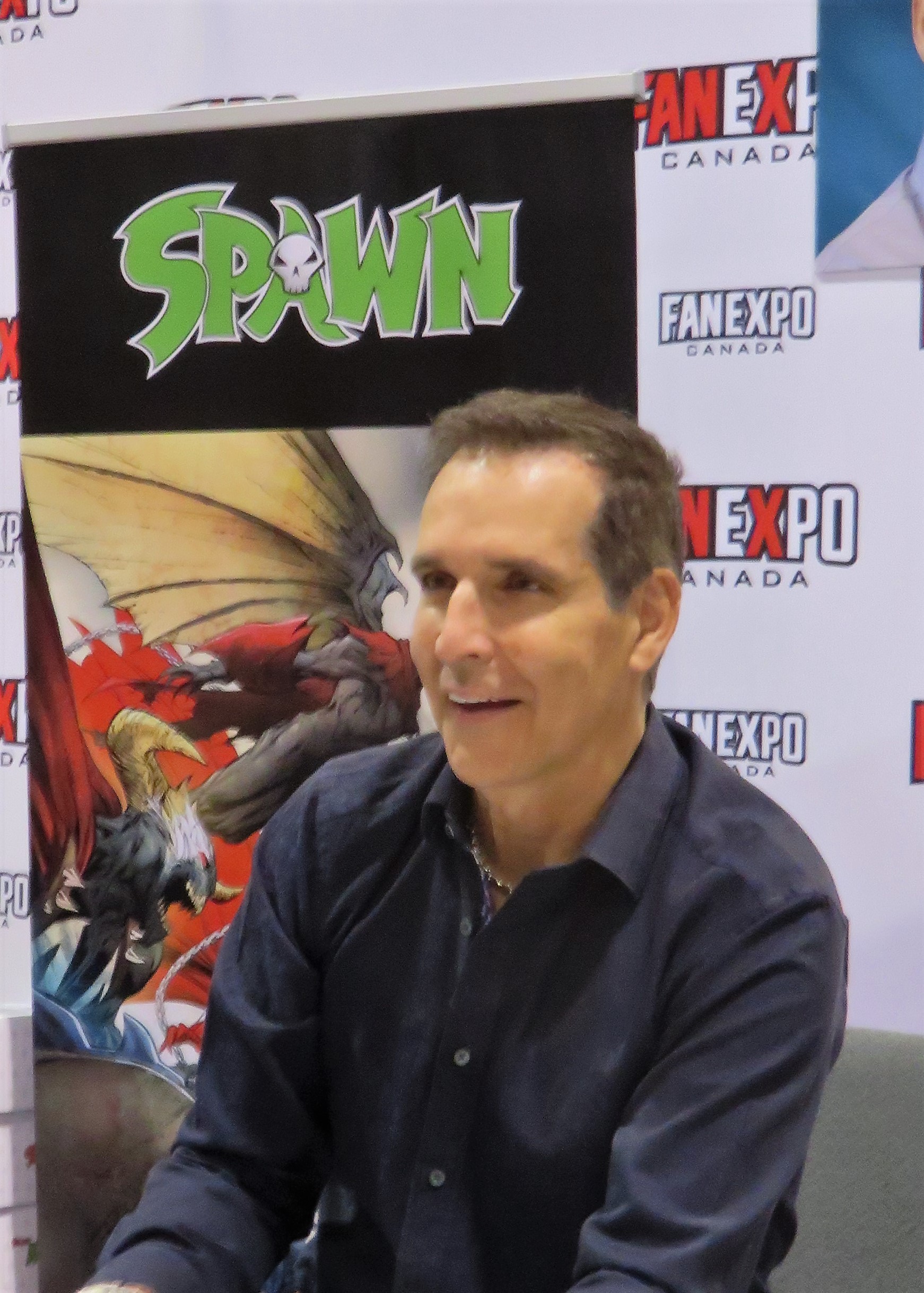
The Marvel Exodus That Shook the Industry
To understand why Image Comics mattered, you have to understand how badly Marvel treated its artists in the late 80s and early 90s. These guys were selling millions of copies. Todd McFarlane’s Spider-Man #1 moved 2.5 million units in 1990 — a staggering number that proved artists could sell books, not just characters. Rob Liefeld’s X-Force was flying off shelves. Jim Lee’s X-Men #1 still holds the Guinness record for best-selling single comic issue ever at 8.1 million copies.
But here’s the thing that drove them crazy: Marvel owned everything. Every character they designed. Every storyline they wrote. Every piece of merchandise featuring their art. When McFarlane saw his Spider-Man artwork on t-shirts generating millions in revenue, he didn’t see a dime of it beyond his page rate. The artists were making the company rich while being treated like interchangeable parts.
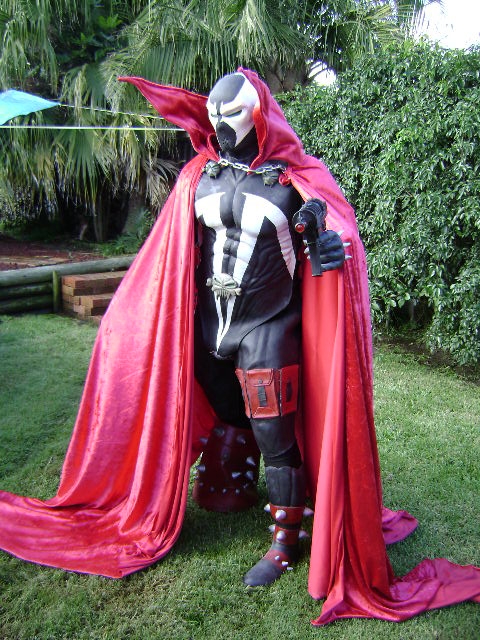
Rob Liefeld put it bluntly: “We had become too big for the system. Marvel didn’t want a star system.” So these seven artists — McFarlane, Liefeld, Jim Lee, Erik Larsen, Marc Silvestri, Jim Valentino, and Whilce Portacio — made a decision that sounded insane at the time. They quit. All of them. Together.
The February 1992 press conference was legendary. Seven guys standing in front of cameras announcing they were leaving the most powerful publisher in comics to start something from scratch. The founding charter was radical: Image Comics would own zero intellectual property. Every creator kept their own characters. No partner could interfere with another’s work. It was the Declaration of Independence for comic book artists.
Spawn #1 and the Birth of a New Era
The first Image title out of the gate was Liefeld’s Youngblood #1 in April 1992, which pre-sold 930,000 copies — smashing every independent comic record that existed. But it was Todd McFarlane’s Spawn that truly captured lightning in a bottle.
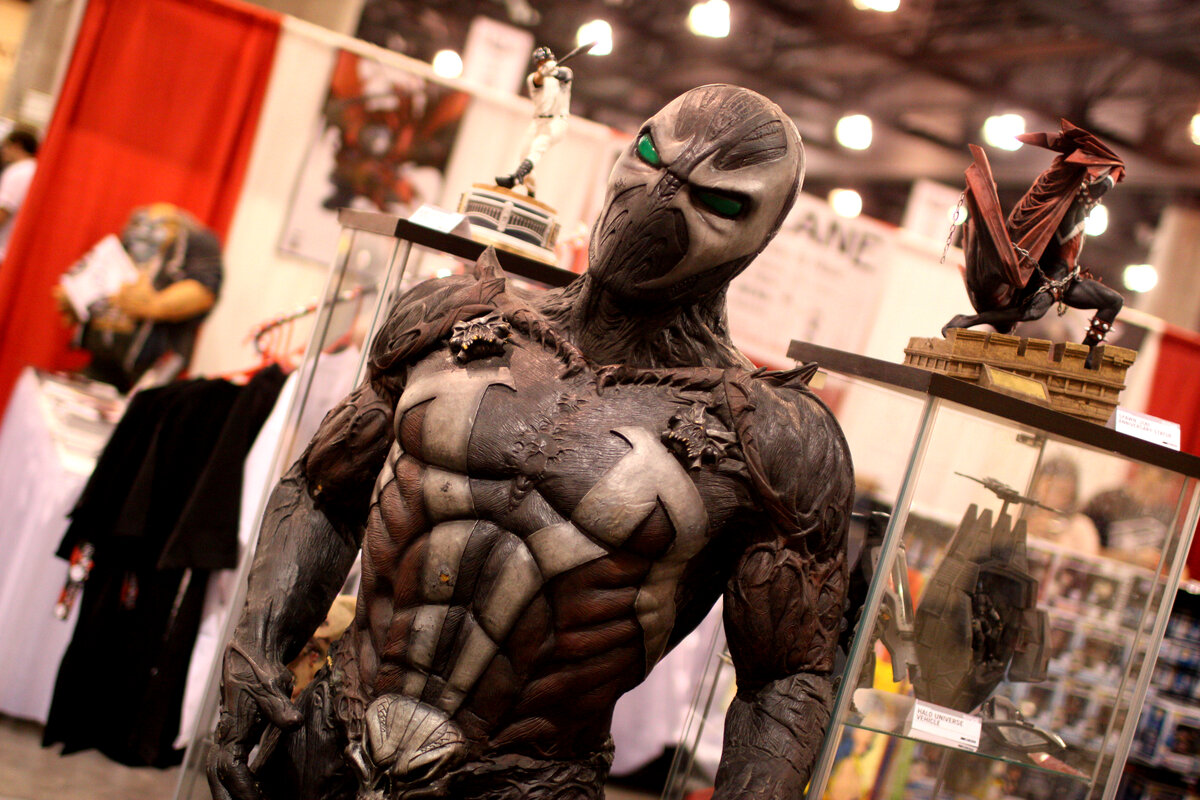
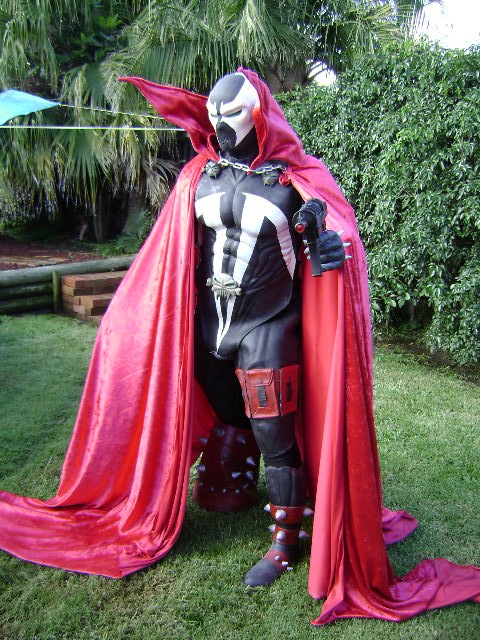
Spawn #1 dropped in May 1992 and sold 1.7 million copies. That record still stands today as the highest-selling creator-owned comic issue of all time. The character — Al Simmons, a murdered CIA operative who makes a deal with a demon and returns as a Hellspawn — was unlike anything on the market. He wasn’t your friendly neighborhood hero. He was dark, violent, morally ambiguous, and wrapped in a cape that seemed to have a mind of its own.
McFarlane had actually created the character as a teenager in Calgary, sketching what he called a “prototype Spawn” in his high school portfolio. He spent years perfecting every detail of the design — the chains, the skull belt, the necroplasm suit, that impossibly dramatic cape. When he finally had the freedom to publish it on his own terms, the world ate it up.
What made Spawn work wasn’t just the art — though McFarlane’s hyper-detailed, kinetic style was a revelation. It was the attitude. This was a comic that didn’t care about the Comics Code Authority. It dealt with heaven, hell, corruption, betrayal, and the cost of deals made in desperation. For Gen X readers who had grown up on superhero comics but wanted something with more edge, Spawn was exactly what they’d been waiting for.
The Speculator Boom — and Its Dark Side
Image Comics didn’t just change how comics were made. It supercharged the collector market into something genuinely unhinged.

By 1993, the American comic book industry was generating over a billion dollars in annual revenue. Variant covers became the norm — chromium, holographic, glow-in-the-dark, die-cut, polybagged with trading cards. Publishers figured out that collectors would buy four or five copies of the same issue if each one had a different cover. It was brilliant marketing. It was also a bubble.
The speculator boom convinced everyday people that comic books were investments. Not stories to read — investments. People were buying boxes of sealed comics, storing them in attics, convinced they’d fund their retirement. The problem was simple math: when you print 1.7 million copies of something, it’s never going to be rare. The value of most 90s comics cratered almost as fast as it rose.
By the mid-90s, the bubble burst spectacularly. Dozens of comic shops closed. Marvel filed for bankruptcy in 1996. The industry entered a dark age that lasted years. Some people blame Image Comics and the speculator fever they helped ignite. But the truth is more complicated. The big publishers had been flooding the market with gimmick covers long before Image showed up. The founders just happened to be standing in the blast radius when the whole thing went sideways.
Beyond Comics — The McFarlane Empire
Todd McFarlane didn’t stop at comic books. The guy was a born entrepreneur, and Spawn became the foundation of a genuine media empire.

In 1994, he launched McFarlane Toys, which completely reinvented what action figures could be. Before McFarlane, most action figures were chunky, simplified versions of characters aimed squarely at kids. McFarlane’s figures were intricate, detailed, almost sculptural — designed for adult collectors who wanted display pieces, not playthings. The Spawn toy line was a massive hit, and McFarlane Toys went on to produce figures for sports, movies, music, and video games. The company still operates today and holds major licenses including the NFL, NBA, and DC Comics.
Then came the Spawn animated series on HBO in 1997 — one of the first adult-oriented animated shows on premium cable, predating the explosion of mature animation that would come later. That same year, a live-action Spawn film hit theaters starring Michael Jai White as the first Black superhero to lead a major studio film. The movie was a modest commercial success, grossing $87 million worldwide, though McFarlane has been working on a darker, R-rated reboot for years.
The Legacy That Refuses to Fade
Here’s what’s wild: Image Comics didn’t just survive the 90s crash. It thrived. While the founding partners’ superhero titles eventually cooled off, the publisher evolved into something arguably more important — the premier destination for creator-owned comics across every genre.
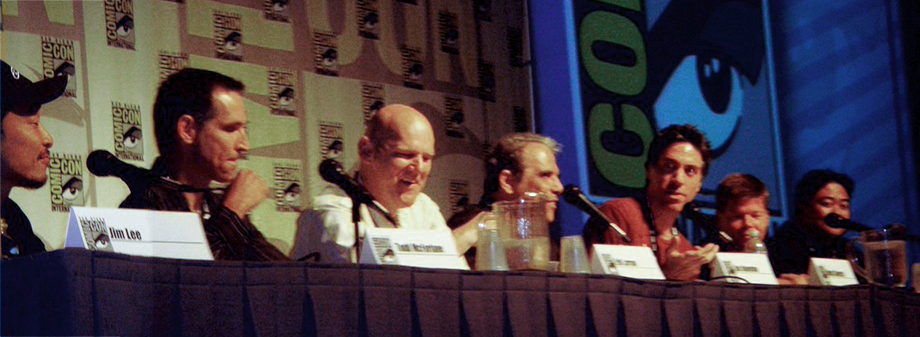
Robert Kirkman’s The Walking Dead, published by Image, became one of the most successful media franchises of the 2010s. Saga by Brian K. Vaughan and Fiona Staples is considered one of the greatest comics ever made. Invincible got an acclaimed Amazon animated series. The Image model — creator ownership with a publisher that handles logistics but keeps its hands off the IP — proved to be the future, not just a 90s experiment.
And Spawn? McFarlane’s dark knight from hell has been in continuous publication since 1992. It holds the Guinness World Record for the longest-running creator-owned American superhero comic book. Issue #350 dropped recently, and McFarlane shows no signs of slowing down. The character launched multiple spin-off titles in 2021, all of which shattered sales records.
Today, March 16, happens to be Todd McFarlane’s birthday. He turns 65 — a long way from that kid in Calgary doodling a caped antihero in his school notebook. The company he co-founded is now the third-largest comic publisher in America. The character he created from a high school sketch has generated hundreds of millions in revenue across comics, toys, animation, and film.

But the real legacy isn’t one man or one character. It’s the principle that creators should own what they create. In 1992, that was revolutionary. In 2026, it’s the standard that every smart creator demands. Image Comics proved that artists didn’t need corporate masters to reach millions of readers. They just needed talent, guts, and a willingness to bet everything on themselves.
The 90s comic book revolution was messy, excessive, and occasionally ridiculous. It created a speculator bubble that nearly destroyed the industry. But it also democratized comic book publishing, launched careers, and produced characters that are still thrilling audiences three decades later. Not bad for seven guys who were told they were making the biggest mistake of their careers.