On This Day: August 5, 1984 — Joan Benoit Wins the First Women’s Olympic Marathon
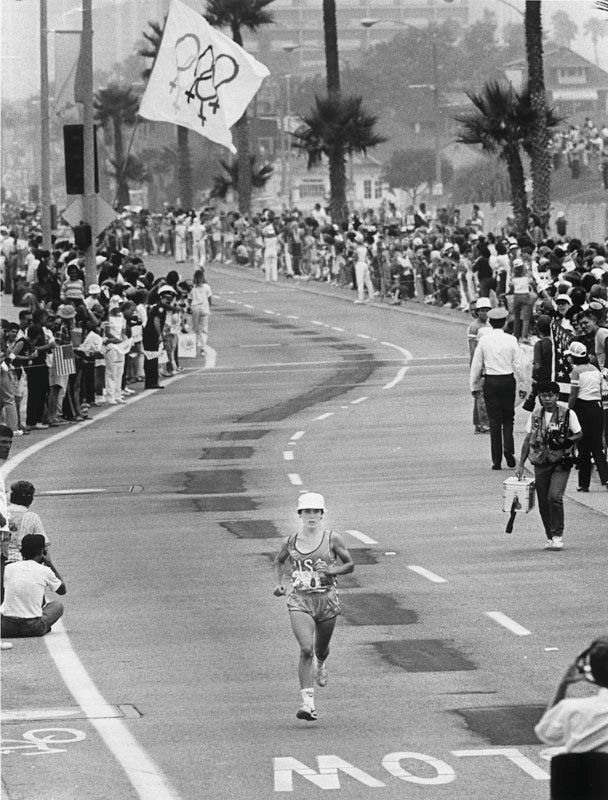
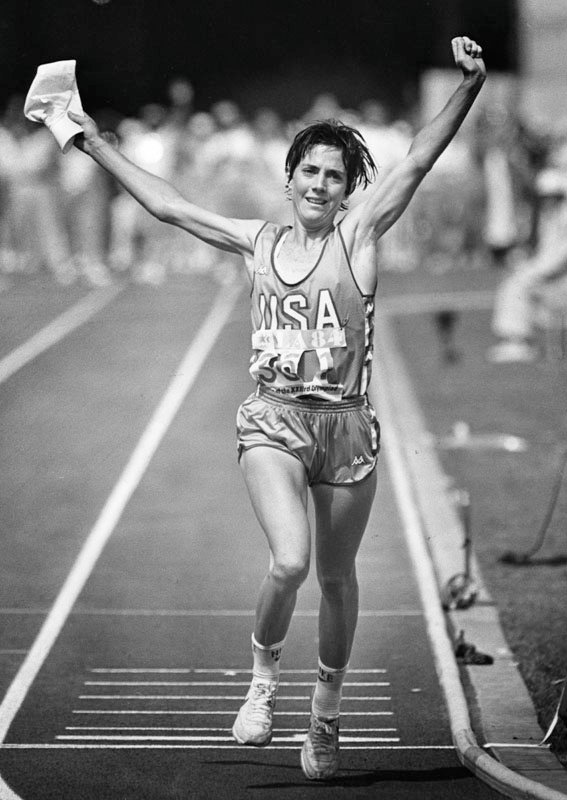
On a sweltering August morning in Los Angeles, a 27-year-old woman from Maine ran into history. When Joan Benoit Samuelson entered the Los Angeles Memorial Coliseum on August 5, 1984, she wasn’t just crossing a finish line — she was rewriting what was possible for women in sport. She raised her white painter’s cap, the crowd of 77,000 erupted, and the world witnessed the conclusion of the first-ever women’s Olympic marathon.
It had taken nearly a century for women to earn this moment. The men’s marathon had been an Olympic fixture since the inaugural 1896 Games in Athens. For decades, the accepted wisdom — backed by nothing but assumption and prejudice — was that women’s bodies simply couldn’t handle the 26.2-mile distance. Pioneering runners like Bobbi Gibb (who ran Boston unofficially in 1966) and Kathrine Switzer (who famously wore a race number in 1967 before officials tried to physically remove her) had chipped away at that myth, but the ultimate validation — an Olympic gold medal — remained out of reach until Los Angeles 1984.
The Road to the Coliseum
Benoit’s path to the starting line was as improbable as her eventual victory. Just seventeen days before the U.S. Olympic Trials in May 1984, she underwent arthroscopic surgery on her right knee. Most athletes in that situation would have sat out. Benoit didn’t. She not only competed at the Trials — she won them, finishing in 2:31:04 and earning her spot on the American squad.
The Retro Almanac
A monthly roundup of "on this day" highlights from that month, decades back — plus first dibs on new retro merch drops. No spam, just the good stuff.
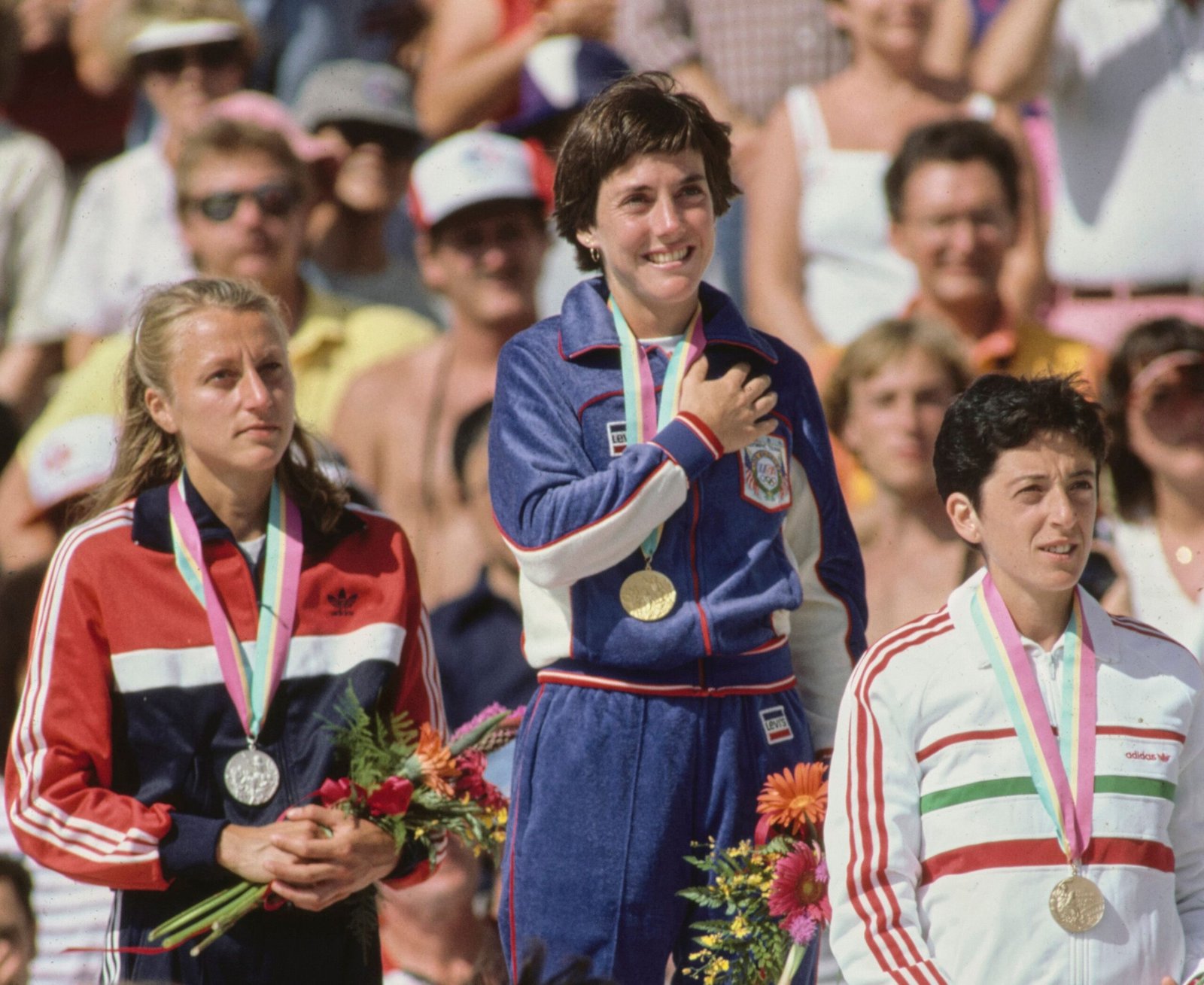
By the time the 50-woman field lined up in Santa Monica on the morning of August 5, Benoit was the clear favorite. She had broken the women’s world marathon record in Boston the previous year with a stunning 2:22:43. But favorites don’t always deliver, and the heat of a Los Angeles summer was a legitimate wildcard. Her main competition was formidable: Grete Waitz of Norway, the five-time New York City Marathon champion and 1983 World Championship gold medalist, and Rosa Mota of Portugal, who would go on to win three World Championship titles.
A Bold Move at Mile Three
Conventional marathon wisdom dictates patience in the early miles. Benoit threw the rulebook out at mile three. Fourteen minutes into the race, she pushed to the front of the pack and simply refused to come back. Later, she admitted she half-expected someone to go with her — to call her bluff. Nobody did.
“I thought I might be running too fast,” Benoit said after the race. “But I felt good. I wasn’t going to slow down if nobody came with me.”
The field let her go. It proved a catastrophic mistake. Over 26 miles, her lead didn’t shrink — it grew. By the time she emerged from the tunnel and into the packed Coliseum, she was a full minute and a half ahead of Waitz. She crossed the finish line in 2 hours, 24 minutes, and 52 seconds — a time that would have won the men’s Olympic marathon as recently as 1908.
A Finish Line That Moved a Generation
The moment Benoit entered the Coliseum became one of the defining images of the 1984 Los Angeles Games — which had already produced memorable moments with the Soviet-led boycott looming over them. She jogged the final lap alone, cap raised, carrying the American flag on a victory lap as the crowd rose to its feet. Millions watched around the world on ABC.
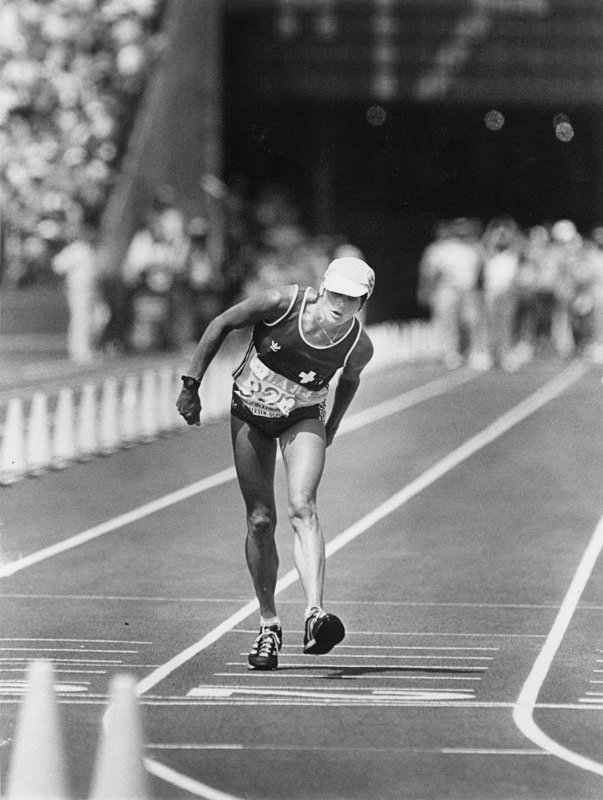
Then came the moment that nobody who saw it has ever forgotten. Behind Benoit, finishing over twenty minutes later, came Swiss runner Gabriela Andersen-Schiess. Heat exhaustion had reduced her to a staggering, tilting, almost-collapsing gait as she made her way around the track. Officials moved to help her — but intervention would have meant disqualification. She waved them off and finished on her own terms, crossing the line before collapsing into medical personnel’s arms. She recovered fully. The image of her courage and determination became inextricably linked to the entire event.
What It Meant
Benoit’s win was about far more than a gold medal. At the post-race press conference, she addressed it directly: “This win is a triumph for women’s athletics. We have proved that we can stand the conditions of the marathon.”
For millions of women who had been told their bodies had limits, that pronouncement carried weight. The race’s inclusion in the 1984 Games had itself required a years-long fight — women’s running advocates had lobbied the International Olympic Committee aggressively through the late 1970s and early 1980s. The IOC’s reluctant approval came only in 1981, less than three years before the Games.
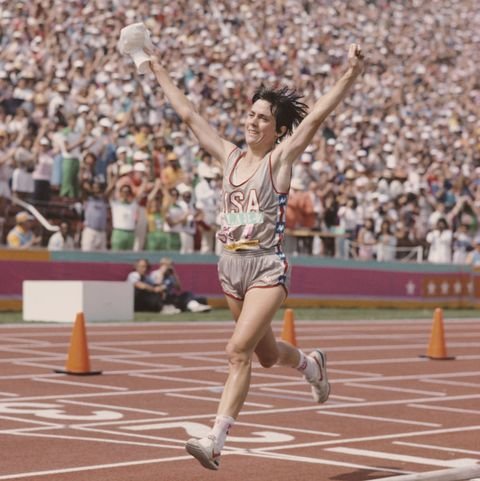
What followed Benoit’s victory was a sea change. Female participation in road racing exploded through the late 1980s and 1990s. The marathon became one of the most gender-equitable events in professional athletics. Today, women’s marathon world records and men’s marathon world records are tracked with equal seriousness. It’s easy to take that parity for granted now. August 5, 1984 is a big reason why we can.
After the Gold
Benoit (who married architect Scott Samuelson in 1984 and has since competed as Joan Benoit Samuelson) didn’t disappear after her Olympic triumph. She continued running competitively into her 50s and 60s, setting masters world records and completing the 2008 Olympic Trials marathon at age 50. She was inducted into the U.S. Olympic & Paralympic Hall of Fame in 2008. She has given back to the sport through the Beach to Beacon Road Race in Maine, an annual event she founded in 1998 that benefits children’s charities.
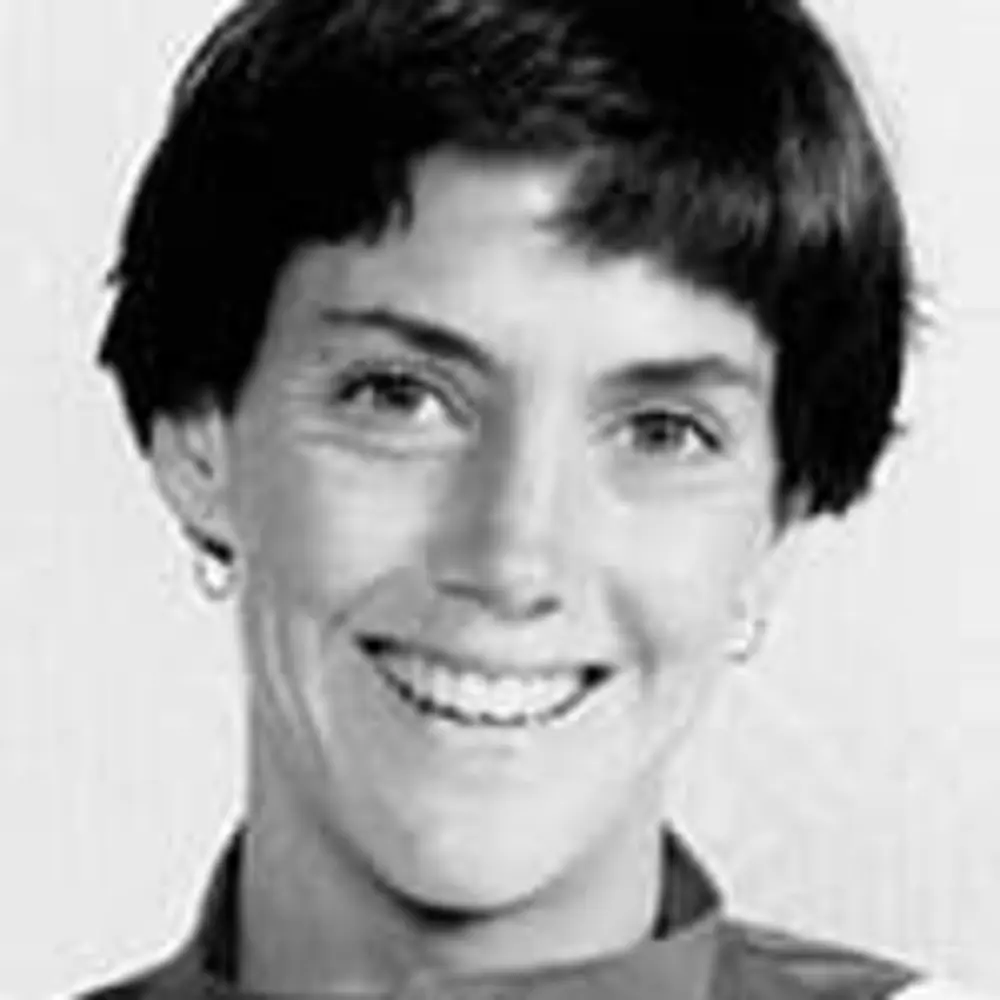
But nothing quite matches the image of that August morning in Los Angeles: a young woman from Cape Elizabeth, Maine, white painter’s cap cocked sideways, running alone through the California heat — and into a place in history that no one could ever take away.
The Legacy: Forty Years On
On the 40th anniversary of the race, what Benoit did in Los Angeles still reverberates through the sport. Female marathon participation has grown dramatically since 1984. In the United States alone, women now make up roughly half of all marathon finishers — a figure that would have been unimaginable to the IOC officials who once debated whether women’s bodies could handle 26.2 miles.
The numbers tell part of the story. In 1982, the New York Road Runners estimated women made up around 11 percent of serious road racers nationally. By 1990, that figure had more than doubled. By the late 1990s, women were outpacing men in overall road race participation. The marathon became one of the most gender-equitable events in competitive athletics — a transformation that happened faster, and more completely, than almost anyone had predicted.
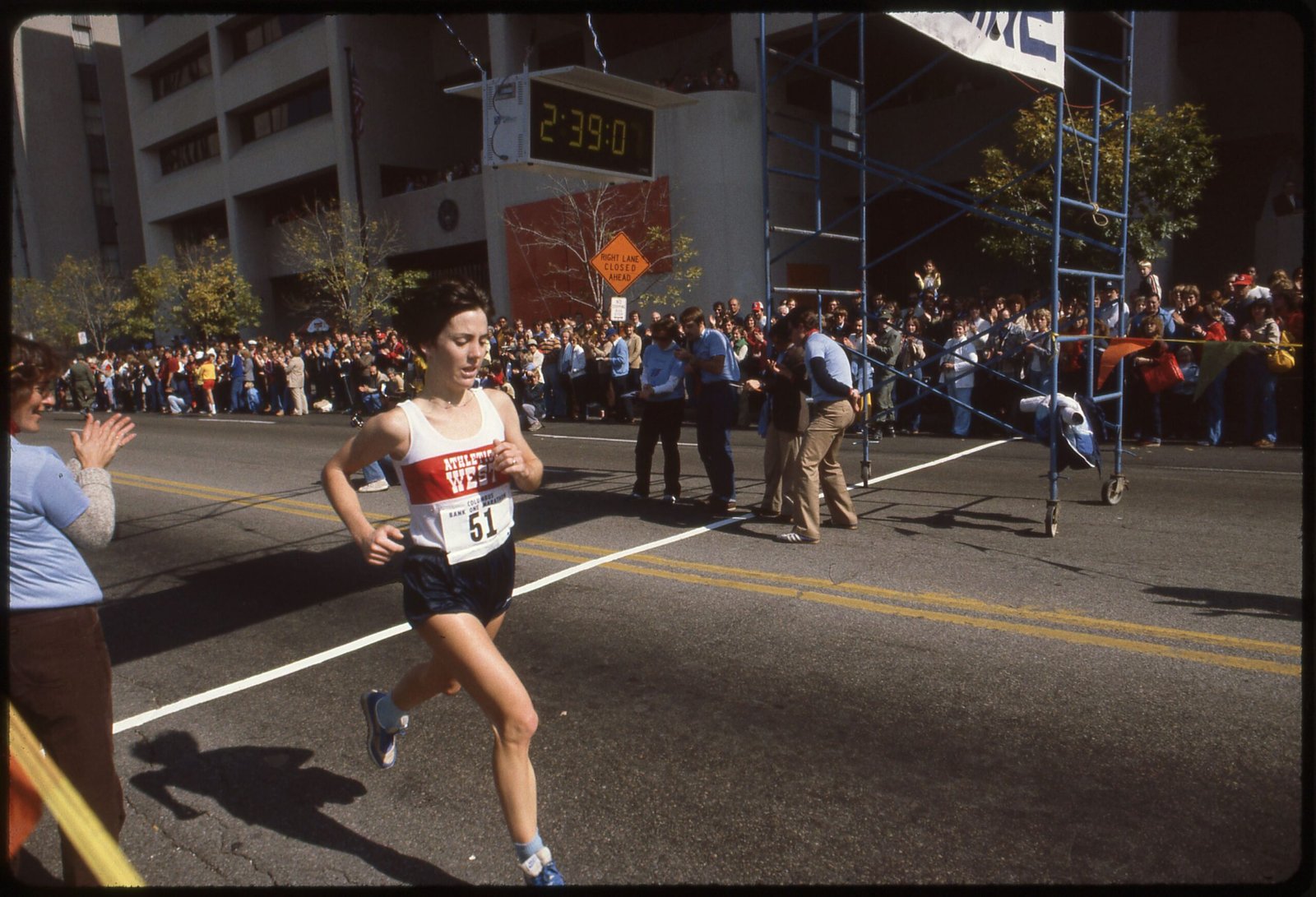
The advocates who fought for Olympic inclusion deserve their own recognition. Doris Brown Heritage, a five-time World Cross Country champion, was among the first to formally petition the IOC in the early 1970s. Jacqueline Hansen, who set the women’s world marathon record in 1975, lobbied alongside coaches, doctors, and athletes for nearly a decade before the IOC finally agreed. Their argument wasn’t ideological — it was empirical. Women were already running marathons competitively. The Olympic exclusion wasn’t a reflection of physical capacity; it was a reflection of institutional reluctance. Benoit’s gold didn’t just make the argument. It ended it.
What followed culturally was as significant as what followed athletically. The running boom of the late 1980s and 1990s gave millions of women a context for competitive movement that hadn’t widely existed before. The marathon — long, measured, demanding — became a proving ground where gender didn’t determine the scale of the challenge or the meaning of finishing. Women who trained through injury, ran Boston at 60, completed their first 26.2 in five hours and felt everything Benoit felt entering that Coliseum — they all owe something to August 5, 1984.
Benoit herself has kept running. She completed the 2008 Olympic Marathon Trials at age 50, running alongside women born the year she won her gold. She still races masters events and shows up at the starting line of the Beach to Beacon Race she founded in Cape Elizabeth, Maine, in 1998. In every interview, she deflects credit with the same quiet certainty she brought to mile three of the Olympic race.
That is probably the most enduring thing about her. Not just the gold medal, or the world record, or the knee surgery seventeen days before the Trials. It’s that she ran the way she believed was right — out front, fast, on her own terms — and never looked back to see if anyone was following. Eventually, the whole world caught up.
Love the retro era? Browse our shop for vintage finds, retro clothing, and 80s/90s nostalgia gear.
The Retro Almanac
A monthly roundup of "on this day" highlights from that month, decades back — plus first dibs on new retro merch drops. No spam, just the good stuff.