On This Day: September 18, 1987 — Fatal Attraction Opens and Rewrites Its Own Ending
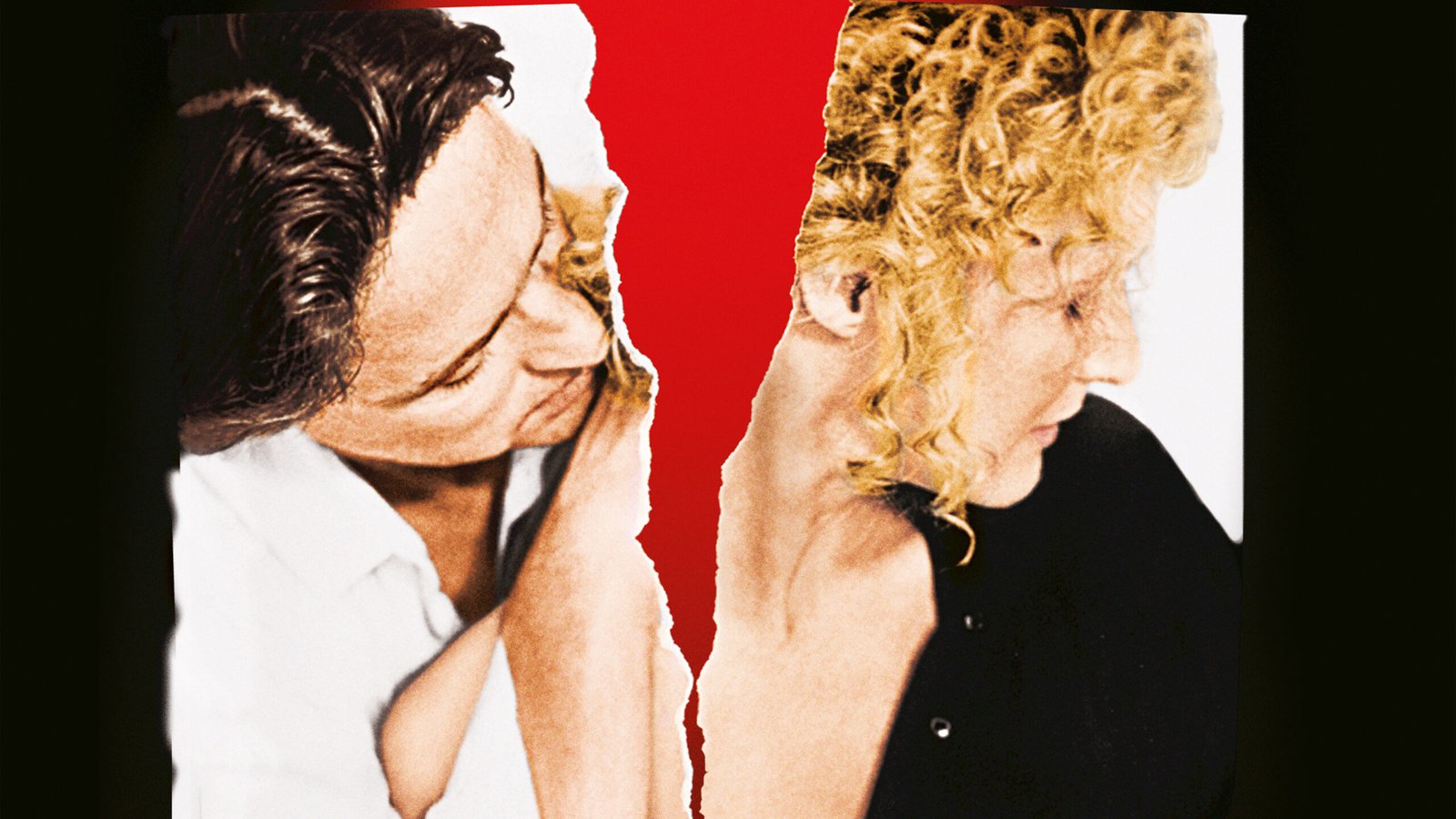
On September 18, 1987, Paramount Pictures sent Fatal Attraction into 758 theaters across the United States, and by Monday morning the entire country was arguing about a rabbit. The erotic thriller, starring Michael Douglas as a married Manhattan lawyer and Glenn Close as the woman he has a weekend fling with, opened to a modest $7.6 million — then refused to leave. Word of mouth carried it to eight straight weeks at #1, a final domestic haul of $156.6 million, and roughly $320 million worldwide against a $14 million budget. It ended 1987 as the highest-grossing film in the world, and it did it with an ending that almost didn’t happen at all.
Two Studios Passed On It
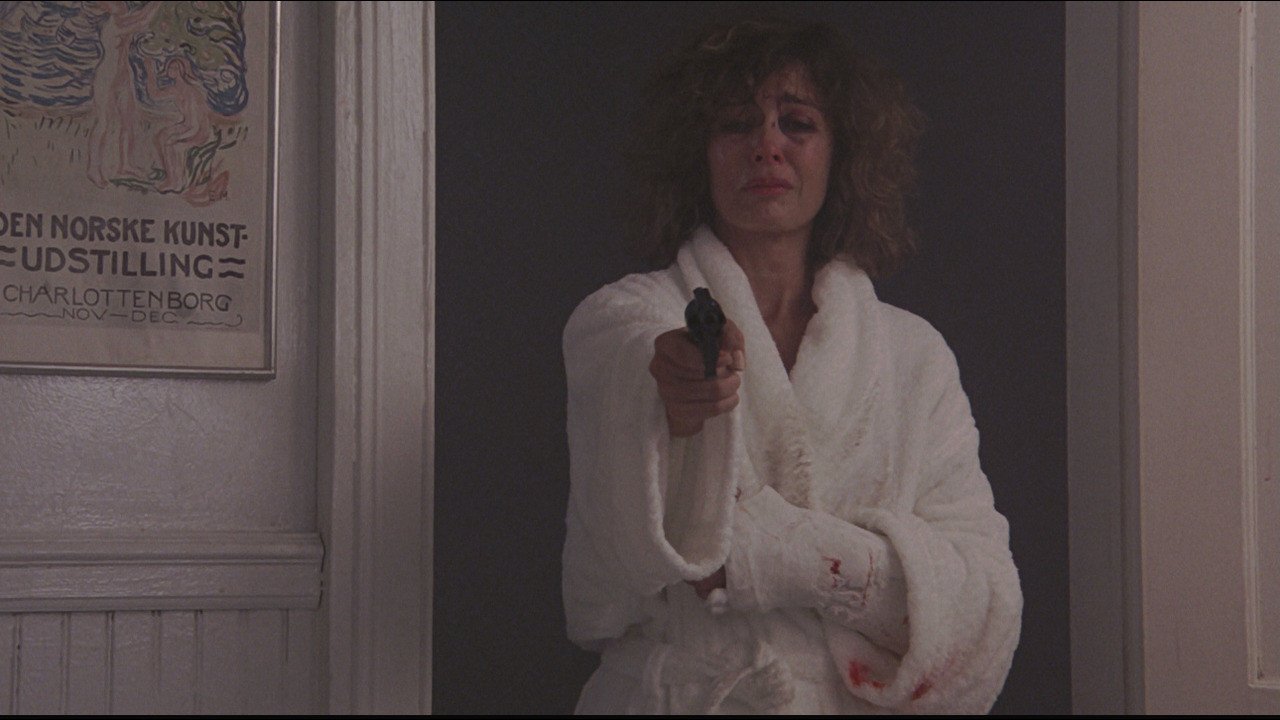
The script had been rejected twice before producer Stanley Jaffe brought it to Sherry Lansing, who saw something in it that other executives hadn’t. Writer James Dearden had adapted it from his own 1980 short film, “Diversion,” and Lansing reportedly told colleagues the material hit close to home — she’d once been rejected by a man in a way that left her rattled. Other studios had summed the project up as a movie about “a guy who cheats on his wife for absolutely no reason.” Lansing and Jaffe saw a psychological thriller. They just needed someone willing to play Alex Forrest.
The Retro Almanac
A monthly roundup of "on this day" highlights from that month, decades back — plus first dibs on new retro merch drops. No spam, just the good stuff.
The Role Everyone Turned Down
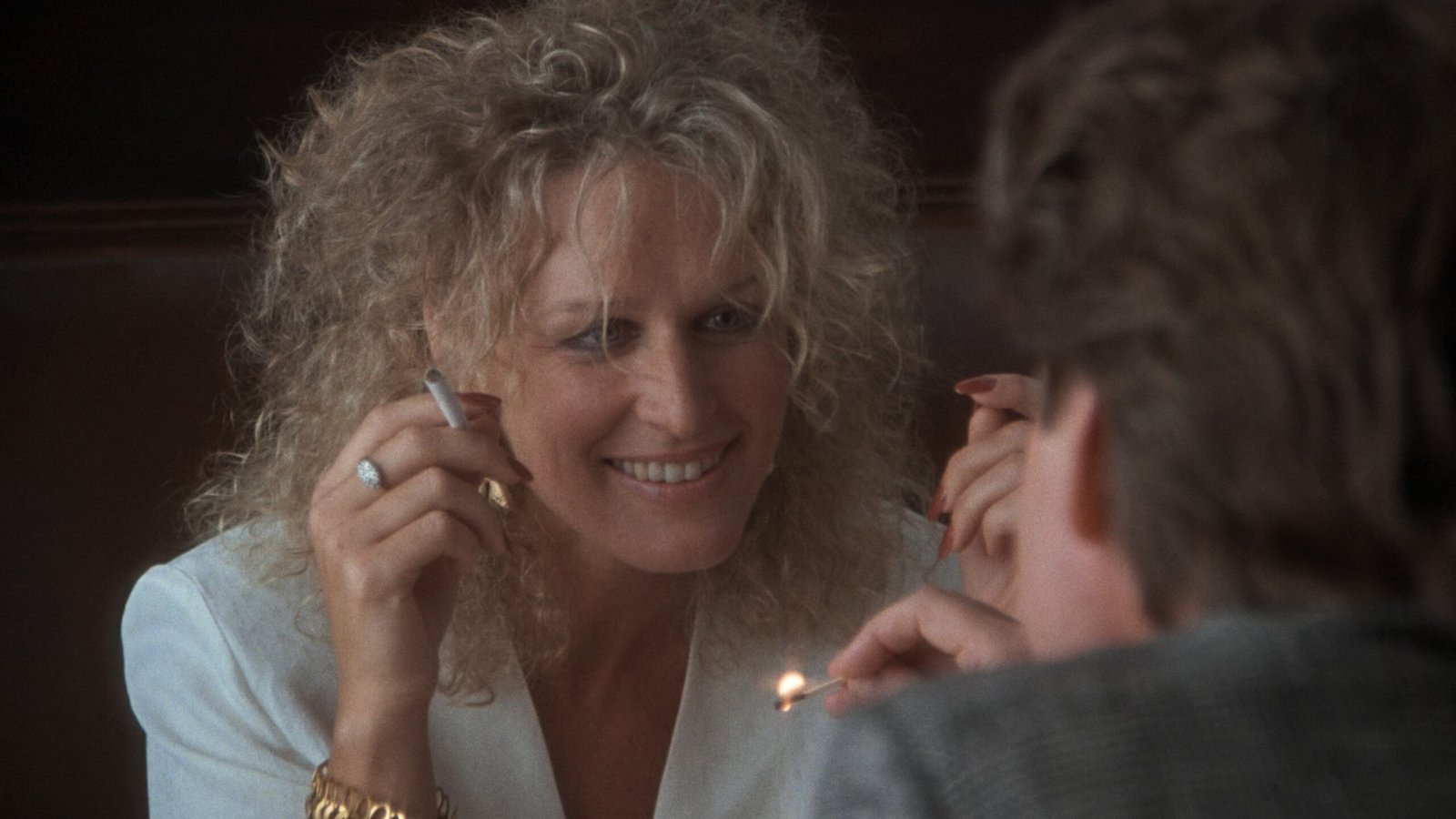
Before Glenn Close signed on, the part reportedly circulated through half of Hollywood’s leading women — Barbara Hershey wanted it but couldn’t get free, Isabelle Adjani was Adrian Lyne’s early favorite, and Miranda Richardson turned it down flat, reportedly calling it “hideous.” Debra Winger, Ellen Barkin, Susan Sarandon, Jessica Lange, Melanie Griffith, Michelle Pfeiffer and Kirstie Alley were all floated at various points. Tracey Ullman is said to have passed once she read the rabbit scene. Even after Close auditioned, Lansing and Jaffe weren’t sure she could play “sexual” enough for the role — until Lyne called them into a screening room and, within five minutes, they knew they’d found Alex.
The Ending Nobody Saw
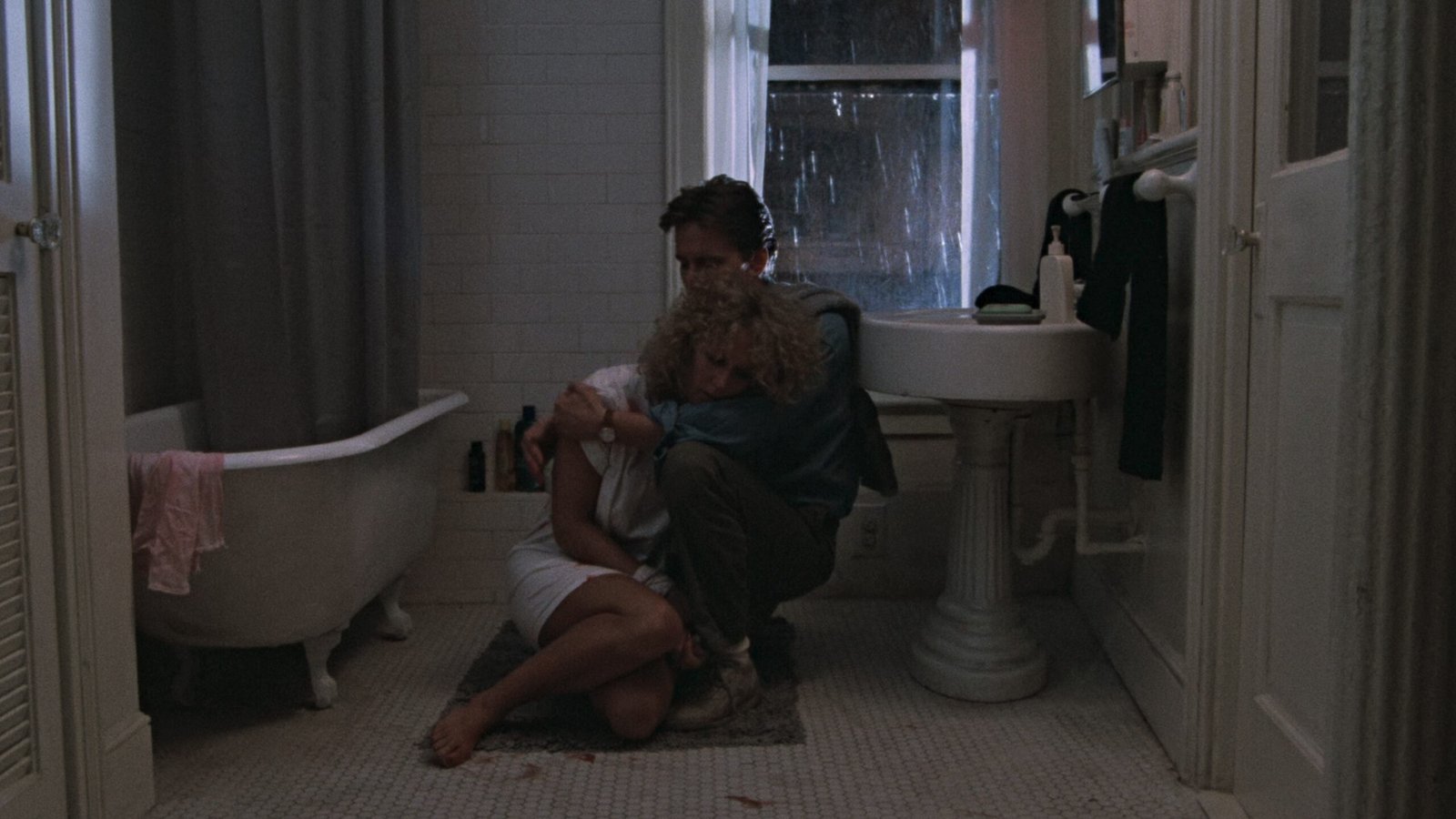
Here’s the part most people who’ve seen Fatal Attraction don’t know: the version that played in theaters was not the ending anyone originally shot. In the original cut, Alex doesn’t attack Beth Gallagher in the bathroom. Instead, after a final confrontation with Dan, she takes the same kitchen knife she’d earlier threatened him with — the one covered in his fingerprints — and cuts her own throat while Puccini’s Madame Butterfly plays, a deliberate echo of the opera’s own suicide ending. Dan is arrested for her murder. His marriage is left in ruins as detectives haul him away, and it’s only when Beth finds a cassette tape Alex recorded — “I’ll kill myself, I will…” — that the frame starts to unravel.
Test audiences hated it. They didn’t want an ambiguous, tragic Alex Forrest who got the last word. They wanted her stopped, violently, by the wife she’d terrorized. Paramount ordered a reshoot.
The Fight Over the Reshoot
Glenn Close didn’t go quietly. She’d built Alex around the idea that the character, however dangerous, was fundamentally self-destructive rather than homicidal — in Close’s reading, the real Alex “would have done herself in before she would have killed.” Rewriting the ending to have her stalk and attack Beth with a knife, only to be shot dead in the bathtub, felt to Close like turning a wounded, specific woman into a slasher-movie psychopath. She reportedly held out against the new ending for close to two weeks. Dearden has since called talking her into it “one of my most shame-inducing recollections.” Lyne, for his part, was reportedly swayed by a $1.5 million incentive to reshoot. Dearden later estimated the new climax added something like $100 million to the film’s box office. Paramount got the ending it wanted, and audiences got the movie that became a cultural flashpoint instead of a quiet tragedy.
How a Rabbit Became a Verb
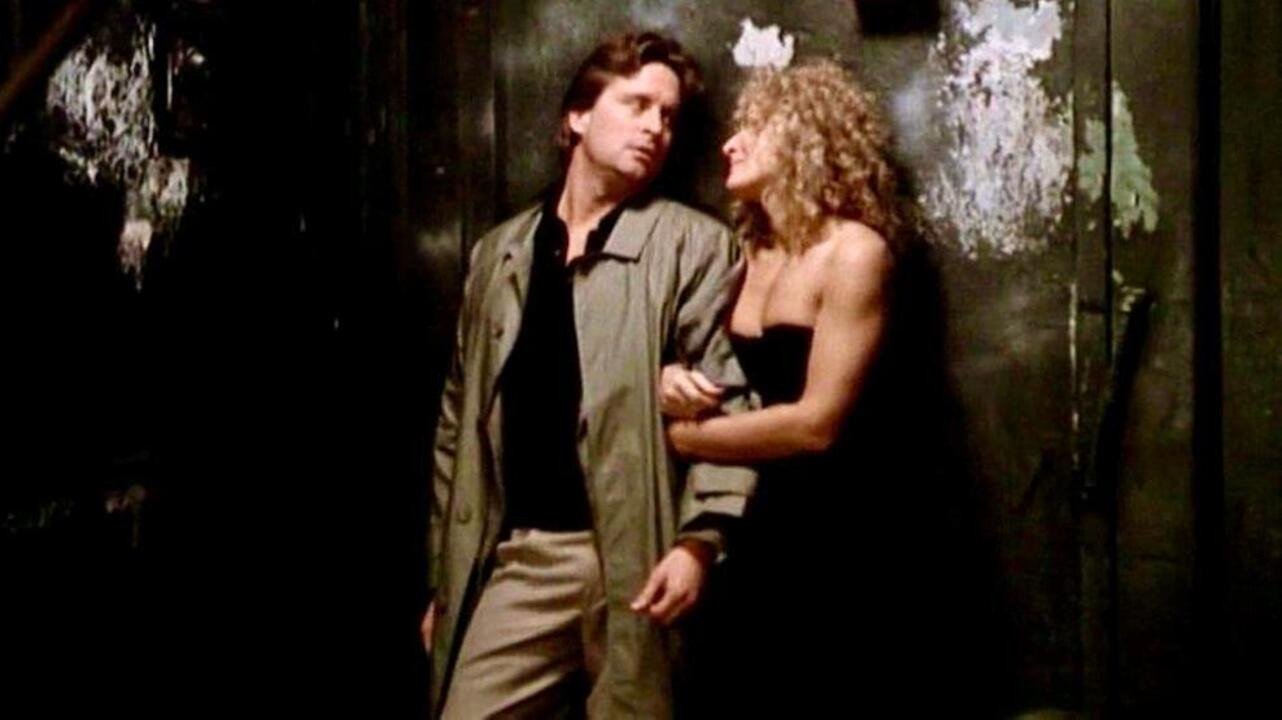
The film’s most notorious scene — Alex boiling the family pet rabbit on the Gallaghers’ stove, its carcass sourced from a real butcher for authenticity — gave the English language a new piece of slang. “Bunny boiler,” meaning an obsessive, vengeful ex, entered wide usage in the years after the film’s release and is still recognizable shorthand decades later. Critics were split on the film itself even as audiences packed theaters. Roger Ebert called it “a spellbinding psychological thriller” that lost its nerve in the final act. The New Yorker’s Pauline Kael took issue with how the film painted an independent, unmarried career woman as a monster. The Washington Post’s Rita Kempley read it as a none-too-subtle brief for monogamy in the shadow of the AIDS epidemic. And Time’s Richard Schickel noted, half-amused, that plenty of women left the theater with “secret smiles” — Alex Forrest was the villain, but she wasn’t wrong about everything.
Six Nominations, Zero Wins
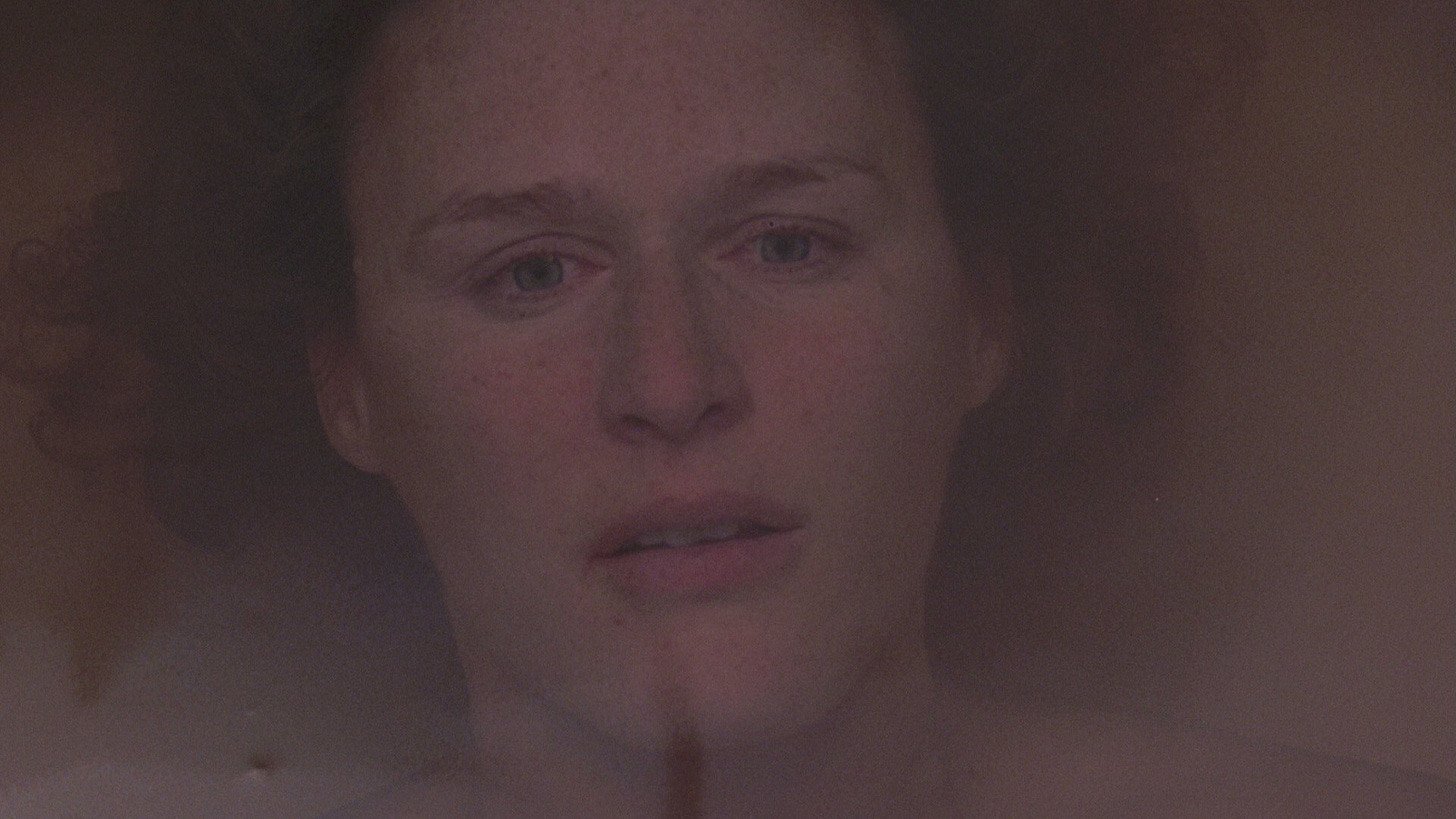
Come Oscar season, Fatal Attraction picked up six nominations at the 60th Academy Awards: Best Picture, Best Director for Adrian Lyne, Best Actress for Glenn Close, Best Supporting Actress for Anne Archer, Best Adapted Screenplay for Dearden, and Best Film Editing. It won nothing. Best Picture went to The Last Emperor, and Best Actress went to Cher for Moonstruck — a reminder that the biggest movie of the year and the best-reviewed movie of the year are frequently not the same movie at all.
Why It Still Matters
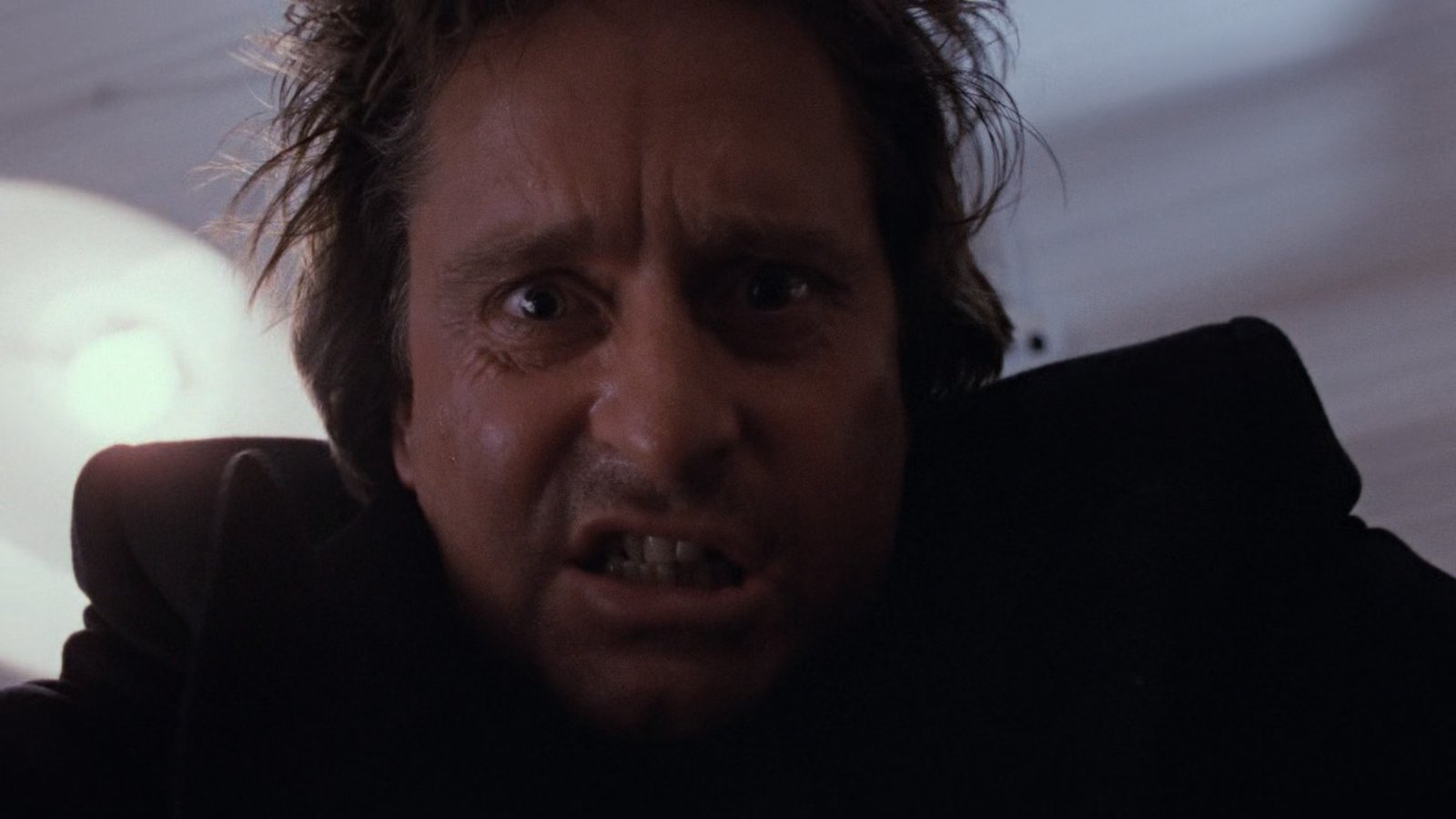
Nearly four decades later, Fatal Attraction is still the reference point for the “affair gone wrong” thriller — everything from Unfaithful to prestige-TV domestic dramas owes it a debt. But the real story is the one that happened off-screen: a director, a studio, and a lead actress fighting over whether Alex Forrest deserved a tragic ending or a punishing one, and a test-screening audience settling the argument for all of them. The version we got made more money. Whether it made a better movie is still up for debate — which, thirty-nine years on, is exactly the kind of argument this movie was built to start.
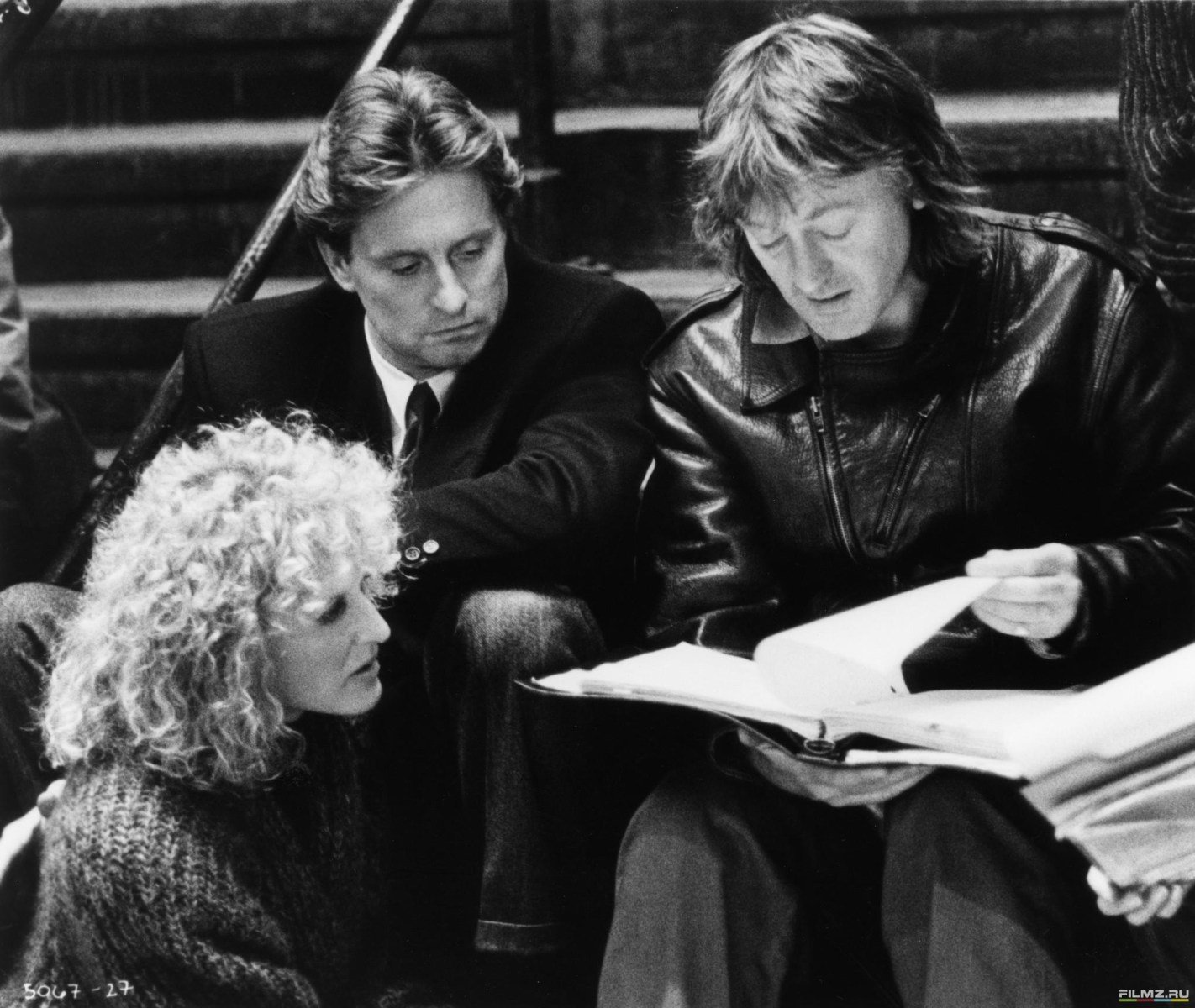
It Started a Genre — and a Tabloid Shorthand
Fatal Attraction’s $320 million worldwide haul told every studio in town the same thing: adults would still turn out for a movie built entirely around consequences, not capes. The late 1980s and early 1990s erotic-thriller boom — Basic Instinct, Sliver, Disclosure, Unfaithful a decade later — traces its box-office logic directly back to that opening weekend in September 1987. Studios that had been treating adult drama as a theatrical afterthought suddenly had a $14 million movie that out-earned most of the year’s blockbusters, and they spent the next several years chasing the same formula: a stable marriage, a dangerous outsider, and a third act that punished someone for it.
The cultural residue went further than box office charts. Newspapers started using “Fatal Attraction” as tabloid shorthand for any real-life stalking case involving a spurned lover, whether or not the details matched the film. Psychologists and advice columnists borrowed the term loosely to describe obsessive post-breakup behavior, even though Alex Forrest’s specific arc — an unplanned pregnancy, a demand to be acknowledged, an escalation into violence — was Hollywood invention, not a clinical diagnosis. That slippage between fiction and shorthand is part of why the film still gets cited in conversations about how movies shape public perception of mental illness; Glenn Close herself has spoken publicly in later decades about mental health awareness, partly in response to how flattened Alex Forrest became in the popular imagination.
None of that cultural weight was visible from a marketing poster in September 1987. What audiences saw was a slick, R-rated thriller with two movie stars and a rabbit on the stove. What they got, thirty-nine years later, was the movie that reset what a mid-budget adult drama could earn — and a piece of slang that outlived almost every film that tried to copy it.
The Performance Everyone Forgets
Anne Archer’s Best Supporting Actress nomination gets overshadowed by Close’s villain and the ending fight, but Archer’s Beth Gallagher is doing quieter, harder work throughout the film — playing a wife who has to shift from trusting suburban partner to armed final girl without the film ever letting her feel cartoonish. Archer has said in later interviews that she pushed for Beth to feel like a real, capable woman rather than a passive victim waiting to be rescued, which is part of why the theatrical ending lands: the person who ends Alex Forrest’s rampage isn’t Dan, it’s his wife. That choice, made under studio pressure during the reshoot fight, ended up giving the film’s most controversial ending its one unambiguous win — a female character taking control of the story’s violence instead of being its target.
The film’s staying power shows up in the numbers that came after opening weekend, too. It stayed in the top 10 for nearly four months, dominated the 1988 home video rental charts, and remained a fixture of cable and syndicated television for years — introducing the “affair gone wrong” template to an entire generation who never saw it in a theater. Few thrillers from any decade can claim a matching combination: a box office run that lasted a full season, an ending that was rewritten because of audience backlash, and a nickname that entered everyday language.
Love the retro era? Browse our shop for vintage finds, retro clothing, and 80s/90s nostalgia gear.
Sources
- Fatal Attraction — Wikipedia — Production history, box office, reception
- Fatal Attraction — Rotten Tomatoes — Critical reception
- Fatal Attraction — Awards, IMDb — 60th Academy Awards nominations
The Retro Almanac
A monthly roundup of "on this day" highlights from that month, decades back — plus first dibs on new retro merch drops. No spam, just the good stuff.