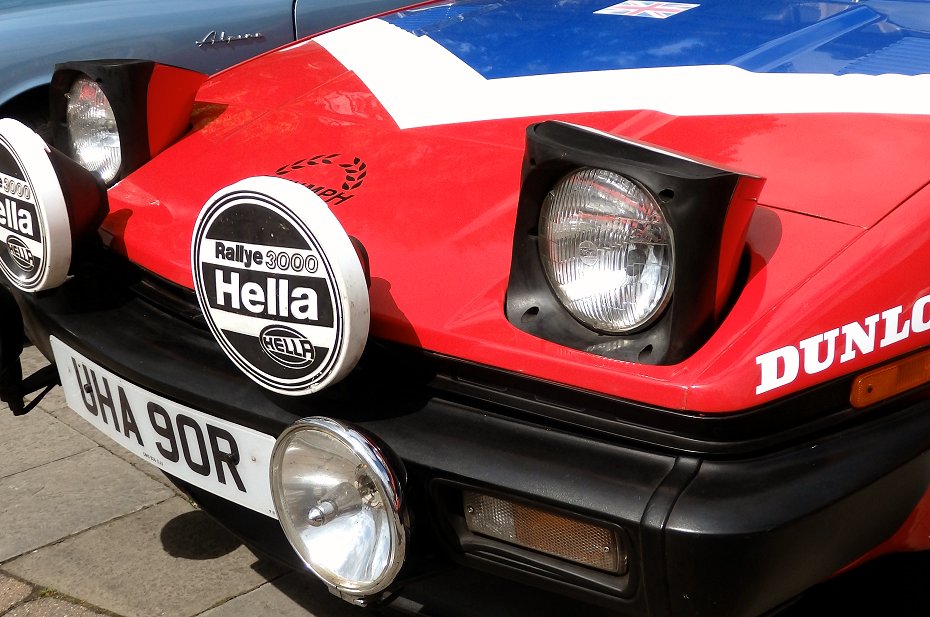
Pop Up Headlights and Analog Cars: When Cars Were Just Cars
There’s a moment every Gen Xer knows by heart. You’re standing in a parking lot, the sun is going down, and somebody flips the switch on their Mazda RX-7. Those headlights slowly rise like the car just woke up from a nap. No chime. No screen telling you your tire pressure is 0.3 PSI low. No satellite tracking your every move. Just a car being a car, doing car things, and looking absolutely sick while doing it.
We used to have something beautiful, people. Cars that were machines. Not rolling computers. Not surveillance platforms on wheels. Not subscription-based transportation appliances that need a software update before you can drive to the grocery store. Actual, honest-to-God automobiles that you could understand, fix, and — here’s the wild part — own in every sense of the word.
And yeah, I’m about to get real nostalgic about it.
Pop Up Headlights: The Greatest Automotive Feature Ever Killed
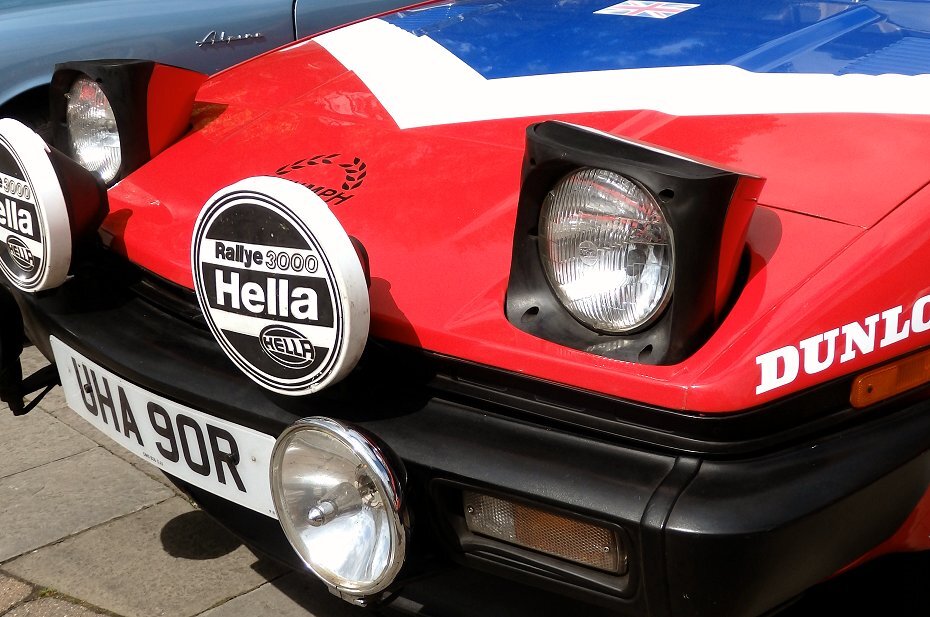
Let’s start with the crown jewel of 80s cars and 90s cars alike: the pop up headlight. If you’ve never experienced the pure, mechanical joy of watching a pair of headlights flip open on a Miata, a Toyota MR2, a Porsche 944, or a Nissan 240SX, I genuinely feel sorry for you. It was like your car was winking at the world. Every single time.
Pop up headlights weren’t just functional — they were personality. They gave cars faces. When the lights were down, your ride looked sleek and aggressive. When they popped up? Suddenly it looked surprised, or friendly, or ready for battle, depending on the car. The hidden headlamp was a design triumph that said “we care about how this thing looks and how it works.”
Pedestrian safety regulations killed them. That’s the official story, anyway. And sure, it makes sense — a raised headlight housing is harder on someone if there’s a collision. But the cynical take? They were mechanically complex and didn’t fit the cost-cutting ethos of modern manufacturing. Either way, the last car sold in America with pop up headlights was the 2004 Lotus Esprit, and the world got a little uglier that day.
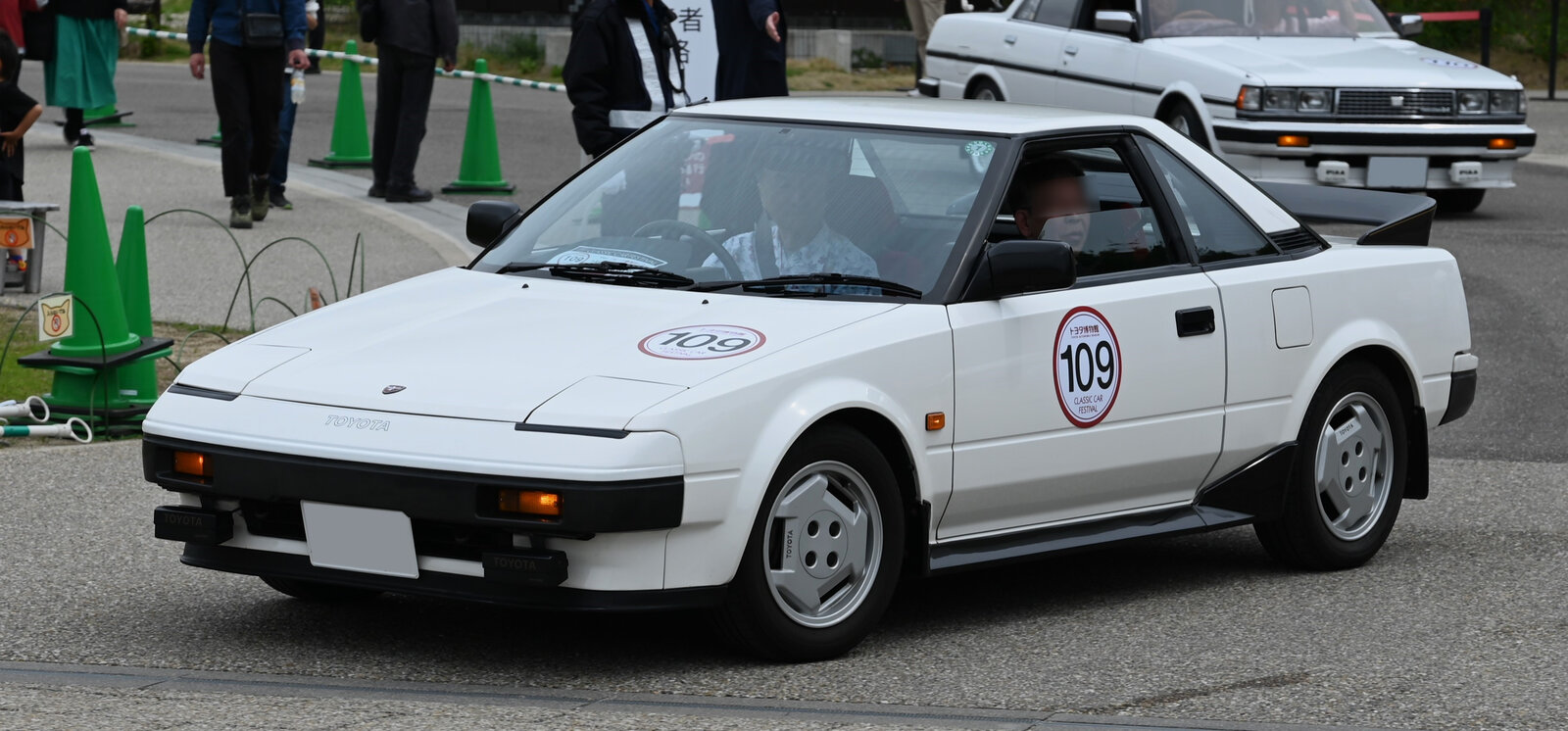
The 1985 Toyota MR2 up there? That thing was a mid-engine, rear-wheel-drive go-kart that weighed about as much as a modern SUV’s infotainment system. Pop up headlights, a 1.6-liter four-cylinder, and absolutely zero driver assistance. You drove it. It didn’t drive you.
The Dashboard Was Analog — And That Was Perfect
Open the door of any 80s car and look at the dashboard. What do you see? Gauges. Physical, actual gauges with needles that moved. A speedometer. A tachometer. Maybe a temperature gauge and a fuel gauge. That’s it. That’s all you needed.
Compare that to modern cars, where the entire dashboard is a screen. Sometimes two screens. Sometimes three screens. Screens that freeze. Screens that need rebooting. Screens that consistently rank as the most unreliable component in modern vehicles according to Consumer Reports.
You know what never needed a reboot? A knob. A physical, tactile, beautiful rotary knob that controlled your heater. You grabbed it. You turned it. Warm air came out. Done. No navigating through three menu layers while doing 70 on the highway. No accidentally hitting the “seat massage” button when you were trying to change the radio station.
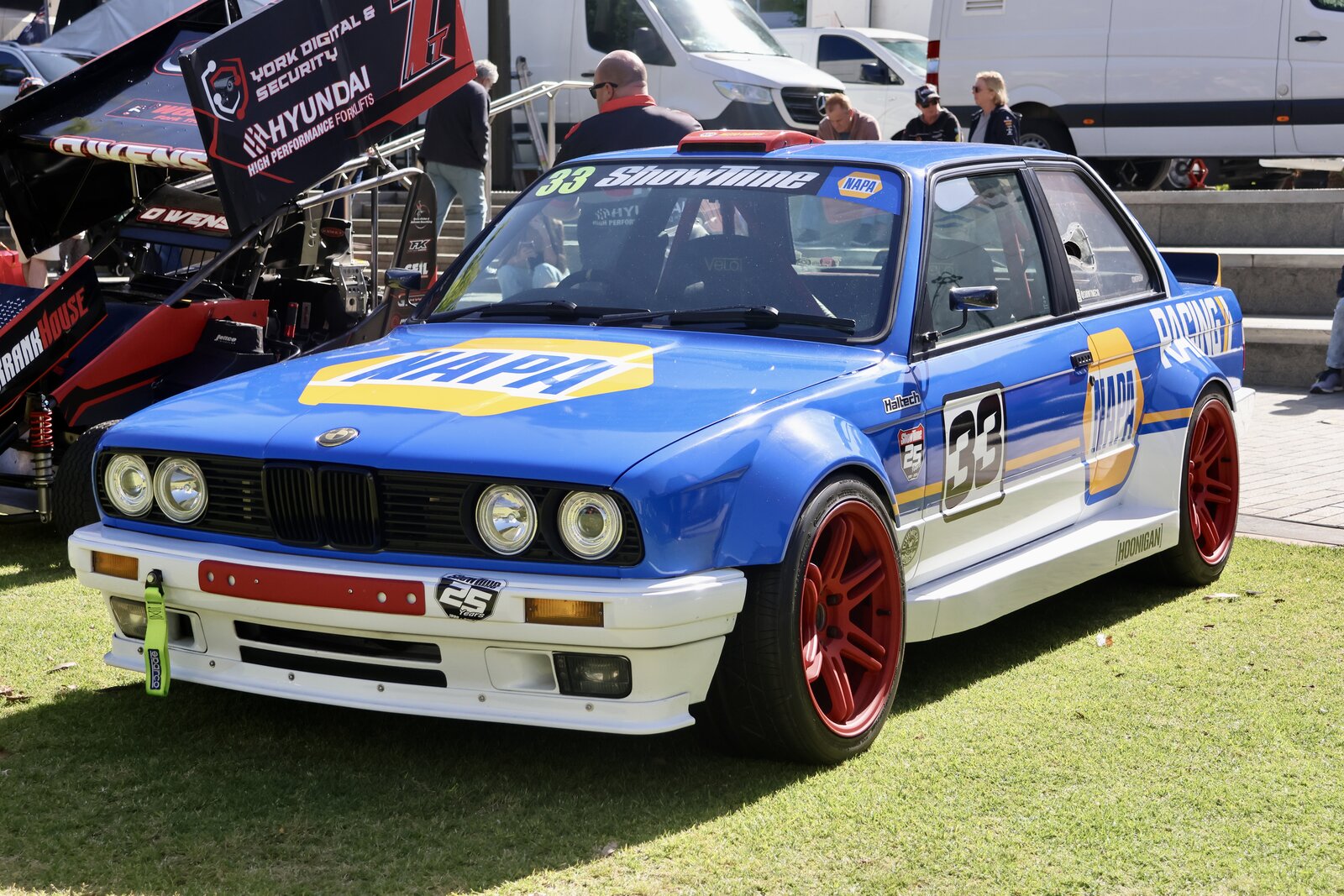
80s cars had buttons and switches that you could find by feel, without taking your eyes off the road. That wasn’t just charming — that was genuinely safer than what we have now. Every UX designer in Silicon Valley should be forced to spend a week with a 1987 BMW E30 before they’re allowed to touch a car interface.
You Could Actually Fix the Thing Yourself
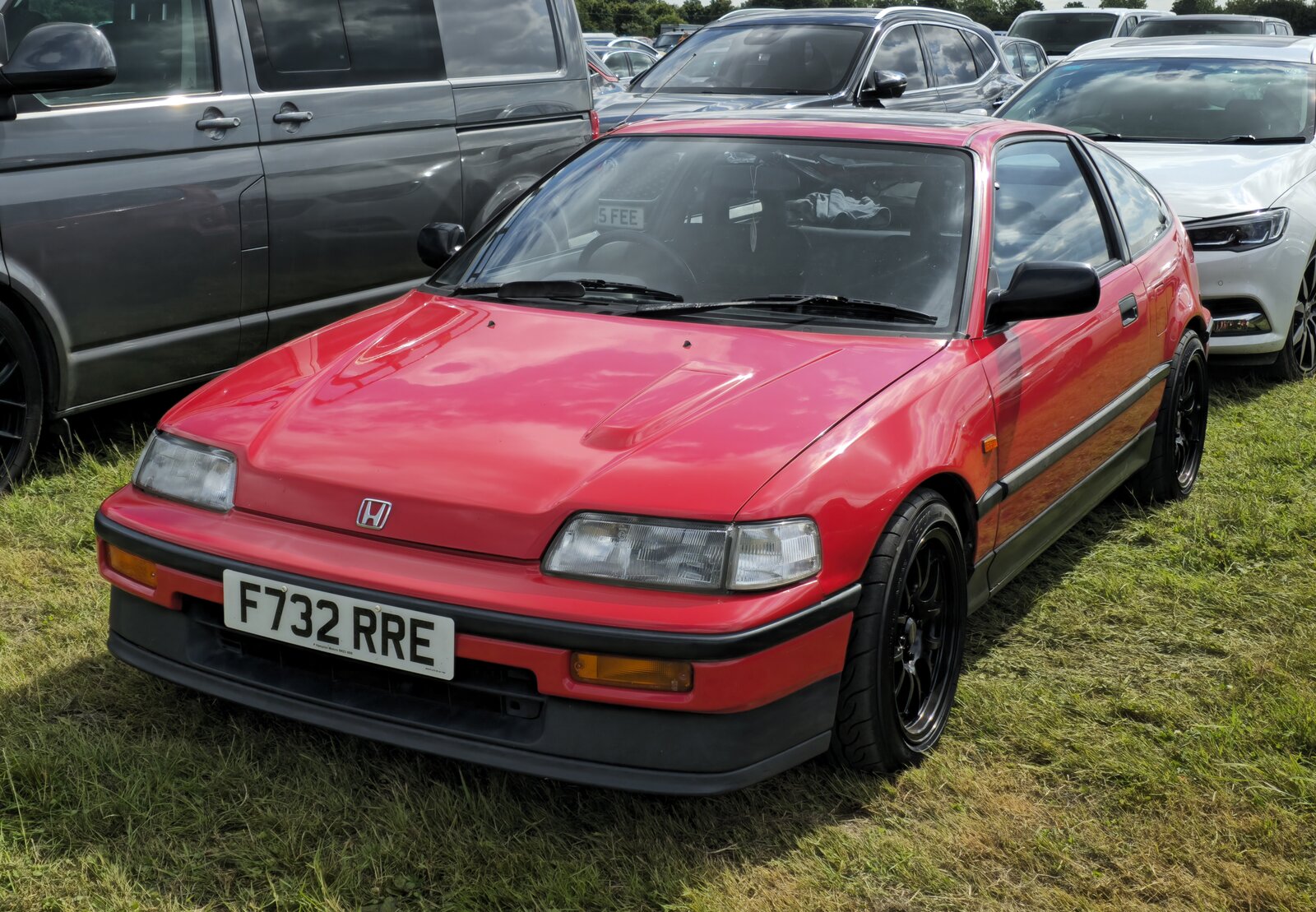
Pop the hood on a 1988 Honda CRX. Go ahead. Look at that engine bay. You can see the engine. You can reach the engine. There’s space in there. Space to put your hands. Space to change your own spark plugs, replace a belt, swap out an alternator on a Saturday afternoon with a $30 Haynes manual and a cold six-pack.
Now pop the hood on a 2025 crossover. What do you see? A plastic cover. That’s it. Under the plastic cover? More plastic covers. Then wiring harnesses that look like they belong in a server room. Sensors that cost $400 each. ECUs talking to other ECUs in languages you’re not authorized to understand.
Modern cars have literally been designed to prevent you from working on them. The technology revolution of the 80s was supposed to make things better, and in many ways it did. But somewhere along the way, the car industry decided that owner-serviceability was a bug, not a feature. Your dad could rebuild a carburetor. You need a proprietary diagnostic computer just to figure out why your check engine light came on.
The CRX up there? It weighed 1,800 pounds. Got 50 miles per gallon. Had a manual transmission. And if something broke, you could walk into any auto parts store, buy the part for under a hundred bucks, and fix it in your driveway. That’s not nostalgia talking. That’s just objectively rad.
The Cassette Deck: Peak In-Car Entertainment
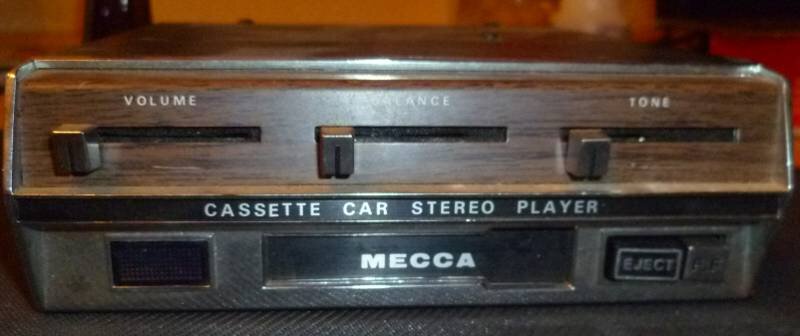
Before Spotify, before Bluetooth, before Apple CarPlay turned your car into an iPhone accessory, there was the cassette deck. And it was glorious.
Making a mixtape for the car was an art form. You had to plan it. You had to time the songs so they fit on the tape without cutting off halfway through “Don’t Stop Believin’.” You had to decide the order — the opening track set the mood for the entire drive. This was personal. This was curated. This was yours.
And the physical act of pushing a cassette into the slot, hearing that satisfying mechanical click, and then the music starting? That was tactile satisfaction that no touchscreen “Now Playing” animation will ever match. Your favorite 80s experiences — whether it was the arcade, the mall, or cruising around — all had a killer soundtrack that came from a tape deck.
Oh, and if the tape got eaten? You grabbed a pencil, stuck it in the spool, and carefully wound it back in. Problem-solving with household objects. Gen X in a nutshell.
No GPS, No Problem — We Had Thomas Guides and Common Sense
Your car didn’t know where you were. Your car didn’t care where you were. There was no blue dot on a screen. No voice telling you to “turn right in 400 feet.” No satellite tracking your every trip and selling that data to insurance companies and advertising networks.
We had Thomas Guide map books. Massive, spiral-bound atlases that lived in the car permanently. You’d flip to the right page, find the intersection, and figure out the route yourself. Was it sometimes frustrating? Sure. Did you occasionally end up in the wrong neighborhood at 11 PM? Absolutely. But you learned your city. You built a mental map. You developed a sense of direction that people who’ve never driven without GPS literally do not have.
And here’s the part that nobody talks about: nobody was tracking you. You could drive wherever you wanted, whenever you wanted, and the only record of your journey was the odometer ticking up. No geo-tagged data points. No “your car was parked at this location for 47 minutes” notifications sent to an app. Just you, the road, and freedom in the most American sense of the word.
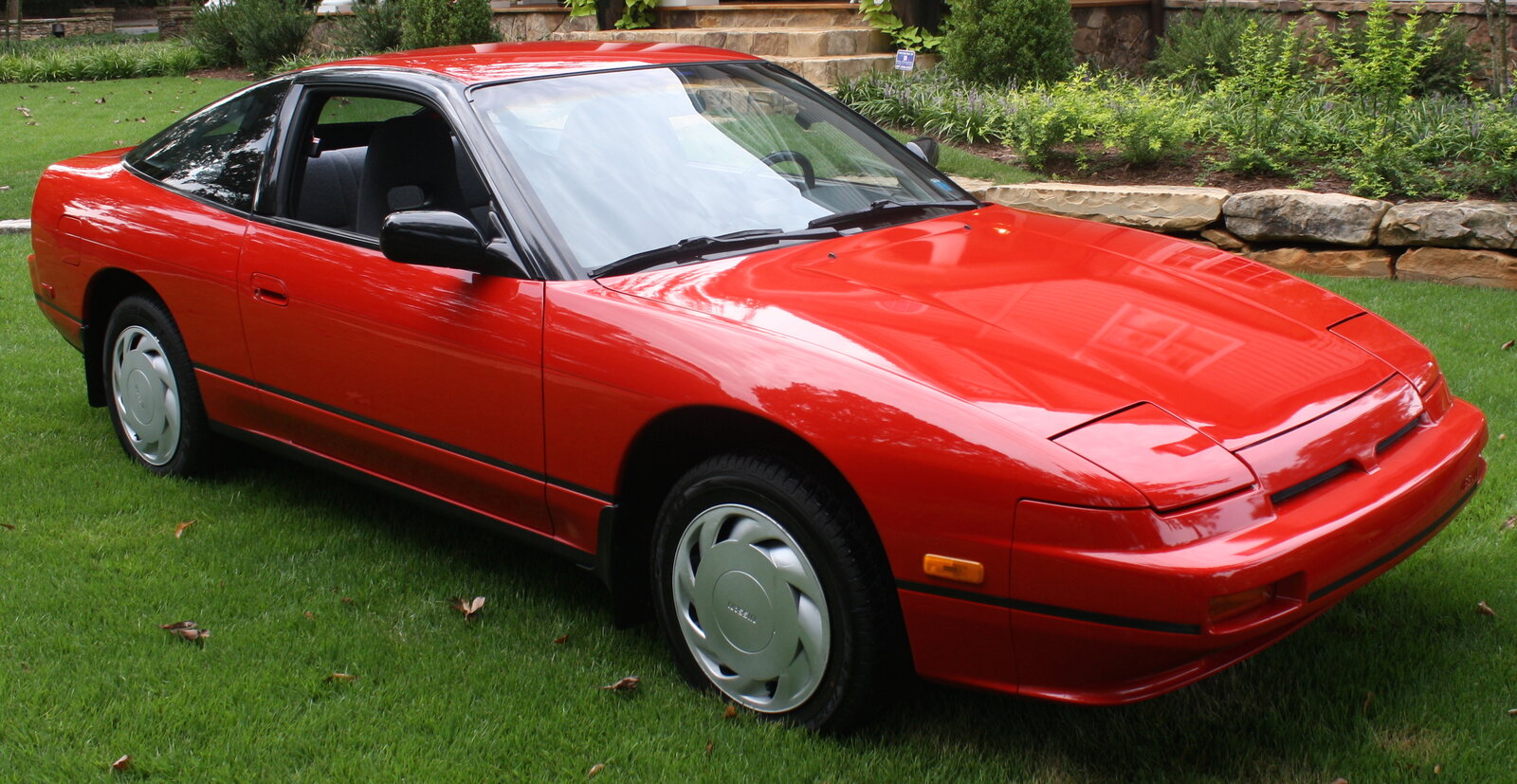
That 1990 Nissan 240SX up there had pop up headlights, a rear-wheel-drive chassis that made it a drift legend, and absolutely zero knowledge of where it was on Planet Earth at any given moment. And it was better for it.
Manual Windows: The Original Arm Workout
Before power windows, you had a crank. A mechanical, geared, hand-operated window crank that required actual physical effort to use. And honestly? It was fine. It was more than fine. It worked every time, it never broke (unlike power window regulators, which fail constantly), and it gave your left arm a workout that no gym membership could replicate.
There was a whole technique to the drive-through window crank. Roll up to the speaker, crank down the window, shout your order, crank it back up so you don’t freeze (or melt, depending on the season), pull forward, crank it down again. It was a whole choreography. And there was something deeply satisfying about the mechanical connection — you were physically interacting with your car, and it responded instantly.
Modern cars with auto-up, auto-down windows that you have to “re-learn” after a battery disconnect? Cars where the window switch breaks and it costs $300 to replace because it’s integrated into a power module? Give me the crank. Give me the crank every day of the week.
No OTA Updates Bricking Your Car at 3 AM
Here’s a sentence that would have made zero sense in 1989: “I can’t drive to work because my car is installing a software update.”
Modern cars receive over-the-air updates that can change the behavior of your vehicle while it sits in your driveway. Sometimes these updates are fine. Sometimes they remove features you already paid for. Sometimes they introduce new bugs. Sometimes your car literally won’t start because the update failed halfway through.
In the 80s and 90s, the car you bought was the car you had. It didn’t change. It didn’t get nerfed. Nobody could remotely disable your heated seats because your subscription lapsed. The idea of a subscription for a car feature would have gotten you laughed out of any dealership in America. “Pay monthly for your own seat heaters? What are you, nuts?”
But here we are. BMW tried it. Toyota tried it with remote start. And the trend is only accelerating. Your car is becoming a platform, not a product. An analog car from 1987? That was a product. You bought it. You owned it. End of transaction. The rise of the connected internet in the 90s was exciting, but nobody imagined it would eventually come for your steering wheel.
The Cars That Did It Best
If we’re building the Mount Rushmore of analog cars — machines that perfectly captured the spirit of “just a car” — here’s the lineup:
The Mazda Miata (NA, 1989): Lightweight, rear-wheel-drive, manual transmission, pop up headlights. 2,100 pounds of pure driving joy with zero electronic nannies. The automotive equivalent of a handwritten letter.
The Honda CRX (1988): Under 1,900 pounds, 50 MPG, and quicker through corners than cars with twice its horsepower. Proof that simplicity and fun are the same thing.
The Toyota AE86 (1983-1987): A rear-wheel-drive compact that became a drift icon. Mechanical fuel injection, no traction control, just a rev-happy engine and your own two hands.
The Pontiac Firebird Trans Am (1982): Big, loud, unapologetic American muscle. T-tops, a screaming chicken on the hood, and an engine you could practically climb inside. This is what a car was supposed to feel like.
Every single one of these machines could be diagnosed, repaired, and enjoyed with basic tools and basic knowledge. Try saying that about anything in a modern dealer showroom.
Watch This and Try Not to Feel Something
If you need a pure hit of automotive nostalgia straight to the veins, watch this compilation of pop up headlights doing their thing. RX-7s, Ferraris, Corvettes, Miatas, 300ZXs — all the legends, all flipping their lights in beautiful synchronization. It’s basically ASMR for gearheads.
Tell me that doesn’t hit different than watching a Tesla’s screen boot up. Tell me that a Porsche 928 lazily opening its eyes isn’t more charismatic than any LED light bar on any modern crossover. You can’t. Because it is.
We’re Not Going Back — But We Can Remember
Look, I’m not delusional. I know we’re not going back to carburetors and Thomas Guides. Modern cars are safer, faster, more efficient, and more capable than anything from 1987. That’s just reality.
But something was lost in the transition. Something intangible. The relationship between driver and machine used to be direct, physical, and personal. You felt the road through the steering wheel. You heard the engine through the firewall. You shifted your own gears, cranked your own windows, and found your own way home.
Now you sit in a climate-controlled pod while algorithms handle the rest. The car drives itself, entertains itself, navigates itself, and reports on itself to whoever’s willing to pay for the data. You’re not a driver anymore. You’re a passenger who happens to be sitting in the front seat.
So here’s to the analog cars. The 80s cars with their pop up headlights and manual everything. The 90s cars that still let you feel the road. The machines that were just machines — honest, simple, fixable, and free. They didn’t need a WiFi connection. They didn’t need a subscription. They didn’t need a software engineer.
They just needed gas, oil, and someone who actually wanted to drive.
And that, my fellow Gen Xers, was more than enough.