
How Native Tongues Turned Hip-Hop Into a Family Reunion
Before crews were rivals, they were cousins. Here’s how De La Soul, A Tribe Called Quest, the Jungle Brothers, and Queen Latifah built the most laid-back empire in Golden Age hip-hop.
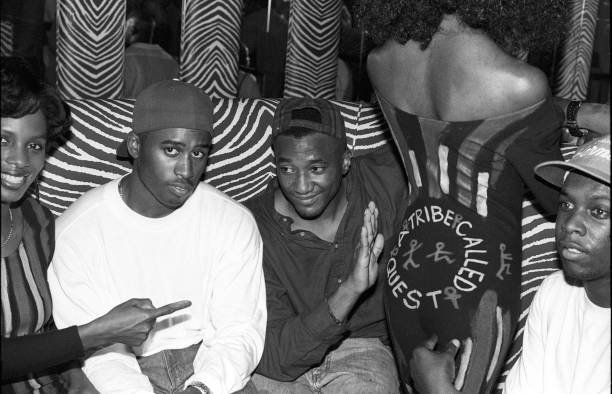
Before crews were rivals, they were cousins. Here’s how De La Soul, A Tribe Called Quest, the Jungle Brothers, and Queen Latifah built the most laid-back empire in Golden Age hip-hop.
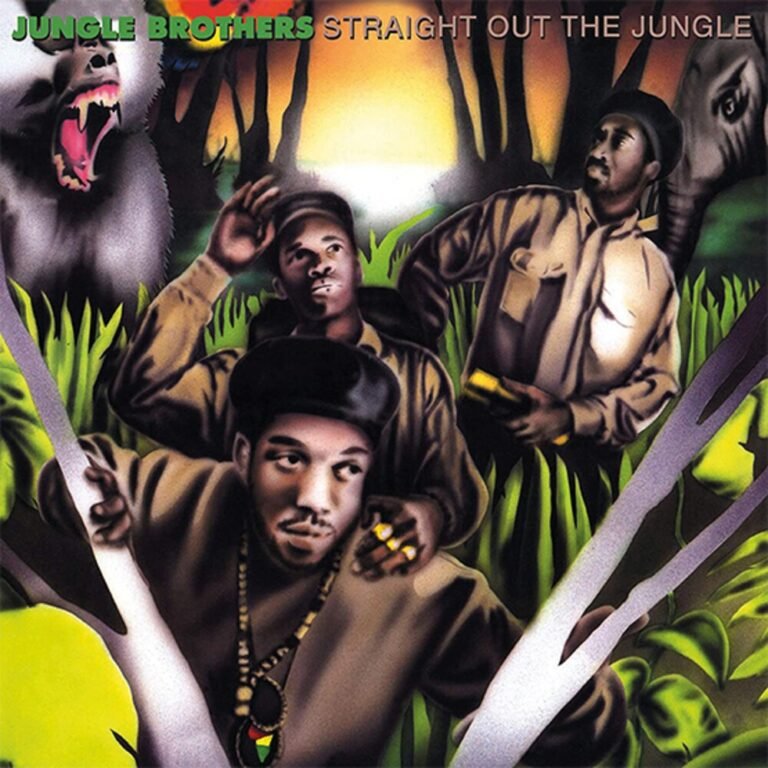
Long before hip-hop split into charts and camps, a loose family of Queens and Brooklyn rappers proved the genre could be strange, tender, and jazzy all at once. This is the story of the Native Tongues.
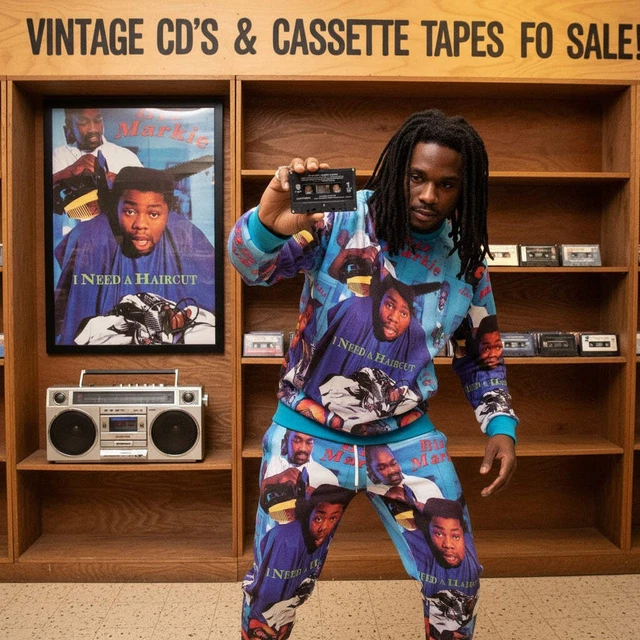
In 1991, a federal judge pulled Biz Markie’s album off shelves over an uncleared sample — a courtroom fight that quietly forced Golden Age hip-hop to change how it was made.
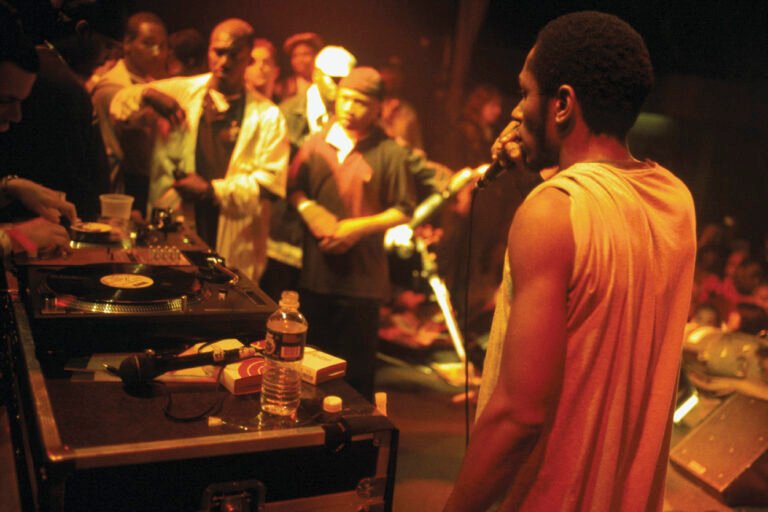
While Puff Daddy threw platinum parties, a quieter revolution was happening in record shops and late-night radio. The story of the Golden Age underground that refused to sell out.

While the airwaves filled with hardcore posturing, a loose crew of Long Island and Bronx kids dressed in daisies and dashikis quietly rewired what Golden Age hip-hop could be about.
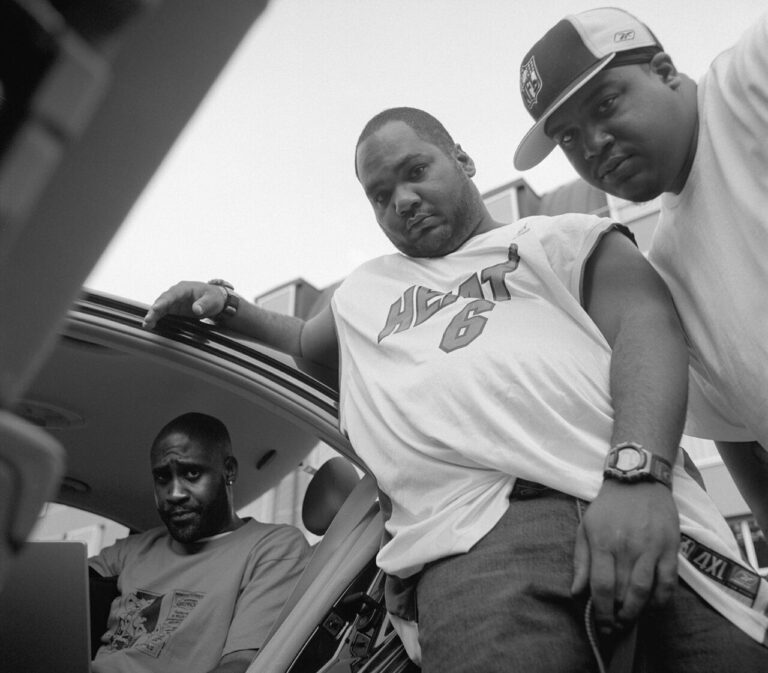
The Golden Age of hip-hop (1990–1999) wasn’t built by lone geniuses — it ran on crews. Inside the collectives, camps, and clans that turned the decade into rap’s greatest era.