Rawkus, Mos Def, and the Quiet Revolution That Kept 90s Hip-Hop Honest
By 1997, hip-hop had gone platinum in every sense of the word. Puff Daddy was throwing parties for everyone who moved a million units. Bad Boy and Death Row had turned rap into a spectator sport — champagne, fur coats, the entire theater of wealth played out in videos that looked more like jewelry commercials than music. Radio was locked down. If you weren’t rotating on TRL or 106 and Park, you might as well not exist.
And then there was everything else.
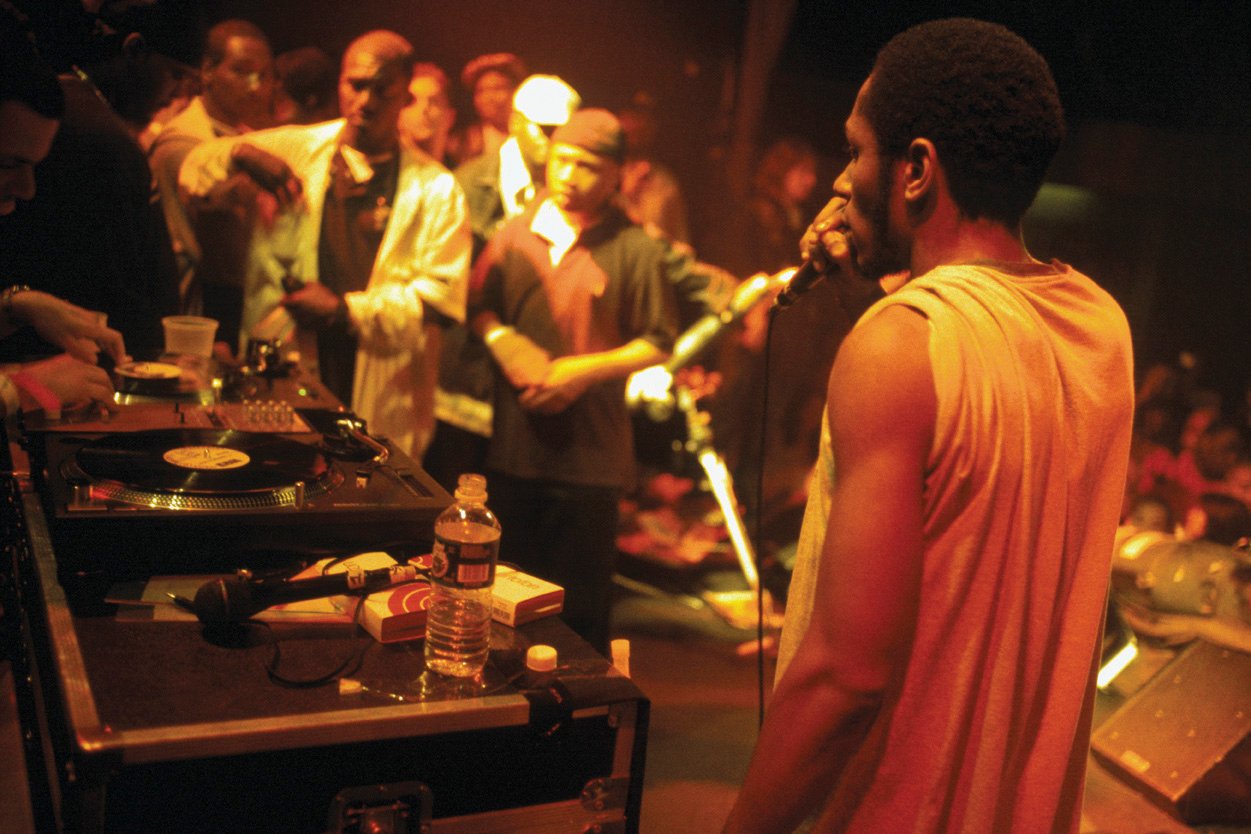
While mainstream hip-hop chased the money, a parallel world was flourishing in basement venues, on college radio stations, and at small New York City showcases where someone with a microphone and a crate of vinyl could still make a room feel like something sacred was happening. This was the underground — and in the second half of the 90s, it produced some of the most durable music the Golden Age had to offer. Not durable like a hit single that ages well. Durable like something built to last fifty years and still have something to say.
The Retro Almanac
A monthly roundup of "on this day" highlights from that month, decades back — plus first dibs on new retro merch drops. No spam, just the good stuff.
A Tribe Called Quest and De La Soul: The Blueprint
You can’t tell the story of 90s conscious hip-hop without starting in Queens and Long Island — specifically with A Tribe Called Quest and De La Soul, the two groups who proved hip-hop didn’t have to be hard to be honest. ATCQ’s The Low End Theory (1991) and Midnight Marauders (1993) laid out a blueprint: jazz samples instead of crushing drums, conversation instead of bravado, introspection instead of street posturing. Q-Tip rapped like he was thinking out loud in the best possible way. Phife Dawg grounded every track with a wit that never went stale.
The Low End Theory was also the record that proved bass could be a philosophical instrument — that hip-hop could aspire to the same emotional intelligence as jazz without losing any of its propulsive energy. When it dropped in 1991, it quietly shifted what a generation of listeners thought was possible inside a four-minute song. It didn’t announce itself the way harder records did. It just sat there and waited for you to catch up.
De La Soul had been doing it since 3 Feet High and Rising in 1989, but their Buhloone Mindstate (1993) took the art-forward approach to its natural extreme — dense, sampled from everywhere, unapologetically strange. Neither group was selling out arenas. But the people who found them became missionaries. They handed records to friends and said you need to hear this with the same urgency you’d use to report a fire. These groups set the coordinates for what followed. The underground always knew exactly where it was going because they had a map.
Rawkus Records: The Label That Believed in Words
In 1995, two New York friends — Brian Bratter and Jarret Myer — started a record label with a specific conviction: hip-hop had gotten too comfortable with easy money, and somebody needed to hold the line on craft. They called it Rawkus Records, set up an office in Manhattan, and started looking for artists who could actually rap. Not rap-adjacent. Not marketable. Actually rap — the kind of rapping that made you rewind the tape three times because you couldn’t believe someone strung those words together that fast, that precisely, with that much meaning packed into sixteen bars.
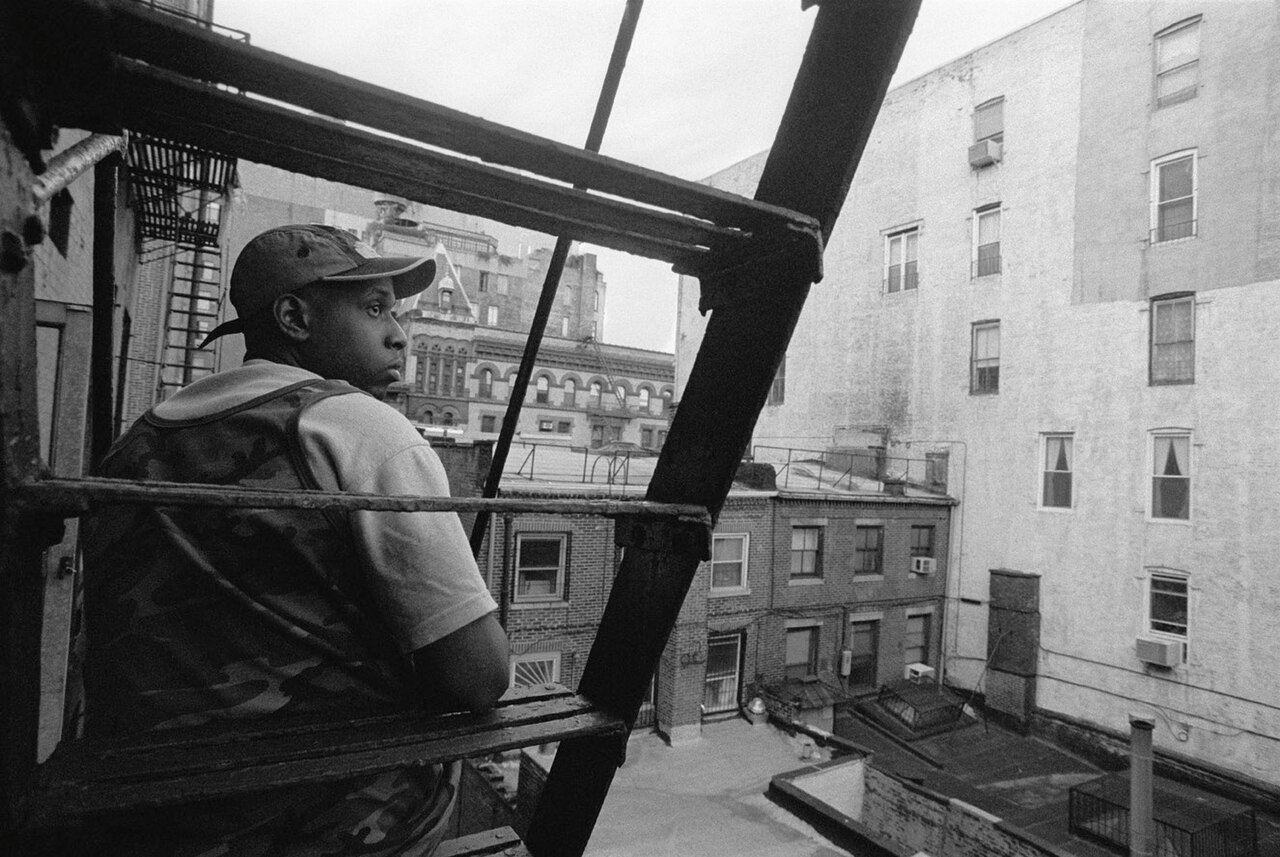
The Rawkus roster would eventually read like a shortlist for any serious hip-hop listener’s all-time favorites: Mos Def, Talib Kweli, Pharoahe Monch, Company Flow, Black Star, Reflection Eternal, Big L. These weren’t names that moved units at Best Buy in 1997. They were names people whispered in record shops, underlined in the back pages of The Source, and discovered at 1 AM on a college radio station that wasn’t supposed to be this important.
Their early material arrived through a series of Soundbombing compilations — essentially critical-press mixtapes packed with exclusive freestyles and album cuts. If you found a Soundbombing in 1997 or 1998, you knew immediately that you had found something. It felt like being handed a map to a city most people didn’t know existed, written in a language that only certain people could read fluently.
Late-Night Radio and the Underground Network
Before the internet made music discovery frictionless, the underground ran on word of mouth, physical media, and one crucial radio show. Stretch Armstrong and Bobbito Garcia hosted a late-night program on Columbia University’s WKCR from 1990 to 1998 — on air at 1 AM on Thursdays, pulling in the listeners who cared enough to stay up that late and turn the dial to a college station in the first place. Artists came in with unreleased material and exclusive freestyles. Careers were built on those airwaves. If Stretch and Bob played your record, you were known in the circles that mattered.

The Lyricist Lounge events in New York — launched by Danny Castro and Anthony Marshall in 1991 — gave the underground a physical home. Showcases at small Manhattan venues let unknown MCs perform in front of audiences who were actually listening, not talking over the music. This was a scene built on attention, not ambient noise. You came to hear every bar. You knew when someone was doing something special.
Black Star: The Album That Arrived Like a Whisper
In August 1998 — the same summer that Will Smith’s Gettin’ Jiggy Wit It was still hanging on radio playlists — Mos Def and Talib Kweli dropped a self-titled album as Black Star. It came out on Rawkus, with almost no promotional budget and no major label machinery behind it. It still changed the way people listened to hip-hop.

Black Star was not a loud record. It didn’t announce itself the way Death Row records did. It was precise and controlled — lyrically operating at a level most mainstream rap had quietly left behind. Mos Def’s flow was fluid and melodic, moving between registers with an ease that made the craft look effortless. Talib Kweli’s delivery was dense with internal rhyme schemes and layered references that rewarded replay, the kind of lyrical architecture that made you realize you had missed something and go back to the start of the verse.
Songs like “Definition,” “Thieves in the Night,” and “Astronomy (8th Light)” weren’t on heavy rotation anywhere. They spread through dubbing and lending and borrowing — the cassette-to-cassette chain the underground had always relied on. If you had Black Star in your collection in 1998, you got it because someone cared enough to track it down and put it in your hands. That method of transmission created a different kind of investment in the music. You didn’t just hear it — you were entrusted with it.
Mos Def Goes Solo
After Black Star, Mos Def went solo. Black on Both Sides (1999) was the capstone of a decade of underground brilliance — a record so complete and confident that it felt like a thesis statement on what hip-hop could be when nobody was watching the sales figures. “Mathematics,” “Ms. Fat Booty,” “Umi Says” covered an unusual amount of ground for a single album: political, sensual, spiritual, and precise, often within the same verse. This was not background music. It demanded full attention.
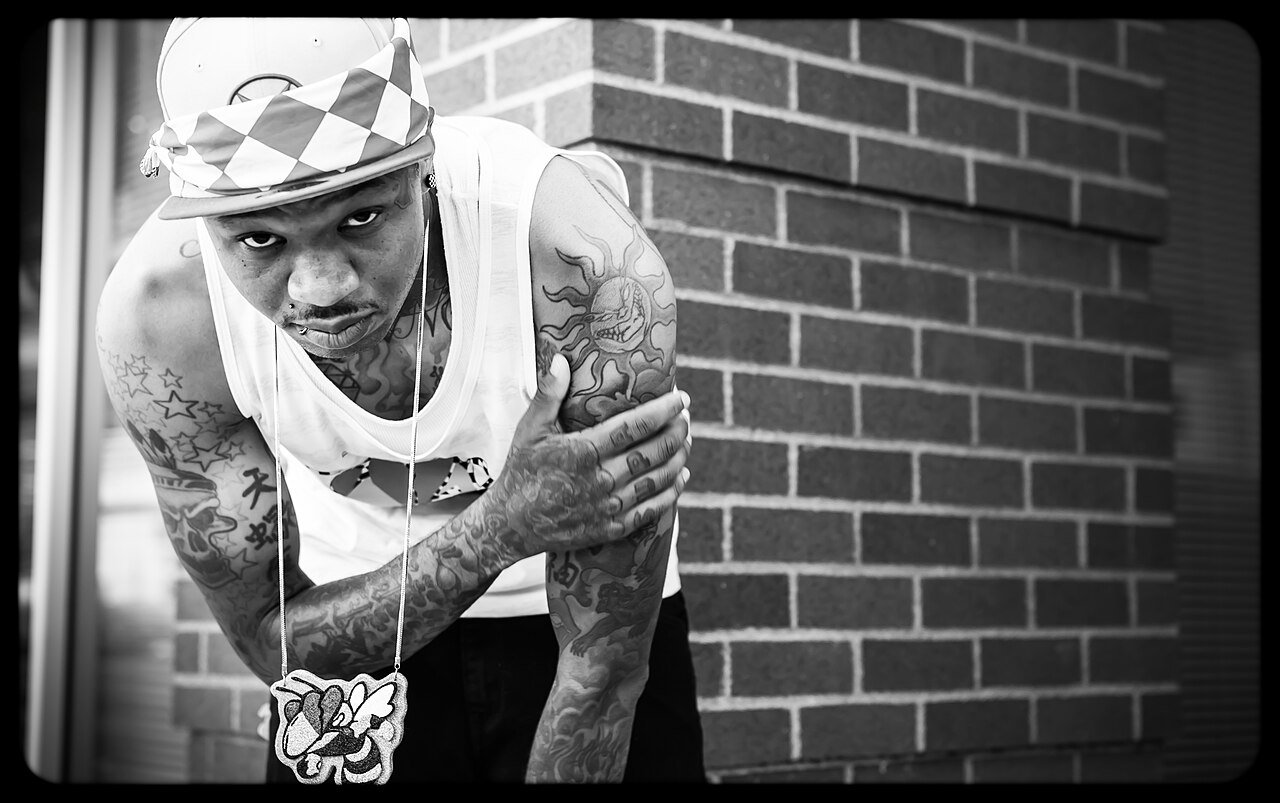
Mos Def was also an actor, a poet, and a public intellectual who appeared on late-night television and talked about things rappers weren’t supposed to discuss: politics, language, the economics of culture, the relationship between art and commerce. He made being genuinely thoughtful look cool at a moment when hip-hop’s commercial face was performing the opposite. You didn’t have to choose between smart and exciting. He was proof.
Common and the Long Game
Chicago’s Common had been rapping since the early 90s, and his career traced the entire arc of the Golden Age without quite breaking through until the era was nearly over. Resurrection (1994) was underground gospel — a dense, jazz-inflected record produced in part by No ID that almost nobody heard at the time but that serious listeners would eventually hold up as one of the decade’s best albums, full stop. The production was warm and cerebral. Common’s rhymes were introspective and self-examining in a way hip-hop almost never allowed itself to be.
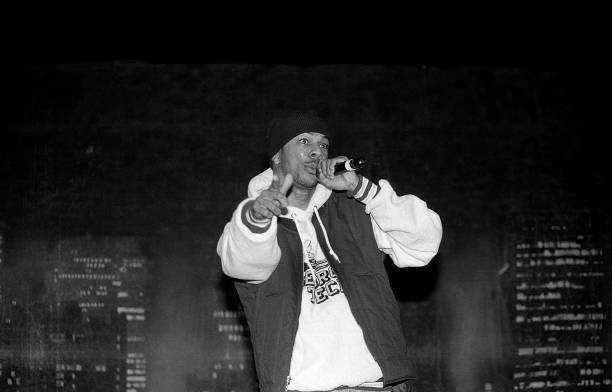
Common also picked a public fight with Ice Cube in the mid-90s that played out entirely in verse — both MCs trading bars on wax, no violence, no industry fallout, just two rappers arguing through the music about what hip-hop should be. For a moment, it was a throwback to the competitive lyricism that defined the genre’s earliest days. Even Common’s controversies were about words and craft, not posturing. Then came One Day It’ll All Make Sense (1997), and then Like Water for Chocolate (2000) — the album that finally broke him through to a mainstream audience that had spent years slowly catching up. He’d been playing the long game all along.
How You Found This Music Before the Algorithm Did It For You
This is the part Gen X listeners remember viscerally: there was no recommendation engine. No playlist served up in your feed based on what you just played. No “fans also like” sidebar pointing you toward the next thing. Finding underground hip-hop in 1997 was labor-intensive — and therefore meaningful in ways that streaming has made almost impossible to replicate now.
You’d find these records at a shop that still carried vinyl — the kind of place where the person behind the counter knew your name and what you were looking for, and would slide something across the counter and say you should probably hear this. Or you’d read a capsule review in The Source or Vibe that didn’t quite make sense until you actually sat down with the record and let it run through twice. Sometimes you stayed up until 1 AM with the radio on, waiting for Stretch and Bobbito to play an unreleased freestyle that nobody outside New York was going to hear for another two years. You made a note of the name. You went looking the next day.
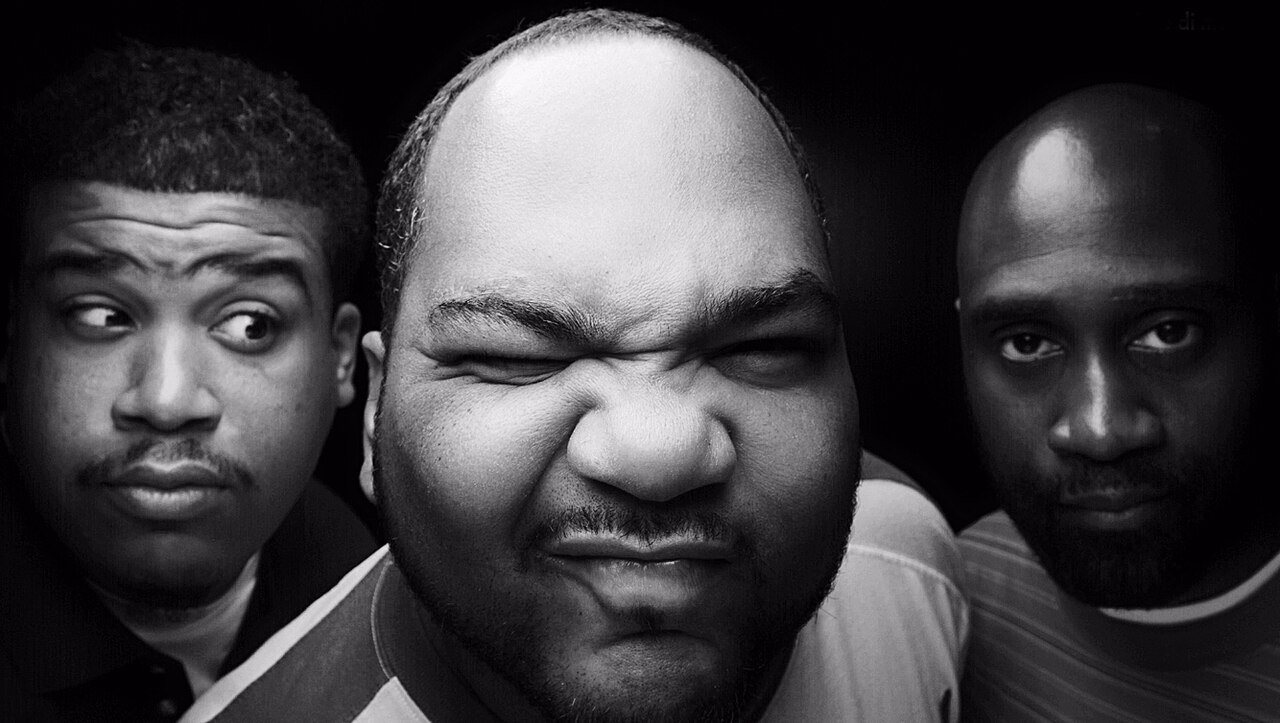
The search was part of it. When you finally sat down with Black Star or Common’s Resurrection or Company Flow’s Funcrusher Plus, you felt like you had earned it. That friction — the actual work required to discover something — created a different kind of loyalty. The people who found this music in the late 90s still have those records. They are still on the shelf, not because they’re collectibles, but because they still sound like exactly what they were: people trying to say something real.
Why the Underground Mattered Then — and Still Does
The Golden Age of hip-hop produced undeniable mainstream classics. But the underground produced something that outlasted the charts: a standard. Rawkus and the artists around it held the line on lyricism, on craft, on the foundational idea that a rapper’s primary obligation was to the words — not the image, not the marketing brief, not the demographic research behind what sounds good at 120 beats per minute on commercial radio.
When the bling era peaked and then burned — when excess became parody and the commercial machine started producing pale copies of pale copies — the underground had already quietly built something durable. Mos Def became Yasiin Bey, a global artist and actor whose career outran the decade by a wide margin. Talib Kweli never stopped recording or building his audience one show at a time. Common won an Academy Award. The records they made in the 90s are still being sampled, taught in university music programs, and cited as benchmarks for what the genre is capable of when it refuses to compromise.
This was the other Golden Age — quieter than Death Row, smaller than Bad Boy, but just as real. For the listeners who found it in the back bins of a record shop in 1997 or through a late-night radio station that nobody else was tuned to, it meant more than almost anything else from those years. Not because it was prestigious or culturally correct to love it. Because it was genuinely, undeniably great — and great in a way that had nothing to do with how many units it moved.
Sources
Black Star — Wikipedia | Rawkus Records — Wikipedia | The Stretch Armstrong and Bobbito Show — Wikipedia | A Tribe Called Quest — Wikipedia
The Retro Almanac
A monthly roundup of "on this day" highlights from that month, decades back — plus first dibs on new retro merch drops. No spam, just the good stuff.