How the Native Tongues Made Hip-Hop Weird, Warm, and Wonderful
Picture the late 1980s hip-hop landscape: gold chains thick as bike locks, gangster sneers, samples that hit like a car crash. It was thrilling, and it was everywhere. And then, somewhere between a Long Island bedroom and a Bronx basement, a handful of kids showed up wearing dashikis, peace medallions, and — no joke — plastic daisies, and started rapping about vegetarianism, body odor, and their favorite jazz records. They called themselves the Native Tongues, and they made some of the warmest, weirdest, most enduring music of the entire Golden Age of hip-hop.

If you came up in the 90s, you already know the sound even if you never knew the name. It’s the loping jazz bassline under a Tribe Called Quest verse. It’s De La Soul cracking jokes about a game-show host on 3 Feet High and Rising. It’s Queen Latifah standing tall on “Ladies First.” The Native Tongues weren’t a band or a label — they were a friendship, a vibe, and quietly one of the most influential movements in the history of rap.
It Started With the Jungle Brothers
Every family has an origin story, and the Native Tongues one begins with the Jungle Brothers. In 1988, Mike Gee, Afrika Baby Bam, and DJ Sammy B dropped Straight Out the Jungle, an album that did something almost nobody was doing yet: it fused hip-hop with house music and draped the whole thing in Afrocentric pride. “I’ll House You” was a genuine crossover moment, but the deeper move was the attitude — playful, curious, book-smart, and unbothered by the tough-guy arms race happening around them.
The Retro Almanac
A monthly roundup of "on this day" highlights from that month, decades back — plus first dibs on new retro merch drops. No spam, just the good stuff.
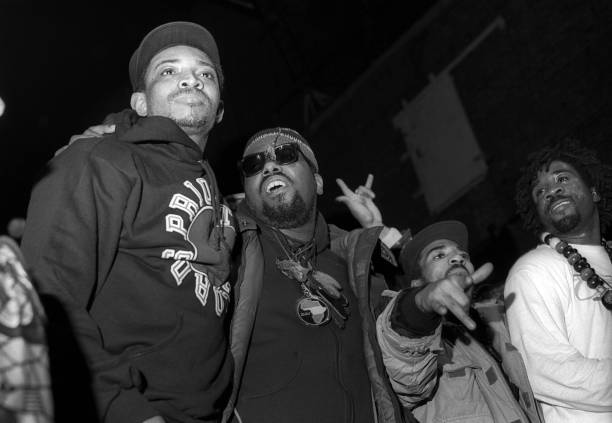
The Jungle Brothers were tight with a young DJ and MC from Queens named Q-Tip, who guested on their track “The Promo.” Q-Tip had his own crew brewing — A Tribe Called Quest — and he knew some kids from Amityville, Long Island, who called themselves De La Soul. Add in the fearless Queen Latifah and the British-born Monie Love, and suddenly there was a whole circle of like-minded artists passing the mic, guesting on each other’s records, and building something bigger than any one group. Afrika Baby Bam is credited with coining the name. The Native Tongues were born.
The Daisy Age Arrives
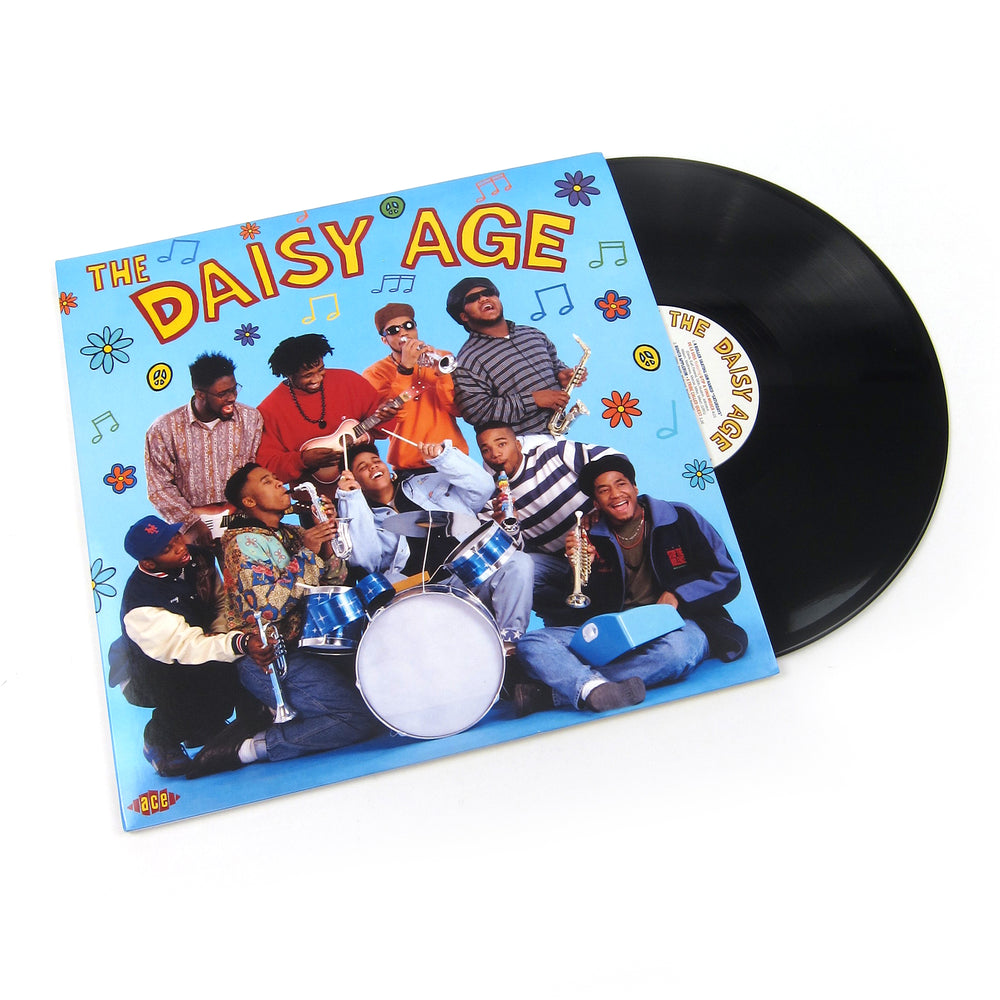
If the Jungle Brothers opened the door, De La Soul kicked it off the hinges. Their 1989 debut 3 Feet High and Rising, produced by Prince Paul, sounded like nothing else on Earth. It was a sprawling, hilarious, sample-drunk collage stitched together from Steely Dan, Hall & Oates, French language lessons, and a fake game-show framing device. Posdnuos, Trugoy the Dove, and Maseo rapped in a private language of inside jokes, and the whole thing was wrapped in a cover splashed with cartoon daisies.
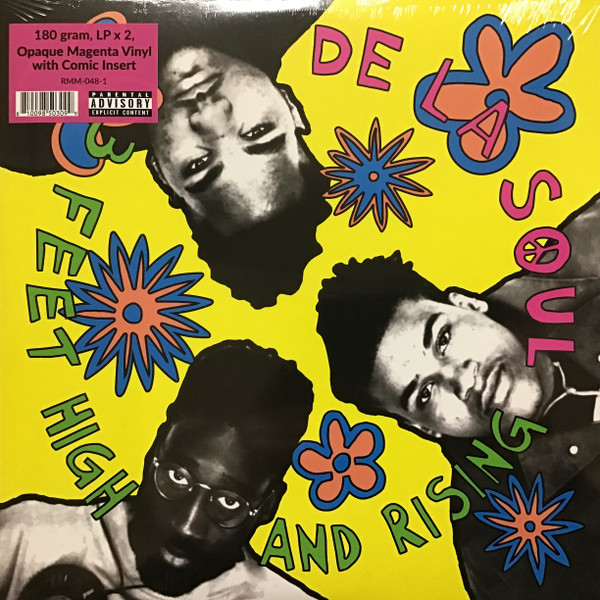
The press seized on the flowers and dubbed it the “D.A.I.S.Y. Age” — De La telling everyone it stood for “Da Inner Sound, Y’all.” It was hip-hop as a rummage sale of the imagination, and it proved you could be smart, silly, and street-credible all at once. It also, famously, got them sued: the Turtles came after them for an uncleared sample, a lawsuit that basically rewrote the rules of sampling for the entire industry. The Daisy Age had consequences.
What’s easy to forget now is how brave that flowery packaging actually was. In 1989, projecting softness in hip-hop was a genuine risk — the daisies invited eye-rolls from the hardcore crowd, and De La spent years afterward pushing back against being pigeonholed as hippie novelty acts (they literally titled their next album De La Soul Is Dead and put a smashed flowerpot on the cover). But the gamble paid off. By refusing to play tough, they carved out permanent real estate for every artist who wanted to be introspective, funny, or just plain themselves on a rap record. Weirdness, it turned out, was a superpower.
A Tribe Called Quest Perfects the Formula
If De La Soul were the collective’s mad scientists, A Tribe Called Quest were its soul. Q-Tip and Phife Dawg — with Ali Shaheed Muhammad on the boards and, early on, Jarobi White — turned crate-digging into an art form. Their 1990 debut People’s Instinctive Travels and the Paths of Rhythm was loose and jazzy, but it was 1991’s The Low End Theory that changed everything.
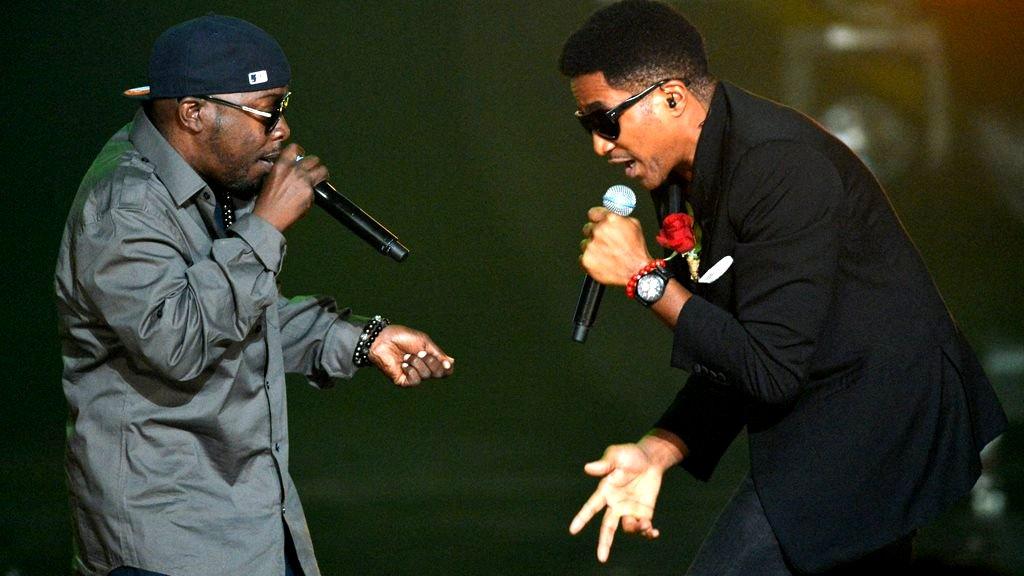
Built on upright bass, live drums, and jazz samples so tasteful they made bebop cool to a generation of teenagers, The Low End Theory is one of the most beloved albums in hip-hop history. Q-Tip’s smooth abstractions and Phife’s sharp, funny, sports-obsessed everyman verses played off each other perfectly. “Check the Rhime,” “Scenario,” “Jazz (We’ve Got)” — this was Golden Age hip-hop at its most effortlessly cool, the sound of two friends who happened to be geniuses.
That jazz obsession wasn’t just window dressing, either. Tribe famously enlisted legendary bassist Ron Carter — an actual member of Miles Davis’s second great quintet — to play on The Low End Theory, a bridge between generations that told you exactly how seriously these kids took the music that raised them. They followed it up in 1993 with Midnight Marauders, an album whose cover was a grid of tiny portraits of dozens of rap peers and heroes, a literal family photo of the culture. If you wanted a single image of the Native Tongues ethos — respect the elders, celebrate the community, keep it warm — that album cover was it.
More Than Just the Guys
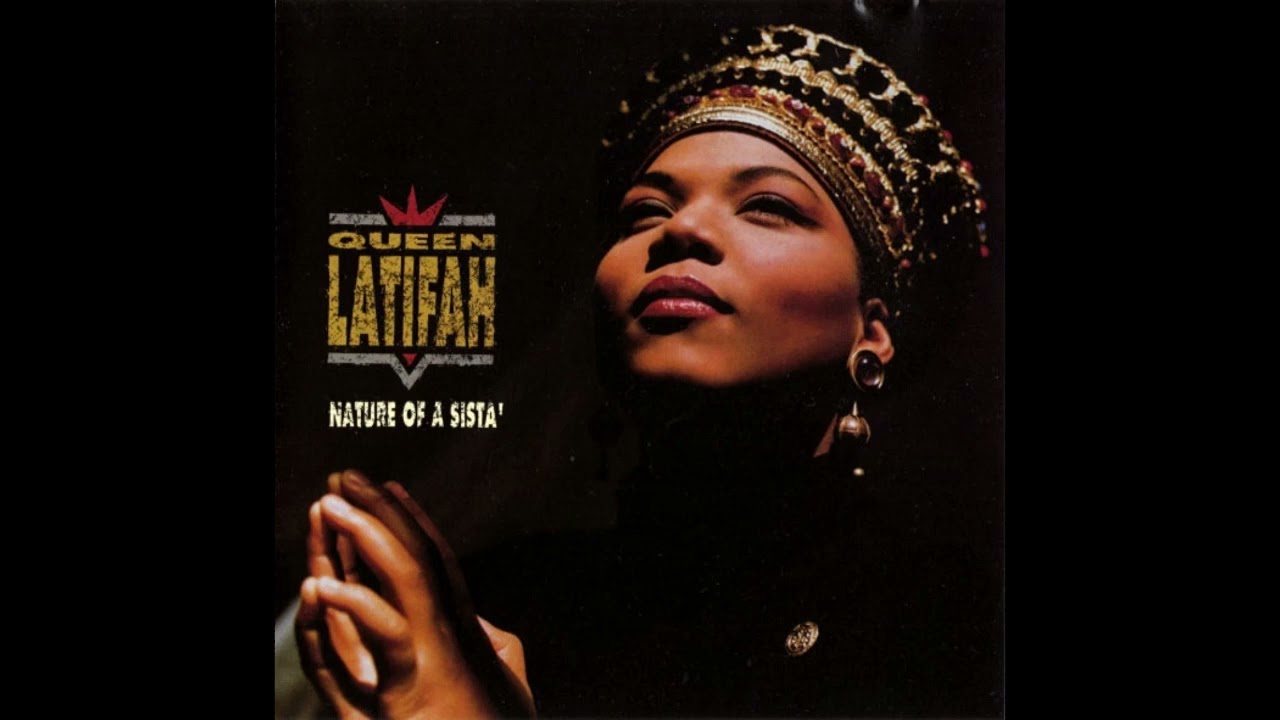
The Native Tongues weren’t a boys’ club, and that mattered. Queen Latifah’s 1989 debut All Hail the Queen arrived like a coronation, and “Ladies First,” her duet with Monie Love, was a proud, unapologetic feminist anthem at a moment when rap desperately needed one. Latifah carried herself like royalty and demanded to be treated as such — a stance that helped make space for every woman who picked up a mic after her.
The extended family kept growing. Black Sheep brought a sarcastic edge and a monster hit in “The Choice Is Yours” (you know the one — “you can get with this, or you can get with that”). Leaders of the New School gave the world an unhinged, elastic young motormouth named Busta Rhymes, whose show-stealing verse on Tribe’s “Scenario” launched one of the great careers in rap. Chi-Ali, Da Bush Babees, and others orbited the crew too. It really did feel like a movement.
What held it all together was a shared production philosophy as much as a shared friendship. This was crate-digging music, built on obscure jazz, soul, and funk records flipped through the SP-1200 and MPC samplers of the era. Producers like Prince Paul, Q-Tip, and the Ummah treated old vinyl the way a chef treats a farmers’ market — pulling out the perfect four-second horn stab or drum break and building an entire mood around it. The result was hip-hop that felt handmade and human, full of dusty warmth instead of digital sheen. It rewarded repeat listens, because there was always another buried sample, another sly reference, another inside joke to catch.
Why It Still Matters
Here’s the thing about the Native Tongues: they proved hip-hop could contain multitudes. At the exact moment the genre was being flattened in the mainstream imagination into a single tough-guy stereotype, this crew insisted that rap could be bookish and goofy, Afrocentric and pop-savvy, political and profoundly danceable — sometimes all in the same verse. They made vulnerability and humor cool.
You can draw a straight line from the Native Tongues to almost everything thoughtful that came after. The Roots, Common, Mos Def and Talib Kweli, the whole “conscious” and “alternative” rap lineage, even the jazz-inflected sound of a modern artist like Kendrick Lamar — none of it happens the same way without De La Soul and Tribe showing that there was another road. When Kanye West or Tyler, the Creator flips a soul sample into something whimsical and personal, that’s the Daisy Age echoing forward.
The movement mellowed as the 90s wore on — friendships drifted, groups splintered, and the harder sounds of the mid-decade took over the charts. But the catalog never aged a day. Pop on The Low End Theory or 3 Feet High and Rising today and it still sounds like a summer afternoon with your smartest, funniest friends. That was always the secret of the Native Tongues: they weren’t trying to be the toughest crew in hip-hop. They were just trying to be the best hang. Turns out that’s a legacy that outlasts almost everything else.
If you want to fall down the rabbit hole yourself, the original vinyl and CDs turn up all the time — start with the two records above, then chase every guest verse and shout-out until you’ve mapped the whole family tree. It’s the most rewarding scavenger hunt in music.
Browse Native Tongues vinyl and CDs on Amazon
Sources
- Native Tongues — Wikipedia
- 3 Feet High and Rising — Wikipedia
- The Low End Theory — Wikipedia
- Rolling Stone
The Retro Almanac
A monthly roundup of "on this day" highlights from that month, decades back — plus first dibs on new retro merch drops. No spam, just the good stuff.