The Decade Hip-Hop Learned to Tell Stories
Between 1990 and 1999, Golden Age hip-hop stopped bragging and started narrating — turning rappers like Nas, Biggie, and the Wu-Tang Clan into the great American storytellers of the decade.

Between 1990 and 1999, Golden Age hip-hop stopped bragging and started narrating — turning rappers like Nas, Biggie, and the Wu-Tang Clan into the great American storytellers of the decade.

From The Chronic to Illmatic, the Golden Age of hip-hop turned the 1990s into the most fearless decade rap ever had. Here’s how it happened.
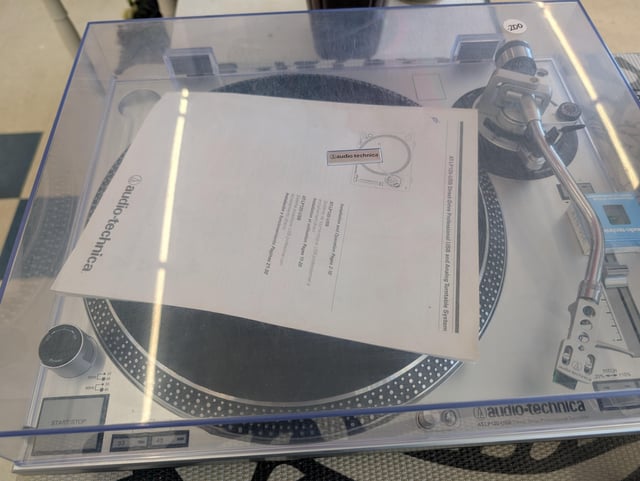
Old school hip-hop went from Bronx block parties to the Billboard charts in ten short years. Here’s how two turntables and a microphone changed everything.
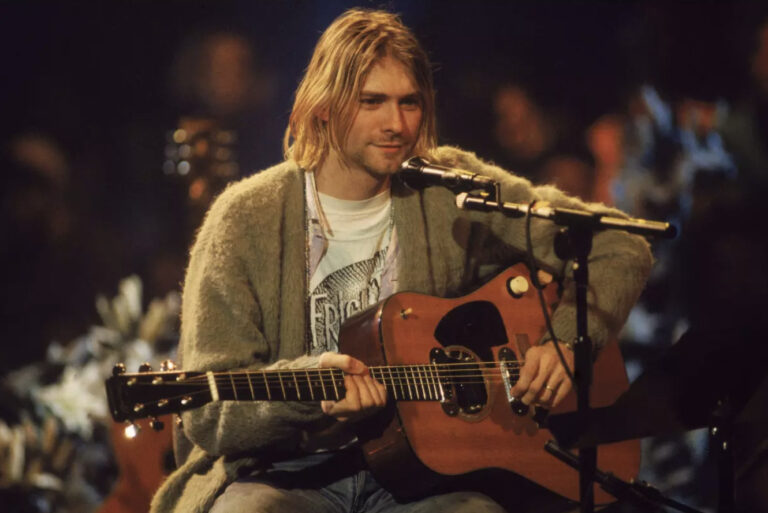
The fashion press declared grunge dead in 1996. Hot Topic, Dr. Martens, and every suburban mall kept selling it anyway. Here’s how a Seattle look quietly outlasted every trend cycle of the last thirty years and ended up back on the runway in 2024.
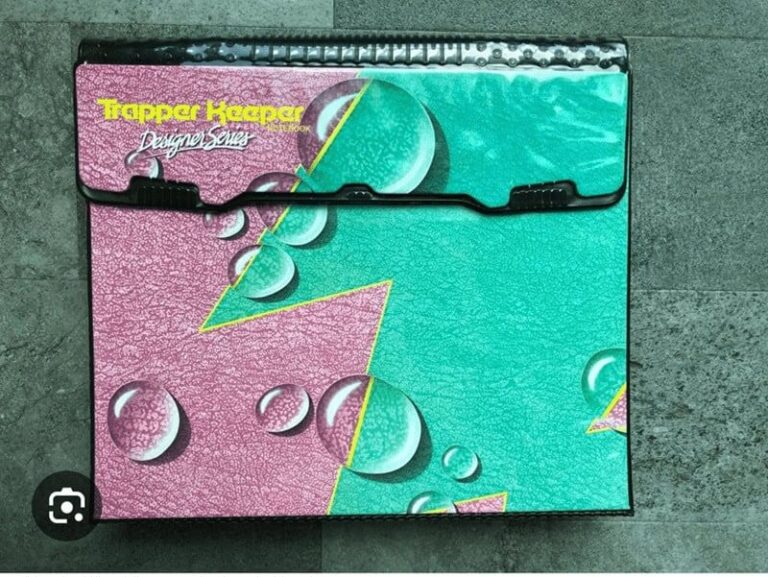
The Trapper Keeper Mead sold 75 million units between 1978 and the late 90s. Here’s why this 80s binder ruled every locker, hallway, and lunch table.
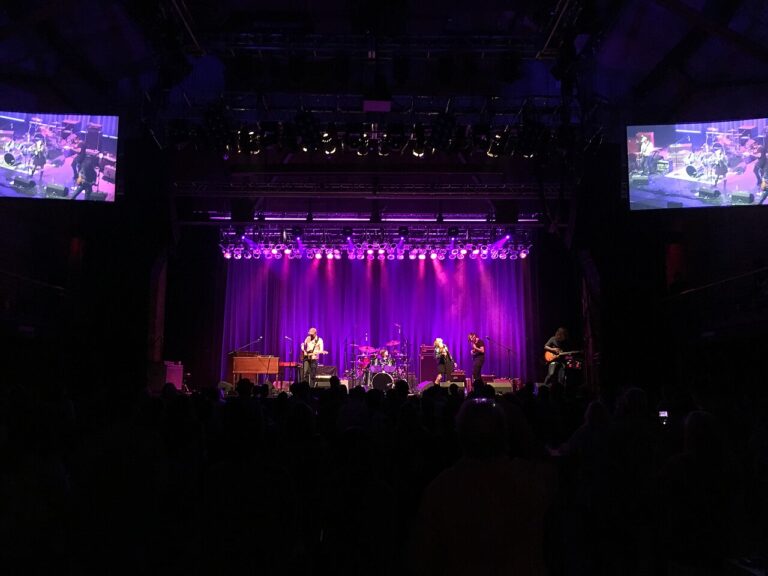
Every time the economy cracks, grunge crawls back out. It happened in 1991. It is happening again in 2024. The flannel knows something we don’t.

The November 2022 tabloids declared heroin chic back. Gen X recognized it on sight — it was the same Calvin Klein slip dress, the same combat boots, and the same warning label.
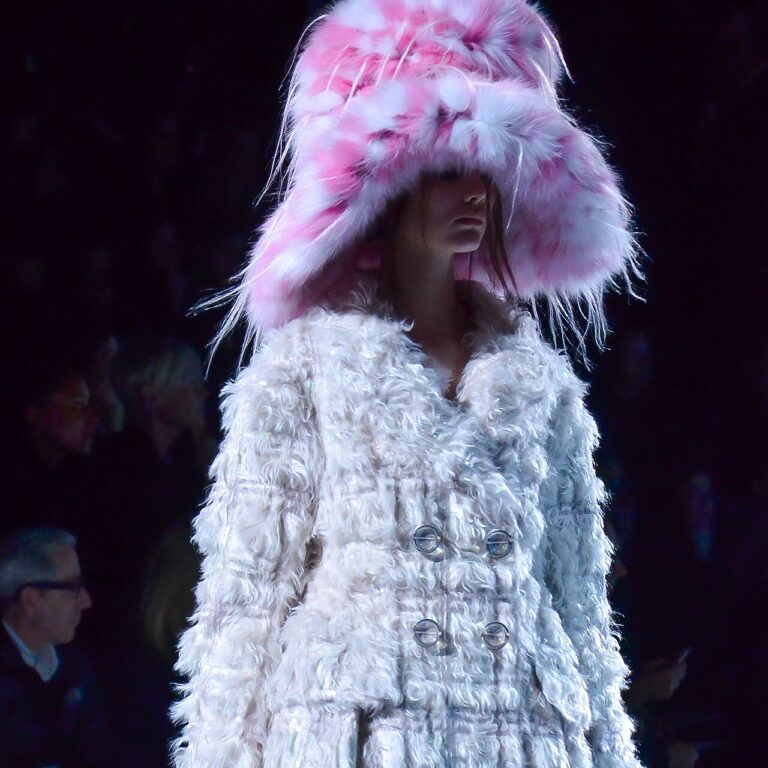
In 1993 Marc Jacobs lost his Perry Ellis job for sending grunge down the runway. Thirty-one years later, the same slip dresses and flannel are everywhere — and the industry is finally calling him a prophet.
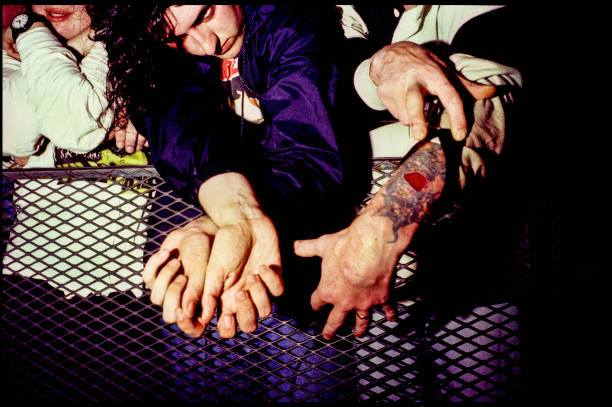
The grunge resurgence in 2020s fashion turned $5 thrift store flannel into $400 designer status symbols. Gen X watches the irony unfold with mixed feelings.
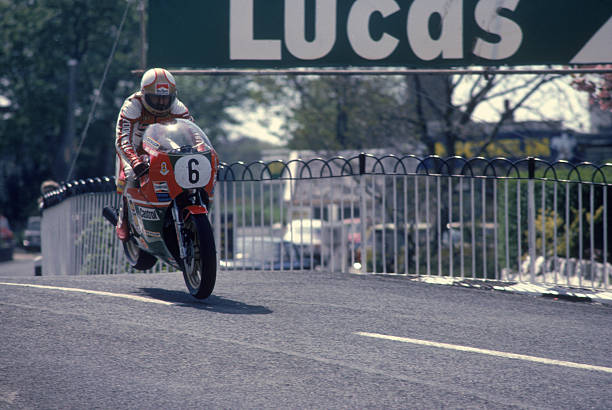
In 1992, Steve Hislop and Carl Fogarty produced the greatest race in Isle of Man TT history — 4.4 seconds apart, both breaking the lap record, with barely anyone watching live.

For one impossible summer in 1984, Prince owned the No. 1 movie, album, and single in America at the same time. Forty years later, Purple Rain still hasn’t loosened its grip on pop culture.
A no-BS field guide to grunge — the bands, the secondhand flannel, and the Gen X mood that rewired the 90s in about three years flat.