
How Wu-Tang Clan Built Golden Age Hip-Hop’s Empire
In 1992, a shoestring-budget crew from Staten Island signed a record deal nobody else dared to write. Here’s how that one contract clause let nine MCs flood the Golden Age with solo classics.

In 1992, a shoestring-budget crew from Staten Island signed a record deal nobody else dared to write. Here’s how that one contract clause let nine MCs flood the Golden Age with solo classics.
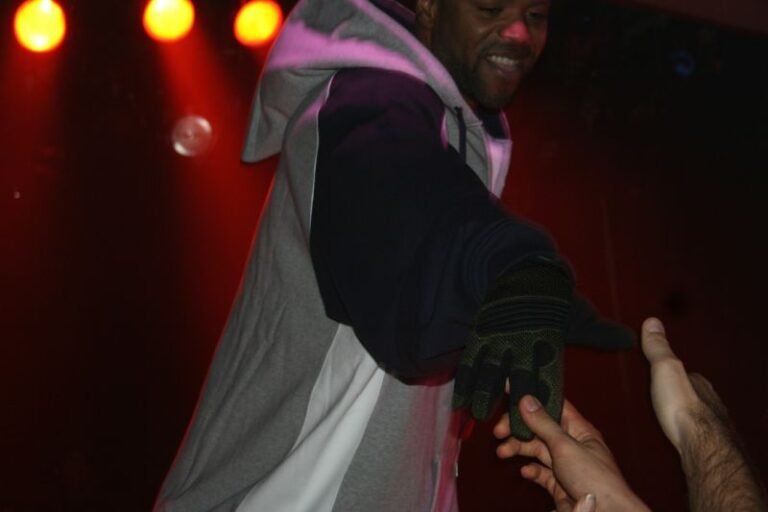
In 1993, nine rappers from Staten Island released an album that changed everything — and built the most ambitious collective in Golden Age hip-hop history.

They never took a bow, but they built everything. The story of the beat-makers who turned Golden Age hip-hop into America’s greatest musical revolution.

The MCs got the credit. But before the mic, there was the beat — and the producers who built it changed American music forever.

In 1993, nine MCs from Staten Island signed a deal unlike anything the music industry had seen. This is how Wu-Tang Clan turned the Golden Age of hip-hop into an empire that no single label could have built.
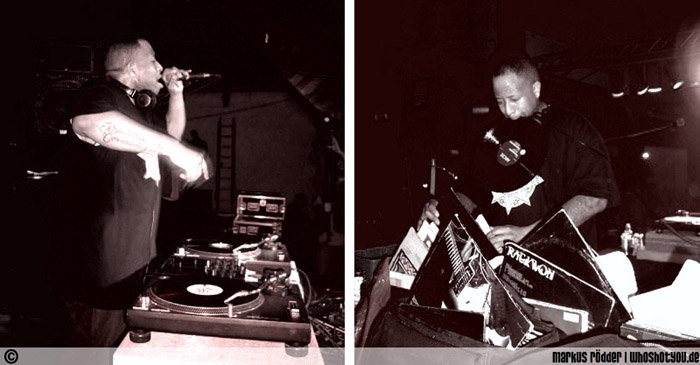
Before the MCs stepped to the mic, the producers had already built the world. DJ Premier, Pete Rock, Q-Tip, RZA, and J Dilla didn’t just make beats — they created the sonic architecture of hip-hop’s greatest decade.
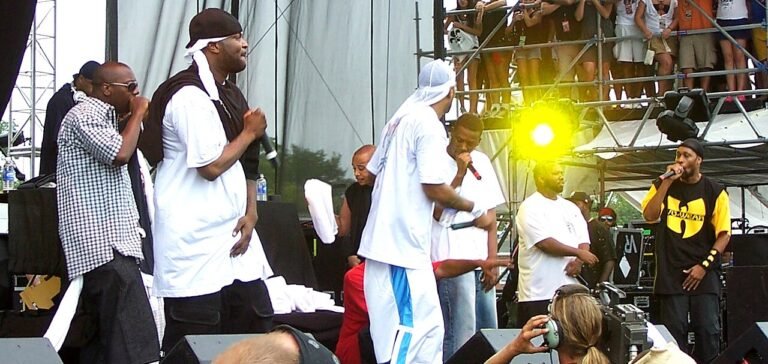
Nine MCs from the forgotten borough. One master plan. How Wu-Tang Clan conquered the Golden Age of hip-hop and built an empire that nobody in the music industry saw coming.
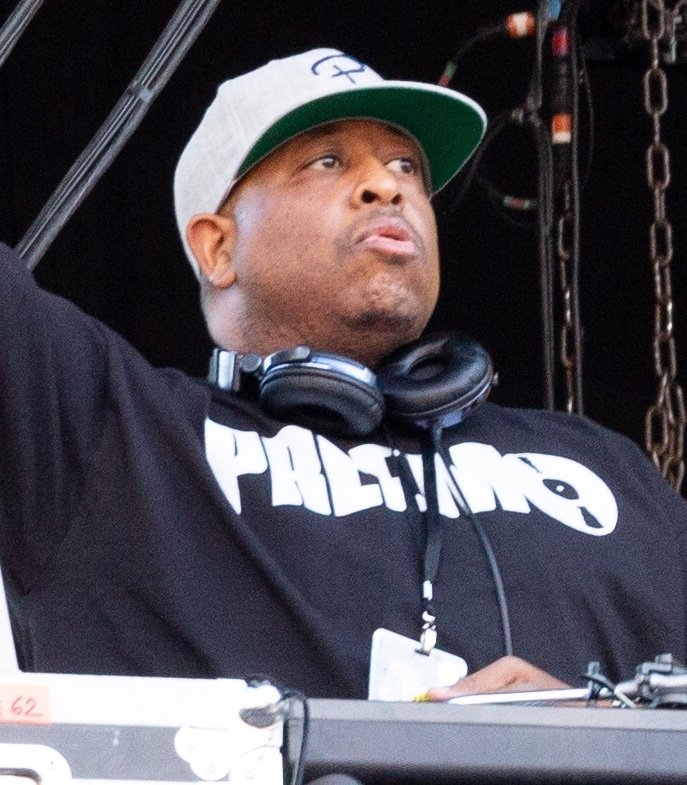
DJ Premier, Pete Rock, RZA, and a handful of other producer-geniuses quietly assembled the sonic blueprint for the greatest decade in rap history. Here’s how they did it.
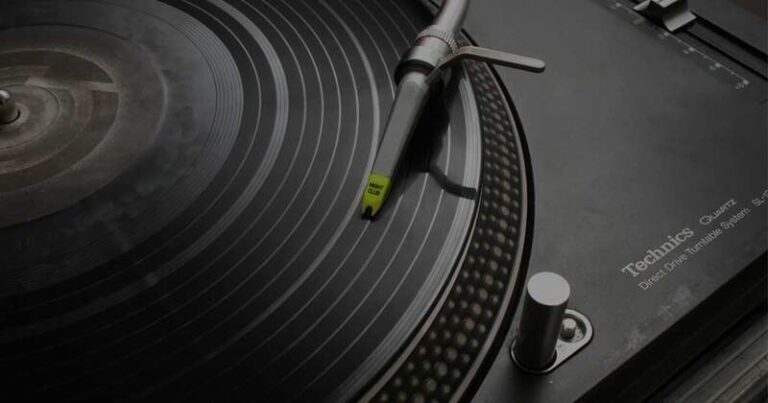
The Golden Age of hip-hop wasn’t just about the rappers. It was built by producers hunched over dusty vinyl and cheap drum machines, chopping soul records into the boom bap sound that still rules headphones today.

The Golden Age of hip-hop (1990–1999) wasn’t just great rappers — it was crate diggers, dusty drum machines, and producers who turned old vinyl into new gold.