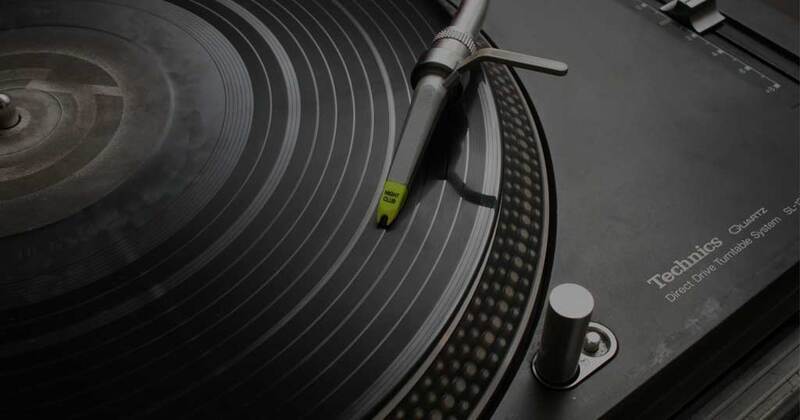
Diggin’ in the Crates: How Sampling Built the Boom Bap Sound
Somewhere in the early 1990s, a kid with a milk crate full of his dad’s warped soul records figured out that a two-second horn stab from a forgotten 1972 album could become the most important sound in his neighborhood. He wasn’t a musician in the way your piano teacher meant it. He couldn’t read a note. What he had instead was a sampler, a pair of headphones, and an almost religious patience for flipping through dollar-bin vinyl until his fingers turned gray. That combination — cheap machines, old records, and obsessive ears — is the real engine of Golden Age hip-hop. The rappers got the magazine covers. The producers built the church they preached in.
We talk about the era between roughly 1990 and 1999 as hip-hop’s Golden Age, and usually the conversation runs straight to the lyricists: Nas, Rakim, Biggie, the whole pantheon. But strip the vocals away and you’re left with something just as revolutionary — a specific, gritty, head-nodding drum sound that came to be called boom bap. It didn’t come from a recording studio full of session players. It came from bedrooms, basements, and record shops. This is the story of how that sound got made.
The Machine That Made a Genre
If Golden Age hip-hop had a beating heart, it was a chunky beige box called the E-mu SP-1200. Released in 1987, the SP-1200 was never designed to change music history. It was a drum machine with a sampler bolted on, and it had a famously stingy memory — barely ten seconds of total sampling time, sliced into a handful of pads. To most engineers, that was a limitation. To hip-hop producers, it was a personality.
The Retro Almanac
A monthly roundup of "on this day" highlights from that month, decades back — plus first dibs on new retro merch drops. No spam, just the good stuff.
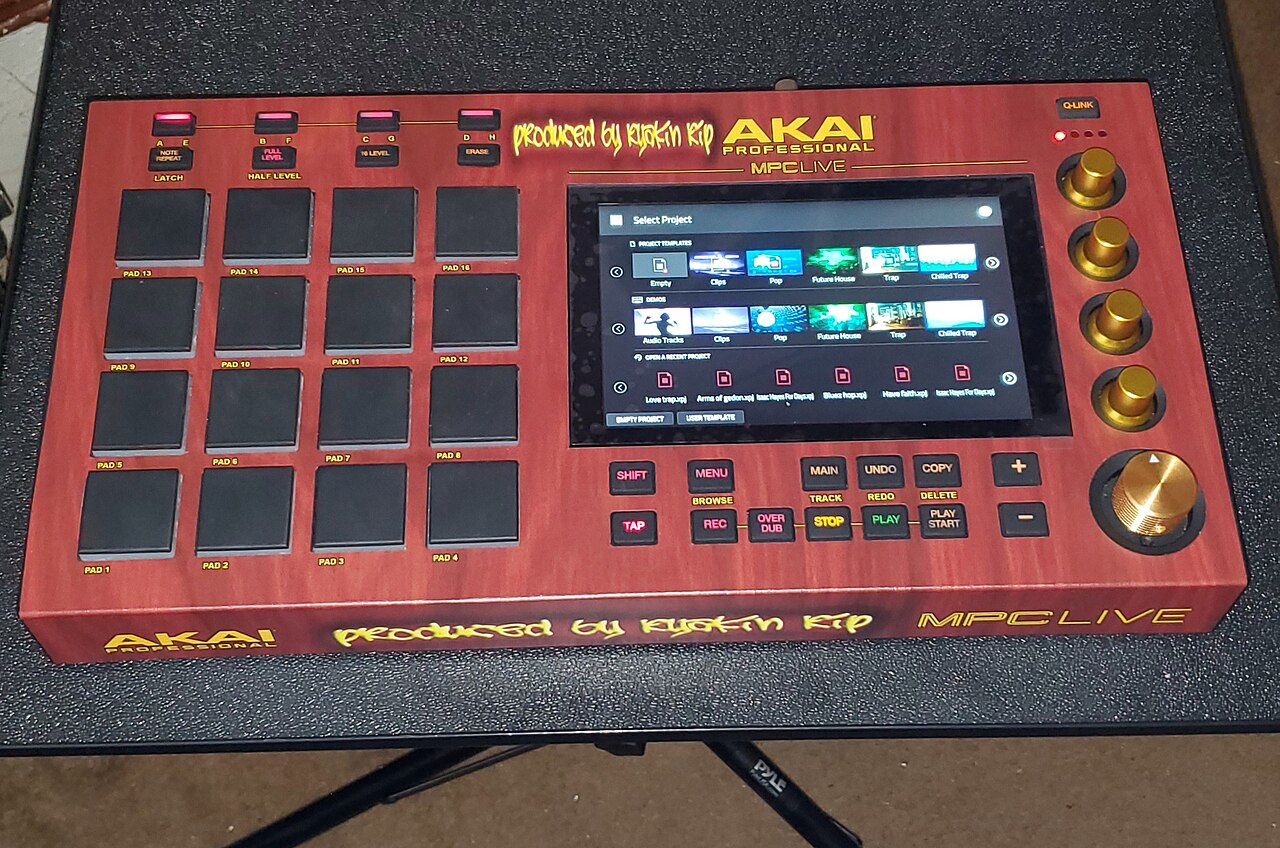
Because you had so little sampling time, you learned to grab short, punchy chunks — a snare hit here, a horn blast there — and squeeze them dry. And the SP-1200’s 12-bit converters gave everything a warm, slightly dirty crunch. Producers eventually discovered a trick: pitch a record way down when you sampled it, then pitch it back up on playback, and the machine would add a gorgeous, gritty haze to the sound. That grit became the fingerprint of an entire decade. Later, the Akai MPC series — especially the MPC60 and MPC3000, co-designed by synth legend Roger Linn — gave producers more room and those famously punchy, slightly-off-the-grid drums. The “swing” setting on an MPC is a big part of why 90s beats feel human instead of robotic.
Diggin’ in the Crates
You can’t sample what you don’t own, and that meant the machine was only half the craft. The other half was the hunt. “Digging in the crates” wasn’t a metaphor — it was a weekend job. Producers would drive hours to a dusty thrift store, a church rummage sale, or a shuttered record shop’s basement and flip through thousands of records looking for the one break nobody else had found. A single unclaimed drum loop off an obscure jazz-funk album could be worth more than gold, because if you built a classic beat around it, everybody wanted to know where you got it — and nobody would tell.
The Secret Economy of the Break
This was an era before you could type a song into a phone and find its source in three seconds. The knowledge lived in people’s heads and in the grooves of records they guarded jealously. Producers would soak the labels off their vinyl or scratch them out so a nosy competitor flipping through their collection couldn’t clock the source. Whole crews, like the aptly named Diggin’ in the Crates crew — Lord Finesse, Diamond D, Showbiz & A.G., Big L, Fat Joe — turned the practice into an identity. The dig was the research phase. The sampler was the lab.
DJ Premier and the Art of the Chop
If you want to hear the Golden Age in its purest form, put on anything DJ Premier touched. As half of Gang Starr and the most in-demand producer in New York, Preemo perfected a technique that became his signature: instead of looping a whole melodic phrase, he’d chop a record into tiny fragments — single notes, half-words, stray sounds — and rebuild them into a brand-new melody that never existed on the original. Then he’d take another record entirely, scratch pieces of famous vocals across the hook, and turn other people’s songs into a running commentary on his own.
His drums hit like a fist wrapped in felt, and his loops felt haunted, like a memory you couldn’t quite place. Tracks he built for Gang Starr, Nas, Jay-Z, Biggie, and Group Home didn’t just sound good — they sounded like New York City in the winter. That was the point. A great Golden Age beat wasn’t just music; it was a place.
Pete Rock, the Soul Brother
Where Premier was jagged and cold, Pete Rock was warm and lush. Working out of Mount Vernon, New York, Pete leaned hard into soul and jazz horns, layering them so thick the beats felt like they were breathing. His 1992 track with CL Smooth, “They Reminisce Over You (T.R.O.Y.),” built around a saxophone line from a Tom Scott record, is one of those beats people still describe as perfect — a eulogy for a friend that somehow makes you nostalgic for a life you never lived.
Pete Rock’s genius was in the layering. He treated the SP-1200’s limits as a dare, stacking horn hits and drum fills until a two-bar loop had the depth of a full band. He was proof that sampling wasn’t lazy or theft-by-machine, as critics loved to claim. It was arranging. It was curating. It was hearing a possibility inside somebody else’s record that even the original musicians had missed.

RZA and the Sound of the Basement
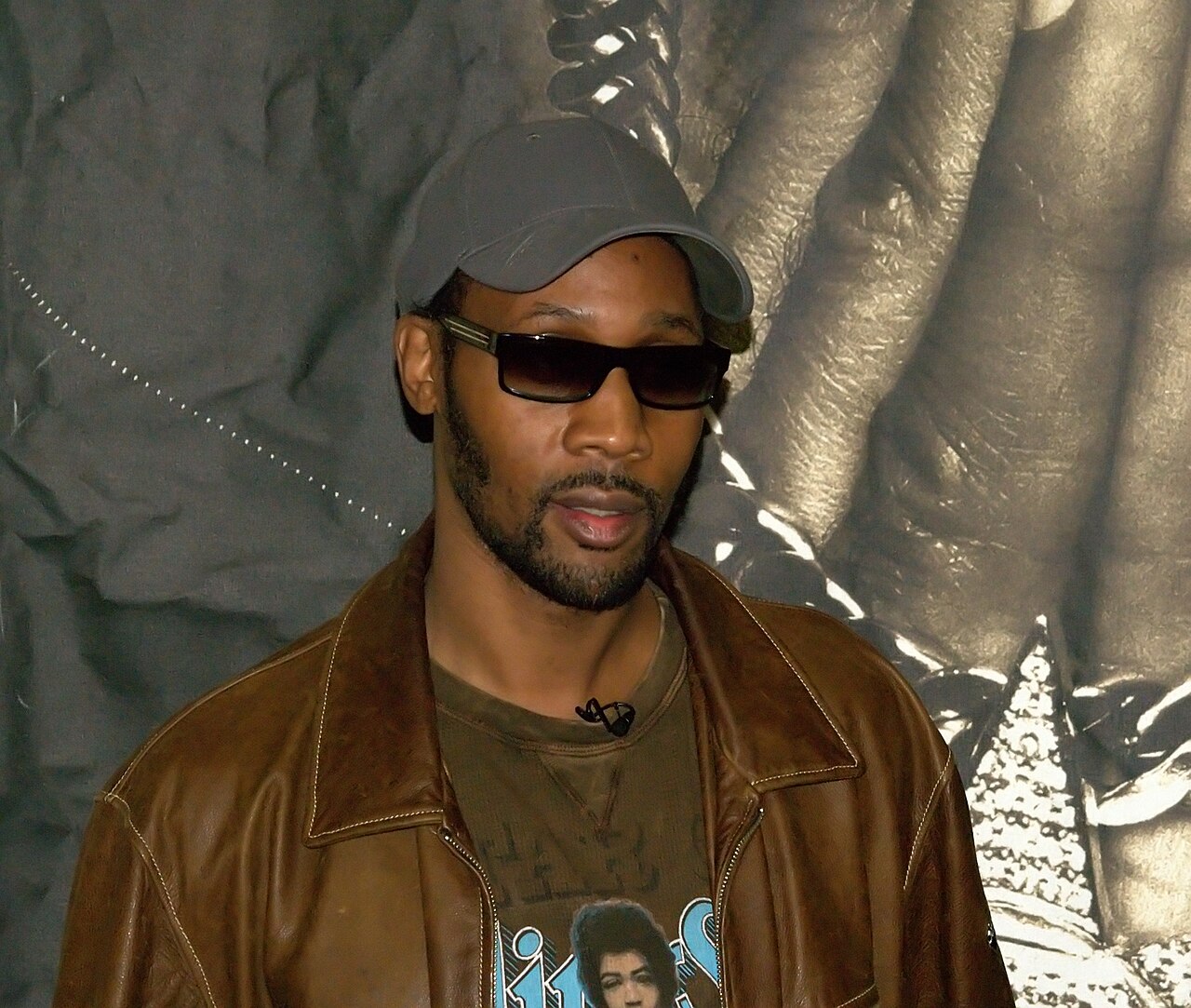
Then there’s RZA, who took the whole thing in the opposite direction. When Wu-Tang Clan’s Enter the Wu-Tang (36 Chambers) dropped in 1993, it sounded like it had been recorded in a flooded basement during a blackout — and that was completely intentional. RZA pitched soul samples into eerie, sped-up wails, buried his drums in grime, and let kung-fu movie dialogue drift through the mix like ghosts. Where other producers polished, RZA roughed things up on purpose.
The lo-fi murk wasn’t a lack of resources so much as an aesthetic, a decision that danger and mood mattered more than fidelity. It gave nine rappers from Staten Island a world to live in, and it proved that in Golden Age hip-hop, the producer was as much a world-builder as any novelist. The beat set the weather. The rappers just walked around in it.
Q-Tip, the Ummah, and the Head-Nod
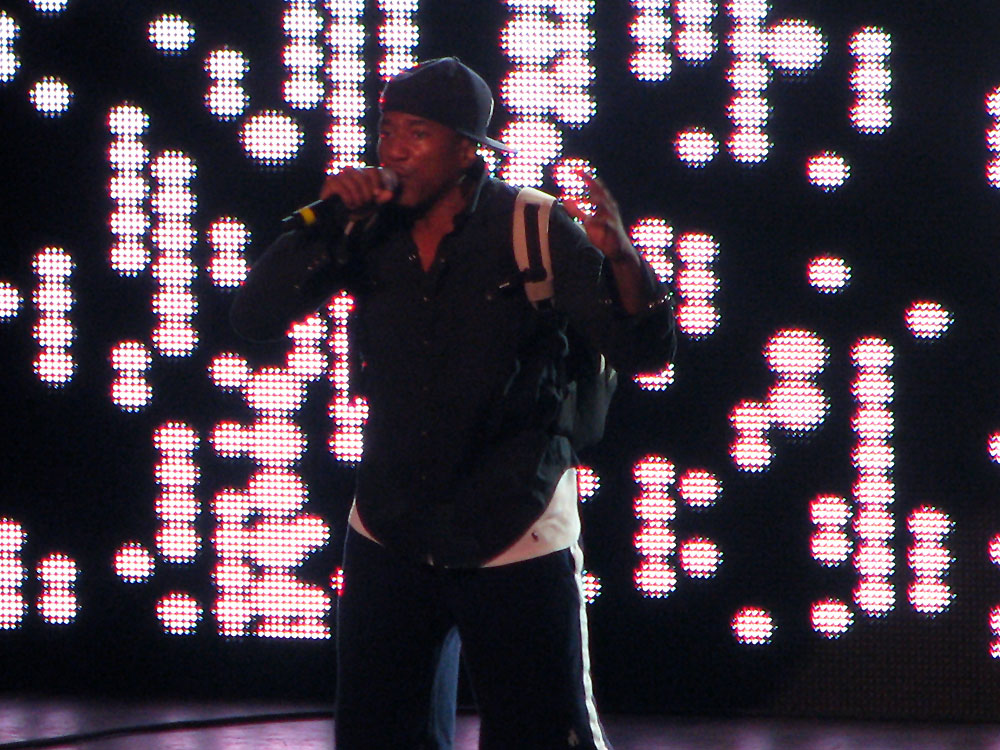
Down in Queens, A Tribe Called Quest’s Q-Tip was making sampling sound like the most relaxed thing in the world. Tribe’s records leaned into jazz — upright bass lines, Rhodes piano, brushed drums — and built a loose, jazzy pocket that felt like a late-night conversation. Q-Tip later formed a production team called the Ummah with Ali Shaheed Muhammad and a young Detroit prodigy named J Dilla, whose slightly drunken, off-the-grid drum programming would go on to influence basically every producer who came after him.
What united all of these very different men — Premier’s chops, Pete Rock’s soul, RZA’s grime, Tip’s jazz — was a shared belief that the drums had to knock and the loop had to make your head move on its own. That involuntary nod is the whole ballgame. If a beat didn’t get it out of you, it didn’t matter how clever the sample was.
When the Lawyers Showed Up
All of this ran on borrowed material, and eventually the bill came due. In 1991, a court case — Grand Upright Music, Ltd. v. Warner Bros. Records — ruled against Biz Markie for sampling a Gilbert O’Sullivan song without permission. The judge opened his decision by quoting the Bible: “Thou shalt not steal.” Almost overnight, the rules changed. Sampling now meant clearing rights and paying up front, which made the wild, sample-stuffed collages of the late 80s dangerously expensive to make.
You can hear the shift if you listen closely. The dense, sample-packed walls of sound gave way to leaner beats built on one or two carefully cleared loops. It’s part of why the classic Golden Age sound feels frozen in a specific window — the window before clearance culture, when a bedroom producer could still grab whatever he wanted off a dusty record and dare anyone to notice. The constraint didn’t kill the creativity. It just changed its shape.
Why It Still Sounds Like That
Here’s the strange part: the boom bap sound never really left. Decades later, producers still buy old SP-1200s and MPC3000s for four-figure sums, chasing that specific 12-bit crunch that plug-ins try and fail to fully copy. Lo-fi beats streaming to millions of students studying at 2 a.m. are, at their core, the grandchildren of Pete Rock and DJ Premier. The dusty loop, the swung drums, the warmth of an imperfect machine — it turned out to be timeless precisely because it was so human.
That’s the quiet lesson of Golden Age hip-hop’s producers. They took the cheapest gear, the oldest records, and the tightest limitations anyone ever handed a musician, and they built something the whole world still nods its head to. Not by having the most, but by hearing the most — a gift for finding the perfect two seconds in a record everyone else threw away. If you’ve still got a crate of old vinyl in the closet, there might be a classic beat sleeping in there somewhere. Somebody just has to go digging.
Sources
- Wikipedia — Boom bap
- Wikipedia — E-mu SP-1200
- Wikipedia — Sampling in music
- Wikipedia — Grand Upright Music v. Warner Bros.
- Books on hip-hop sampling and production (Amazon)
The Retro Almanac
A monthly roundup of "on this day" highlights from that month, decades back — plus first dibs on new retro merch drops. No spam, just the good stuff.