How the Sampler Gave 90s Hip-Hop Its Sound
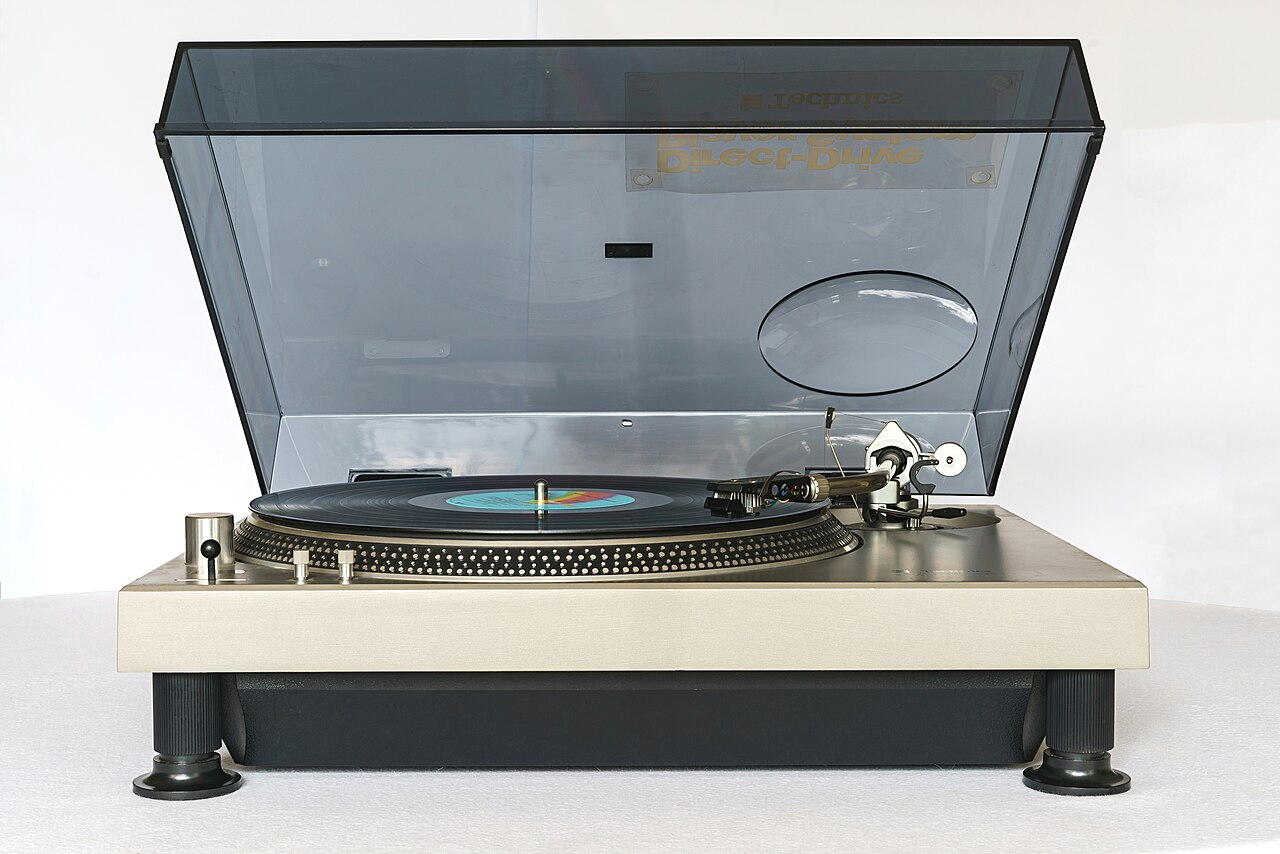
Ask anyone who lived through it and they’ll tell you the same thing: the Golden Age of hip-hop, roughly 1990 to 1999, just sounded different. Warmer. Dustier. Like someone had cracked open a shoebox of your parents’ old records and stitched the best two seconds of each one into something brand new. That feeling wasn’t an accident, and it wasn’t only the rappers. Behind almost every classic record of the decade sat a small grey box with tiny buttons, a stack of milk crates full of vinyl, and a producer with the patience of a monk and the ears of a bloodhound.
The MCs got the magazine covers. But the sound of the era — the boom-bap thump, the chopped soul horns, the crackle you could practically smell — was built by machines and the obsessives who mastered them. This is the story of how the sampler quietly turned the 1990s into hip-hop’s most beloved decade.
The Grey Box That Changed Everything
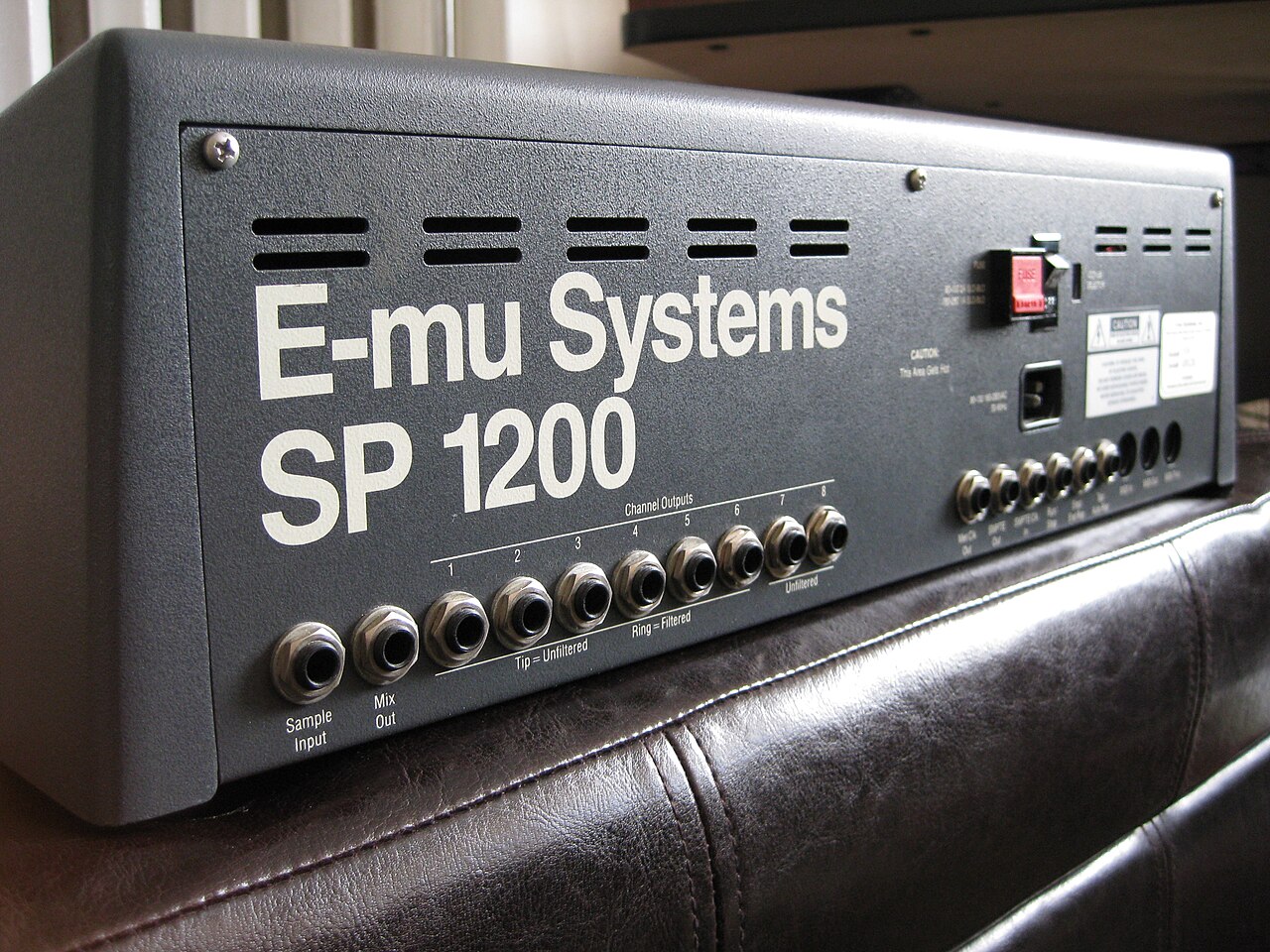
If the Golden Age had a beating heart, it was the E-mu SP-1200, released in 1987 and worshipped throughout the 90s. On paper it was almost comically limited: barely ten seconds of total sampling time, split into a handful of slots. But those limits were the whole point. The SP-1200’s low-bit converters gave every sound a gritty, crunchy character, and the ticking-clock memory forced producers to be ruthless. You couldn’t loop a whole song — you had to find the one perfect snare hit, the one horn stab, the one bassline nobody else had noticed.
Producers learned to cheat the clock, pitching records up before sampling so a two-second grab ate less memory, then pitching the result back down for that signature murky, slowed-down feel. Half the reason old boom-bap sounds the way it does is that producers were literally gaming the hardware. Constraint bred style.
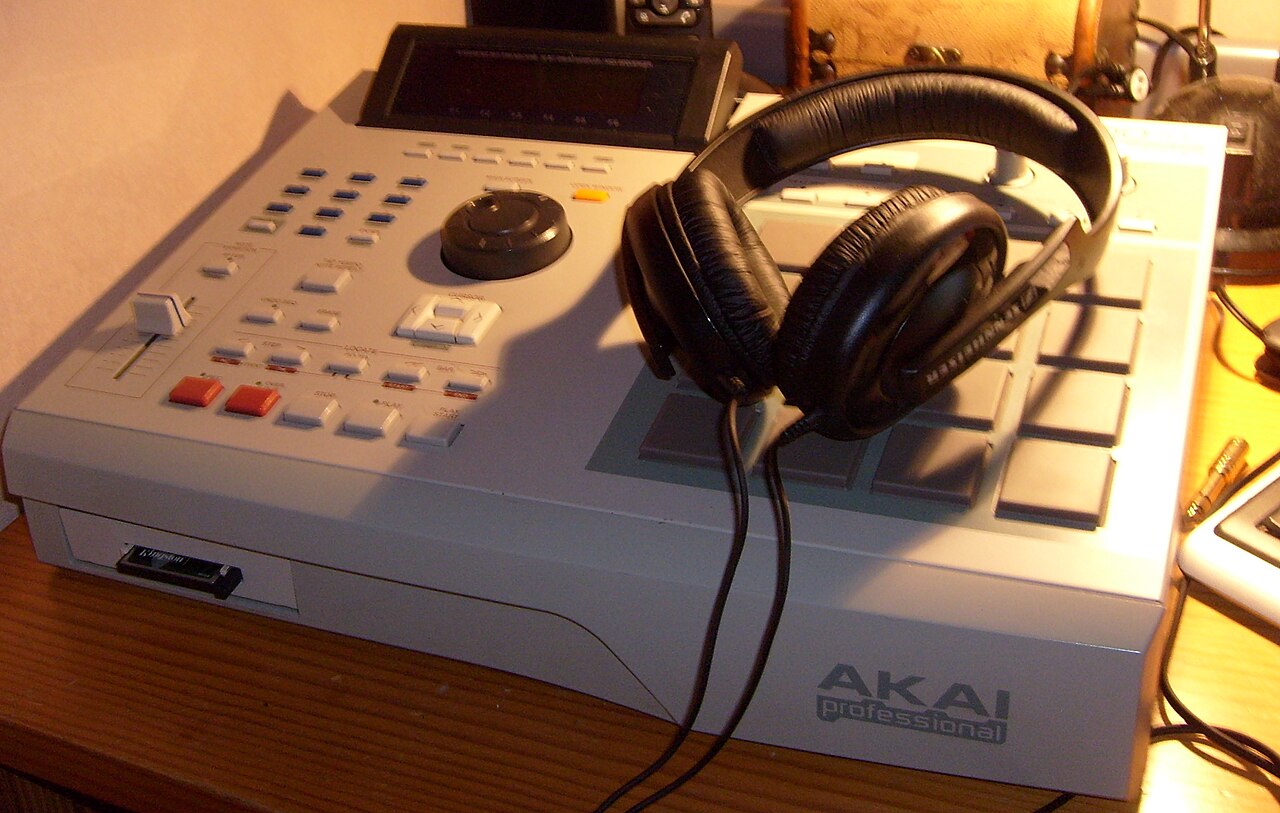
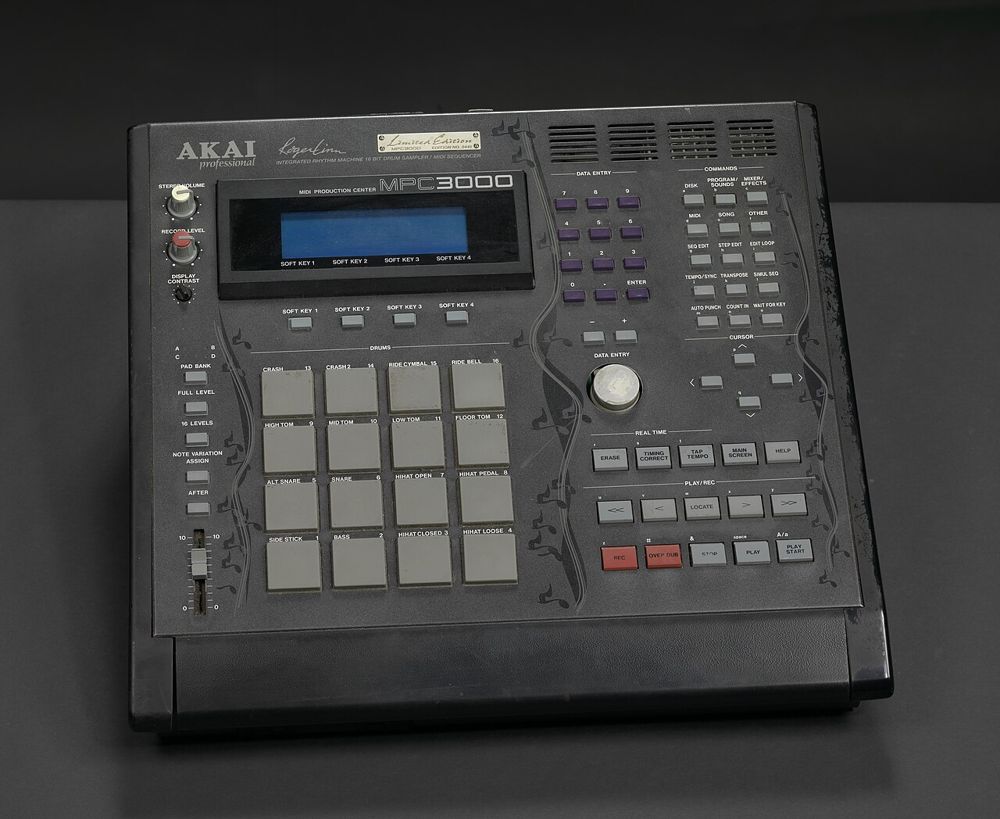
Then came the rival: the Akai MPC60, designed with drum-machine legend Roger Linn and released in 1988, followed by the MPC3000 in 1994. Where the SP-1200 was gritty and rigid, the MPC offered more memory, forgiving sampling, and above all those velocity-sensitive rubber pads. Producers could finger-drum a beat in real time, add human swing, and record it as they felt it. The MPC’s “swing” and timing feel became so central that a whole generation of beatmakers describes rhythm in terms of it. Between the SP-1200’s crunch and the MPC’s groove, the sonic DNA of the decade was set.
Crate Digging: The Real Studio Was a Dusty Basement
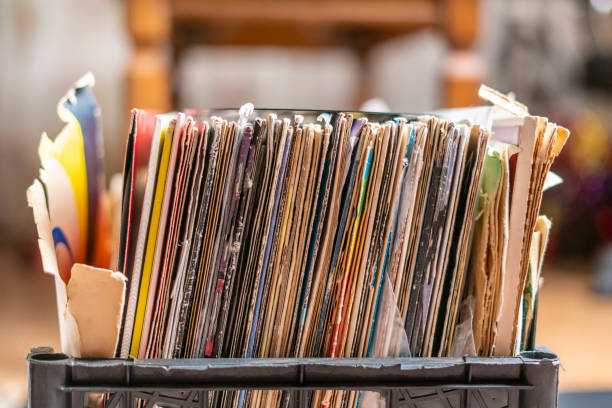
Before a single pad got pressed, there was the hunt. “Digging in the crates” wasn’t a metaphor — it was hours bent over milk crates in the back of thrift stores, flea markets, and grandparents’ basements, thumbing through forgotten jazz, funk, and soul records looking for breaks. The best diggers could read an album cover and guess whether it held gold: a certain label, a certain year, session musicians they recognized, a gatefold that promised live drums.
This was competitive sport. Producers guarded their sources like state secrets, sometimes soaking the labels off records so rivals in the store couldn’t see what they’d bought. A single obscure drum break — the opening bars of an old funk 45 nobody remembered — could become the foundation for a dozen classics. The most famous of them all, the “Amen break,” a few seconds of drumming from a 1969 B-side, ended up powering an absurd chunk of hip-hop and, later, entire genres of dance music. Golden Age producers weren’t just making beats; they were archaeologists of American music, resurrecting the forgotten and handing it to a new generation.
The Producers Who Became Auteurs
By the mid-90s, the man behind the boards was no longer anonymous. Producers became stars in their own right, each with a fingerprint you could ID in a single bar.
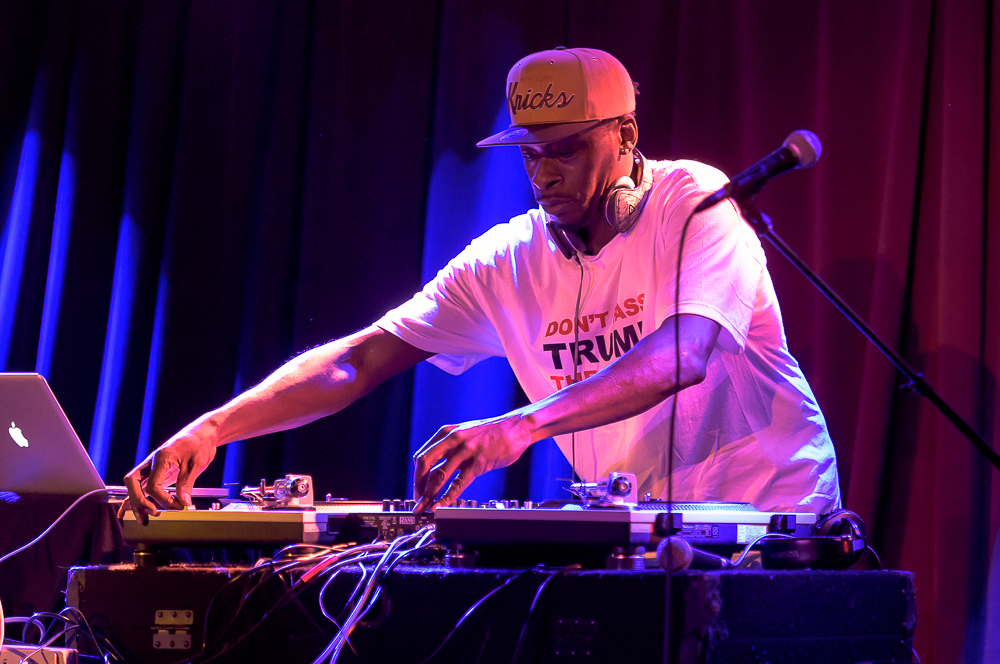
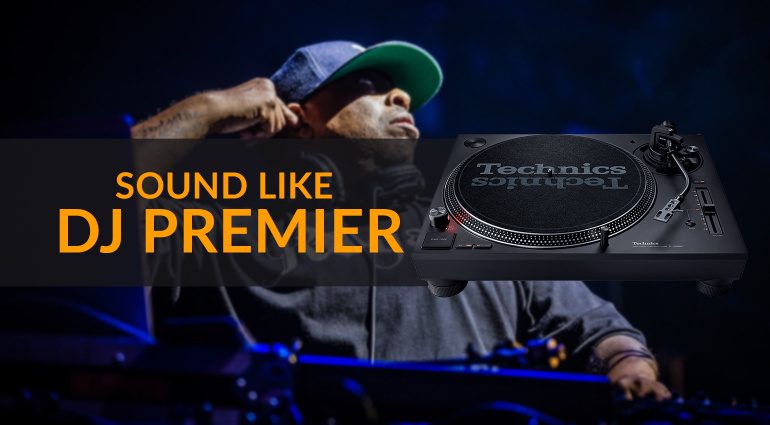
DJ Premier, one half of Gang Starr, perfected the art of the chopped-up loop and the “Premier scratch hook” — taking words scratched from other records and reassembling them into a chorus. His beats were minimalist, hard, and instantly recognizable, and half of New York wanted one. Pete Rock, meanwhile, drenched his tracks in warm, jazzy horns; his 1992 tribute “They Reminisce Over You (T.R.O.Y.)” is still held up as one of the most beautiful pieces of production the genre ever produced.
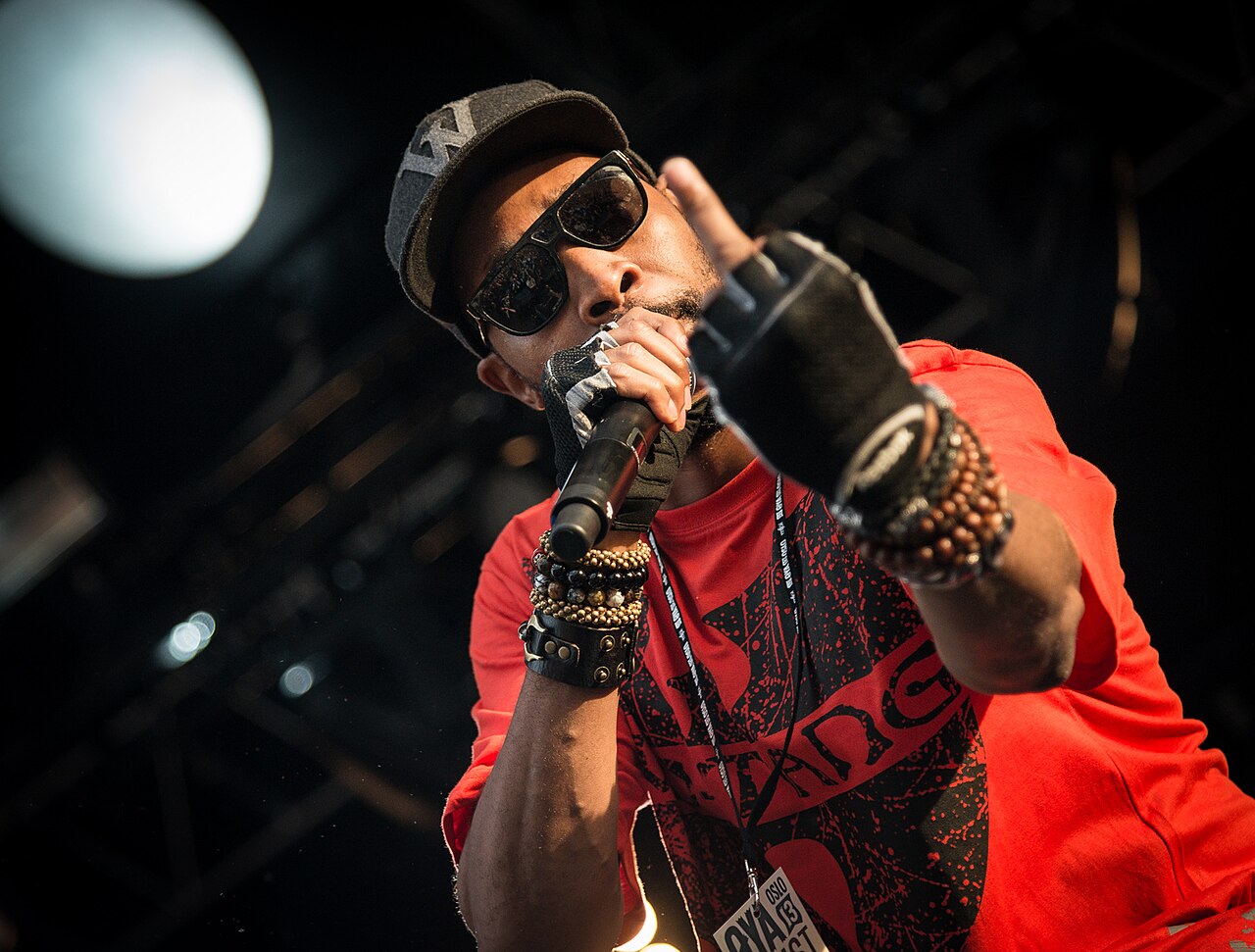
Out in Staten Island, RZA built the entire Wu-Tang Clan universe on grimy, off-kilter soul loops and kung-fu movie dialogue, proving a producer could conjure a whole cinematic world from a basement setup. Q-Tip and the Ummah gave A Tribe Called Quest their smoky, bass-heavy jazz feel. And on the West Coast, Dr. Dre took a different road entirely — instead of chopping samples, he had studio musicians replay funk riffs live, layering them into the slow, synth-soaked G-funk that ruled radio after 1992’s The Chronic.
That split — East Coast sample collage versus West Coast live-replayed funk — is a big part of why a Mobb Deep record and a Snoop Dogg record from the same year sound like they come from different planets. Same era, same golden light, two completely different ways of catching it.
Two Boxes, Two Dialects: The SP-1200 and the MPC
The E-mu SP-1200 and the Akai MPC were not really rivals. They were two dialects of the same language, and most serious studios ran both. The SP-1200, released in 1987, gave producers only about ten seconds of sampling time at a rough 12-bit resolution. That ceiling turned into the whole appeal. Running a horn stab or a drum break through the SP’s converters added a crunch clean digital gear could not fake, and records from Pete Rock and Large Professor still carry that fingerprint. Producers were paying real money to track down working SP-1200 units well into the 2010s for exactly that reason.
The MPC line, built with drum-machine pioneer Roger Linn, went the other way. The MPC60 and the MPC3000 paired sampling with sixteen velocity-sensitive pads and Linn’s swing quantize — the setting that let a programmed beat breathe instead of marching in a straight line. J Dilla built an entire rhythmic signature out of that swing, and DJ Premier tracked most of Gang Starr’s catalog on an MPC60. Where the SP-1200 forced you to work around its limits, the MPC handed you room and a feel. The honest truth is that neither machine made the music by itself. Between them, though, they set the texture of the whole decade.
The Lawsuit That Nearly Killed the Whole Thing
There was a catch to all this borrowed brilliance: most of it was, legally speaking, uncleared. In hip-hop’s earliest years, sampling existed in a Wild West gray zone where nobody bothered to ask permission. That ended abruptly in 1991, when a court ruled against Biz Markie in Grand Upright Music v. Warner Bros. for using a Gilbert O’Sullivan song without a license. The judge opened his decision by quoting the Bible — “Thou shalt not steal” — and the message to the industry was unmistakable.
Overnight, sampling got expensive. Every grabbed second now needed clearance, and dense, sample-stacked collages like the Bomb Squad’s work for Public Enemy or the Beastie Boys’ Paul’s Boutique became financially impossible to make. Some see the ruling as the beginning of the end of the Golden Age’s most adventurous production. But it also pushed producers toward cleaner single-sample flips and live instrumentation, shaping the sound of the late 90s in its own way. The music adapted — as it always does.
Why It Still Sounds Like Home
Here’s the quiet irony of the Golden Age: much of what we love about it comes from things that would today be called flaws. The bit-crushed crunch of the SP-1200 was a hardware compromise. The vinyl crackle was dirt on a record nobody had played in twenty years. The slightly-off timing was a human finger on a rubber pad instead of a perfectly quantized grid. All of it added up to something warm and imperfect and alive — the opposite of the crisp, digital, pitch-corrected pop that came later.
That’s why producers still buy dusty old SP-1200s for the price of a used car, why streaming playlists are full of “boom bap” beats made by teenagers who weren’t born until the 2000s, and why a chopped soul loop can still stop a Gen Xer cold in a coffee shop. The Golden Age of hip-hop wasn’t just a run of great albums. It was a technology, a philosophy, and a treasure hunt through the record bins of America — and the sound those crate diggers built has never really gone out of style.
Want to hear it the way it was meant to be heard? The classics of the era are worth revisiting on a proper set of speakers. Browse 90s hip-hop vinyl reissues and let the crackle do its thing.
Sources
- Wikipedia — Golden age hip hop
- Wikipedia — E-mu SP-1200
- Wikipedia — Akai MPC
- Wikipedia — Grand Upright Music v. Warner Bros.
- Wikipedia — Amen break