The Grunge Blueprint: How Seattle Built a Movement Out of Distortion, Flannel, and Discontent
From Sub Pop basements to MTV domination, grunge wasn’t just a sound — it was a complete cultural reset built on three cheap ingredients.
From Sub Pop basements to MTV domination, grunge wasn’t just a sound — it was a complete cultural reset built on three cheap ingredients.
Grunge was more than a sound. It was a thrift-store wardrobe, a slacker worldview, and a generational pivot. Here is what it actually was — music, fashion, and culture in one piece.
A no-nonsense walk through grunge — where it came from, what it sounded like, why everyone suddenly wore flannel, and why the whole thing burned itself out in about five years.
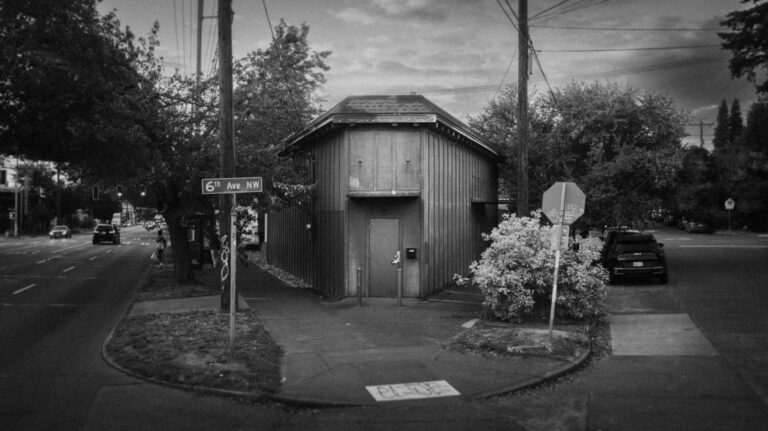
The Seattle grunge scene history did not begin in 1991 with Nirvana’s Nevermind. It began about seven years earlier in a 550-capacity Pioneer Square bar, a black-walled Belltown art club, and a triangular wooden shed in Ballard that recorded bands for under a thousand bucks an album. By the time MTV figured out what was…
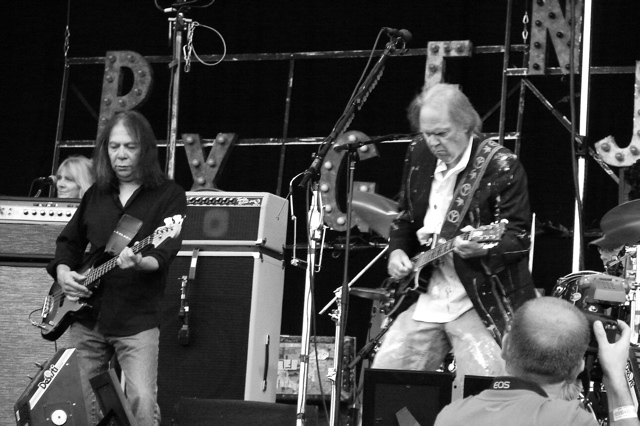
Before Nirvana broke MTV, two Seattle slackers in a cramped Belltown office turned a fanzine into Sub Pop Records and manufactured the grunge movement single by single.
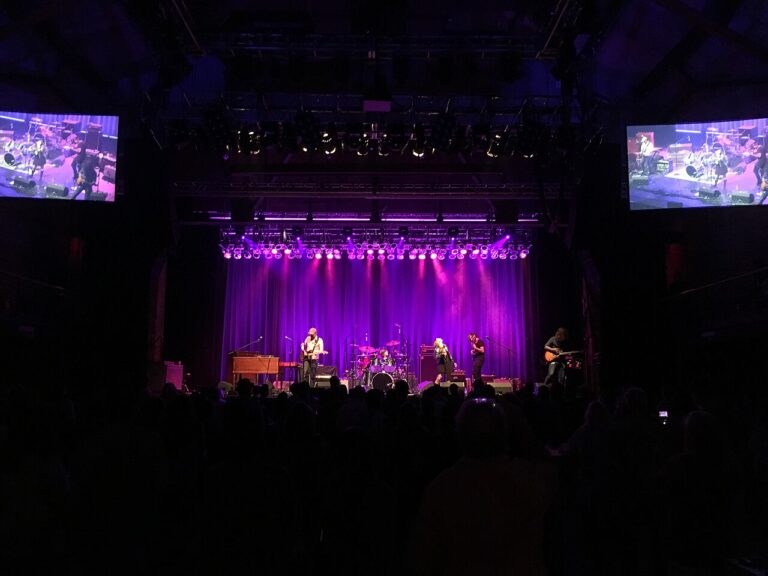
A walk through grunge — the sound that buried glam metal, the thrift-store look that became uniform, and the mindset that turned a damp Seattle scene into a global mood.