Seattle Grunge Scene History: 7 Venues That Built the Sound
The Seattle grunge scene history did not begin in 1991 with Nirvana’s Nevermind. It began about seven years earlier in a 550-capacity Pioneer Square bar, a black-walled Belltown art club, and a triangular wooden shed in Ballard that recorded bands for under a thousand bucks an album. By the time MTV figured out what was happening, the scene was already old enough to be cynical about it.
This is the story of the venues, the label, and the bands that built grunge between 1984 and 1991 — the part that gets skipped when someone hands you the highlight reel.
Seattle Grunge Scene History Starts in 1984, Not 1991
Pin the start anywhere you like and somebody will argue. The honest answer is that the Seattle grunge scene history starts in 1984, when a Mark Arm fronted band called Green River formed out of the wreckage of Mr. Epp and the Calculations. Green River cut Come On Down in 1985 — the first record most historians point to as recognisably grunge. That same year a fanzine called Subterranean Pop was being mailed out of Olympia by a guy named Bruce Pavitt. The two things would collide and we’d get the rest.
The Retro Almanac
A monthly roundup of "on this day" highlights from that month, decades back — plus first dibs on new retro merch drops. No spam, just the good stuff.
What grunge needed to exist wasn’t talent. Seattle had plenty of that already in jazz and folk and rock since the 50s. It needed a closed loop — a town small enough that every band knew every other band, a club circuit cheap enough to play four nights a week, a label willing to press your record without asking what it sounded like, and a producer who’d record you for $600 in a weekend. Seattle had all four by 1987.
Why a Wet, Bored Port City Was the Perfect Petri Dish
In the mid-80s Seattle was not the city anyone wanted to live in. Microsoft was a small company on the east side. Amazon didn’t exist. The Pacific Northwest was a working-class port economy: timber, fish, Boeing on a good year. Rent was cheap because nobody wanted the apartments. The weather was famous for being awful. Most national tours skipped the city — too far north, too small a market, no payoff for the bus ride.
That isolation was the gift. With no scouts watching, the bands had nothing to perform for except each other. They got weird. They played slower than punk, heavier than the British invasion stuff coming in over college radio, and louder than the rooms were designed for. Then they kept doing it for years before anyone with money showed up.
The Central Saloon Was the First Stage Most Grunge Bands Stood On
Walk into the Central Saloon at 207 First Avenue South today and you’ll find a sign that reads Birthplace of Grunge. It’s not hyperbole. The Central is the oldest bar in Seattle, opened in 1892, and by the mid-80s it was a beat-up Pioneer Square dive that booked four bands a night for the cost of beer money.
Nirvana played their first Seattle show at the Central. So did Soundgarden. So did Mother Love Bone, the Melvins, Mudhoney, Screaming Trees, Alice in Chains, and roughly every other band whose name you remember. The room held about 200 people if you didn’t count fire code. The stage was bad. The PA was worse. None of that mattered because the booker took chances and the cover was four dollars.
The Vogue: Belltown’s Black-Walled Art-Punk Club
The Vogue opened in 1982 in Belltown when Belltown was still a scruffy strip of SROs and artists’ studios. It started life as a gay disco and morphed into something darker — black walls, low stage, industrial soundtrack, drag nights mixed with experimental rock and the early proto-grunge crowd.
The Vogue mattered for one reason: it hosted Sub Pop Sundays. Bruce Pavitt and Jonathan Poneman used the Sunday night residency to showcase whichever bands they were trying to push that month, which meant if you wanted to see what the label was up to, you went there. Nirvana’s first well-attended Seattle show happened at the Vogue on April 24, 1988 — the gig people now treat as the moment Kurt Cobain stopped being an Aberdeen kid driving up for the weekend and started being a Seattle band.
The OK Hotel and the Night Nirvana Played “Smells Like Teen Spirit” First
The OK Hotel was an all-ages club at 212 Alaskan Way South, tucked under the old viaduct. It hosted everyone — Soundgarden, Mudhoney, The Gits, Tad, Love Battery, the U-Men — across about 15 years of business. The one show people still talk about happened on April 17, 1991. Nirvana needed gas money to drive to Los Angeles and record Nevermind, so they took a last-minute Wednesday night gig. A film crew was there. Kurt Cobain debuted a new song called “Smells Like Teen Spirit” that night. The footage ended up in Doug Pray’s Hype! documentary five years later, which is the only reason a random midweek bar show is now on history’s permanent record.
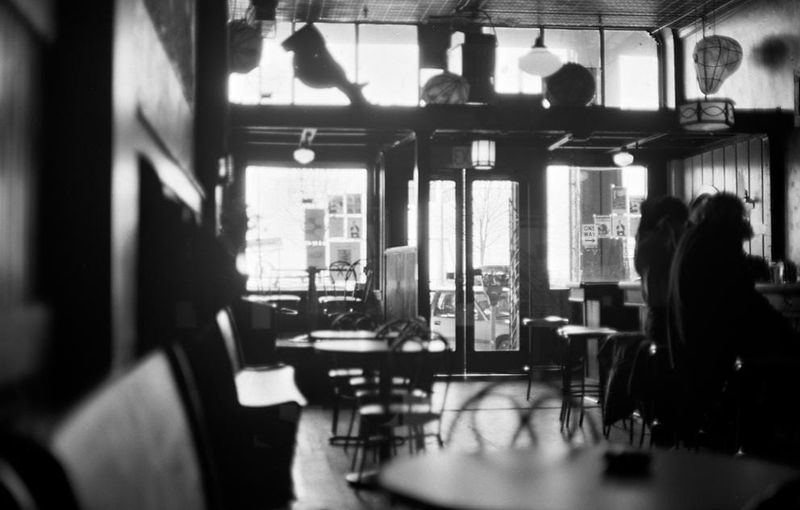
The OK Hotel closed after the 2001 Nisqually earthquake damaged the building. The space later became a vegan grocery. The hole in the ceiling at the back of the room — caused by Kurt smashing a strobe light during another show — was patched, painted over, and forgotten.
The Crocodile Cafe Opened Just in Time for the Explosion
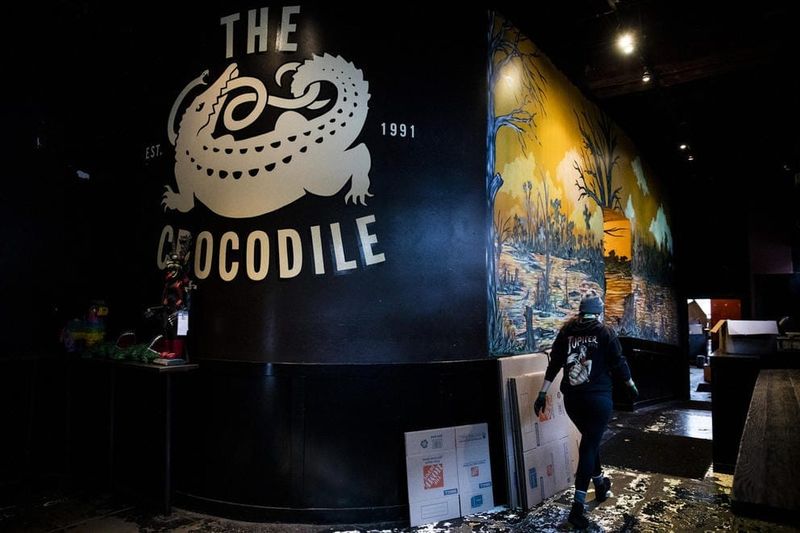
Stephanie Dorgan opened the Crocodile Cafe at 2200 2nd Avenue in Belltown on April 30, 1991 — a few weeks after the OK Hotel show and a few months before Nevermind dropped. The timing was accidental. The impact was not.
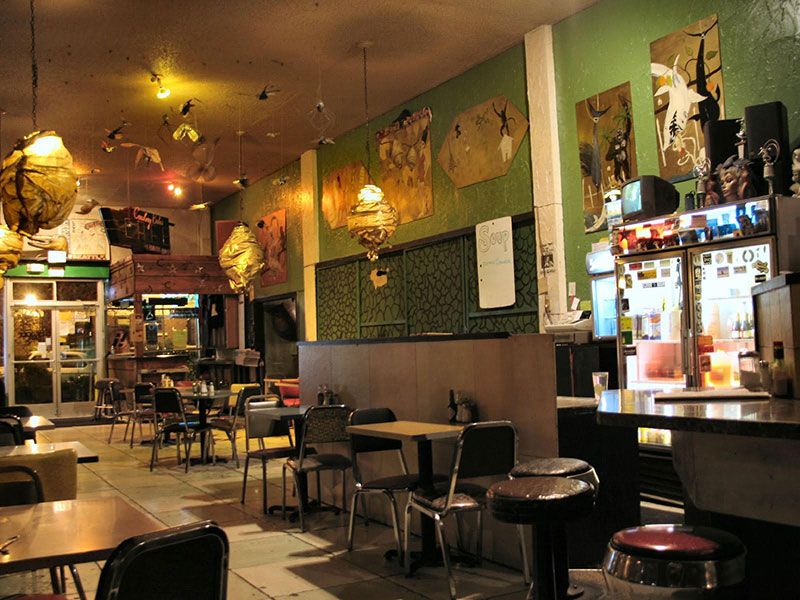
The Croc was a restaurant by day and a 550-capacity rock club by night, with hand-painted folk art covering the walls and a back room that doubled as the green room. Nirvana played there. Pearl Jam played there. Mudhoney basically lived there. Screaming Trees, R.E.M., Cheap Trick — when bands wanted to do a “secret” Seattle show, they did it at the Crocodile. The club closed in 2007 and reopened a year later under new ownership. It’s now down at First and Wall in a bigger building, still booking the kind of acts the original Croc booked, still painted that same dirty gold-and-black.
Reciprocal Recording Made the Sound Sound Like That
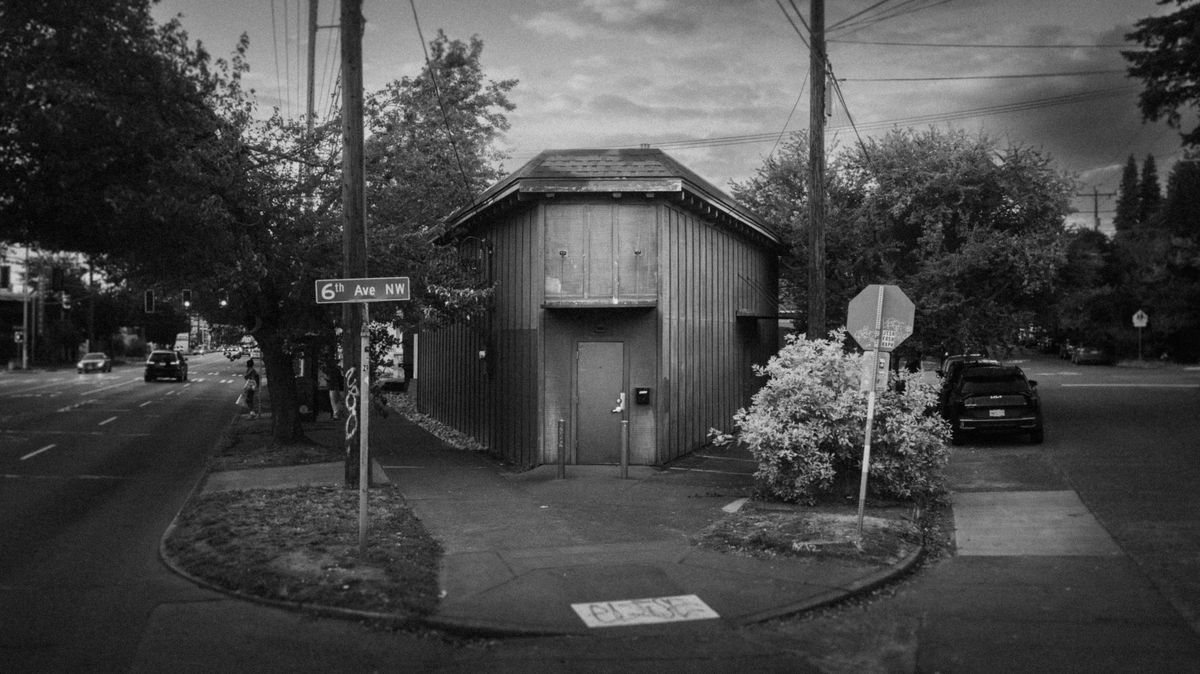
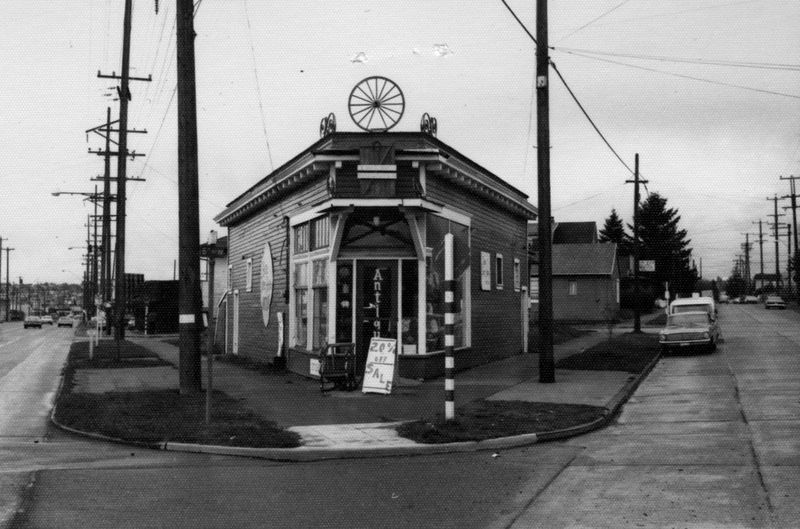
Drive to 4230 Leary Way Northwest in Ballard and look for a triangular wooden shed at the intersection. That building was Reciprocal Recording from 1986 to 1991. Inside it, a guitarist named Jack Endino — Skin Yard’s guitar player — engineered roughly every important record of the early Seattle grunge scene history on an 8-track reel-to-reel. He recorded Soundgarden’s Screaming Life. He recorded Mudhoney’s Superfuzz Bigmuff. He recorded Green River’s Dry as a Bone. He recorded Nirvana’s Bleach in 30 hours for $606.17 — a number that’s printed on the back of the album.
Endino didn’t invent the grunge sound. He just refused to clean it up. Bands came in distorted and confused; they left distorted and clear. At its peak Reciprocal was booked 17 hours a day. Bands drove cross-country to record there because it was cheap, fast, and run by somebody who actually liked what they were doing.
Sub Pop Records Turned a Scene Into a Brand
Bruce Pavitt moved to Seattle from Olympia in 1983. He met Jonathan Poneman in 1987 through KCMU, the college station that would later become KEXP. Pavitt had the fanzine and the taste; Poneman had a small inheritance and the willingness to risk it. They put up $43,000 between them, quit their day jobs on April 1, 1988, and incorporated Sub Pop Records out of a tiny office in the Terminal Sales Building at 1932 1st Avenue. The toilet had record boxes stacked around it.
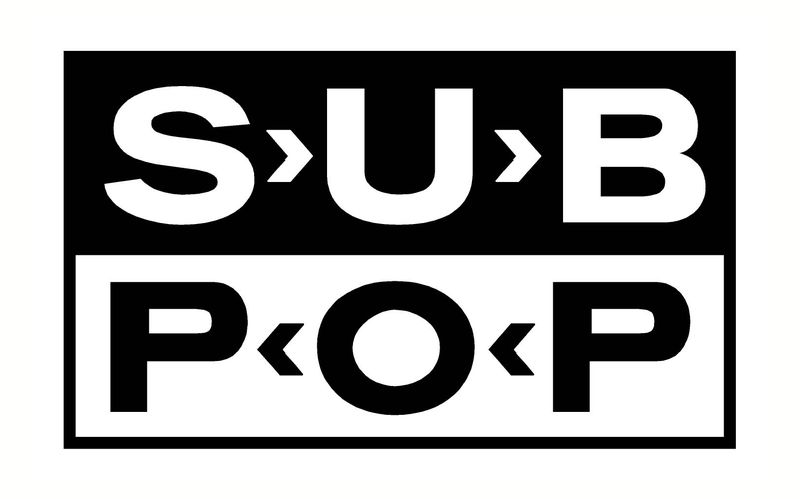
What Sub Pop got right was the packaging. The black-and-white logo was stark and instantly recognisable. Charles Peterson shot the band photos, and his blurred-flashbulb live shots looked like they were inventing a new genre even when the bands inside the frame were not. Sub Pop marketed Seattle as a sound, not a place — which is what made British music journalists fly over and write the first grunge articles, which is what made American labels start scouting, which is what made the major-label gold rush of 1991-92 inevitable. The label is still based in Seattle, still in the Terminal Sales Building, still putting out records that nobody else would. Our deep dive on Sub Pop’s founders covers the financial near-miss that almost killed them before Nirvana bailed them out.
The Bands That Got There Before Nevermind
The roster of bands in the scene before 1991 reads like a draft board for everything that came after. Green River broke up in 1987 and split into two pieces: Mark Arm and Steve Turner formed Mudhoney; Jeff Ament and Stone Gossard formed Mother Love Bone, then Pearl Jam after singer Andrew Wood died of an overdose. Soundgarden signed to Sub Pop in 1987, then jumped to SST and A&M before any of the others. The Melvins were already weird enough by 1986 to scare off the labels but inspire every band in town, Kurt Cobain included. Screaming Trees came down from Ellensburg. Tad Doyle moved over from Idaho. Alice in Chains were across town doing something heavier and slower than everyone else.
The thing that ties this list together is not a sound — they don’t all sound alike. Soundgarden is Black Sabbath. Mudhoney is the Stooges with a fuzz pedal. Nirvana is a pop band wearing a punk band’s clothes. Alice in Chains is a doom-metal band fronted by a Broadway voice. What tied them together was a six-block radius, a Tuesday-night residency at the Central, and the fact that they all knew Jack Endino’s phone number. That’s a scene. The 1991 explosion is a separate conversation we cover in Grunge’s Big Bang: The 1991 Moment That Rewrote a Generation.
Why the Scene Couldn’t Survive Its Own Success
The Seattle grunge scene history that mattered ends around 1992. Once Nevermind went platinum and the A&R guys showed up in person, every band of any size got signed and pulled out of the loop. The Central Saloon stopped being the only room in town that mattered. The Vogue closed in 1991. The OK Hotel kept going until the earthquake. The bands that had been opening for each other for half a decade were suddenly headlining different continents.
What was left was the infrastructure — the venues, the label, the studio philosophy — and a second wave of bands who grew up watching the first wave from the side of the stage. Sleater-Kinney, Built to Spill, Death Cab for Cutie, Modest Mouse. None of them are grunge bands, but every one of them owes the existence of their career to Bruce Pavitt’s mailing list and Jack Endino’s 8-track. The scene died on its own terms. The town the scene built is still there. Cameron Crowe’s Singles caught the last six months of it on film — go watch it again with this list open and you’ll spot half these venues in the background.
If you want to hear the participants tell it themselves, Hype! is still the best document of the era. Doug Pray got into the rooms with cameras while the rooms were still standing.
Sources
- HistoryLink — Nirvana debuts “Smells Like Teen Spirit” at the OK Hotel, April 17, 1991 — primary source on the OK Hotel show and the Hype! footage
- Rolling Stone — Green River and Seattle’s First Grunge Album: The Oral History — oral history of Green River, Mudhoney, and the Mother Love Bone split
- Wikipedia — Sub Pop Records — founding dates, finances, and roster
- HistoryLink — Central Tavern and Saloon — Pioneer Square venue history
- The Crocodile — venue history page — opening date and grunge era acts
- Cascade PBS — Seattle’s iconic grunge venue OK Hotel goes vegan — building’s post-grunge fate
- Hall of Justice Recording — Reciprocal Recording history — Jack Endino’s studio at 4230 Leary Way
Browse retro and vintage-inspired apparel at the RetroRadical shop →
The Retro Almanac
A monthly roundup of "on this day" highlights from that month, decades back — plus first dibs on new retro merch drops. No spam, just the good stuff.